Buon Ma Thuot at a glance
- Our view: worth the trip for coffee, Ede and M’nong villages and highland scenery, not for monuments or beaches.
- Best for: travelers curious about coffee and local communities, and families with children aged 6 to 12 (museum ticket 40,000 VND ($1.50)).
- Less suited if: you want a beach, historic monuments or a big tourist city.
- How long: 1 day for the museum and the waterfall, 2 days to add Lak Lake, 3 days for a slow pace.
- Site budget: museum and Dray Nur combo ticket 180,000 VND ($6.90) per adult, checked in October 2026.
- When to go: November to April, in the dry season; August and September each get more than 300 mm of rain. The next coffee festival is planned from mid-December 2026 to early April 2027 (provisional dates).
Is Buon Ma Thuot Worth Visiting?
Buon Ma Thuot is worth visiting if you are drawn to coffee, Ede and M’nong village life and the landscapes of the Central Highlands. It has no beach and few classic monuments: it is a place for meeting people and seeing where Vietnam's coffee comes from, about 1 hour 45 minutes by air from Hanoi.
Who Will Enjoy Buon Ma Thuot
If you like to understand a product before you taste it, this is the place to follow coffee from the farm to the cup. Families with children aged 6 to 12 find plenty of short, hands-on activities, such as the pottery workshop, the canoe ride and the waterfall, and children pay a reduced fare at the museum.
Who May Want to Skip It
Beach lovers, monument hunters and anyone after a lively big city may want to skip it. Life moves slowly here, and both the waterfall and the lake change with the seasons. In August and September, it rains on 23 to 24 days of the month.
Good to Know Before You Go
Think in short stages. The museum, the waterfall and a coffee farm each take a few hours, while Lak Lake and the pottery village need half a day. You can reach all five from a base in the center, unless you choose to spend a night by the lake.
Buon Ma Thuot, Dalat or Kon Tum?
Choose Buon Ma Thuot for coffee and for the Ede and M’nong communities, with a waterfall and a lake within easy reach of the center. Dalat, around 4 hours away by bus on Route 27, is cooler and keeps more of its French colonial architecture. Kon Tum, 200 km and 4 to 5 hours away on Route 14 via Pleiku, suits travelers heading further north into the highlands, among Bahnar villages.
Lak Lake sits on the road between Buon Ma Thuot and Dalat, so you can link the two cities in one journey with a stop on the water. Our guide to Dalat covers the next leg.
Things to Do in Buon Ma Thuot
Five sights form the core of a visit to Buon Ma Thuot: a coffee farm, the World Coffee Museum, a pottery village, Dray Nur Waterfall and Lak Lake. All of them make an easy outing from the center, and none takes more than half a day.
| Sight |
Distance from the center |
Time needed |
Adult price, Oct 2026 |
Hours |
| Coffee farm (Aeroco Farm, Ea Kao) |
Within the city area |
2 hours |
Depends on the package |
Varies by farm |
| World Coffee Museum |
In town |
1.5 to 2 hours |
150,000 VND ($5.70) |
7 AM to 6 PM daily |
| Yang Tao pottery village |
Near Lak Lake |
1 to 2 hours |
Depends on the workshop |
Varies by workshop |
| Dray Nur Waterfall |
About 25 km |
1.5 to 2 hours |
50,000 VND ($1.90) |
6 AM to 6 PM daily |
| Lak Lake |
About 55 km |
Half a day |
Canoe: 150,000 VND ($5.70) per boat for two |
Open area, no set hours |
Visit a Coffee Farm near Buon Ma Thuot
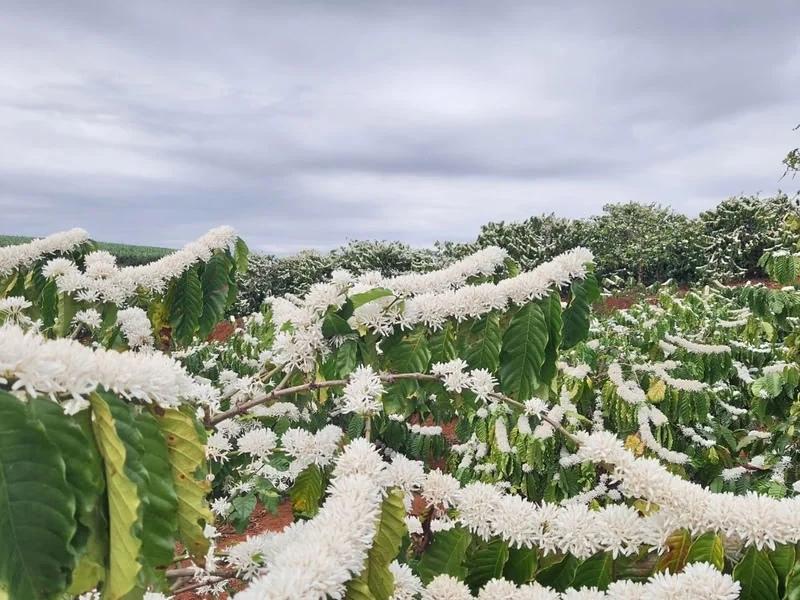
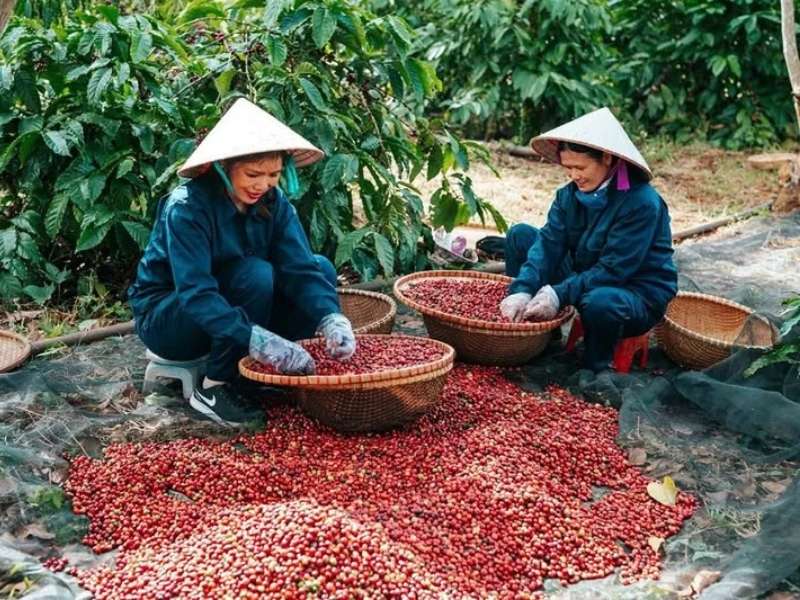
What you see on a coffee farm depends on the month: white blossoms from late February to April, green cherries in June, and the harvest from November to January. Robusta dominates the region, as the owner of a family farm told our guides. Several farms, including Aeroco Farm in Ea Kao, welcome visitors.
Buon Ma Thuot robusta makes a strong, woody coffee that suits cà phê sữa đá, iced coffee with condensed milk. Arabica, lighter and more acidic, grows mostly at higher altitudes in Lam Dong and around Pleiku. At Aeroco Farm you learn how coffee is grown and processed, pick cherries in season and taste several specialty coffees. Each wave of blossom lasts only 7 to 10 days, so a two-day stay can fall between two flowerings.
Coffee's French roots
Coffee reached Vietnam in 1857, and cultivation officially began in 1888 with arabica brought in by the French. By the early 20th century, plantations had spread around Buon Ma Thuot as well. Arabica struggled with disease, and robusta, which copes better with drought and disease, eventually took over. Our guide to Vietnamese coffee explains the rest of the story.
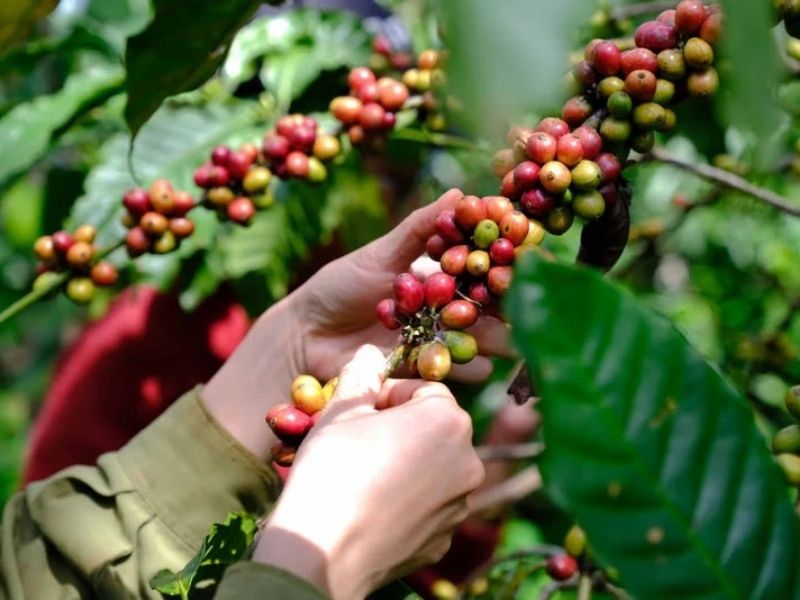
Outside the harvest there is nothing to pick. Bring a hat and insect repellent, and go early in the morning, when the light is softest.
World Coffee Museum
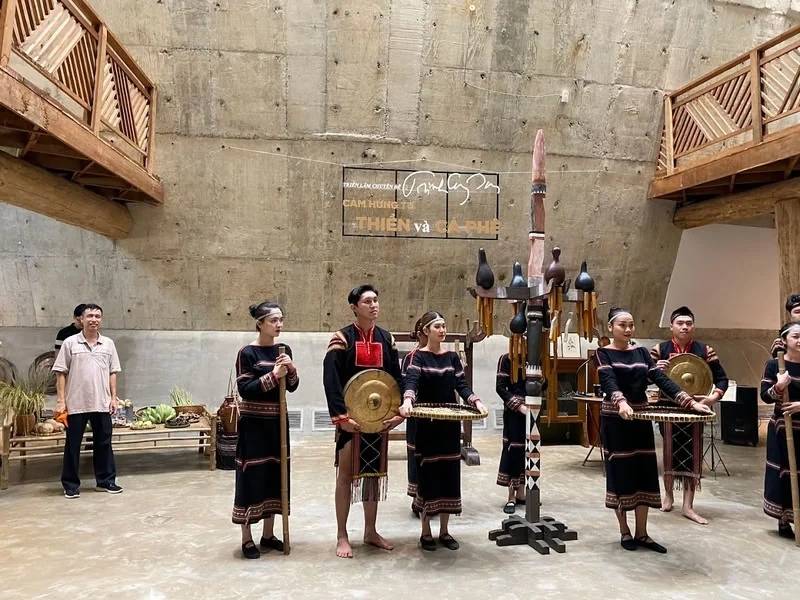
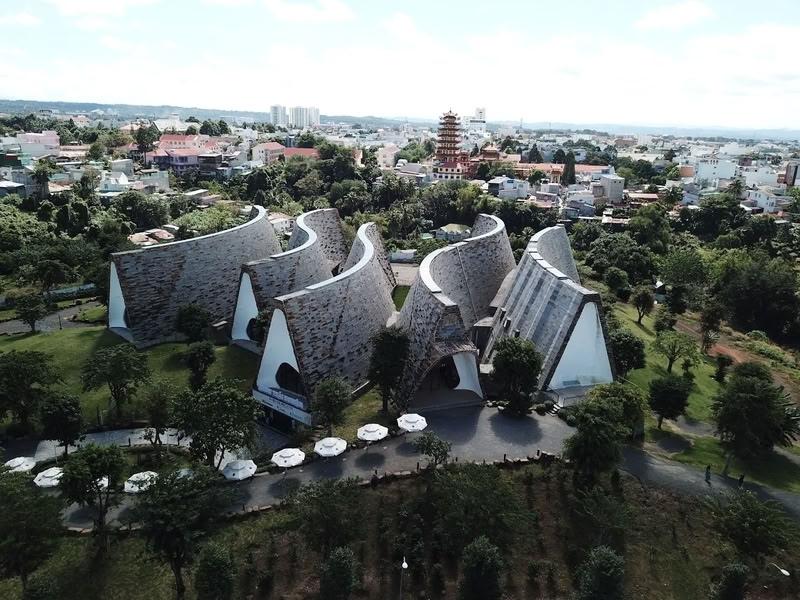
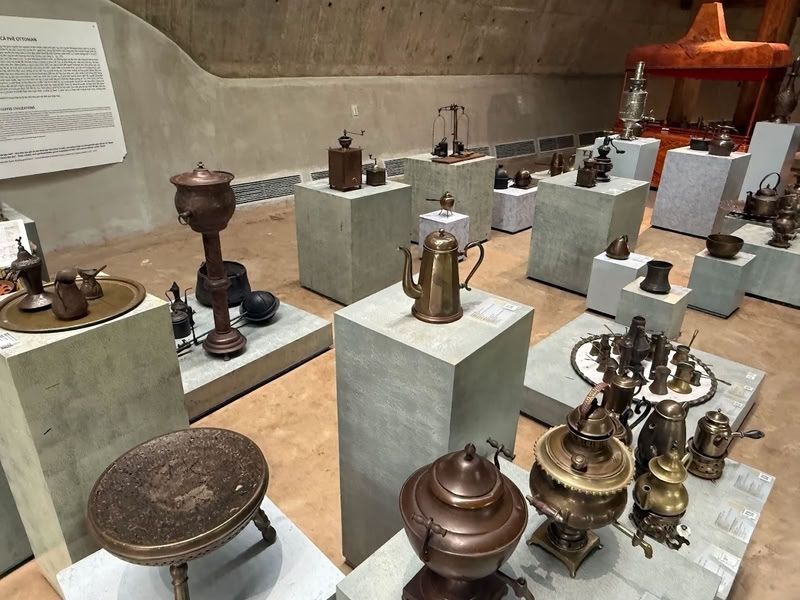
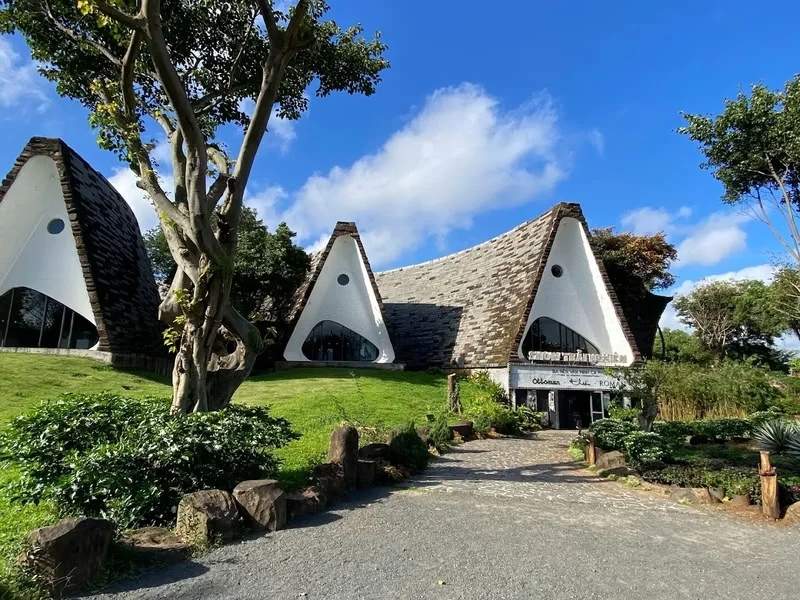
From the outside, the World Coffee Museum looks like an Ede longhouse rebuilt in black basalt stone. Allow more than an hour for the galleries, then stop for a tasting. The museum opens every day from 7 AM to 6 PM.
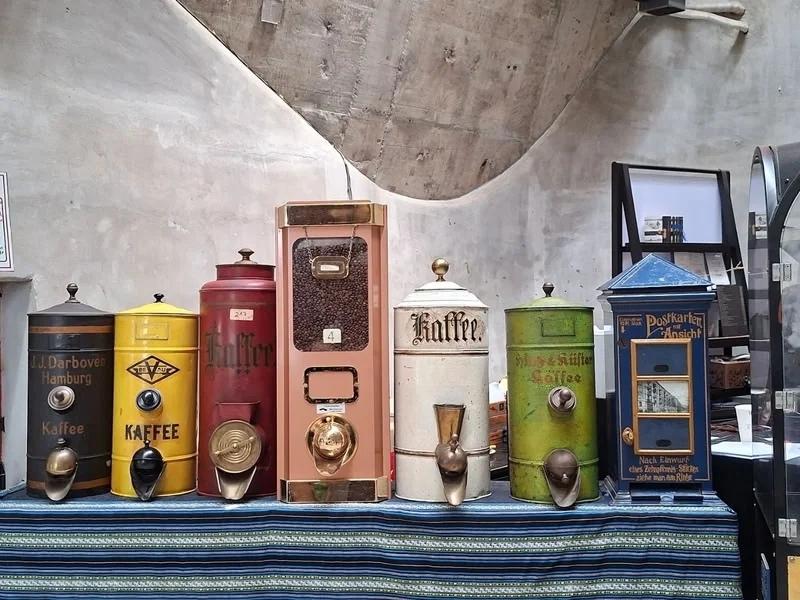
The museum holds more than 10,000 objects. Three collections cover the Ottoman, Roman and Zen coffee traditions, and there is also a Japanese-style Zen garden, brewing workshops and a library. The tasting room serves egg coffee, first a Hanoi specialty, and cà phê sữa đá. The museum belongs to the Trung Nguyen Legend group, whose shop sells its products.
A 90-minute show on the three coffee civilizations runs Monday to Saturday at 9 AM and 3 PM, with no performance on Sunday. The price and booking process are not published, so contact the museum before you go.
Yang Tao M’nong Pottery Village
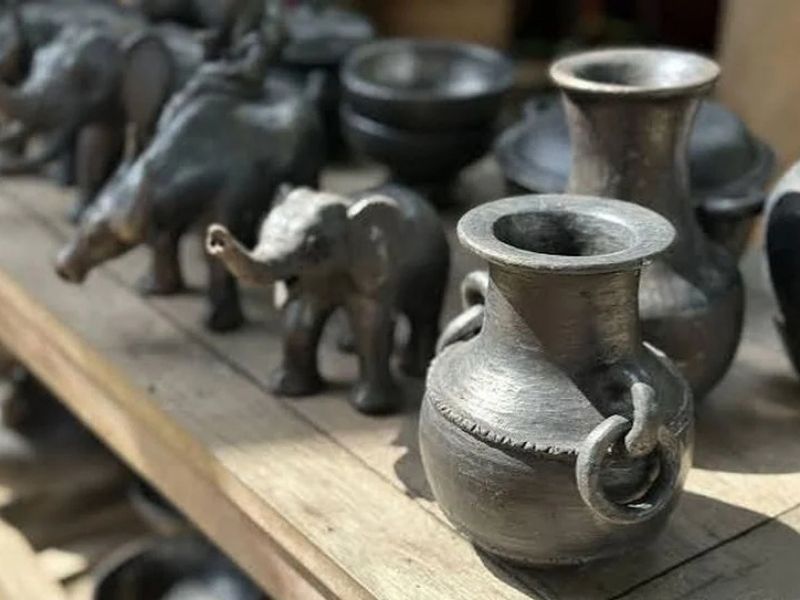
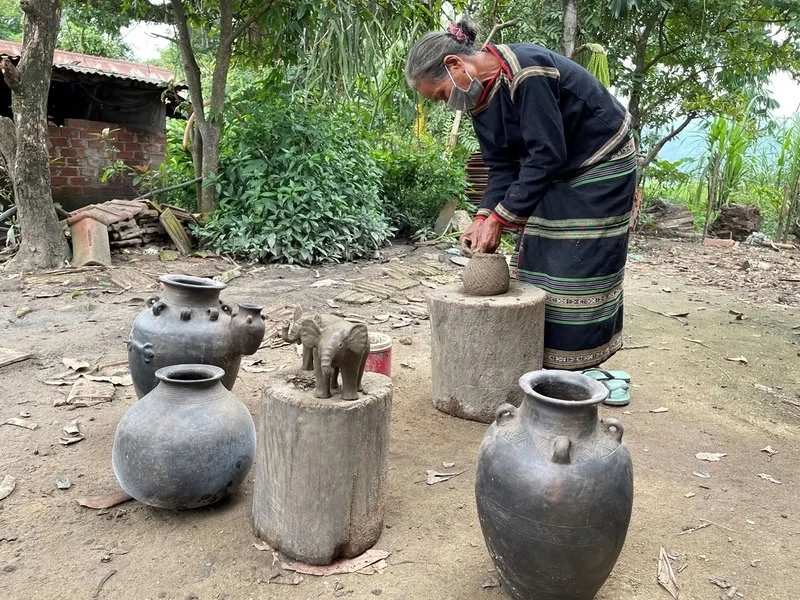
Yang Tao, near Lak Lake, keeps alive a M’nong R’lam pottery tradition shaped by hand without a wheel, listed as national intangible cultural heritage in late 2024. A potter can shape a pot in under 30 minutes. Firing takes place in the open air, for an hour or so, on a bed of wood, straw and rice husks.
The rare black clay comes from a field a few kilometers from Bim Bip Waterfall. After firing, rice husk ash spread over the still-hot pieces gives them their deep black color. These pots were made for cooking, storing water and fermenting rượu cần, rice wine drunk through bamboo straws, and today the potters also make figurines and souvenirs. The skill passes from mother to daughter, but it is fragile: the clay is getting scarce and young people are leaving for the cities.
At an introductory workshop, the pieces you shape are fired the next day and can be posted to you on request. Ask about shipping costs and packing before you book, because open-fired clay breaks easily in transit.
Dray Nur Waterfall
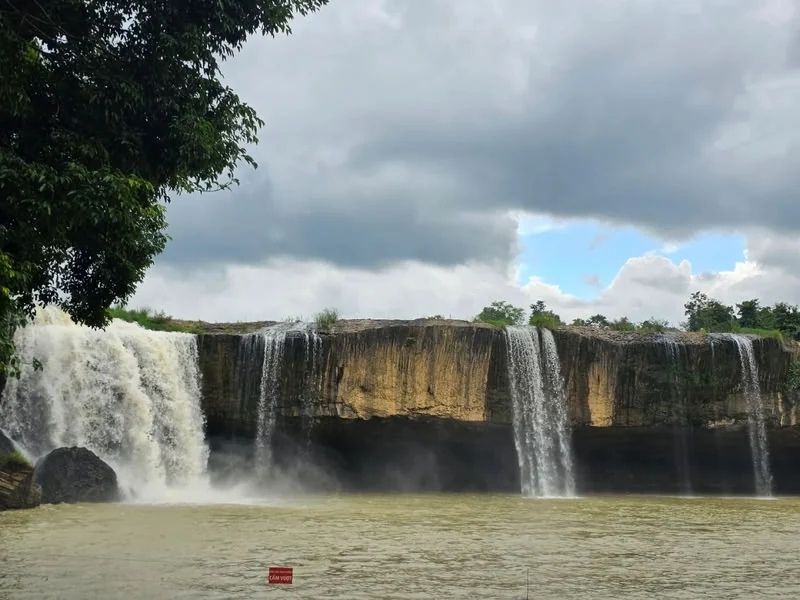
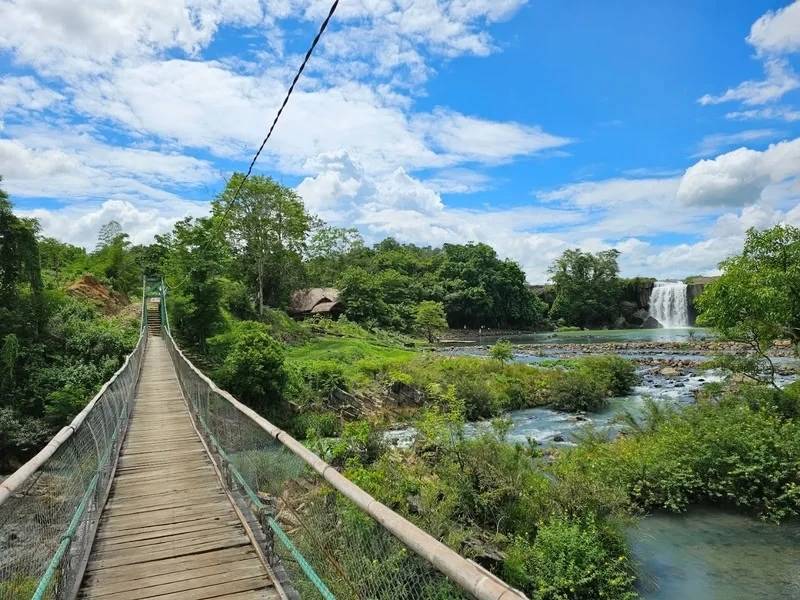
About 30 m high on the Serepok River, Dray Nur Waterfall lies 25 km from the city and opens from 6 AM to 6 PM. Behind the curtain of water, a cave of roughly 3,000 m² can be explored with a safety staff member and a flashlight.
A suspension bridge crosses the falls, and a small pebble beach allows swimming, as long as you follow the rules on site. A cafe and restaurant looks out over the water. The Serepok flows west into Cambodia before joining the Mekong. It runs strongest in the rainy season; in the dry season our guides see a lower flow, as a hydropower dam upstream diverts part of the water.
Arrive at least two hours before closing so you have time to go down into the cave, and bring a flashlight.
Lak Lake and the Dugout Canoe Ride
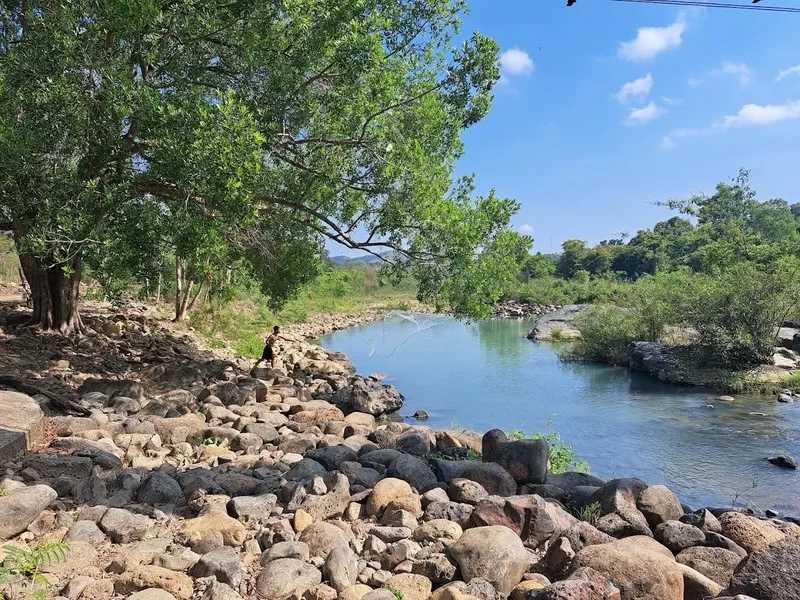
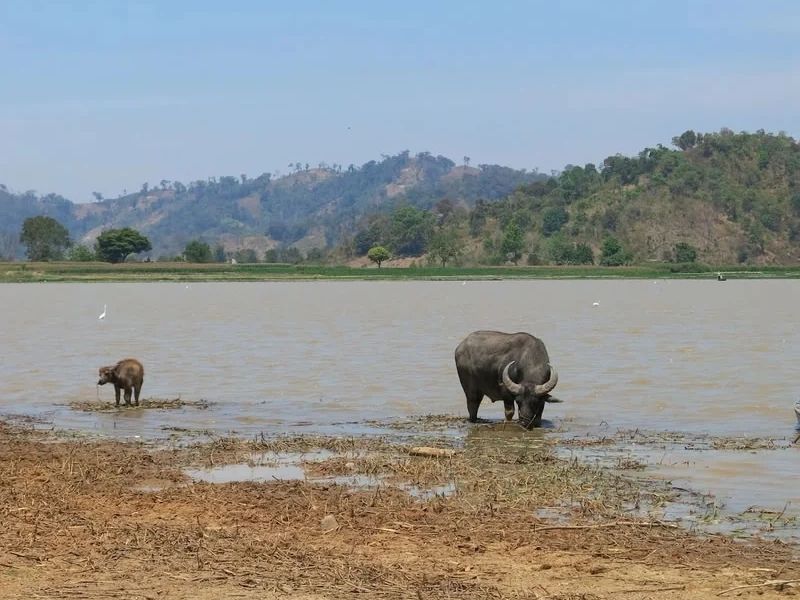
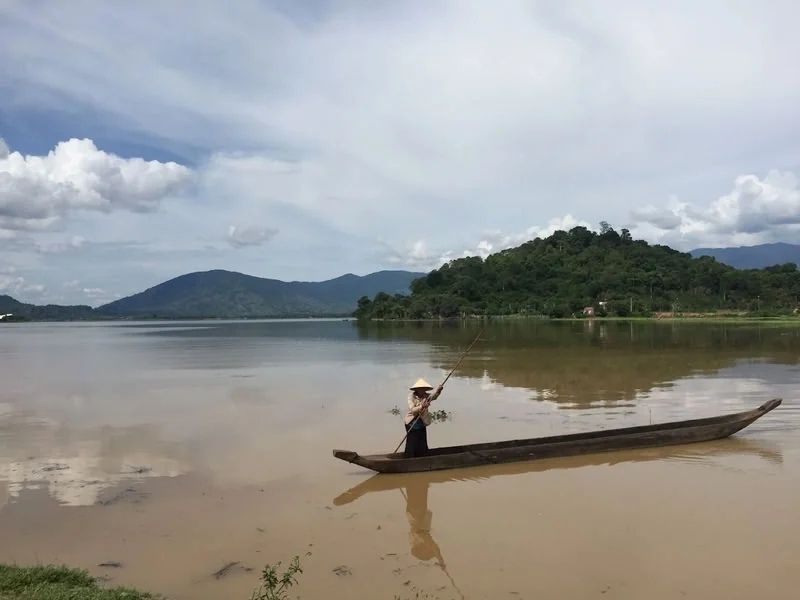
Lak Lake covers almost 500 hectares, 55 km from the city, and is the largest natural freshwater lake in the Central Highlands. A ride in a dugout canoe, carved from a single tree trunk, takes around 30 minutes. The lakeshore is an open area with no set hours.
Nationally, Lak Lake comes second only to Ba Be Lake. In Jun Village, our guides set off from a M’nong homestay. Their rower, an Ede woman, explained that original dugouts are becoming rare: many have split and been patched with glue or cement, and her children prefer motorbikes.
The former summer palace of Bao Dai, Vietnam's last emperor, looks over the lake. Be there around 4:30 PM for the sunset. Entry was 10,000 VND ($0.40) at the rate announced in 2024. The lake lies on the road to Dalat via Route 27.
Elephants and Responsible Travel
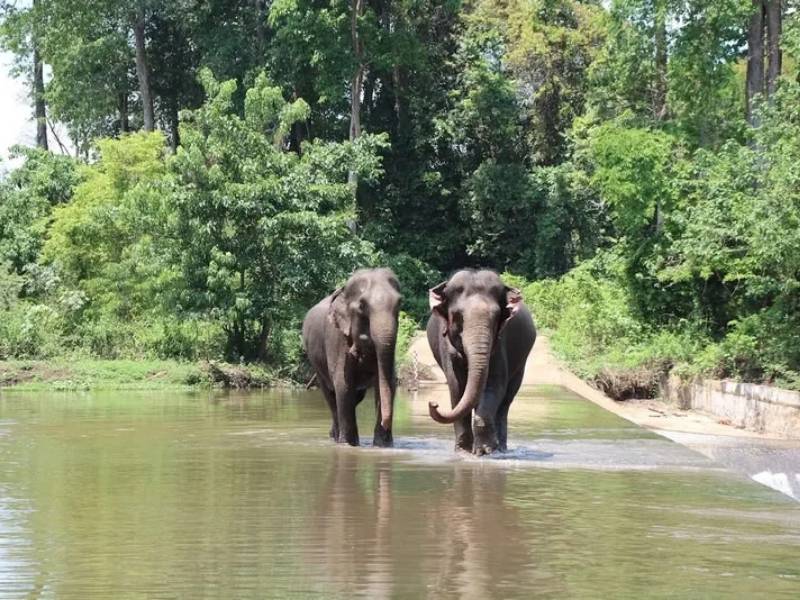
Elephant rides ended in Yok Don National Park in July 2018 and in Buon Don in February 2023, where they were replaced by photo sessions next to the animals. In 2023, the province had 37 domestic elephants. Watching them from a distance remains the most respectful choice.
In Jun Village, our guides came across an elephant more than 40 years old in an enclosure. Villagers explained that the elephants worked hard in the past and that their presence is now mostly symbolic. It is better not to ride or bathe them, and simply to watch. The coffee festival has also dropped its elephant races, bathing and football matches.
Kampá Tour does not include elephant rides in its itineraries and recommends watching elephants only from a distance. To see elephants without riding them, Yok Don has offered distance viewing since 2018. For a stay without elephants, the coffee farm, the museum and the pottery village easily fill two days. Whoever you book with, ask which animal activities are on the program before you pay.

Meeting the Ede and M’nong Communities
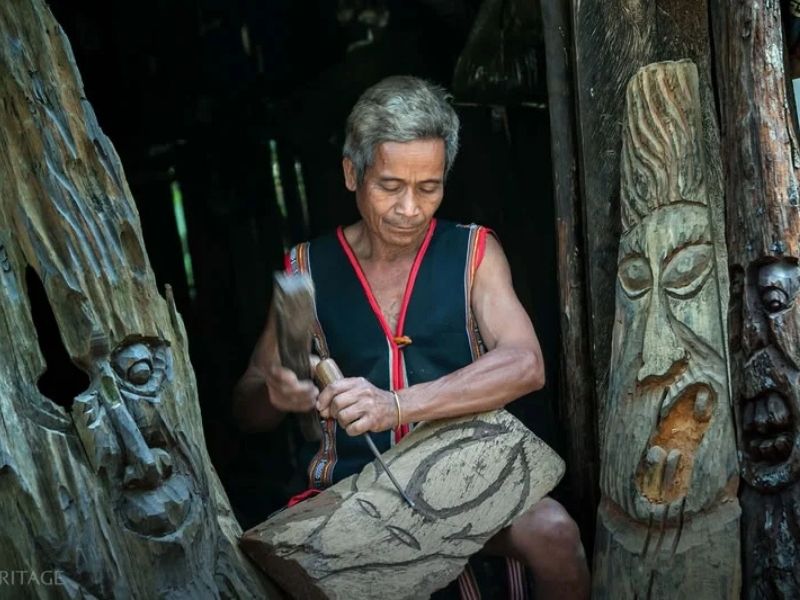
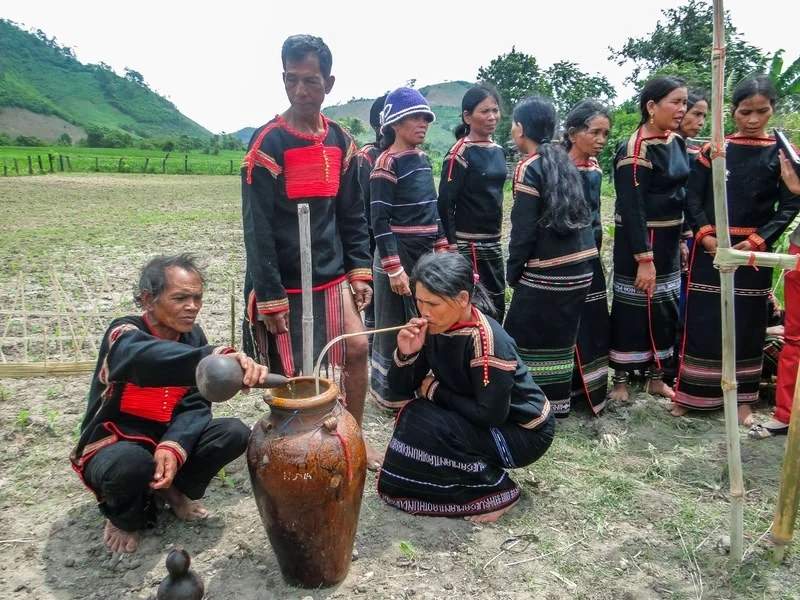
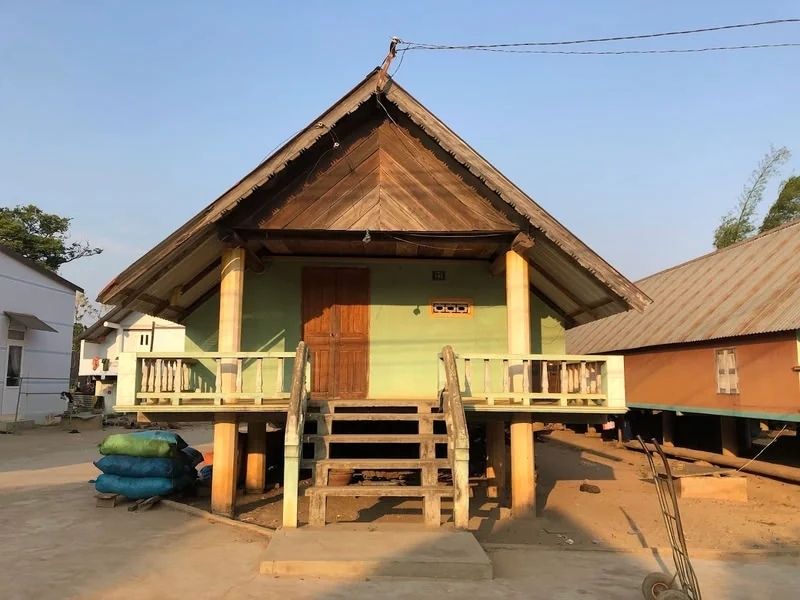
The Ede and M’nong live around Buon Ma Thuot and Lak Lake, in longhouses raised on stilts. A respectful visit comes down to a few simple gestures: ask before taking photos, accept rượu cần with a small sip, and follow the lead of the head of the house.
Rượu cần is a fermented rice wine shared from a large jar through bamboo tubes. The first sip is offered to the spirits. Sharing the jar is a sign of trust, and refusing without explanation can be taken as rejection. If you do not drink alcohol, say so politely and give the reason, or take a small sip before passing the tube. The host adds water to the jar; guests never touch it.
The gong culture of the Central Highlands, inscribed by UNESCO as intangible heritage of humanity in 2008, belongs to 17 communities. Gongs accompany ceremonies, from rice blessings to funerals, and mark a family's standing. Always ask before photographing a person or a ceremony.
More to See in the City
Between the bigger trips, the city has a handful of sights worth half a day, all a short taxi ride from the center. None needs more than an hour, so they fit well around a late arrival or a rainy afternoon.
- Trung Nguyen Coffee Village (163 Ly Thai To): a landscaped garden complex rather than a real village, with old-style Hue houses serving coffee, a garden of coffee trees more than 30 years old and a small highlands ethnography display. It opens from 7 AM to 10 PM, and you pay only for what you order.
- Dak Lak Museum (12 Le Duan): the best introduction to the province, with galleries on nature, Ede, M’nong and Jarai life, and local history. It opens Tuesday to Sunday, roughly 7:30 AM to 4:30 PM, and an adult ticket costs around 30,000 VND ($1.10).
- Khai Doan Pagoda: built in 1951 in the style of Hue's royal architecture, it is the largest pagoda in the province and free to visit. Dress with shoulders and knees covered.
- Victory Monument: the tank on a pedestal at the central roundabout marks the March 1975 battle that opened the final offensive of the war. It is a landmark rather than a visit, best seen in passing.
- Ako Dhong Village: an Ede village about 2 km from the center, with longhouses on stilts still lived in. Walk quietly and ask before photographing people or homes.
What to Eat in Buon Ma Thuot
In 2026, National Geographic named Buon Ma Thuot one of 15 food destinations in its Best of the World list, largely for its coffee culture. Beyond the cup, the city has a few dishes you will struggle to find elsewhere in Vietnam.
- Bún đỏ: the local noodle soup, with a red broth, crab paste and quail eggs, sold mostly in the evening.
- Bánh ướt gà: soft rice sheets served with poached chicken, herbs and a tangy dipping sauce, a typical Buon Ma Thuot breakfast.
- Gà nướng and cơm lam: grilled free-range chicken with sticky rice cooked in bamboo tubes, a pairing from the Ban Don area that many city restaurants serve.
- Bò nhúng me: thin slices of beef dipped at the table in a sweet and sour tamarind broth, eaten with bread and fresh greens.
- Cà phê sữa đá: the city's robusta at its most familiar, strong and sweet over ice; order it anywhere and you are drinking coffee grown a few kilometers away.
Planning Your Trip to Buon Ma Thuot in 2026
Five decisions shape a stay here: prices, season, access, where to sleep and the mistakes to avoid. The dry season, from November to April, keeps the rain away, at the cost of a thinner waterfall. Prices in this guide were checked in October 2026.
Buon Ma Thuot Ticket Prices and Opening Hours in 2026
An adult ticket to the World Coffee Museum costs 150,000 VND ($5.70) and one to Dray Nur Waterfall 50,000 VND ($1.90), at prices checked in October 2026. The combo ticket for both, sold at the counter, costs 180,000 VND ($6.90), a saving of 20,000 VND ($0.80).
| Ticket (VND) |
Child 6 to 12 |
Adult under 60 |
Adult over 60 |
Dak Lak resident |
| World Coffee Museum |
40,000 ($1.50) |
150,000 ($5.70) |
75,000 ($2.90) |
90,000 ($3.40) |
| Dray Nur Waterfall |
30,000 ($1.10) |
50,000 ($1.90) |
50,000 ($1.90) |
50,000 ($1.90) |
| Museum and waterfall combo |
65,000 ($2.50) |
180,000 ($6.90) |
115,000 ($4.40) |
130,000 ($5.00) |
The Dray Nur ticket has risen from 30,000 VND to 50,000 VND, so always check the price on the board. The price for children under 6 is not listed. The museum opens from 7 AM to 6 PM, Dray Nur from 6 AM to 6 PM, and Lak Lake is an open area with no set hours.
Best Time to Visit Buon Ma Thuot
The best time to visit Buon Ma Thuot is from November to April, during the dry season, with daytime highs of 26 to 33 °C. From May to October it rains on 16 to 24 days a month, and August and September each get more than 300 mm. The coffee trees flower from late February to April.
| Month |
Avg. high (°C) |
Rain (mm) |
Rainy days |
What to know |
| January |
27.1 |
5.2 |
1.6 |
Dry season, end of the harvest |
| February |
29.6 |
3.8 |
0.8 |
First coffee blossoms late in the month |
| March |
32.0 |
24.1 |
3.4 |
Coffee blossoms; main coffee festival events planned in 2027 |
| April |
33.3 |
84.3 |
7.8 |
Last blossoms, first showers; festival due to close on April 4, 2027 |
| May |
31.8 |
233.6 |
18.5 |
Start of the rainy season |
| June |
29.9 |
245.1 |
21.2 |
Green coffee cherries on the trees |
| July |
29.2 |
253.7 |
23.4 |
Showers usually in the afternoon |
| August |
29.0 |
309.8 |
24.2 |
Wettest month, with September |
| September |
28.9 |
311.4 |
23.2 |
Wettest month, with August |
| October |
28.4 |
198.8 |
15.7 |
Rain easing off |
| November |
27.2 |
100.3 |
10.6 |
End of the rains, waterfall still full, harvest begins |
| December |
26.2 |
26.4 |
5.8 |
Dry season, harvest |
If you come in July or August, showers usually fall in the afternoon: plan the waterfall and the lake for the morning, and keep the museum, the pottery workshop and the coffee farm for the afternoon. Our guide to the Vietnam rainy season covers the rest of the country.
Buon Ma Thuot Coffee Festival 2027: Planned Dates and Program
The 10th Buon Ma Thuot Coffee Festival is planned from December 15, 2026 to April 4, 2027, with the main events in March and early April, according to provincial plans announced in October 2026. The opening ceremony is planned for March 8, 2027, on 10 March Square. These dates are provisional.
The announced program includes a street festival, a Vietnamese specialty coffee week with a food tour, an international conference presenting the city as the world's robusta capital, a trade fair, an open-air show about longhouses and the opening of a coffee street. Events also extend to Buon Don, Lak Lake, Ea Kao Lake and, in the east of the province, Tuy Hoa.
The festival has been held every two years since 2023, and the 9th edition ran from March 9 to 13, 2025. The program is still a draft, so confirm the dates before you book flights.
How to Get to Buon Ma Thuot
Buon Ma Thuot Airport is 8 km from the center, or 15 to 20 minutes by taxi. Flights take around 1 hour 45 minutes from Hanoi and 1 hour from Ho Chi Minh City, with Vietnam Airlines and Vietjet. By road, the bus from Ho Chi Minh City takes 8 hours or so.
From Dalat, the bus takes around 4 hours on Route 27, which passes Lak Lake. From Kon Tum, allow 200 km and 4 to 5 hours on Route 14, via Pleiku. Around town, taxis, ride-hailing apps and a car with driver link the center with the waterfall and the lake.
Where to Stay in Buon Ma Thuot
Stay in the center for your first and last nights: it is 8 km from the airport and close to restaurants, cafes and the museum. For sunrise or sunset on Lak Lake, a night by the water saves you the drive at dawn or dusk.
A M’nong homestay near the lake lets you stay with a local family, best arranged through your tour operator. A single base in the center is enough for the museum, the coffee farm and the waterfall, and saves repacking.
Mistakes to Avoid in Buon Ma Thuot
Most mistakes here are easy to avoid: arriving on a Sunday for the museum show, reaching the waterfall late in the day, paying for the canoe per person, doing Lak Lake and the waterfall on the same day, and visiting in August with no plan for rain.
- The museum show: there is no performance on Sunday, so check the day before you plan your visit.
- Waterfall closing time: Dray Nur closes at 6 PM; arrive at least two hours earlier.
- The canoe fare: 150,000 VND ($5.70) covers the whole boat for two passengers.
- The distances: the waterfall is about 25 km away and the lake about 55 km; split them over two days.
- August and September: these months get more than 300 mm of rain over 23 to 24 days; keep the museum and the pottery workshop as a rainy-day plan.
How Many Days Do You Need in Buon Ma Thuot?
One day in Buon Ma Thuot covers the coffee museum and Dray Nur Waterfall. Two days add Lak Lake and the pottery village. Three days leave time for a coffee farm and a slower pace. However long you stay, you will leave something out, so choose what matters most to you.
How Many Days for Your Pace
Count one night for each full day of sightseeing. One day feels busy, two feel comfortable and three feel slow, and the table shows what each choice includes and what it leaves out.
| Stay |
Pace |
Nights |
What you see |
What you leave out |
| 1 day |
Busy |
1 |
Museum in the morning, Dray Nur Waterfall in the afternoon |
Lak Lake, pottery village, coffee farm |
| 2 days |
Comfortable |
2 |
Museum and waterfall, then Lak Lake and the pottery village |
Coffee farm workshop, Buon Don, Yok Don |
| 3 days |
Slow |
3 |
Coffee farm, museum, waterfall, Lak Lake and the pottery village |
Buon Don, Yok Don, Pleiku, Kon Tum |
2-Day Buon Ma Thuot Itinerary
Two days are enough for four sights without rushing, if you leave out the coffee farm. Day one pairs the coffee museum with Dray Nur Waterfall, both covered by the combo ticket. Day two heads out to Lak Lake, then the pottery village.
- Day 1, morning: World Coffee Museum, with the 9 AM show from Monday to Saturday.
- Day 1, afternoon: lunch in town, then Dray Nur Waterfall, open until 6 PM.
- Day 2, morning: drive to Lak Lake, a canoe ride of about 30 minutes, then the pottery village.
- Day 2, late afternoon: Bao Dai's palace for the sunset, around 4:30 PM.
This itinerary leaves out the coffee farm workshop, Buon Don and Yok Don. If you are continuing to Dalat, make Lak Lake your last stop, since Route 27 runs past the lake.
3-Day Buon Ma Thuot Itinerary
A third day adds the coffee farm and a free half day, for a slow pace. Coffee fills the first day, the waterfall the second, and Lak Lake and the pottery village the third. It still leaves out Buon Don, Yok Don, Pleiku and Kon Tum.
- Day 1, morning: coffee farm, with cherry picking in season and a tasting.
- Day 1, afternoon: World Coffee Museum, with the 3 PM show from Monday to Saturday.
- Day 2, morning: Dray Nur Waterfall, before the afternoon showers.
- Day 2, afternoon: free time in the city's cafes.
- Day 3: Lak Lake and the canoe ride, the pottery village, then sunset near Bao Dai's palace, around 4:30 PM.
The Short Version
If you have to cut something, cut the coffee farm rather than rushing between Lak Lake and the waterfall. Kampá Tour designs private, tailor-made trips that include Buon Ma Thuot and the Central Highlands, and our travel consultants can help you find the right pace.
Frequently Asked Questions About Buon Ma Thuot
- Are museum and Dray Nur tickets refundable? Refund and exchange terms for the World Coffee Museum and Dray Nur Waterfall tickets are not published on the museum's website. Check with the museum before you go, especially for the combo ticket, which is sold at the counter.
- Can you pay by card in Buon Ma Thuot? Card payment is not confirmed at the sights in Buon Ma Thuot. Carry Vietnamese dong in cash for tickets, the canoe and meals, as Lak Lake is an open area where each service is paid on the spot.
- Is Buon Ma Thuot good for children? Buon Ma Thuot suits curious children, with short activities: the pottery workshop, the 30-minute canoe ride and cherry picking at a coffee farm in season. Long drives need breaks, as Lak Lake is about 55 km from the center. Check children's prices at each entrance.
- What is the difference between egg coffee and cà phê sữa đá? Egg coffee is coffee topped with a whipped egg cream so rich it tastes like dessert, and it was born in Hanoi. Cà phê sữa đá is strong coffee sweetened with condensed milk and served over ice, and it suits Buon Ma Thuot robusta well. The World Coffee Museum serves both.
- How much do entry fees cost for two days in Buon Ma Thuot? Entry fees for a two-day stay come to about 255,000 VND ($9.70) per adult under 60: 180,000 VND ($6.90) for the museum and waterfall combo, plus 75,000 VND ($2.90) for half of a canoe shared by two. This excludes meals, transport, pottery and the coffee farm.
- Should you book early for the 2027 coffee festival? Booking early is a good idea for the 2027 coffee festival: the province expects about 1.3 million visits between December 2026 and April 2027, most of them in March. Book flights and hotels as soon as the dates are confirmed, as the current schedule is still provisional.











 Our team

 Our team

 Our team

 Our team




 Other
 Add us as a preferred source