Hu Tieu: The Chewy Soul of Southern Vietnam (Beyond Pho)
Ask any traveler about Vietnamese food, and they’ll say "Pho." But ask a Saigonese what they actually eat for breakfast three times a week, and the answer is almost always Hu Tieu. It’s the unsung hero of the South, less about beef and herbs, and more about a clear, sweet pork broth and a satisfying "bite" that Pho just doesn't have. If you’re visiting Saigon or the Mekong Delta, this is the dish that will make you realize there is a whole world of noodles waiting for you beyond the tourist classics.
Written by Oliver PHUNG (Tour Guide)
Updated on Feb 05, 2026
0 comment
Oliver Phung is a Northern Vietnam-based tour guide and blogger. His favorite topics to write about include cuisine, culture, travel, and under-the-radar experiences. Oliver possesses a deep, detailed understanding of the region, from the indigenous culture of the Hmong in the Northwest to the highland lifestyle of the Tay in the Northeast. Whether he is exploring ancient architecture or geological landscapes, he is always eager to share his insights with his readers.
Beyond his work at Kampá Tour, he produces specialized travel content on platforms such as Reddit, Instagram, LinkedIn, and various other publications.
I get asked this on almost every tour: "Oliver, which one is better?" It’s a tough call. In Vietnam, this is the equivalent of asking an Italian to choose between Pizza and Pasta. While Pho is the world-famous "ambassador" of our cuisine, Hu Tieu is the daily workhorse that keeps Southern Vietnam running. If you’re torn between the two, here is how to tell them apart like a local.
Feature
Pho (The Northern Queen)
Hu Tieu (The Southern Soul)
The Broth
Beef or Chicken bones, heavy on charred ginger and star anise.
Pork bones, sweetened naturally with dried squid and daikon.
The Noodle
Soft, flat, and silky rice noodles (Banh Pho).
Thin, translucent, and extra-chewy (Hu Tieu Dai).
Main Protein
Beef (rare, brisket, meatballs) or Chicken.
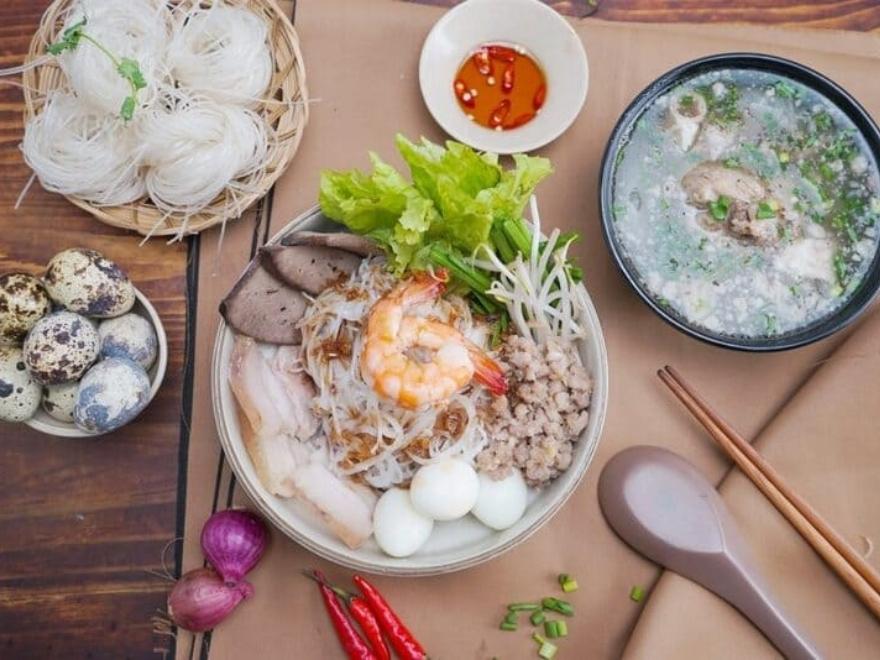
Pork slices, minced meat, shrimp, and quail eggs.
Eating Style
Always served as a soup.
Can be served Soup (Nuoc) or Dry (Kho).
Vibe
Fragrant, comforting, and "zen."
Punchy, savory, and full of textures.
It really comes down to what your taste buds are craving at the moment:
Choose Pho if: You want something aromatic and soothing. It’s the ultimate "hug in a bowl," perfect for a rainy morning or when you want those classic herbal notes of cinnamon and clove.
Choose Hu Tieu if: You’re a fan of textures. If you like noodles that "fight back" when you bite them (al dente) and a broth that tastes like the sea (thanks to the dried squid), Hu Tieu will be your new obsession. Plus, the "Dry" version is a total game-changer that you won’t find in a Pho shop.
💡 Oliver’s Insider Tip: Locals in Saigon often pick Hu Tieu for a quick late-night meal because it feels "lighter" on the stomach than a heavy beef Pho. If you see a place serving "Hu Tieu Mi," that is a hybrid move, half chewy rice noodles, half yellow egg noodles. It’s my personal favorite for a double-texture hit!
The Roots: From Teochew Immigrants to Mekong Delta Flavor
Hu Tieu (pronounced hu-tiu) originates from the Teochew language, reflecting its Chinese ethnic roots. While often associated with Cambodia, the dish was actually established by Chinese immigrants in Phnom Penh before migrating to Southern Vietnam in the 1930s.
The most significant evolution occurred when the dish reached the Mekong Delta. Vietnamese locals adapted the original soft, flat Chinese noodles (Hu Tieu Mem) into a version that better suited the regional palate: Hu Tieu Dai.
"Hu tieu dai" is softer and more tender than the original "hu tieu" noodles
About Hu Tieu:
The Texture: Unlike the original slippery Chinese style, Hu Tieu Dai is made from local rice, resulting in a thinner, chewier, and al dente texture.
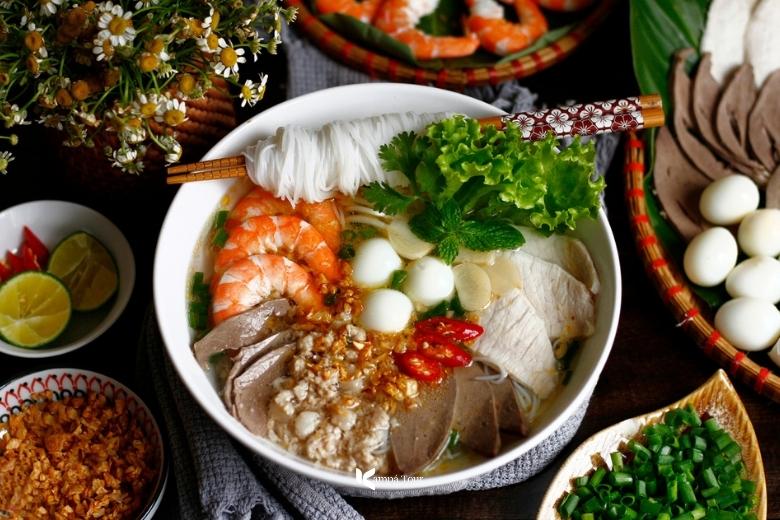
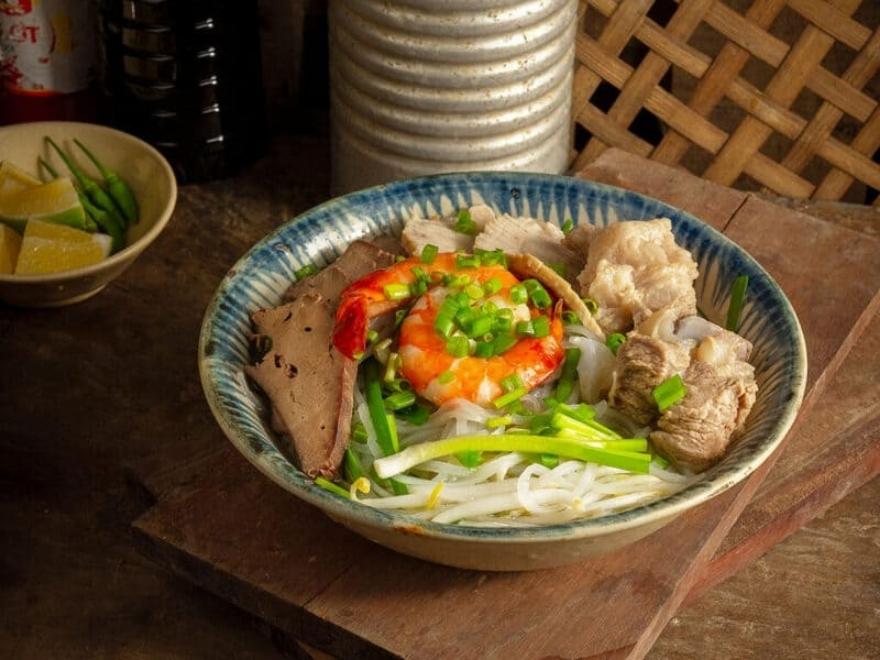
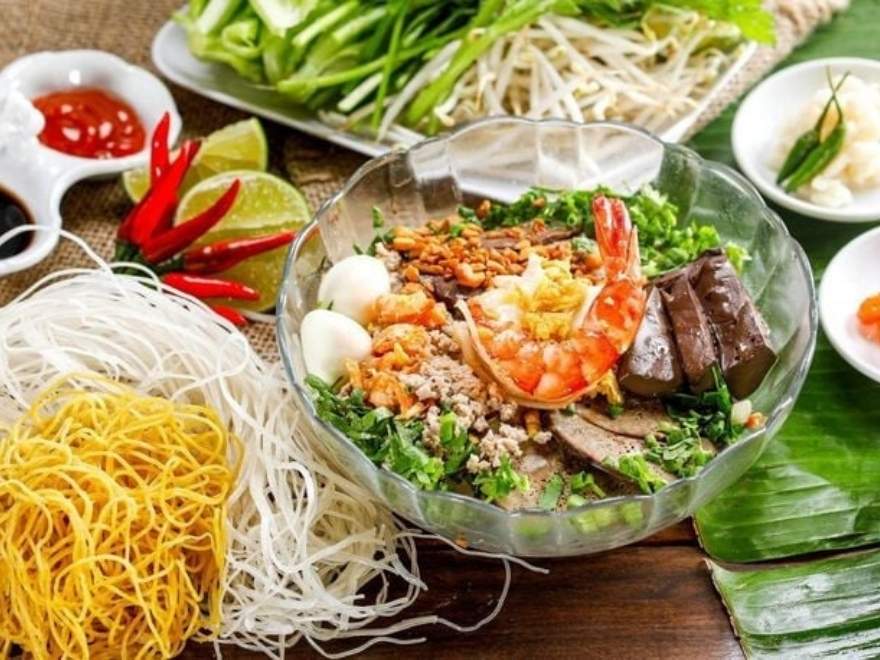
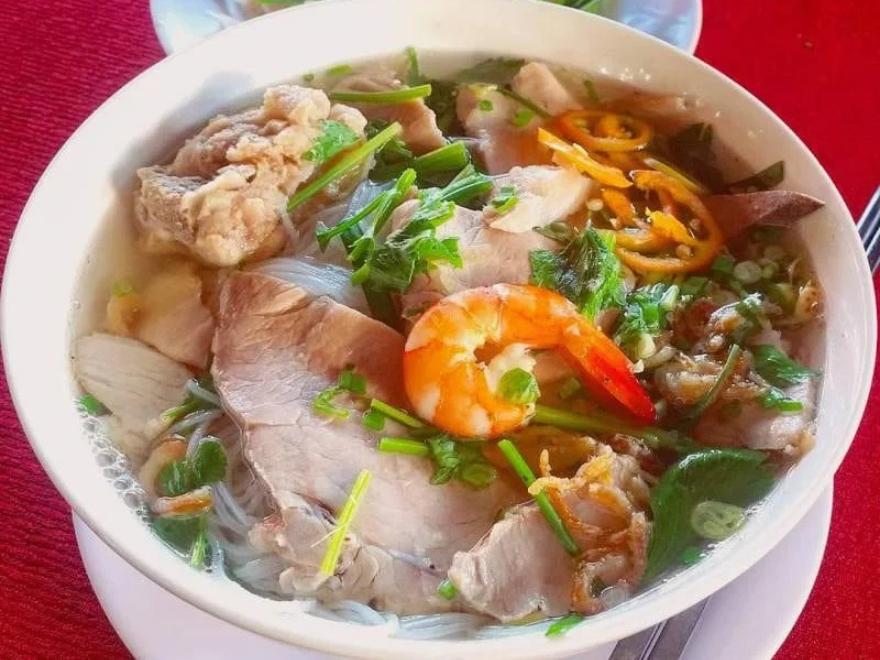
The Ingredients: A standard bowl is a complex assembly of pork bone broth, shrimp, minced meat, and quail eggs, garnished with fresh lettuce, bean sprouts, and chives.
💡 Oliver’s Insider Fact: The 1930s was the "Golden Age" of cultural exchange in the Indochina region. This is why you’ll find Hu Tieu sharing DNA with Cambodian Kuy Teav, but with a distinct Vietnamese "chewy" soul.
The ingredients of a bowl of oyster are very diverse
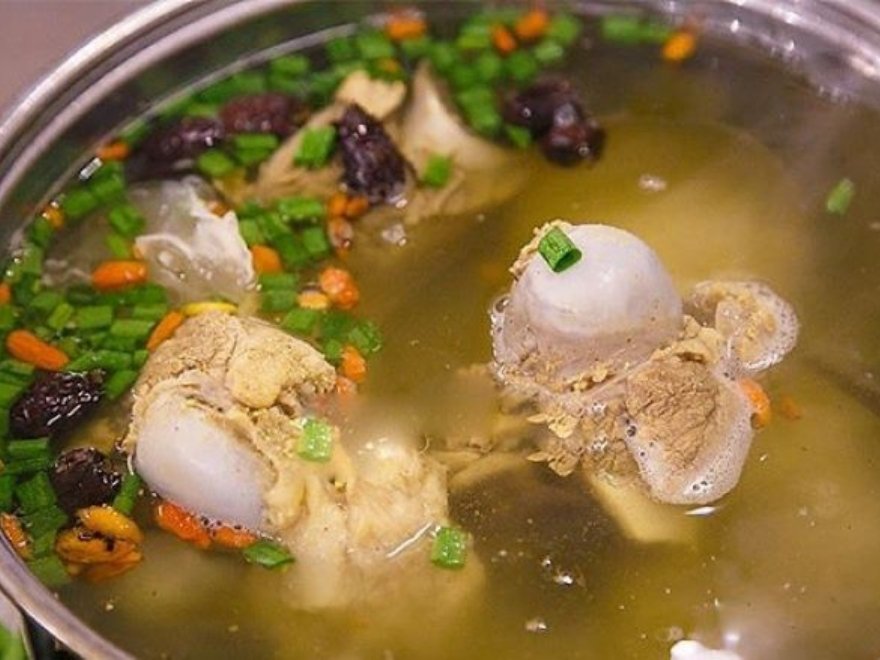
The Secret of the Broth: Dried Squid & Umami Flavor
If you ask a street vendor in Saigon why their Hu Tieu tastes so much "deeper" than a standard soup, they might just give you a mysterious smile. The truth is, while Pho relies on the heavy aroma of charred ginger and cinnamon, a great Hu Tieu broth is a masterclass in clean, marine-infused sweetness. It’s not just about boiling pork bones for hours; it’s about a specific layer of flavor that we locals call "Umami from the sea and the earth."
The real magic happens with the addition of Dried Squid (Mực khô). Before being tossed into the giant simmering vat, these squids are lightly toasted over an open flame until they become fragrant and slightly charred. This isn’t just for show; the toasted squid releases a concentrated, salty sweetness that rounds out the richness of the pork bone marrow. It creates a "marine" backbone for the soup that makes it incredibly addictive without being heavy.
To balance this savory depth, Southern cooks skip refined white sugar and reach for Rock Sugar (Đường phèn). Unlike regular sugar, which can leave a sticky, cloying aftertaste on the tongue, rock sugar provides a "mellow" and "clean" sweetness. It brightens the broth and highlights the natural flavors of the daikon and onions. When you sip a bowl of Hu Tieu at a Kampá-recommended stall, that refreshing, lingering sweetness you feel at the back of your throat? That is the work of the rock sugar.
Finally, the clarity of the soup is a point of pride. A professional broth must be as clear as a mountain spring, achieved by constant skimming and a very gentle simmer. It’s a patient process that turns humble ingredients like pork neck bones and dried seafood into a liquid gold that defines the culinary identity of Southern Vietnam.
"Dai" - Understanding the Iconic Chewy Noodle Texture
One word you’ll hear constantly at any Southern noodle stall is 'Dai' (pronounced like die). To locals, this isn't just a translation for "chewy"; it’s a badge of culinary quality. Pho is famous for those soft, silky rice ribbons that almost melt away, but Hu Tieu is built entirely on the "snap." This addictive texture is the dish’s true USP, giving it a playful character that keeps you coming back for another bowl.
Tapioca starch (Bột lọc) is the secret ingredient behind that signature bounce. Southern noodles aren't just plain rice flour; they are blended with high-grade tapioca to make them translucent, resilient, and most importantly, al dente. Western travelers often compare the sensation to a perfectly cooked Italian pasta. It’s that satisfying resistance where the noodle "fights back" just enough when you bite into it, ensuring the dish never feels heavy or soggy.
Regional Variations: Nam Vang, My Tho, and Sa Dec Style
If you travel from the busy streets of Saigon down to the quiet riverside towns of the Mekong Delta, you’ll realize that Hu Tieu changes as much as the scenery. Locals are very protective of their regional styles, some focus on the sweetness of the broth, while others are obsessed with the "bite" of the noodle.
Hu Tieu Nam Vang (Phnom Penh Style) – The Saigon Classic
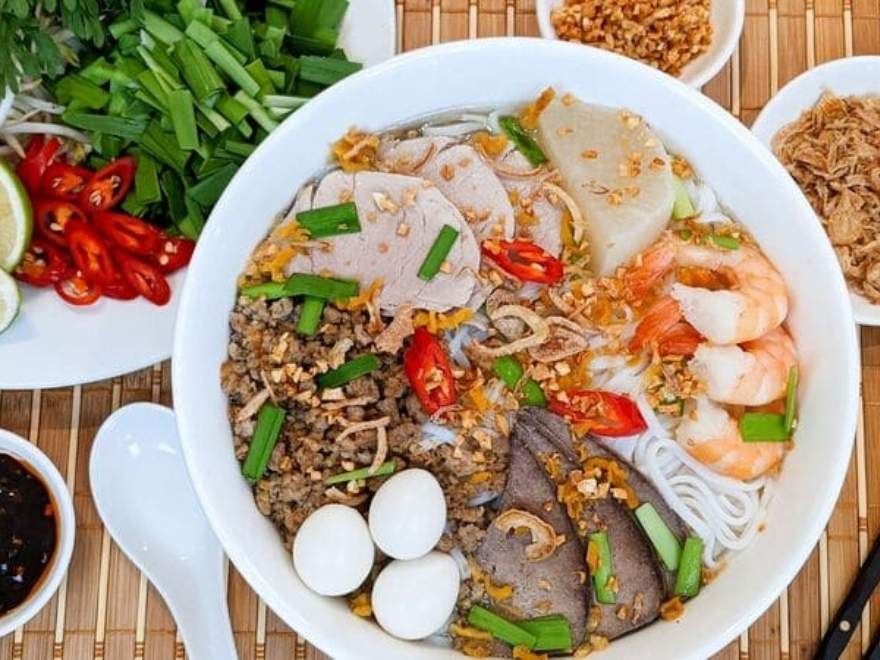
This is the "everything" bowl. It’s a melting pot of Chinese, Cambodian, and Vietnamese flavors that has become the soul of Saigon’s breakfast culture.
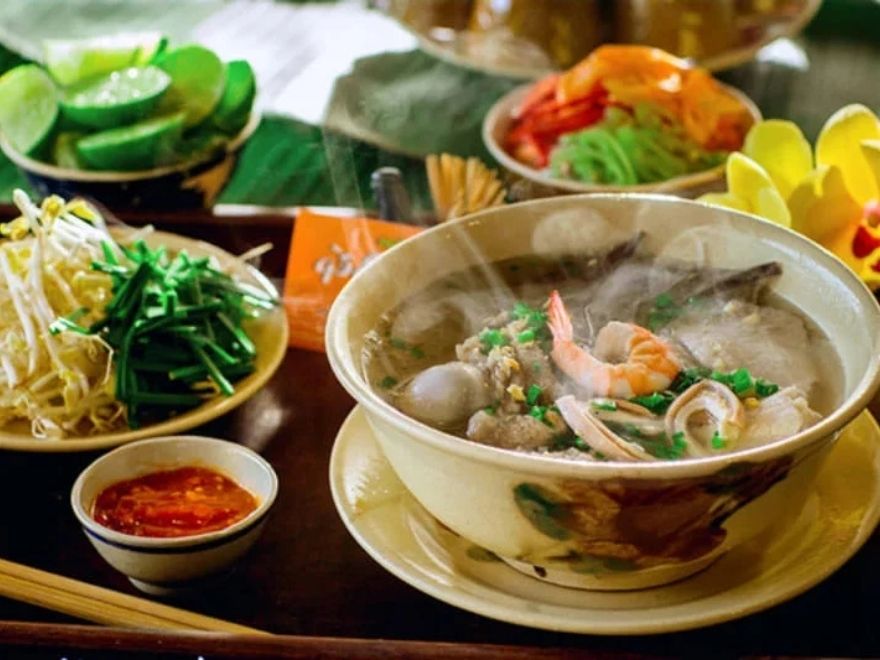
What’s inside: It’s a busy bowl! You’ll find minced pork, whole shrimp, quail eggs, and slices of pork liver.
The Vibe: The broth is light, clear, and has a rich aroma from roasted garlic and shallots.
Oliver’s Tip: For the most authentic experience, look for "Hu Tieu Go" at night. Just follow the rhythmic clack-clack sound of wood blocks echoing through the alleys, that’s the signal of a mobile cart serving the city's favorite late-night comfort food.
Hu Tieu Nam Vang is one of the famous Hu Tieu types in Ho Chi Minh City
Fancy a bowl of Hu tieu Nam Vang? Try it once at these renowned restaurants, loved by locals:
Hu Tieu Nam Vang Nhan Quan: 122D Cach mang thang 8, Ward 7, District 3
Hu Tieu Nam Vang Hong Phat: 389-391 Vo Van Tan, Ward 5, District 3
Hu Tieu Nam Vang Thanh Dat: 34 Co Bac, Cau Ong Lanh District, District 1
Usually, next to a bowl of Hu Tieu Nam Vang, there will usually be a bowl of "xi quach"
Hu Tieu My Tho – The "Chewy" Noodle King
About two hours south of Saigon lies My Tho, a city that takes its noodle texture very seriously. If you hate soggy noodles, this is your place.
The Secret: They use a specific local rice variety and sun-dry the noodles to get that perfect "Dai" (chewy) texture. It’s very al dente and stays firm even in steaming hot soup.
The Taste: The broth here has a deep "marine" sweetness because they simmer the pork bones with dried squid and dried shrimp.
Don't Miss: Ask for Hu Tieu Satay. It has a thick, peanut-infused coconut broth that is warm, buttery, and unlike anything else in the Delta.
Hu tieu satay My Tho
Hu Tieu Sa Dec – The Kingdom of "Dry" Noodles
In the peaceful flower village of Sa Dec, the noodles undergo another transformation. Here, they are wider, clearer, and a bit more tender.
The Specialty: Sa Dec is famous for Hu Tieu Kho (Dry Style). Instead of being submerged in soup, the noodles are tossed in a signature thick, dark, savory-sweet soy glaze.
The Garnish: It’s traditionally served with fresh celery and edible chrysanthemum (Tan O), giving it a floral freshness that matches the town’s famous gardens.
The Texture: These transparent noodles are perfect for "gripping" the thick sauce, making every bite incredibly flavorful.
A bowl of "hu tieu Sa Dec"
💡 Oliver’s Insider Tip: Most travelers default to the soup version because it’s what they know.But in the Mekong Delta, ordering it "Dry" is the pro move. You get the noodles coated in that rich, concentrated sauce, and a small bowl of piping hot broth on the side to cleanse your palate. It’s the best of both worlds!
Soup or Dry (Hu Tieu Kho)? How to Eat Like a Local
When you sit down at a busy stall in Saigon, the vendor will likely ask you one thing before you even put your bag down: "Nuoc hay Kho?" (Soup or Dry?). While a steaming bowl of soup is the classic choice, if you want to eat like a local, go for the Dry version (Hu Tieu Kho).
The "Two-Bowl" Ritual
In the South, we love the dry version because it’s like getting two meals for the price of one. Here is how the ritual goes:
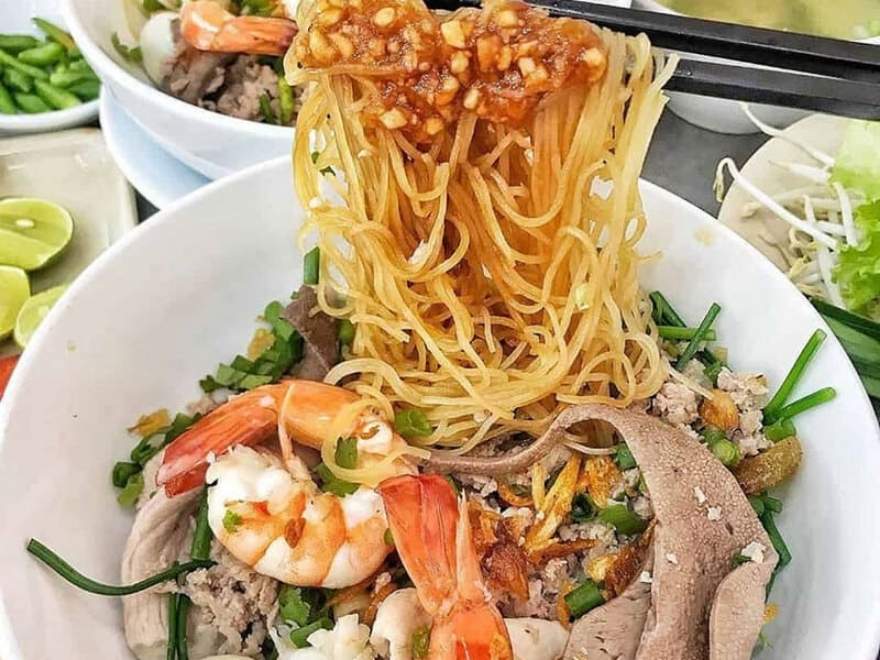
The Glossy Bowl: You get a bowl of noodles tossed in a punchy, thick soy-based sauce. Because there’s no broth to dilute it, the flavor is concentrated, and you can really feel that chewy, al dente texture of the noodles.
The Sidekick: A small bowl of steaming broth arrives on the side. We usually slurp this separately to appreciate the clean, sweet umami of the pork bones and dried squid.
How I usually eat it: Give the noodles a good toss so every strand is coated in that dark sauce. Take a bite of the noodles, then a spoonful of the broth. It’s the perfect balance.
Hu Tieu Kho (Hu Tieu dried) is one of the types of noodles for people who don't like to eat soups
Navigating the Menu (Without the Stress)
Local stalls can be a bit chaotic, but don't let that scare you. Here are three things I always tell my guests to make them feel like pros:
The "Internal Bits" (Offal): Authentic Hu Tieu usually comes with sliced pork heart or liver. If that’s not your thing, just say "Khong noi tang" (No offal). They will just give you more pork meat or shrimp instead, no big deal!
Fresh vs. Blanched Herbs: You will get a giant plate of greens (lettuce, chives, bean sprouts). If you have a sensitive stomach, don't eat them raw. Ask for "Rau chần" (blanched). The cook will dunk them in boiling water for a few seconds, it's safer and easier to eat.
The DIY Sauce Station: Every table has a tray of condiments. Don't skip the lime, the acidity is what cuts through the richness of the pork. And if you see a jar of pickled garlic, add a few slices. It’s the "secret weapon" for that extra kick.
💡 Oliver’s Insider Tip: Here’s my personal move: squeeze the lime directly onto the dry noodles before mixing, not into the soup. Then add a tiny bit of the chili sauté (Sa Te). It creates this incredible sweet-sour-spicy glaze that you just can't find in a bowl of Pho.
Is Hu Tieu Gluten-Free?
Finding safe, gluten-free meals while traveling is a top priority for many of my guests, and fortunately, Hu Tieu is one of the safest bets in Southern Vietnam. Most of the "tourist anxiety" around noodles comes from wheat-based pasta, but the iconic chewy strands of Hu Tieu are naturally wheat-free.
The resilient texture we love comes from a simple blend of rice flour and tapioca starch, both of which are 100% gluten-free. Unlike yellow egg noodles (Mi) or heavy wheat-based Ramen, these translucent noodles won't trigger a gluten sensitivity. However, being a savvy traveler means looking past just the noodles. The clear broth is generally safe, but for the Dry Style (Hu Tieu Kho), you should be aware that the dark tossing sauce often contains soy sauce, which may have trace amounts of wheat. Another hidden culprit can be the crispy fried shallots; while they are usually just shallots and oil, some commercial brands use a light dusting of flour to keep them crunchy.
For those with high sensitivity, the best move is to order Hu Tieu Nuoc (Soup) and ask for no soy sauce. You can use the phrase "Di ứng bột mì" (wheat allergy) to give the vendor a heads-up.
Plant-based travelers will also find plenty to love here. Hu Tieu Chay (Vegan Style) is a staple in Southern Vietnam, especially during the first and fifteenth of the lunar month. Instead of pork bones, the broth is a light, fragrant simmer of carrots, daikon, and mushrooms. These bowls are typically loaded with fried tofu, earthy shiitakes, and plenty of fresh herbs. It’s a clean, vibrant alternative that proves you don't need meat to enjoy the deep umami of the Mekong Delta.
Authentic Hu Tieu Recipe: Step-by-Step Guide
While nothing beats a bowl enjoyed on a plastic stool in a Saigon alley, you can get surprisingly close at home. This is the Nam Vang style recipe I often share with guests who want to take a piece of Vietnam back with them.
Prep: 20 mins | Cook: 40 mins | Yields: 2–4 bowls
What You’ll Need?
The Noodles: 500g Hu Tieu noodles (look for the "tapioca" or "dry" variety to get that chewy bite).
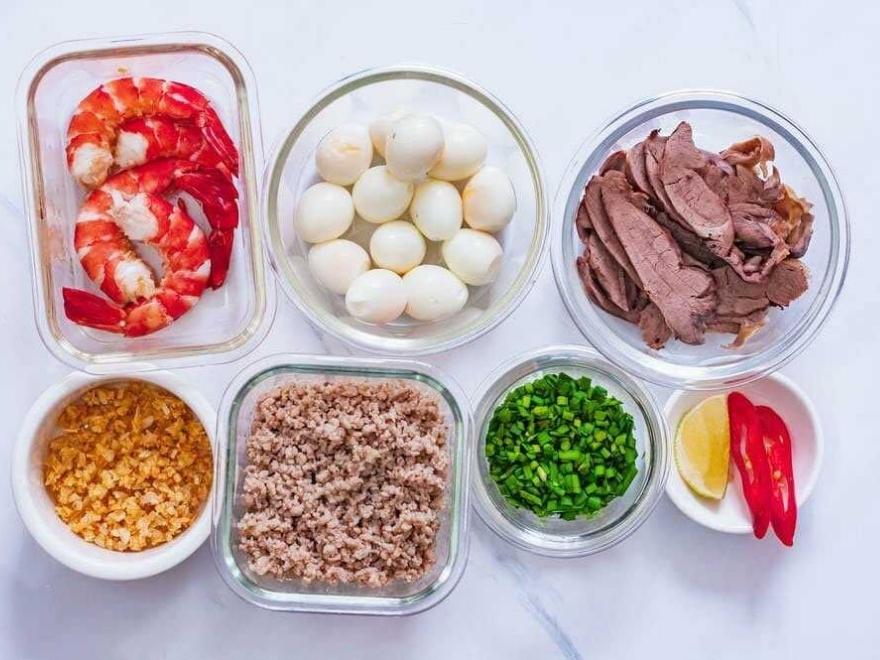
The Proteins: 200g ground pork, 200g fresh shrimp, and a few quail eggs.
The Broth Base: 1 large daikon (radish), 1 white onion, and a handful of dried shallots.
The "Secret" Umami: Tang Chai (preserved cabbage), fish sauce, and a small piece of rock sugar.
The Greens: Chinese celery, chives, bean sprouts, and some lettuce.
The "Oliver Way" Preparation
Simmer the Soul (The Broth): Throw the daikon and onion into a pot of water. My secret tip: Add a small piece of toasted dried squid. It’s what gives the street-side broth that mysterious, deep sweetness that sugar alone can't replicate. Season it with rock sugar and fish sauce until it’s clear and savory.
Prep the Meat: Fry some chopped shallots until they turn golden and smell amazing. Toss in the ground pork and stir-fry it until it’s browned and crumbly. Keep this in a separate bowl.
Quick Shrimp Blanch: Dunk your shrimp into the boiling broth just until they curl and turn orange. Peel them and set them aside so they stay juicy.
The "30-Second" Noodle Trick: This is where most people fail. Dunk the dry noodles in boiling water for only 30 to 45 seconds. Immediately "shock" them under cold running water. This stops them from turning into a mushy mess and gives you that al dente texture we’re after.
Build the Bowl: Put your noodles in first, then pile on the pork, shrimp, and boiled quail eggs.
The Pour: Ladle the piping hot broth over everything and finish it with a mountain of fresh chives and crispy fried shallots.
💡 Oliver’s Insider Tip: If you want to try the Dry Version (Hu Tieu Kho), don't pour the soup in. Instead, mix the noodles with a quick sauce made of soy sauce, a little oyster sauce, and a pinch of sugar. Serve the broth in a separate small bowl. It’s the "pro move" that makes you look like a local.
Planning your trip?
Save time and get expert advice for FREE!
✅ 15 years of local experience
✅ Save up to 40 hours of planning
✅ Travel stress-free from start to finish
Book your free consultation today!














 Our team
 Our team
 Our team
 Our team

.jpg)


 Other
Other Add us as a preferred source