1. Can the trip be combined with a beach stay or an extension to Cambodia or Laos?
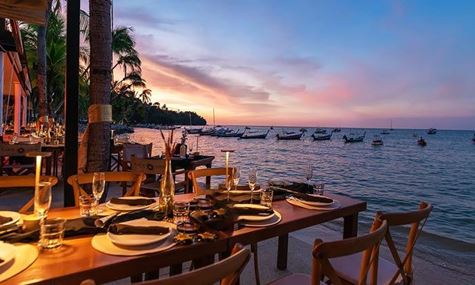
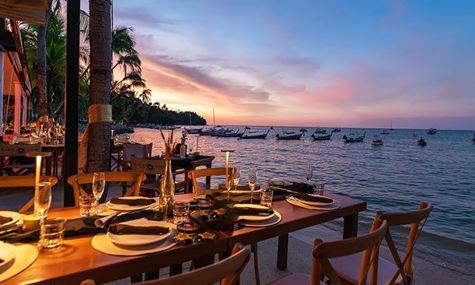
Yes, you can certainly add a beach stay to your trip. Vietnam has several beautiful beaches in the central and southern regions of the country, including Da Nang, Hoi An, Nha Trang, Quy Nhon, and Phu Quoc.
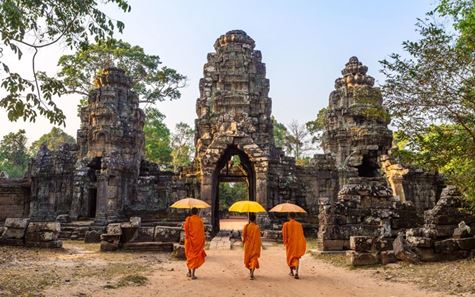
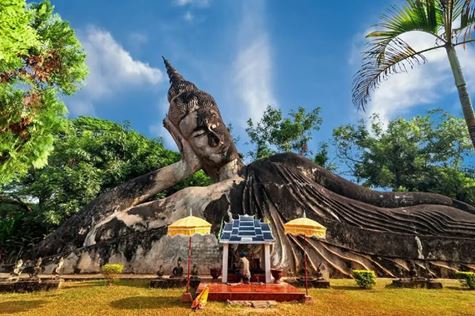
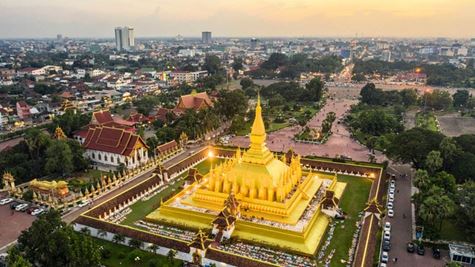
An extension to Cambodia or Laos is also possible due to the proximity of these two countries to Vietnam. From the North, you can travel to Laos by land or air. From the South, you can reach Cambodia by traveling up the Mekong River by boat. Please contact us for more information.
2. How many days does a combined Vietnam-Cambodia trip require?
A panoramic visit to both countries will take a minimum of 15 days. After visiting the major sites in Vietnam, you can reach Cambodia either by taking a short direct flight from Ho Chi Minh or by taking a boat from Chau Doc (a border town with Cambodia) to Phnom Penh, the capital of Cambodia.
With a few more days or an additional week, you can further explore Vietnam by discovering its still-authentic northern mountains or relaxing on one of its beautiful beaches (Hoi An, Nha Trang, Phu Quoc...) or on a beach in Cambodia (in Sihanoukville and its offshore islands).
3. Is it possible to go hiking in Vietnam?
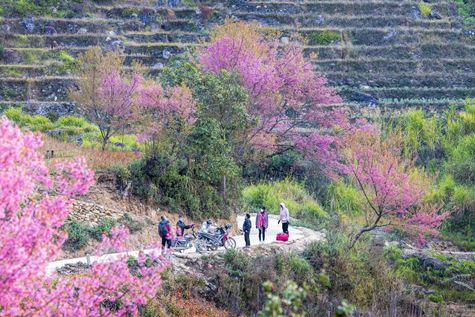
Yes, you can go hiking in Northern Vietnam. A large part of the Northern region is covered by lush mountains, making it an ideal area for hiking amidst nature and through villages of ethnic minorities. From west to east, it hosts several trekking sites such as the Pu Luong Nature Reserve, the Sapa and Bac Ha region with its endless terraced rice fields, Ha Giang & Hoang Su Phi with some of the country's most impressive landscapes. You can go on hikes of varying difficulty levels, from easy to moderate, for short to long durations, following off-the-beaten-path routes, depending on your preferences.
4. What is the most interesting region to visit in Vietnam?
Vietnam is divided into three major regions: the North, the Central, and the South. Each region has its distinctive features, and the choice of the region to visit will depend on your interests.
Among the three regions, the North has more interesting things to discover. It entices travelers with its rich natural beauty (stunning bays and rivers, impressive mountains and hills, winding mountain paths, lush valleys with beautiful terraced rice fields) and cultural heritage (numerous historical monuments, ancient temples and pagodas, craft villages, a large community of ethnic minorities with authentic villages and colorful weekly markets). Without time constraints, most of our clients spend a significant portion of their trip exploring this region.
5. What are the 'must-visit' sites during a trip to Vietnam?
Vietnam captivates tourists with its incredible diversity of landscapes and rich cultural tapestry. If you have the time during your visit, here are some must-see destinations:
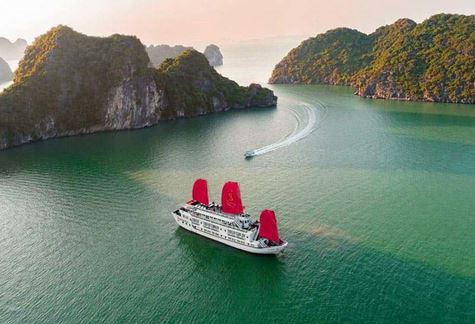
In the North: Begin your journey with a visit to the ancient capital of Hanoi, steeped in millennia of history. Explore the Bac Ha and Sapa regions, nestled in the northern mountains, where you can encounter vibrant ethnic communities. Don’t miss the breathtaking landscapes of Halong Bay, both on land and on water, with its iconic scenery that graces countless postcards.
In Central Vietnam: Immerse yourself in the historical richness of Hue, the country's former imperial capital. A short distance away lies Hoi An, renowned as Vietnam's most charming town, where lantern-lit streets beckon with timeless allure.
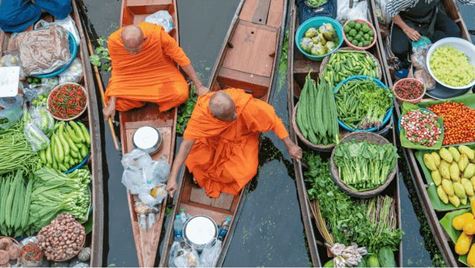
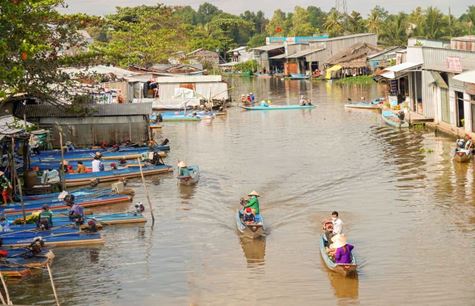
In the South: Venture into the bustling streets of Ho Chi Minh City, a dynamic metropolis pulsating with energy and history. Further south, explore the enchanting Mekong Delta, a region where nature, traditional craftsmanship, and vibrant floating markets harmoniously coexist. Don’t miss the opportunity to visit a floating market here, offering a distinct contrast to those nestled in the northern mountains.
6. Do we travel from north to south or from south to north?
You can visit the country in either direction. The direction of the trip will primarily depend on your booked international flights, and we will adjust the itinerary to your preference. However, if you want to have a beach stay or an extension to Cambodia at the end of the trip, it would be better to choose the North-South direction, which is more convenient (the country's most beautiful beaches are located in the South).
7. What is the ideal duration for visiting Vietnam?
Two weeks is the ideal duration to explore all the must-see attractions of Vietnam without rushing. Such a duration will allow you to appreciate some of the most beautiful and iconic landscapes of the country, such as the legendary Halong Bay, the magnificent terraced rice fields inhabited by various ethnic minorities, or the lush Mekong Delta.
For those who like to delve deeper into a region such as the authentic Northern mountains, embark on a beach extension, or visit Cambodia, plan an additional 5 to 7 days.
8. What type of vehicle is scheduled for my trip?
We provide well-maintained, comfortable private cars with air conditioning for your trip. They are often equipped with a cooler, allowing you to have cold water bottles. The number of seats will depend on the number of participants. Here are our criteria:
Number of travelers
2-3
4-8
9-15
16-20
Car size
Private 7-seater car
16-seater minibus
24-seater bus
35 or 45-seater bus
Our drivers are professional, cautious, and friendly. If you wish, they are ready to make stops along the way so you can better admire a beautiful landscape, take photos, or simply relax.
9. What is the current situation in Vietnam: epidemic, tourism...?
Currently, the pandemic situation has improved significantly. The country ranks among the top countries with the highest vaccination coverage in the world: 99% of the population over 12 years old is vaccinated with 2-3 doses. All health restrictions have been lifted, and life has returned to normal as it was before COVID.
Regarding tourism, Vietnam officially reopened its borders in March 2022. All tourist sites are open, flights have resumed, and you can travel to Vietnam without any concerns. Our agency has successfully organized hundreds of trips recently. Photos and testimonials from our travelers are available on our website in the 'Traveler Reviews' section.
10. How much does a SIM card cost?
A SIM card allows you to access the internet throughout Vietnam and make calls and send messages as you wish. The average price of a SIM card in Vietnam ranges from 2 to a maximum of 8 euros, depending on the internet capacity and various features. You can purchase it at the airport or in stores in major cities.
11. How can I make payments on-site? Which currencies are accepted?
International cards such as Visa or Mastercard are widely accepted in hotels, shops, and restaurants. However, please note that Vietnamese banks may apply an additional commission of 3% to 4% for this type of payment.
You can also pay in euros or USD at some businesses in major cities (hotels, restaurants, etc.). However, for small expenses, it is more advantageous to have Vietnamese Dong (VND). You can easily exchange currency at banks, jewelry shops, or even at your hotel. You can also withdraw VND from ATMs.
12. When and how is the balance of the trip paid?
As for the balance payment, you can settle it in one of the following ways:
In cash upon your arrival. We accept US dollars and Euros (USD/EUR exchange rate calculated on the day of payment). However, we do not accept defaced or excessively old banknotes. We kindly ask you to obtain new bills from your bank to avoid any inconveniences during your trip.
By credit card upon your arrival at our office (using our credit card terminal). In this case, there is an additional fee of 3% for our bank if you pay with Visa or Mastercard and 4% for payments with Amex. Payment is made in the local currency.
By bank transfer: We request that you complete this transfer no later than 10 days before your departure. This is to ensure that the balance of your trip is credited to our account before the start of your journey
13. What are the payment terms?
To make the deposit payment, you have two options:
Bank transfer: Our account details are provided in the travel invoice.
Credit card (Visa, Mastercard, Amex) through our bank's secure website. This payment method includes insurance as part of the card services (cancellation insurance, medical coverage, repatriation, etc.). However, please note that you will incur additional fees for our bank with this option: 3% extra on the deposit if you pay with Visa or Mastercard, and 4% extra on the deposit if you pay with American Express. Payment is made in the local currency."
14. When is the deadline for booking the trip?
We do not impose a deadline for booking, but it is advisable that you book both the flight tickets and the tour as early as possible. In fact, the earlier we make the reservations, the better the services, considering that the best providers may have limited availability. Therefore, our clients often book their trips 4-6 months in advance.
15. Which airline operates domestic flights, and what is the baggage weight allowance?
You will be traveling with Vietnam Airlines or Bamboo Airways, the two best airlines in the country. We do not offer low-cost airlines to ensure a smooth experience on-site.
Regarding baggage, you will have 7 to 12 kilograms of carry-on luggage and 20 to 23 kilograms of checked baggage, depending on the chosen airline. Each extra kilogram will cost you from 3 to 5 USD, payable directly during your check-in.




 Our team
 Our team
 Our team
 Our team