Sapa in August: Weather, What To Do & Practical Travel Tips
August is one of the most visually spectacular months to visit Sapa. The Hoang Lien Son mountains are draped in deep, saturated greens, terraced rice paddies shine with young shoots nearing full maturity, and the valleys fill with mist and rushing waterfalls swollen by the monsoon. It is a month of dramatic skies, vibrant landscapes, and rich cultural energy.
Daytime temperatures in August are warm and comfortable, typically ranging between 18°C and 28°C (64°F–82°F). Rainfall is at its peak for the year, but showers are often short and intense rather than day-long, leaving mornings and early afternoons with clear spells ideal for outdoor activities. In this guide, you will find everything you need to plan a rewarding trip to Sapa in August, from weather patterns and packing tips to the best things to do during the green season.
Written by Trang Nguyen (Local Expert)
Updated on Aug 18, 2026
0 comment
Trang Nguyen has lived in Vietnam for nearly three decades and spent much of her life exploring Asia. She has joined numerous field trips, stayed with ethnic communities in the northern mountains, and gained deep insights into local cultures and landscapes. Her writing reflects an honest passion for authentic travel and meaningful connections. If you have any questions about her journeys, feel free to reach out and leave a comment!
Daytime temperatures typically range between 18°C and 28°C in Sapa during August.
Night temperatures are mild, usually staying around 17°C–21°C.
Rainfall is at its annual peak, averaging around 280–340 mm for the month.
The terraced rice fields are at their lushest and most photogenic, making August a favourite for photographers and trekkers alike.
Mornings are often clear; plan outdoor activities early to avoid afternoon showers.
What is Sapa's August Weather Like?
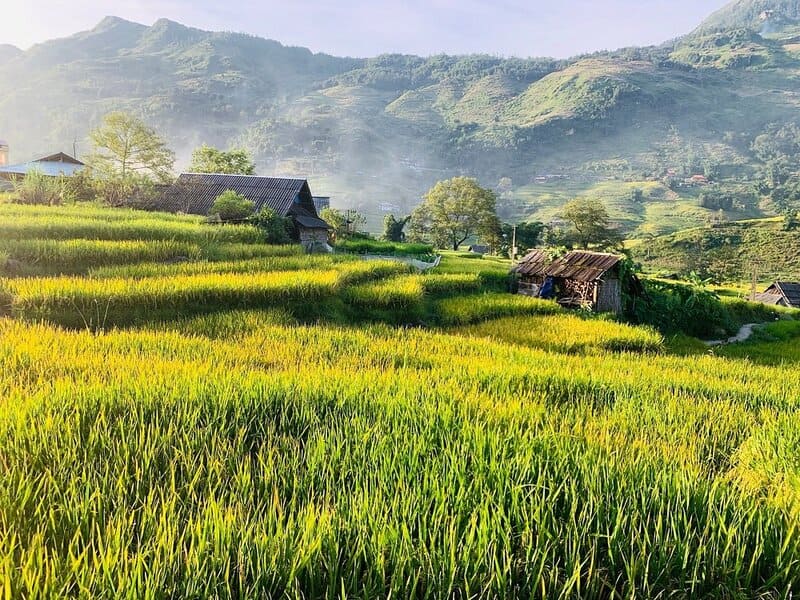
August sits at the heart of Sapa's monsoon season. The mountains receive their heaviest rainfall of the year, and the landscape responds dramatically - terraces are thick with green rice that shimmers in the light, waterfalls cascade powerfully down rocky faces, and clouds roll through the valleys in the mornings, creating an atmospheric mist that photographers love.
Despite the high rainfall, August is far from unpleasant. Temperatures are warm but not oppressive, hovering comfortably between 18°C and 28°C (64°F–82°F) during the day. Nights are mild at around 17°C–21°C (63°F–70°F), and the air is fresh and clean after rain. Showers tend to be intense but short, often clearing by late afternoon to reveal clear, wide skies over the valley.
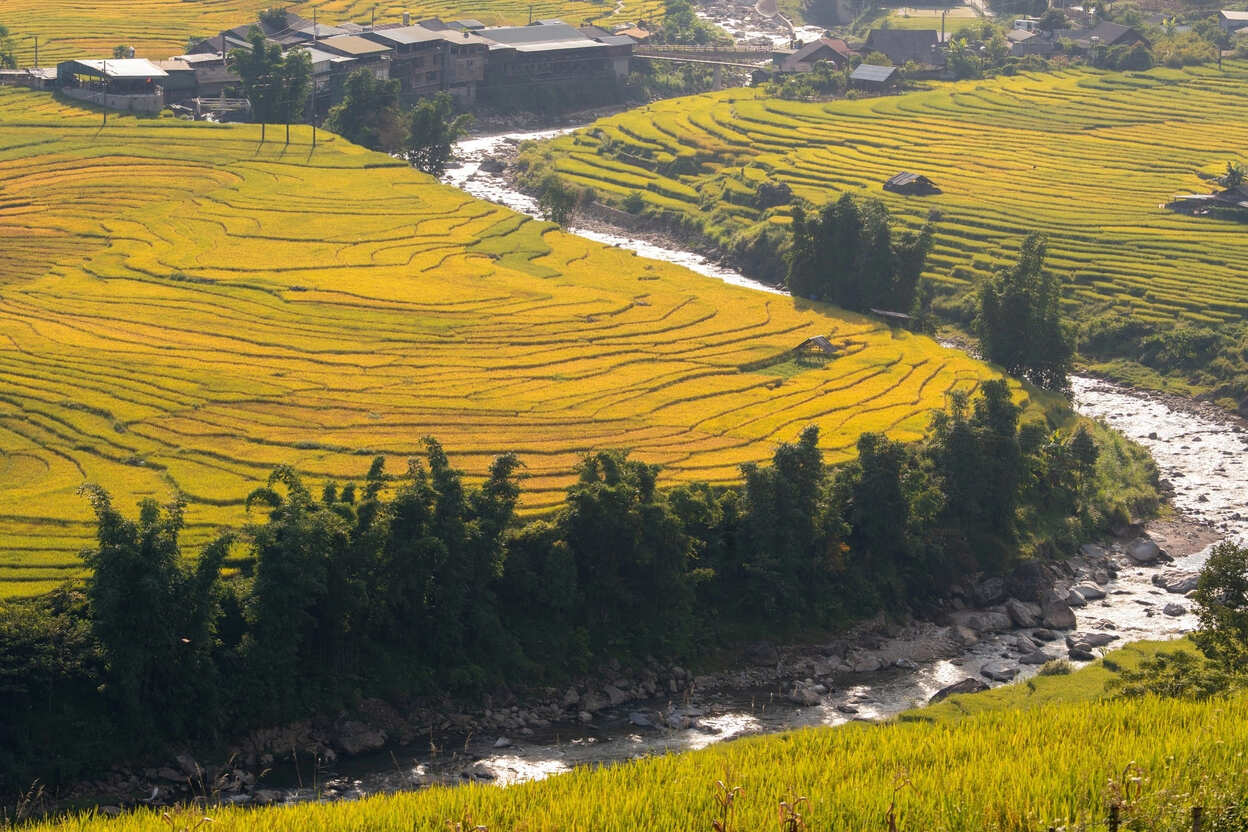
Humidity is high throughout the month, so lightweight, breathable clothing is important. The rice terraces - particularly around the Muong Hoa Valley and along routes toward Lao Chai and Ta Van - are at their absolute visual peak in August, with paddies full of tall green shoots just weeks before the harvest season begins.
Sapa Weather in August: Overview
Weather Factor
August Average
Daytime temperature
18°C – 28°C (64°F – 82°F)
Night temperature
17°C – 21°C (63°F – 70°F)
Rainfall
About 280–340 mm for the month
Humidity
Around 82–92%
Sunshine
3–6 hours per day
Rainy days
Approximately 18–22 days
Snow
None
What Makes August Weather Unique in Sapa?
August is widely considered the greenest and most dramatic month in Sapa's annual weather cycle. The combination of heavy monsoon rains and warm temperatures produces a landscape that feels truly alive - every hillside is intensely green, every stream is full, and the air carries the rich, earthy scent of rain-soaked mountain soil.
The rice terraces of the Muong Hoa Valley are in their prime condition in August. The paddies, which were flooded and planted in May and June, are now full of tall, swaying green shoots that catch the light beautifully in the mornings. This is the moment many photographers and travel writers specifically target when planning a trip to Sapa.
Mornings in August often offer clear windows of settled weather, particularly in the early hours before 9–10am. Experienced trekkers and guides recommend beginning hikes at or before sunrise during this season to take full advantage of the clear skies, low mist drifting through the valleys, and golden early light on the terraces.
Thẻ tour 5587
What To Do in Sapa in August?
Trek Through the Muong Hoa Valley
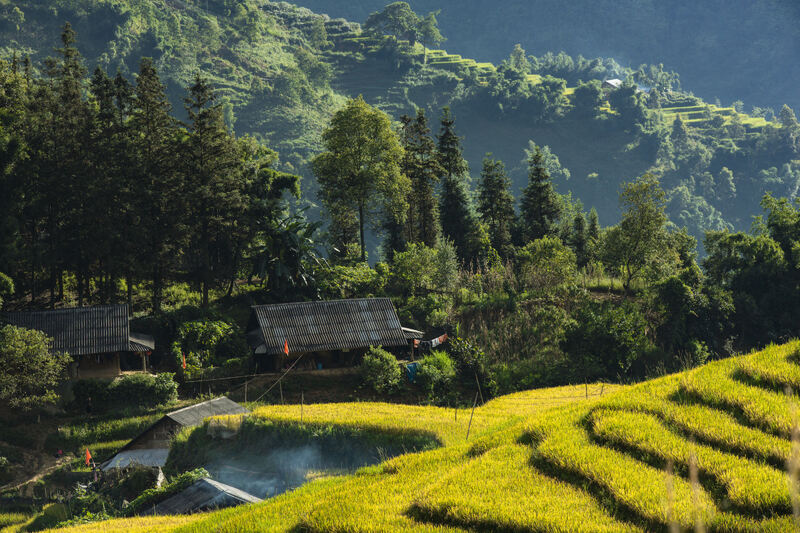
The Muong Hoa Valley is at its most magnificent in August. Trekking routes through villages such as Lao Chai, Ta Van, and Giang Ta Chai wind through rice terraces that are lush and full, with the valley floor vivid in every shade of green. Routes vary from gentle half-day walks to full-day hikes connecting multiple ethnic minority villages.
Trail conditions are muddy in places after rain, so waterproof trekking shoes with good grip are essential. A local guide is especially recommended in August as some paths become slippery and confusing in poor visibility. Guides from Black H'mong, Red Dao, and Tay communities can be arranged through reputable operators in Sapa town.
An usual morning in Muong Hoa Valley
Visit the Rice Terraces at Golden Hour
August is considered one of the prime photography months in Sapa. The green terraces in full bloom create extraordinary compositions, particularly at golden hour when the early morning light catches the water and leaves in the paddies. Popular photography spots include the viewpoints above Lao Chai village, the terraced hillsides around Y Linh Ho, and the elevated ridges above Ta Van.
For the best conditions, plan to reach your viewpoint by 6–7am. The mist that lingers in the valleys after dawn clears gradually through the morning, creating a layered, atmospheric effect that gives Sapa its most iconic imagery.
Explore Cat Cat Village
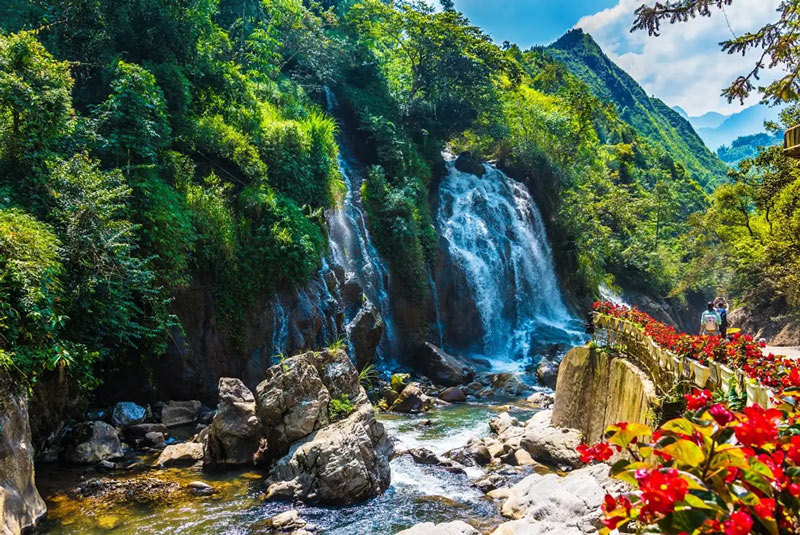
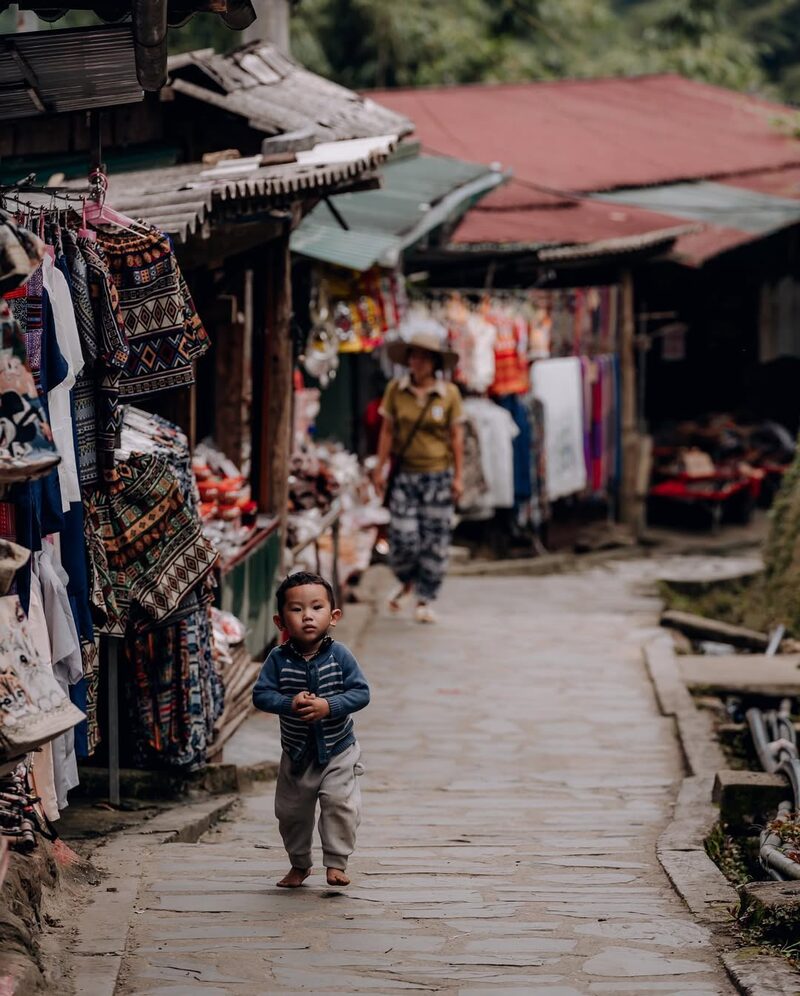
Cat Cat, one of the oldest Black H'mong settlements near Sapa, offers a fascinating window into traditional mountain life. Situated on the slopes below Sapa town, the village is connected by a winding trail that passes waterfalls and old wooden bridges. In August, the surrounding slopes are brilliant with monsoon greenery, and the waterfall within the village grounds is particularly spectacular.
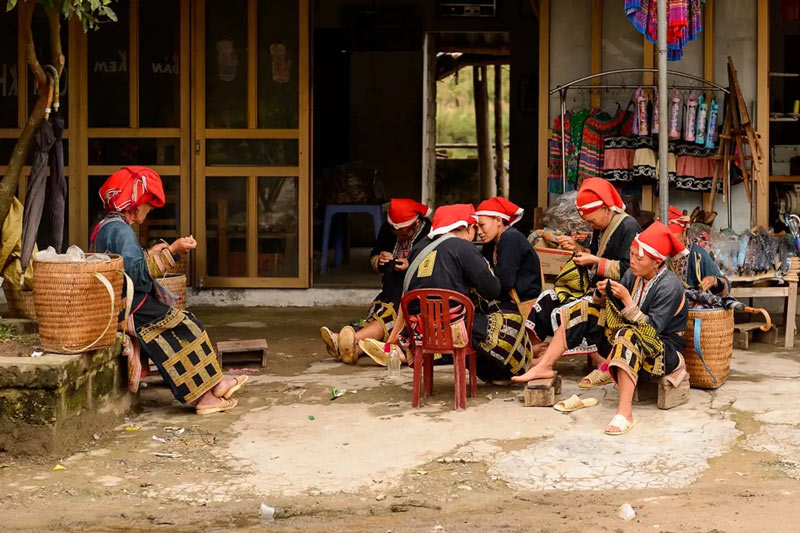
The village also features demonstrations of traditional H'mong weaving, indigo dyeing, and musical performances that are well worth exploring on a morning visit.
Ride the Cable Car to Fansipan
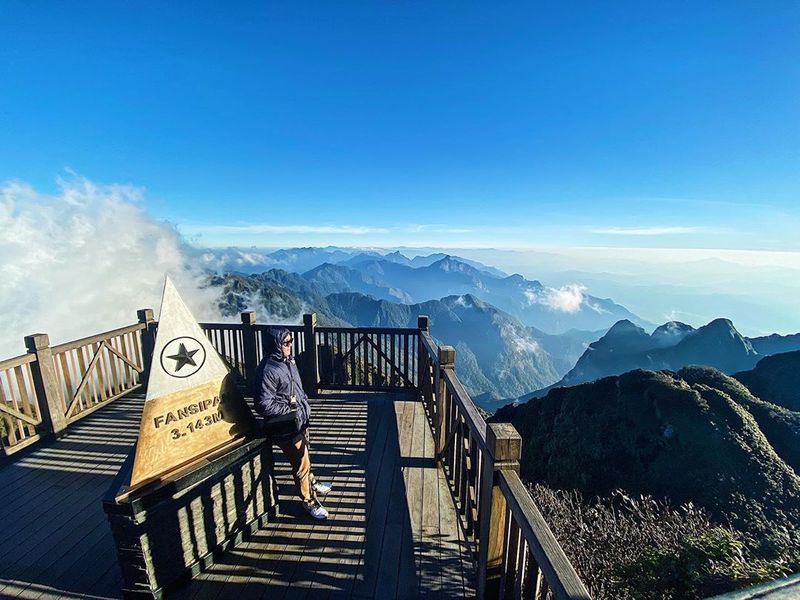
At 3,143 metres, Fansipan is the highest peak in Indochina, and its upper slopes take on a wild, cloud-wrapped character in August. The Fansipan cable car - the world's longest three-rope cable car system - provides a scenic and comfortable ascent that avoids the muddy summit trail, which becomes extremely challenging during the rainy season.
On clear mornings, the views from the summit across the cloud-filled valleys below are truly unforgettable. Visibility varies day to day in August, so it is worth checking the forecast before booking. Even when cloud covers the summit, the cable car ride itself offers dramatic views of the rain forest-clad slopes below.
Experience Local Markets
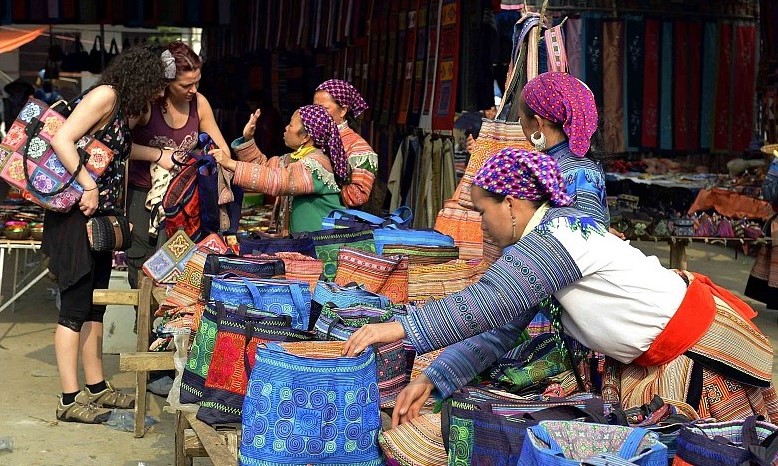
The highland markets of the Sapa region are a cultural highlight in any season, but August brings particular energy. The weekly Bac Ha market, held on Sundays around 90 kilometres from Sapa, is one of the most colourful ethnic minority markets in northern Vietnam. Flower H'mong women in elaborate embroidered costumes, traders selling livestock, local rice wine, mountain herbs, and handmade textiles - the market is a rich and authentic slice of highland life.
Closer to Sapa, the Sapa market (Chợ Phiên) near the town centre operates daily and is an excellent place to shop for handwoven indigo textiles, silver jewellery, and fresh mountain produce.
What Clothes to Wear in Sapa in August?
August's warm temperatures and high rainfall require a practical combination of light clothing and solid rain protection.
Light, breathable clothing: loose, moisture-wicking fabrics are most comfortable in the high humidity.
Waterproof jacket: absolutely essential - showers can arrive quickly and heavily at any time.
Waterproof trekking shoes: trails are muddy and slippery throughout the month; good ankle support and grip are important.
Quick-dry trousers or leggings: jeans are uncomfortable when wet and take a long time to dry.
Insect repellent: mosquitoes and biting insects are more active during the wet season.
Small dry bag or waterproof pack liner: important for protecting cameras, electronics, and documents during outdoor activities.
Light base layer for evenings: nights are mild but a thin long-sleeved top is useful after the sun goes down.
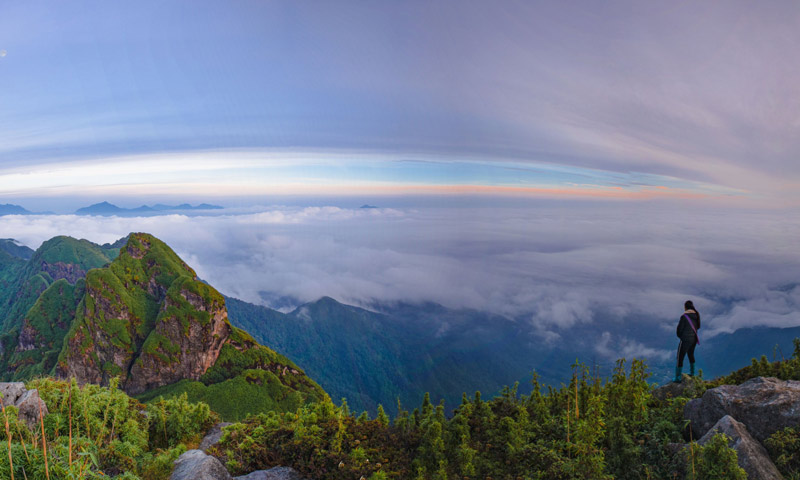
Ngu Chi Son stands as Vietnam''s 15th highest peak, renowned for its challenging trekking trails
Practical Tips for Visiting Sapa in August
Plan outdoor activities in the morning: clear spells are most reliable between early morning and around midday. Afternoons bring the heaviest showers.
Book accommodation in advance: August is a popular time for domestic Vietnamese travellers escaping the summer heat in Hanoi. Sapa town and surrounding homestays book up quickly, particularly on weekends.
Hire a local guide: trails are muddier and harder to navigate in the rainy season. A local guide improves safety, enriches the cultural experience, and helps you reach the best spots at the right time of day.
Check forecasts daily: Sapa's mountain weather changes quickly. Free local weather apps and guesthouse staff can give useful short-range guidance each morning.
Be aware of landslide risk: after very heavy rainfall, some roads in the region - particularly between Sapa and Bac Ha - can be affected by landslides or rockfalls. Always check road conditions before travelling to more remote areas.
FAQs About Sapa Weather in August
Is August a good time to visit Sapa?
Yes, for travellers who are well-prepared for rain. August offers Sapa's most dramatic and photogenic landscapes - lush green terraces, powerful waterfalls, and atmospheric mountain mist. The key is planning outdoor activities in the morning and carrying proper rain gear at all times.
How much does it rain in Sapa in August?
August is the wettest month of the year in Sapa, with average rainfall of around 280–340 mm spread across approximately 18–22 rainy days. Showers are typically most intense in the afternoon and evening.
Is trekking possible in Sapa in August?
Yes, and many trekkers specifically choose August for the vivid green rice terraces. Morning trekking is best - trails are often firm enough in the early hours before afternoon rain softens the ground. Waterproof shoes and a rain jacket are essential, and a local guide is strongly recommended for longer routes.
How hot does Sapa get in August?
August daytime temperatures typically reach 25°C–28°C during warm spells, though cloud cover and rain keep many days cooler. Nights remain mild at around 17°C–21°C, making sleeping very comfortable.
What should I pack for Sapa in August?
Light breathable clothing, a waterproof jacket, waterproof trekking shoes, quick-dry trousers, insect repellent, a dry bag for electronics, and a light layer for evenings are all recommended for August travel in Sapa.
Are the rice terraces green in August?
Yes - August is peak green season in the terraces. The rice plants are tall and full, and the entire Muong Hoa Valley glows with deep, saturated greens that are at their most photogenic. The harvest gold of September is still weeks away, making August ideal for those who want the full monsoon landscape experience.
Planning your trip?
Save time and get expert advice for FREE!
✅ 15 years of local experience
✅ Save up to 40 hours of planning
✅ Travel stress-free from start to finish
Book your free consultation today!







 Our team
 Our team
 Our team
 Our team



 Other
Other Add us as a preferred source