How to Get to Phu Quoc: Flights, Ferries & Best Routes
Phu Quoc can be reached by plane or by ferry . For most international visitors and travelers with limited time, flying is the fastest and easiest option. Direct domestic flights connect the island with Ho Chi Minh City, Hanoi, Da Nang and several other Vietnamese cities. Traveling by ferry is more practical for anyone already exploring the Mekong Delta or southwestern Vietnam. The shortest sea crossing departs from Ha Tien and takes about 1 hour 20 minutes , while the journey from Rach Gia takes approximately 2 hours 30 minutes .
The best route depends on the departure point, available time, budget, luggage and overall Vietnam itinerary.
* Editor’s note: Routes, fares, baggage rules and departure times can change. Check the latest conditions with the airline or ferry operator before booking.
Written by Thom DOAN (Travel Consultant Manager & Director)
Updated on Jul 10, 2026
9 comments
Thom DOAN leads the travel consulting team at Kampá Tour and serves as the agency's director. She works with travellers in both French and English, and her career has taken her across multiple countries in Asia.
On this blog she writes about the destinations she knows first-hand, mostly in Vietnam and Cambodia: what a place is actually like, who it suits, and the practical details that decide whether a trip works. If you have a question about anything she covers here, leave it in the comments and she will answer you directly.
Travel times and fare guidance were reviewed in July 2026. Schedules and prices may change.
Transport option
Best for
Travel time
Fare guidance
Flight from Ho Chi Minh City
Most travelers, families and short trips
About 1 hour
Dynamic pricing; compare the total fare including baggage
Flight from Hanoi
Travelers coming from northern Vietnam
About 2 hours
Dynamic pricing; compare the total fare including baggage
Flight from Da Nang
Central Vietnam and beach combinations
About 1.5 hours
Dynamic pricing; routes may be seasonal
Fast ferry from Ha Tien
Chau Doc, Ha Tien and southern Cambodia routes
About 1 hour 20 minutes
200,000–500,000 VND, depending on operator and seat class
Fast ferry from Rach Gia
Can Tho and central Mekong Delta routes
About 2 hours 30 minutes
250,000–540,000 VND, depending on operator and seat class
Vehicle ferry from Ha Tien
Travelers bringing a car or motorbike
Around 2 hours 40 minutes–3 hours
Passenger and vehicle tickets are priced separately
Phu Quoc can be reached by air or by sea from mainland Vietnam
Which option should you choose?
A flight is usually the better choice for:
Short itineraries where travel time matters
Families with children or older travelers
Trips involving several pieces of luggage
Wider north-to-south Vietnam itineraries
Journeys requiring a reliable connection with another flight
A ferry makes more sense for:
Travelers already exploring the Mekong Delta
Routes passing through Can Tho, Chau Doc, Rach Gia or Ha Tien
Anyone bringing a motorbike or car to the island
Those who prefer an overland and sea journey to another domestic flight
>>> Our local advice: Based on the itineraries arranged by our Vietnam-based team, flying is usually the most practical option for families, travelers with several suitcases and short stays. The ferry works best when Phu Quoc follows Can Tho, Chau Doc or another Mekong Delta stop.
When traveling directly from Ho Chi Minh City, the bus-and-ferry combination should be treated as a major travel day. Once the road journey, transfer to the port, ferry check-in, sea crossing and final transfer to the hotel are included, the trip can take most of the day.
Although the overland route may appeal to travelers hoping to see more of southern Vietnam, most of the time is spent on an intercity bus or changing transport rather than sightseeing. Adding an actual Mekong Delta stay makes this route more rewarding.
Getting to Phu Quoc by Plane
Flying is the fastest and most convenient way to reach the island. Phu Quoc International Airport, whose IATA code is PQC, is located approximately 10 km south of Duong Dong, the island’s main town. It handles domestic and international services throughout the year.
Domestic flights are the quickest way to reach Phu Quoc from Vietnam’s major cities
Domestic Flights to Phu Quoc
Ho Chi Minh City and Hanoi provide the most frequent connections. A direct flight from Ho Chi Minh City to Phu Quoc takes approximately one hour, while the journey from Hanoi to Phu Quoc takes around two hours.
Depending on the season and airline schedule, direct flights may also operate from:
Da Nang
Can Tho
Hai Phong
Cam Ranh, serving Nha Trang
Da Lat
Vinh
Other major Vietnamese cities
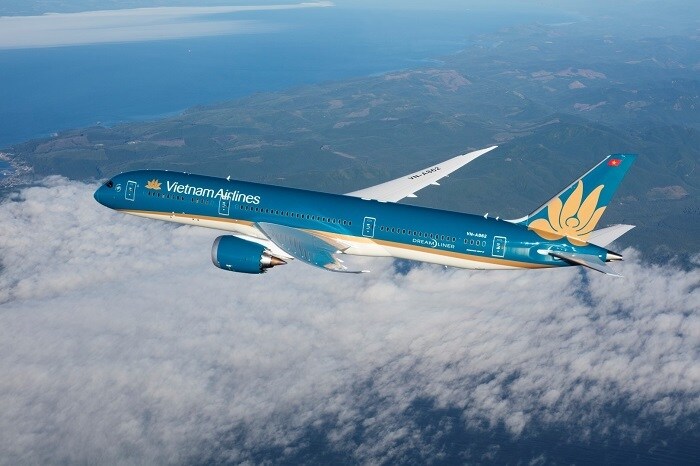
Vietnam Airlines, Vietjet Air and Sun PhuQuoc Airways are among the airlines serving the island. Routes and frequencies can change according to the season, so check the latest timetable before building a fixed itinerary.
When comparing tickets, look beyond the initial fare. Checked luggage, seat selection, meals and change conditions may be charged separately on low-cost services.
International Flights to Phu Quoc
Phu Quoc also receives direct flights from selected Asian cities. Depending on the season, connections may be available from destinations in South Korea, China, Taiwan, Thailand, Hong Kong and Singapore.
Travelers coming from Europe, North America or Australia will usually need at least one connection through a major Asian hub or a Vietnamese city. A common itinerary is:
International flight → Ho Chi Minh City → domestic flight to Phu Quoc
Do not assume that a connection through Ho Chi Minh City or Hanoi will remain entirely within the international transit area. The onward sector to Phu Quoc may operate as a domestic flight, requiring immigration clearance, baggage collection, a terminal transfer and a second check-in.
Before departure, confirm with the airline:
If the luggage will be checked through to Phu Quoc
Where immigration clearance will take place
Any required terminal change
Whether both flights are issued under the same booking
The recommended minimum connection time
When flights are booked separately, allow a generous connection. Delays affecting the first booking may not be covered by the airline operating the second flight.
When Should Flights Be Booked?
Demand is highest during the dry season from November to April, Christmas and New Year, Lunar New Year, Vietnamese public holidays, weekends and school holidays.
Booking two to three weeks ahead generally provides more choice. A longer lead time may be necessary during major holiday periods.
Phu Quoc has a special visa-exemption policy for foreign visitors staying on the island for up to 30 days, provided all applicable entry and transit conditions are met.
The exemption only covers Phu Quoc. It does not automatically permit travel to Ho Chi Minh City, Hanoi, Da Nang or other parts of mainland Vietnam.
Who May Qualify for the Phu Quoc Visa Exemption?
The exemption may apply when:
Arrival is directly from another country
The stay on Phu Quoc does not exceed 30 days
The itinerary remains entirely on the island
A connection through another Vietnamese international airport takes place without leaving the international transit area
A passport valid for at least six months and proof of onward travel may also be required.
When Might a Vietnamese Visa Still Be Necessary?
A visa or another valid entry exemption may be required when the itinerary includes mainland Vietnam or the connection requires passengers to pass through immigration. This can happen when checked luggage must be collected, the onward service is treated as a domestic flight or a terminal change requires leaving the international transit area.
A self-transfer requires particular attention. When two flights are booked separately, passengers may have to collect their luggage, clear immigration and check in again. In this situation, the Phu Quoc-only exemption may not be sufficient.
Travelers combining Phu Quoc with mainland Vietnam can normally consider applying for a Vietnamese e-visa, which may be valid for up to 90 days depending on the approval granted.
Visa requirements vary by nationality, route and ticket arrangement. Confirm the conditions with the airline and Vietnam’s official immigration authorities before departure.
The ferry is particularly suitable for travelers already visiting the Mekong Delta or southwestern Vietnam. There is no bridge connecting Phu Quoc with the mainland, so the journey involves traveling by bus, car or motorbike to Ha Tien or Rach Gia, followed by a fast ferry or vehicle ferry.
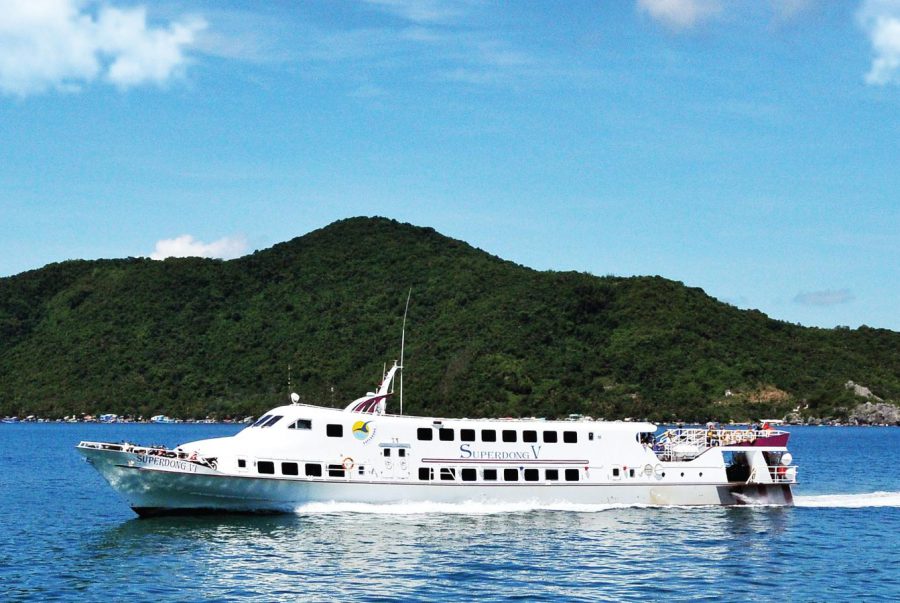
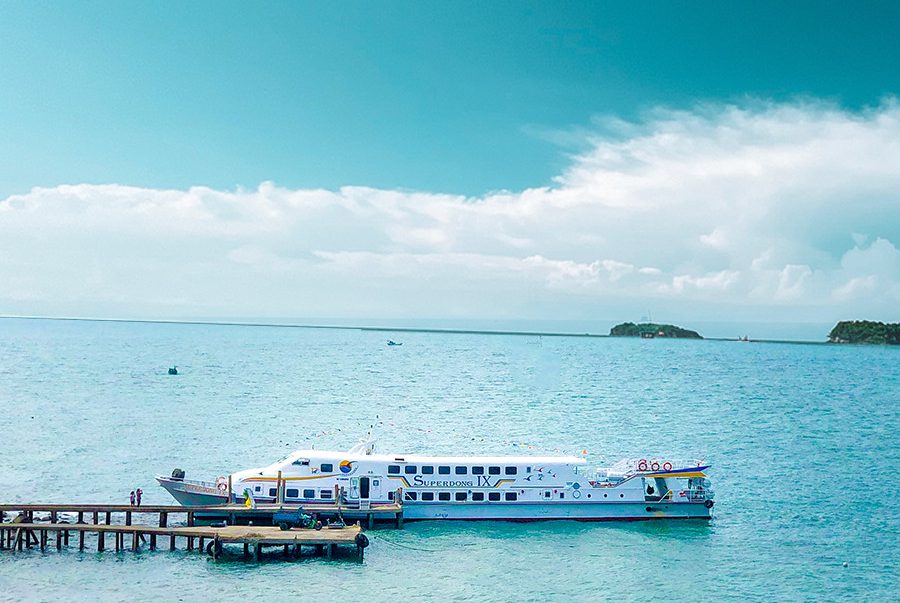
Passenger services are operated by companies such as Superdong and Phu Quoc Express. Most fast ferries arrive at Bai Vong Port, on the eastern side of Phu Quoc.
Ha Tien to Phu Quoc: The Shortest Sea Route
Ha Tien is the closest mainland port to Phu Quoc. The fast-ferry crossing takes approximately 1 hour 20 minutes, making it the shortest regular sea route.
Ha Tien is particularly convenient for journeys from Chau Doc, southwestern Vietnam, Kampot or Kep in southern Cambodia, nearby border areas and Ha Tien itself.
Fast-ferry tickets generally cost between 200,000 and 500,000 VND per adult, depending on the operator and seat category. Reduced rates may be available for children and older passengers.
Ha Tien provides the shortest regular sea crossing to Phu Quoc
Getting from Ho Chi Minh City to Ha Tien
The road journey usually takes around seven to eight hours. Sleeper buses are commonly used because they allow passengers to travel overnight and connect with a morning ferry.
Before booking, check whether the bus stops near the ferry terminal, includes a shuttle to the port and arrives early enough for the chosen sailing. A ferry should not be booked too close to the scheduled bus arrival.
From Chau Doc, the journey to Ha Tien is considerably shorter and usually takes around two hours by road.
Rach Gia to Phu Quoc: The Classic Ferry Route
Rach Gia is another major gateway to Phu Quoc and is often more convenient for travelers coming from Can Tho or the central Mekong Delta.
The fast-ferry journey takes approximately 2 hours 30 minutes. Adult fares generally range from 250,000 to 540,000 VND, depending on the operator and seat category.
Rach Gia is a natural gateway for routes through Can Tho and the central Mekong Delta
Getting to Rach Gia
From Ho Chi Minh City, the road journey generally takes six to seven hours. From Can Tho, Rach Gia can usually be reached in approximately two to three hours.
Both daytime and overnight buses are available. Confirm whether a transfer between the bus station and ferry terminal is included.
What Should Be Checked When Booking a Bus-and-Ferry Connection?
A combined bus-and-ferry ticket does not always mean that the entire journey operates as one seamless service. The bus and ferry may be managed by separate companies, and passengers may still need to unload their luggage, take a shuttle to the port and complete a separate ferry check-in.
Before booking, confirm:
Whether transport from the bus station to the ferry terminal is included
How luggage is handled between the two services
Any separate ferry check-in requirement
The exact bus drop-off point
The recommended minimum connection time
The ferry operator’s baggage allowance
Ha Tien or Rach Gia: Which Port Is More Convenient?
The shortest ferry journey is not always the best overall route. The road connection on the mainland matters just as much.
Ha Tien is generally the better choice for:
Journeys from Chau Doc
Overland arrivals from southern Cambodia
Travelers already staying in Ha Tien
The shortest possible sea crossing
Trips involving a vehicle ferry
Rach Gia is usually more convenient for:
Routes starting in Can Tho
Mekong Delta itineraries that naturally pass through Rach Gia
Travelers with easier road access to Rach Gia than to Ha Tien
Dates when the preferred ferry schedule departs from Rach Gia
Driving several extra hours simply to shorten the sea crossing rarely saves time overall. Choose the port that fits naturally into the mainland itinerary.
Taking a Motorbike or Car to Phu Quoc
Some passenger ferries accept motorbikes for an additional charge, while cars require a dedicated vehicle ferry. Thanh Thoi operates vehicle services from Ha Tien.
Passenger and vehicle tickets are purchased separately. The price depends on the vehicle type, engine size, operator, travel date and departure port.
Vehicle capacity is more limited than passenger seating, so early booking is recommended during weekends and national holidays. Bring the original vehicle registration documents and verify the operator’s requirements before arriving at the port.
Other or Seasonal Ferry Routes
A limited or seasonal fast-ferry service may operate between Tran Van Thoi Port in Ca Mau and Phu Quoc. Tran Van Thoi is approximately 60 km from central Ca Mau, and the sea crossing takes around three hours.
Because this route has previously been suspended and resumed, confirm its current operating status directly with the operator before including it in a fixed itinerary.
Some southern ferry routes operate only on limited or changing schedules
Practical Tips for Taking the Ferry
Arrive at least 45 minutes before departure
Passengers should normally be at the port at least 45 minutes before sailing to complete check-in and boarding procedures. Check the terminal, departure time and passenger details printed on the ticket.
Check the baggage allowance
Baggage rules vary by operator, vessel and ticket type. Travelers carrying large suitcases, sports equipment or a motorbike should verify the included allowance, excess charges and oversized luggage restrictions shown on the ticket.
Book ahead during busy periods
Ferries often fill up during weekends, public holidays, December to February and major Vietnamese festivals. Booking several days or one to two weeks ahead is advisable when the itinerary depends on a specific sailing.
Check weather and sea conditions
Schedules may change because of tides, strong winds, rough seas or operational requirements. Ferry travel should not be scheduled immediately before an international flight or another expensive, non-refundable service, especially from July to September.
Prepare for seasickness
Fast ferries have enclosed seating, but the journey can still feel bumpy when the sea is unsettled. The longer Rach Gia crossing may be more uncomfortable for passengers who are sensitive to motion.
Choose a seat near the middle of the vessel
Avoid a heavy meal immediately before departure
Look toward the horizon when possible
Carry suitable motion-sickness medication
Follow professional medical advice when using medication
Confirm the arrival port
Most fast ferries from Ha Tien and Rach Gia arrive at Bai Vong Port, but the exact terminal should still be confirmed on the ticket before arranging a hotel pickup or private transfer.
Getting from the Airport or Ferry Port to Your Hotel
After landing or disembarking, an additional transfer is required to reach the accommodation. Common options include hotel pickup, a pre-booked private transfer, taxi, Grab, electric taxi services and selected public or resort shuttle routes.
Public transport does not serve every resort area, so a taxi, ride-hailing service or pre-arranged transfer is often the most convenient option.
Phu Quoc Airport is relatively close to Duong Dong and Long Beach. Bai Vong Port lies farther east, so transfers to the western and northern resort areas take longer. Accommodation in the far north or south of the island may require a considerably longer drive than hotels near Duong Dong.
Families and larger groups should select a vehicle according to both passenger count and luggage. A standard seven-seat car may not comfortably accommodate six passengers together with several large suitcases. A private minivan or two smaller vehicles may be more practical.
Before arrival, send the hotel or transfer provider the flight or ferry number, scheduled arrival time, airport or port name, number of passengers and approximate amount of luggage.
Transfer times vary considerably between Duong Dong and the island’s northern or southern resorts
Flying is the easiest option for most travelers. It avoids a long road journey and an additional ferry transfer, particularly when coming from Hanoi, Ho Chi Minh City or central Vietnam.
Is the bus-and-ferry journey from Ho Chi Minh City worth it?
It makes the most sense when the itinerary already includes the Mekong Delta or when a vehicle must be taken to the island. For a direct journey from Ho Chi Minh City, the road transfer, port connection, check-in and sea crossing can take most of a day.
Should I travel via Ha Tien or Rach Gia?
Ha Tien is generally more convenient from Chau Doc, southern Cambodia or southwestern Vietnam and offers the shortest sea crossing. Rach Gia usually fits better with routes from Can Tho and the central Mekong Delta.
Is it cheaper to fly or take the ferry?
The ferry ticket itself is normally cheaper, but the total cost must also include the bus or private car to the port, transfer costs, meals and the longer travel time. A promotional flight from Ho Chi Minh City may sometimes provide better overall value.
How long does the ferry to Phu Quoc take?
The fast ferry takes about 1 hour 20 minutes from Ha Tien and approximately 2 hours 30 minutes from Rach Gia. A vehicle ferry from Ha Tien normally takes around 2 hours 40 minutes to 3 hours.
Is the ferry suitable for children?
Families can take the fast ferry, but children who are sensitive to motion may find the longer Rach Gia crossing uncomfortable. The shorter Ha Tien route may be easier.
Is Phu Quoc visa-free?
Phu Quoc has a special visa exemption for qualifying foreign visitors staying on the island for no more than 30 days. It does not automatically cover mainland Vietnam, and the exact transit arrangement can affect eligibility.
Can a motorbike be taken on the ferry?
Some ferries accept motorbikes for an additional fee. The booking must include both the passenger and the vehicle, and the operator’s document and capacity requirements should be checked in advance.
Our Final Advice
For most international travelers, flying is the simplest and most time-efficient way to reach Phu Quoc. It is especially suitable for families, first-time visitors and anyone combining the island with Hanoi, central Vietnam or Ho Chi Minh City.
The ferry is a good alternative when Phu Quoc forms part of a wider Mekong Delta journey. Ha Tien offers the shortest sea crossing, while Rach Gia is often more convenient from Can Tho and the central delta.
Do not compare the options using the ticket price alone. The full journey should include road travel, waiting time, luggage handling, separate check-in procedures and the transfer from the airport or ferry port to the hotel.
From our experience arranging Vietnam itineraries, travelers often underestimate how much of the day a bus-and-ferry combination requires. For families or anyone carrying several suitcases, flying is normally the better choice unless Phu Quoc comes directly after a Mekong Delta stay.
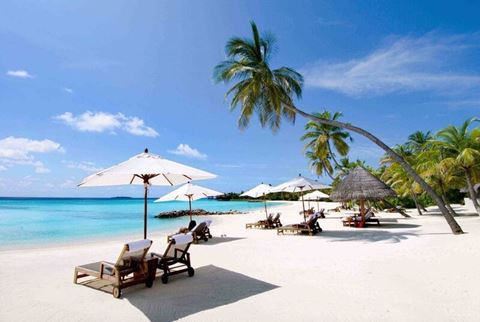
Choosing the right route leaves more time to enjoy Phu Quoc
Need help fitting Phu Quoc into your Vietnam itinerary?
Share your travel dates, arrival city and preferred route with Kampá Tour’s local travel specialists.
Information and update policy: Routes, travel times, fare ranges and entry information were reviewed in July 2026 using official airline, ferry operator and Vietnamese immigration information. Schedules, fares and visa conditions can change, so confirm the latest details before departure.
Hi
We will be travelling from India to phuquoc on 10th August and on August 16th we will go to bangkok from phuquoc... And on 19th august we return to India...
Hear that there's no need of visa if we travel to phuquoc and stay there... And heard indians can travel to bangkok without visa ... N need to carry only TDAc...
Just want to confirm is visa required anywhere in the above travel itenary...
0Reply
B
Bharat11 Jun 2025
Hi
How much VNDcurrency can be carried by single person to phuqoc when travelling from India... What is the maximum amount of VND currency can we carry in flights
0Reply
B
Bharat11 Jun 2025
Do indians require visa to phuqoc ( it includes 2 hrs layover in kaulalampur onwards journey and 6 hrs layover in bangkok in return journey... It's change of planes both times with same airlines.... Do we require visas at kaulalampur and bangkok for layovers)
0Reply
H
Huan Nguyen - Kampá Tour12 Jun 2025
Hi Bharat,
You may bring cash into Vietnam, but please note that if you're carrying more than 15 million VND or USD 5,000, it must be declared at customs upon arrival. Amounts below this do not require a declaration.
For Indian passport holders, a visa is not required to visit Phu Quoc only.
Regarding your layovers:
In Kuala Lumpur, your 2-hour stop does not require a visa, provided you remain in the international transit area and do not pass through immigration.
In Bangkok, the same applies to your 6-hour layover, no visa is needed as long as you stay within the transit zone and do not exit the airport.
Please feel free to reach out if you’d like help with the visa application process or have any other travel questions.
0Reply
B
Bharat12 Jun 2025
Hi
We will be staying in phuqoc for 5 nights (it's a 6D 5N trip)... And we have direct flight from our place to phuquoc... We have seen some people online stating that no visa is required for indians if we directly land in phuqoc without visiting vietnam or layover in vietnam...
Even in Google when we searched it was stated that no visa required for indians if we are staying less than 30 days...
Pls let me know
0Reply
B
Bharat12 Jun 2025
Are forex cards also accepted in phuquoc instead of VND currency... And we use in Indian credit cards there if needed...
0Reply
Kampá Tour13 Jun 2025
Hi! For your 6D5N trip to Phu Quoc with a direct flight, Indian citizens don’t need a visa for stays up to 30 days, provided you stay on Phu Quoc and don’t visit mainland Vietnam. Apologies for any earlier mix-up about your plans! Ensure your passport is valid for 6 months and you have proof of onward travel.
For payments, forex cards and Indian credit cards are widely accepted in Phu Quoc for purchases and ATM withdrawals (in VND). However, some small vendors and markets may prefer cash, so carry some VND.
With a forex card (e.g., Niyo), you can load any amount, spend directly in VND, and only incur ATM withdrawal fees (varies by machine + ~₹218 for Niyo). Withdraw cash once and use POS payments where possible.
Have a wonderful trip to Phu Quoc!
0Reply
B
Bharat10 Jun 2025
Hi
How to travel from north phuqoc to south phuqoc...
What is island hopping..
How to transfer our luggage from a hotel in north phuqoc to hotel in south phuquoc
2Reply
Huan Nguyen - Kampá Tour10 Jun 2025
Hi! Getting from the north to the south of Phú Quốc is actually quite straightforward. You can take a taxi, use Grab, or try Xanh SM (the electric taxis). The drive takes around 45–60 minutes, and the cost is usually between 400,000–600,000 VND depending on the distance.
Island hopping means visiting a few of the smaller nearby islands by boat, usually as part of a day tour.
For luggage, you can ask your hotel if they offer a luggage transfer service, many are happy to help, especially if you’ve booked both hotels in advance. If not, you could arrange a taxi just to transport your bags while you travel separately or explore on the way.
Happy to help if you’d like recommendations for transport or tours!















 Our team
 Our team
 Our team
 Our team








 Other
Other Add us as a preferred source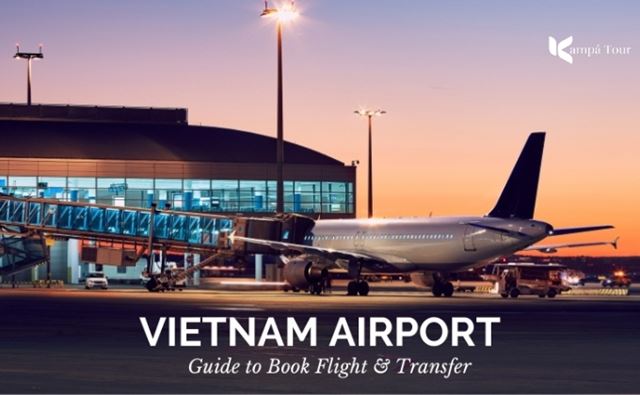










Hi Bharat,
You may bring cash into Vietnam, but please note that if you're carrying more than 15 million VND or USD 5,000, it must be declared at customs upon arrival. Amounts below this do not require a declaration.
For Indian passport holders, a visa is not required to visit Phu Quoc only.
Regarding your layovers:
In Kuala Lumpur, your 2-hour stop does not require a visa, provided you remain in the international transit area and do not pass through immigration.
In Bangkok, the same applies to your 6-hour layover, no visa is needed as long as you stay within the transit zone and do not exit the airport.
Please feel free to reach out if you’d like help with the visa application process or have any other travel questions.
Hi! For your 6D5N trip to Phu Quoc with a direct flight, Indian citizens don’t need a visa for stays up to 30 days, provided you stay on Phu Quoc and don’t visit mainland Vietnam. Apologies for any earlier mix-up about your plans! Ensure your passport is valid for 6 months and you have proof of onward travel.
For payments, forex cards and Indian credit cards are widely accepted in Phu Quoc for purchases and ATM withdrawals (in VND). However, some small vendors and markets may prefer cash, so carry some VND.
With a forex card (e.g., Niyo), you can load any amount, spend directly in VND, and only incur ATM withdrawal fees (varies by machine + ~₹218 for Niyo). Withdraw cash once and use POS payments where possible.
Have a wonderful trip to Phu Quoc!
Hi! Getting from the north to the south of Phú Quốc is actually quite straightforward. You can take a taxi, use Grab, or try Xanh SM (the electric taxis). The drive takes around 45–60 minutes, and the cost is usually between 400,000–600,000 VND depending on the distance.
Island hopping means visiting a few of the smaller nearby islands by boat, usually as part of a day tour.
For luggage, you can ask your hotel if they offer a luggage transfer service, many are happy to help, especially if you’ve booked both hotels in advance. If not, you could arrange a taxi just to transport your bags while you travel separately or explore on the way.
Happy to help if you’d like recommendations for transport or tours!