Vietnam Sleeper Train: The Ultimate Overnight Train Guide
I've spent the better part of a decade dragging backpacks, suitcases, and the occasional very confused first-timer onto Vietnamese trains at godawful hours of the night. So let me save you some guesswork: yes, taking a Vietnam sleeper train is one of the best ways to travel long distances in this country, but only if you pick the right train and the right cabin.
This guide is everything I wish someone had told me before my first ride from Hanoi to Sapa, wedged into a hard sleeper with a chicken (yes, a live chicken) two bunks over. We'll cover the best routes, real 2026 prices, how to actually book a ticket without your browser tab timing out in Vietnamese, the cabin classes that matter, the luxury trains worth the splurge, and the mistakes I still see travelers make weekly.
Written by Trang Nguyen (Local Expert)
Updated on Jul 07, 2026
0 comment
Trang Nguyen has lived in Vietnam for nearly three decades and spent much of her life exploring Asia. She has joined numerous field trips, stayed with ethnic communities in the northern mountains, and gained deep insights into local cultures and landscapes. Her writing reflects an honest passion for authentic travel and meaningful connections. If you have any questions about her journeys, feel free to reach out and leave a comment!
Short answer: usually, yes. Longer answer: it depends on what you're optimizing for.
Sleeper Train
Flight
Sleeper Bus
Comfort
⭐⭐⭐⭐
⭐⭐⭐⭐
⭐⭐⭐
Price
$$
$$$
$$
Scenery
⭐⭐⭐⭐⭐
⭐
⭐⭐
Sleep quality
⭐⭐⭐
⭐⭐
⭐⭐
Pros:
You save a night's accommodation
The scenery especially the coastal stretch near Hai Van Pass is genuinely stunning
No airport transfers eating into your day
Way more legroom than a bus, and honestly more than most economy flights
Cons:
It's slow. Hanoi to Da Nang can take 15-17 hours depending on the train
Toilets range from "fine" to "an experience you'll tell stories about"
Noise and light discipline vary wildly by carriage
Who should book it: Travelers with time to spare, anyone who gets a kick out of scenery, budget-conscious backpackers, and honestly, anyone who's never done it before- it's just a memorable way to travel.
Who should skip it: If you're tight on time (say, a 10-day trip trying to hit six cities) or you're prone to motion sickness on rocking, clanking transport, book a flight instead and don't feel bad about it.
What Is a Vietnam Sleeper Train?
Day Trains vs. Overnight Trains
Day trains make sense for shorter hops where scenery is the whole point: Hue to Da Nang over the Hai Van Pass.
Overnight trains, on the other hand, let you sleep through the boring bits and wake up already at your destination. Why burn a whole day sitting upright when you could burn it sleeping and save a hotel night in the process?
Why burn a whole day sitting upright when you could burn it sleeping and save a hotel night in the process?
Why Travelers Love Sleeper Trains
There's something almost old-fashioned about it. No security lines, no boarding gates, no getting weighed down by budget airline baggage fees. Just you, a bunk, a thermos of hot water for instant noodles, and a country unspooling outside your window.
No security lines, no boarding gates, no getting weighed down by budget airline baggage fees.
Vietnam Sleeper Train Classes Explained
Class
Description
Pros
Cons
Hard Seat
Upright bench seating, no recline. Best for short daytime trips.
Cheapest fare
Very uncomfortable for long or overnight journeys
Soft Seat
Cushioned, air-conditioned upright seats.
More comfortable than hard seat
Still not suitable for overnight travel
Hard Sleeper (6-Berth)
Six bunks in an open cabin with no door.
Budget-friendly, authentic experience
No privacy, can be noisy
Soft Sleeper (4-Berth) ⭐
Four bunks in a private cabin with a door and A/C.
Best balance of comfort, privacy, and value
Costs more than hard sleeper
VIP First-Class Sleeper
Premium private tourist carriages with upgraded interiors and service.
Most comfortable option
Most expensive; quality varies by operator
The best operators
Operator
Price Tier
Privacy
Comfort
Noise
Best For
Livitrans
$$$
High
High
Low
Couples, honeymooners
Lotus Train
$$$
High
High
Low
Comfort-focused travelers
Chapa Express
$$
Medium
Medium
Medium
Budget-conscious upgraders
VicSapa
$$$
High
High
Low
Solo travelers wanting privacy
Luxury Sleeper Trains in Vietnam
The Vietage
Technically a daytime luxury train rather than an overnight sleeper, The Vietage operates between Da Nang and Quy Nhon.
It offers spacious seating, fine dining, and elegant interiors, making it one of Vietnam's most luxurious rail experiences. While it isn't a sleeper train, it's well worth considering if you enjoy premium rail travel.
The Vietage, Luxury Train in Central Vietnam
Tourist Sleeper Trains to Sapa
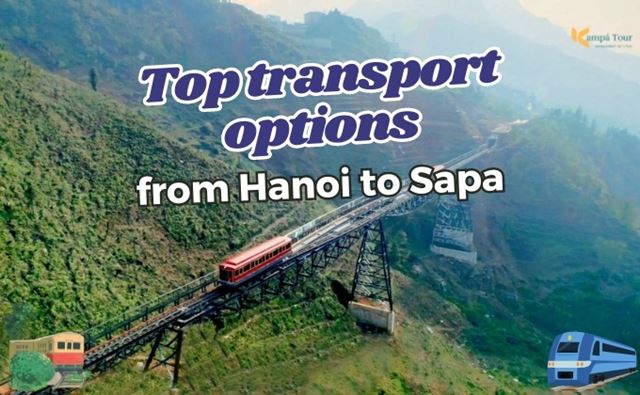
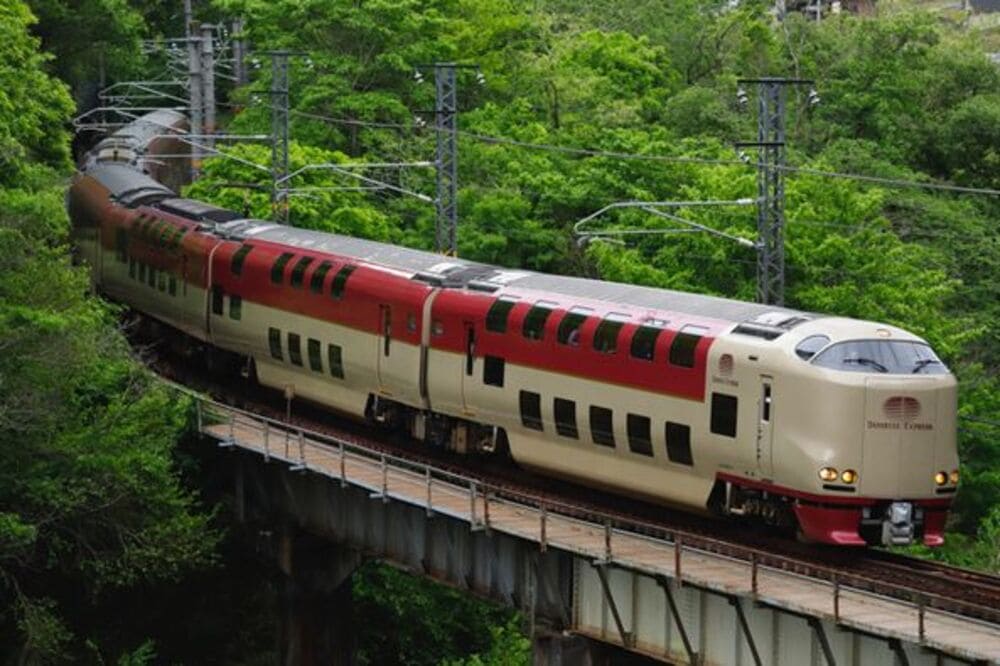
The Hanoi–Lao Cai route, the gateway to Sapa, is served by several private luxury sleeper trains, including Chapa Express, Victoria Express, Livitrans, Lotus, and Fanxipan Express. These operators compete with stylish cabins ranging from classic colonial-inspired wood interiors to sleek modern designs.
SJourney
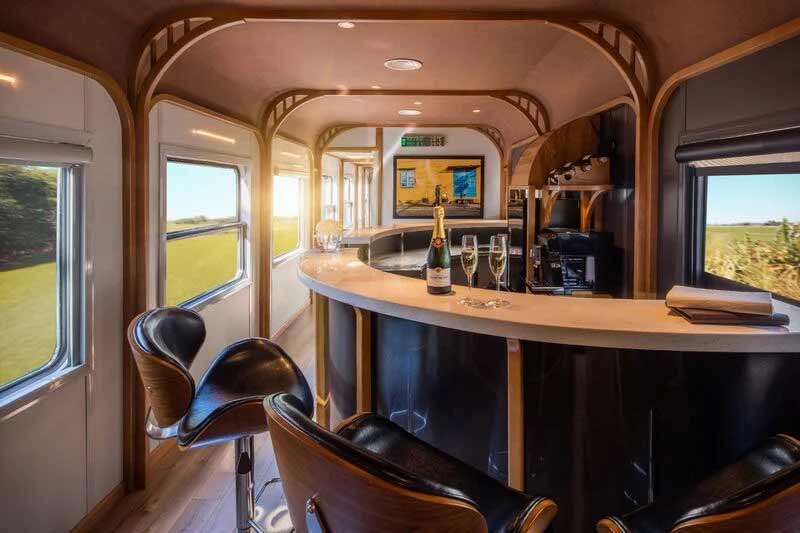
Vietnam's first luxury trans-country train, SJourney features 13 carriages, including private two-berth sleeper cabins and elegant dining cars inspired by Indochine design.
The all-inclusive 8-day journey travels across Vietnam, with fares starting from around VND 200 million (US$8000) per person.
Hoa Phuong Do (Red Flamboyant) Train
Launched in May 2025, the Hoa Phuong Do luxury train runs between Hanoi and Hai Phong. Its two VIP Indochine-style carriages blend Asian and European design, offering a more upscale experience on this short route.
VIP tickets start from VND 250,000 on weekdays (VND 300,000 on weekends) (US$10 - $12) and include a complimentary drink.
Best Overnight Train Routes in Vietnam
Route
Distance
Travel Time
Average Price
Recommended Train
Notes / Scenery
Hanoi → Sapa
~296 km
8–9 hours
$30–70
Tourist operators (Chapa Express, Victoria Express)
Classic backpacker route- board in Hanoi, sleep, and wake up near the mountains
Hanoi → Hue
~688 km
12–13 hours
$25–45
SE trains (SE3, SE5)
Good overnight option to save on accommodation while covering a long distance
Hanoi → Da Nang
~791 km
15–17 hours
$30–55
SE trains with a strong on-time record
Longest common overnight route; very rewarding if you catch the coastal section in daylight
Da Nang → Nha Trang
~525 km
9–10 hours
$20–40
SE trains
Coastal glimpses south of Da Nang; useful for chaining coastal stops without flying
Nha Trang → Ho Chi Minh City
~411 km
7–8 hours
$18–35
SE trains
Less dramatic scenery than northern routes, but a comfortable shorter overnight trip
Ready to experience Vietnam by sleeper train? Book your journey today and wake up to a new destination.
The most direct option, and often the cheapest since there's no booking fee layered on top. The interface has improved over the years but can still be clunky for non-Vietnamese speakers.
Another reliable third-party platform, similar to 12Go, sometimes with slightly different pricing or availability- worth a quick cross-check.
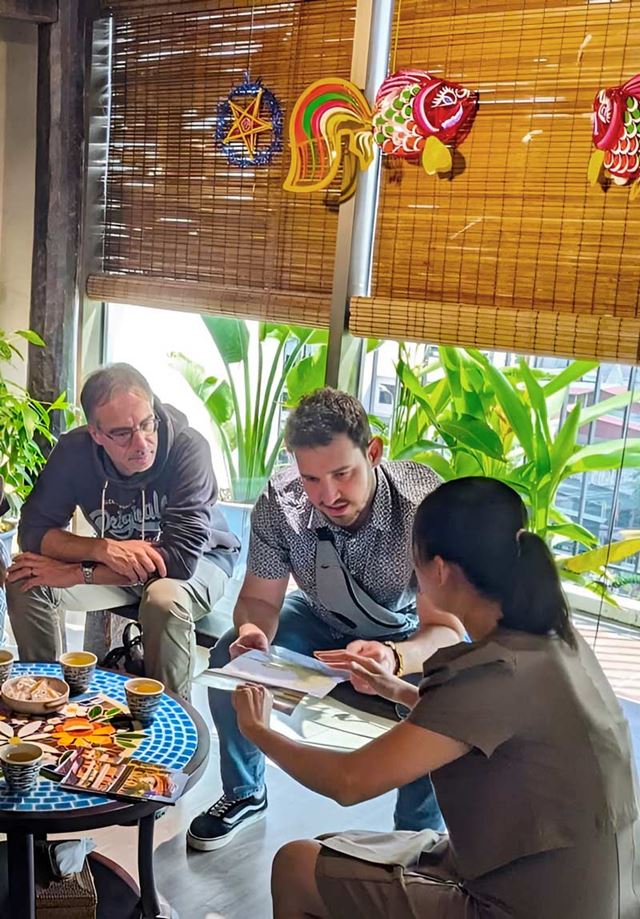
Hotels & Travel Agencies like Kampá Tour
Convenient if you'd rather not deal with any of it yourself, but expect a markup for the service. Contact us here.
Step-by-step booking:
Decide your route and travel date
Compare cabin classes and operators (don't just default to whatever's first)
Book through your chosen platform, entering passport details exactly as they appear
Save your e-ticket or PDF confirmation- some conductors still want a printed or clearly visible copy
Arrive at the station at least 30-45 minutes early
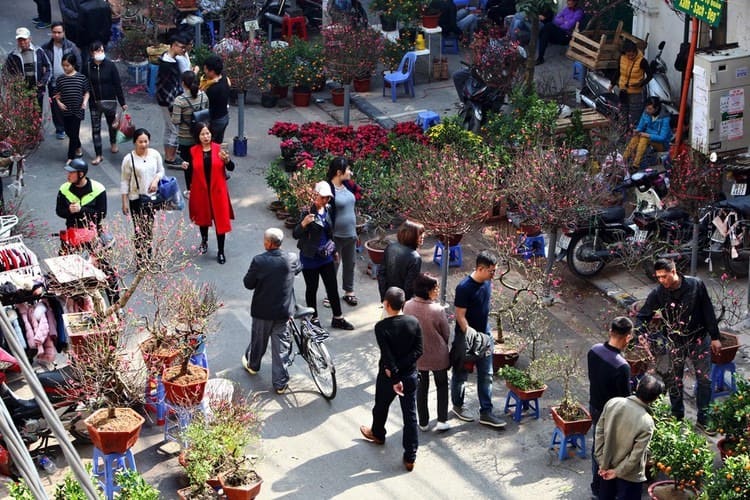
Booking timeline: Book 1-2 weeks ahead for normal season, and 6-8 weeks ahead if you're traveling around Tet (Vietnamese New Year) or major holidays, when tickets vanish fast.
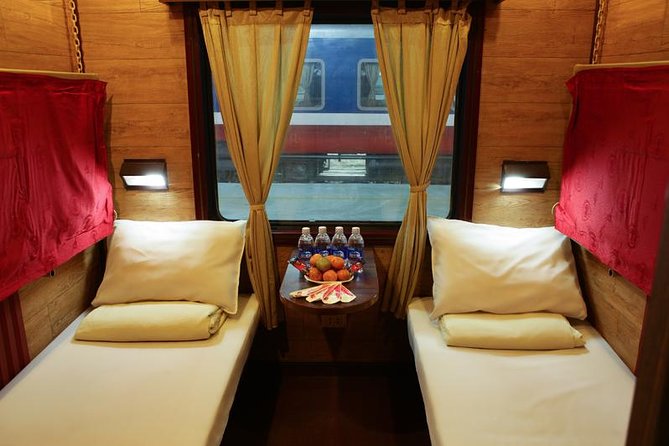
Cabins are compact but functional, with proper beds, a small table, and enough space for your luggage.
Most trains now have power outlets, though not always at every berth, so bringing a power bank is a smart backup. WiFi, where available, is unreliable, so don't count on it.
Bathrooms vary by train, from Western-style toilets on newer services to squat toilets on older ones, so pack wet wipes.
Food carts regularly sell instant noodles, snacks, and drinks, and many trains have a basic dining car, though it's best not to rely on it for every meal.
Air conditioning is generally effective but can be unpredictable, so a light layer is worth packing. Luggage fits under the lower bunk or on overhead racks, but keep valuables within easy reach. Noise levels also vary: hard sleeper carriages tend to be livelier, while soft sleeper and private cabins are usually much quieter.
>>> Before your journey, explore our guide to Hanoi Train Street to see one of the city's most iconic railway attractions.
My honest tip after years of doing this: earplugs and an eye mask aren't optional extras, they're basically part of the ticket price.
Safety, Comfort & Packing Tips
Is It Safe?
Generally, yes. Vietnam's sleeper trains are well-used by families, students, and business travelers, not just tourists. Standard travel-smart precautions apply, same as anywhere.
Solo Travelers
Perfectly fine, especially in soft sleeper or private carriages where you can lock your cabin door. Hard sleeper is fine too, just keep your bag within reach or looped through something secure.
Families
Soft sleeper or a private tourist carriage is worth the extra cost here- kids sleep better in a quieter, enclosed cabin, and so will you.
Theft Prevention
Use the cabin door lock where available, keep your day bag and passport with you rather than in overhead storage, and consider a small cable lock for extra peace of mind on longer hauls.
>>>> Many overnight trains stop in Da Nang, making it a perfect destination to explore Vietnam's stunning central coast.
Packing Checklist
Passport (and a photo of it, just in case)
Power bank
Ear plugs
Eye mask
Wet wipes
Snacks
Sweater or light jacket
Reusable water bottle
Expert Tips
Choose the lower berth. Easier access, more headroom, less climbing at 2 a.m.
Book SE trains where possible - generally better maintained than some of the older regional services.
Avoid traveling around Tet unless you enjoy fully booked trains and inflated prices.
Bring your own breakfast. Onboard food is fine in a pinch, but it won't win any awards.
Wake early for the Hai Van Pass if your route passes through- it's genuinely one of the best views in the country, and it's easy to sleep through it.
Don't rely entirely on onboard food carts- stock up on snacks before boarding.
Arrive early. Vietnamese train stations don't run on "just made it" energy the way airports sometimes do.
Charge devices whenever you get the chance, since outlet access isn't always guaranteed at your specific berth.
Book SE trains where possible - generally better maintained than some of the older regional services.
Conclusion
So, is the Vietnam sleeper train worth it? For most travelers, absolutely- it's scenic, budget-friendly, and honestly kind of romantic in an old-world way that flying will never replicate. If you're short on time, fly. If you've got a bit of flexibility and want a trip that feels like an adventure rather than just a commute, book that soft sleeper, grab the lower berth, and let the country roll past your window.
FAQs
Is the Vietnam sleeper train safe?
Yes, generally speaking. These trains are used daily by locals of all ages, not just tourists. Standard precautions- keeping valuables close, using cabin locks where available- are all you really need.
Can foreigners book Vietnam train tickets?
Yes, foreigners can book directly through Vietnam Railways or through third-party platforms like 12Go and Baolau, both of which have English interfaces designed with international travelers in mind.
Should I choose upper or lower berth?
Lower berth, every time, if given the choice. It's easier to access, has more headroom, and doesn't require a late-night climb when you need the bathroom.
Are there showers onboard?
No, standard sleeper trains don't have showers. Some luxury tourist carriages offer slightly more comfortable washing facilities, but don't expect a full shower experience on any Vietnam sleeper train.
Is the luxury train worth it?
If your budget allows, yes- you're paying for a genuinely nicer cabin, better bedding, and often a calmer, quieter carriage. It's not essential, but it does turn a functional overnight trip into something closer to a mini-experience in itself.
Planning your trip?
Save time and get expert advice for FREE!
✅ 15 years of local experience
✅ Save up to 40 hours of planning
✅ Travel stress-free from start to finish
Book your free consultation today!
















 Our team
 Our team
 Our team
 Our team

.jpg)
.jpg)
.jpg)
.jpg)
.jpg)
.jpg)
(1).jpg)
.jpg)
.jpg)
.jpg)
.jpg)


 Other
Other Add us as a preferred source