For many people, food is the main reason they keep coming back to Vietnam. And if there is one city that truly reflects the soul of Vietnamese cuisine, it is Hanoi.
Hanoi’s food is not flashy. Locals value balance over boldness: rice flour dishes, fresh herbs, excellent pork, and light yet deeply flavorful broths. Iconic dishes like bún chả (grilled pork with rice noodles), phở (Vietnamese beef or chicken noodle soup), bún riêu (tomato crab noodle soup), bánh cuốn (steamed rice rolls), xôi (sticky rice), and chè (Vietnamese sweet desserts) are part of everyday life.
Written by Trang Nguyen (Local Expert)
Updated on Oct 12, 2026
2 comments
Trang Nguyen has lived in Vietnam for nearly three decades and spent much of her life exploring Asia. She has joined numerous field trips, stayed with ethnic communities in the northern mountains, and gained deep insights into local cultures and landscapes. Her writing reflects an honest passion for authentic travel and meaningful connections. If you have any questions about her journeys, feel free to reach out and leave a comment!
To eat like a local in Hanoi, remember one simple rule: 👉 The smaller the stools, the better the food tends to be.
Street food is the heart of Hanoi’s culinary culture. Locals grab breakfast at a market stall, sip coffee on the sidewalk in the early morning, and end the day with a hot bowl of noodles in a quiet alley.
1. Bun cha Hung Lau
Address: 6 Ngõ Trạm Street, Cửa Đông Ward, Hoàn Kiếm District
Prices: from 50,000 VND (around USD 2.00)
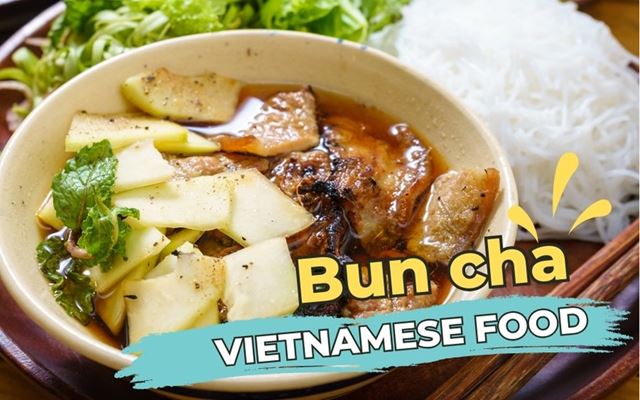
Bún chả is one of those dishes I grew up seeing everywhere in Hanoi. It’s something locals eat regularly, whether for lunch or an early dinner. While the dish became internationally famous after Anthony Bourdain and President Barack Obama shared a meal during their visit to Vietnam, for people in Hanoi, bún chả has always been essential.
Bún chả is one of those dishes I grew up seeing everywhere in Hanoi.
At Bún chả Hùng Lẩu, the dish is prepared in the traditional Hanoi way. The pork slices and minced pork patties are marinated simply and grilled over charcoal until fragrant. They’re served with thick white rice vermicelli, a generous plate of fresh herbs, sliced cucumber, and a warm fish sauce–based dipping broth. I usually dip the noodles straight into the broth and add herbs as I go.
The broth is well balanced and not too sweet, but I especially like the minced pork patties. They’re tender, juicy, and full of flavor. I also recommend ordering the nem cua bể (fried crab spring rolls). They’re crispy, rich, and pair perfectly with the bún chả. If I’m craving a proper, no-frills bún chả in the Old Quarter, this is a place I trust.
2. Pho Nguyet
Address: 5B Phủ Doãn Street, Hàng Trống Ward, Hoàn Kiếm District, Hanoi
Prices: from 55,000 VND to 130,000 VND (around USD 2.20 – 5.20)
If you live in Hanoi, phở isn’t something you “go out of your way” to eat. It’s just there. Early in the morning, late in the evening, on quiet streets or busy corners, phở is part of daily life.
A proper bowl of Hanoi phở is simple. Clear beef broth, wide flat rice noodles, thin slices of beef, a bit of spring onion and herbs. The broth is the most important part. It should be light, fragrant, and naturally sweet from the bones, not overloaded with spices. When it’s done right, you don’t need much else.
A proper bowl of Hanoi phở is simple.
I usually eat phở plain first, before adding anything. Then maybe a little vinegar, some black pepper, or chili, depending on the day. In Hanoi, phở often comes with quẩy, crispy fried dough sticks that you dip into the soup. It’s not fancy, but it’s exactly how locals like it.
Phở is the kind of meal you eat without thinking too much about it. You sit down, eat, and leave. It's still my comforting food.
Address: 14 Hàng Lược Street, Hàng Mã Ward, Hoàn Kiếm District
Prices: from 40,000 VND to 100,000 VND per bowl (around USD 1.60 – 4.00)
Bún riêu is one of those noodle soups you don’t usually see promoted as much as phở, but for many locals, it’s just as important. It’s bold, tangy, and full of character, very different from the clean, subtle flavors of Hanoi phở.
A proper bowl of bún riêu is built around a crab-based broth, made from paddy crab paste, simmered with tomatoes to give the soup its signature light sourness and natural sweetness. It’s served with rice vermicelli noodles and topped with a mix of crab paste, pork, tofu, sometimes blood jelly or snails, depending on the place.
What really makes bún riêu special is how you finish it yourself at the table. Shrimp paste, chili, lime, and sometimes tamarind are always there. The shrimp paste has a strong smell, but when used lightly, it adds depth and a rich seafood flavor to the soup. The balance of sour, salty, and slightly sweet is what makes this dish addictive.
No bowl of bún riêu is complete without vegetables. You’ll usually get a big plate of fresh herbs, banana blossom, water spinach, and bean sprouts to add as you eat. It’s messy, fragrant, and very satisfying. If you want to try a noodle soup that feels truly local and less “touristy,” bún riêu is a great place to start.
Discover more local things to do in Hanoi!!!
4. Cha Ca 84 (grilled turmeric-marinated catfish)
Address: 48 Liên Trì Street, Trần Hưng Đạo Ward, Hoàn Kiếm District
Price: from 135,000 VND per portion (around USD 5.30)
Chả cá is one of those dishes that people in Hanoi grow up knowing. It’s not something trendy or modern, and it’s not meant to be eaten quickly. You usually go with someone, sit down, and take your time.
When the pan arrives at the table, it’s already hot. The fish has been marinated with turmeric and spices, and as soon as it hits the oil, the smell fills the room. Then come the dill and spring onions. A lot of dill. The aroma is strong, almost overwhelming at first, but this is exactly how chả cá is supposed to smell.
The fish has been marinated with turmeric and spices, and as soon as it hits the oil, the smell fills the room.
The fish continues cooking right in front of you, turning golden and soft, slightly crisp at the edges. You eat it piece by piece, combining it with rice vermicelli, herbs, peanuts, and a little shrimp paste. Everyone has their own way of mixing it. Some add more herbs, some add more noodles, some barely touch the shrimp paste. The key is not to overdo it.
The shrimp paste has a strong smell, but when used lightly, it brings everything together. It adds depth and saltiness that balances the richness of the fish and the oil. The fish itself is tender and buttery, and the turmeric gives it warmth without making it spicy.
Chả cá is not a quiet dish. The pan keeps sizzling, the smell clings to your clothes, and you usually leave feeling full and satisfied. For people in Hanoi, that’s part of the charm. It’s a dish tied to memory, family meals, and long conversations at the table. That’s why chả cá still matters here.
5. Banh cuon ba Xuan
Address:16 Hòe Nhai Street, Nguyễn Trung Trực Ward, Ba Đình District, Hanoi
Approximate price: Around 45,000 VND per portion (about USD 1.80)
Bánh cuốn is a very normal breakfast in Hanoi. The locals eat it early in the morning or late at night.
The rolls are made from rice batter, steamed very thin and rolled while still hot. Inside is minced pork and wood ear mushrooms. At this place, the bánh cuốn are soft and fresh, not chewy. You usually get pork loaf or fish cake on the side, a small plate of herbs (mostly mint), and a bowl of dipping sauce.
The rolls are made from rice batter, steamed very thin and rolled while still hot.
How locals eat it is simple. Add a bit of lime to the sauce first. Taste it. Then maybe some chili or garlic. Take one roll, add a few herbs, dip it lightly, and eat. Don’t soak it. If you soak it, it falls apart and loses the texture.
The taste is light. That’s the point. You’re not supposed to feel full or heavy afterward. It’s clean, warm food that’s easy to eat, especially in the morning. This place gets busy because people around the area eat here regularly.
If you want to know how people in Hanoi actually eat breakfast, this is it.
If you want to know how people in Hanoi actually eat breakfast, this is it.
Vietnam, Authentically Yours
Thẻ tour 5287,4821,5288
6. Banh Mi Thit Xien Quang Trung (grilled pork skewer baguette)
Address: 31 Quang Trung Street, Hoan Kiem District, Hanoi
Prices: from 10,000 VND (around USD 0.40) per skewer, 50,000 for the bread (around USD 2.00).
This grilled pork skewer stall is often considered one of the best spots in Hanoi for the grilled pork skewer.
The meat is tender, juicy, and well seasoned. The pork is chosen with a good balance of lean meat and fat, so it stays moist when grilled over charcoal and never feels dry. The smell alone usually draws people in from down the street.
Right next to this stall, you’ll also find two other snacks that locals often eat together with the skewers. Bánh tráng trộn is a mixed rice paper snack with dried beef, quail eggs, herbs, peanuts, and a tangy, savory sauce. Chè khúc bạch is a light, chilled dessert made from milk jelly, usually served with longan and almonds, refreshing and not too sweet.
You can easily try all three in one stop. It’s a very typical Hanoi street snack setup: quick, casual, and best enjoyed standing or sitting on low stools, just like the locals do.
24 Phan Đình Phùng Street, Ba Đình District, Hanoi
4 Hàng Dầu Street, Hoàn Kiếm District, Hanoi
Prices: From 25,000 VND (around USD 1.00)
Bánh Mì Cô Ba (Bánh Mì Hiệu Cô Ba) is one of those places in Hanoi that people don’t really make a big deal about, but almost everyone knows. I usually eat it in the morning. It’s easy to eat, filling enough, and honestly, just good.
The bánh mì here is simple in the best way. Crispy baguette, pâté, cold cuts, pickled vegetables. Nothing fancy, nothing overdone. It’s the kind of bánh mì you grab on the way to work, eat quickly on the sidewalk, or take with you when you don’t have much time. It’s light but still satisfying, and it tastes exactly how a Hanoi bánh mì should.
That’s probably why I keep coming back.
8. Xoi Che Ba Thin
Addresses:
1 Bát Đàn Street, Hoàn Kiếm District, Hanoi
95 Hàng Bồ Street, Hoàn Kiếm District, Hanoi
Price: Around 30,000 VND per bowl (about USD 1.20)
Xôi chè is a very typical Hanoi comfort food. People usually eat it in the late afternoon or early evening, especially when the weather starts to cool down.
The dish is a combination of xôi vò (sticky rice) and chè. The sticky rice is made from nếp cái hoa vàng, a local glutinous rice, cooked with mung beans so the grains stay soft, fluffy, and lightly fragrant. The chè eaten with it is usually chè bà cốt or mung bean sweet soup, gently sweetened and often scented with a bit of ginger.
When people in Hanoi talk about xôi chè, Bà Thìn is usually the first name that comes up. The shop started in the 1930s as a small street vendor and later moved into the Old Quarter. It’s one of the oldest xôi chè places in the city and still keeps the traditional taste.
The shop itself is very small, with just a few low tables. Most of the customers are regulars who have been coming here for years.
For many locals, xôi chè brings back memories of walking around the Old Quarter with family, stopping for a small bowl to share.
9. FAQs
1. What is Hanoi famous for food?
Hanoi is famous for bún chả (grilled pork), phở (beef noodle soup), bún riêu (crab noodle soup), bánh cuốn (steamed rice rolls), and chả cá (turmeric fish with dill).
2. What to avoid in Hanoi?
Try to avoid places that look too touristy, especially big restaurants with long English menus and high prices. In Hanoi, the best food is often found at small street stalls where locals sit on low stools and eat quickly.
3. Where to eat in Hanoi for dinner?
For dinner, the Old Quarter is a great choice, with local favorites hidden in small alleys such as bún chả Hùng Lẩu, xôi chè Bà Thìn, and traditional chả cá restaurants popular with Hanoians.
4. What did Anthony Bourdain eat in Hanoi?
In Hanoi, Anthony Bourdain shared a simple bún chả meal with President Obama at Bún Chả Hàng Mành, a local dish of grilled pork served with vermicelli and fish sauce.
5. Is food poisoning common in Hanoi?
It’s not something most travelers experience in Hanoi. Just eat where locals eat, choose places that are busy, and stick to freshly cooked food. Avoid tap water and you’ll usually be fine.
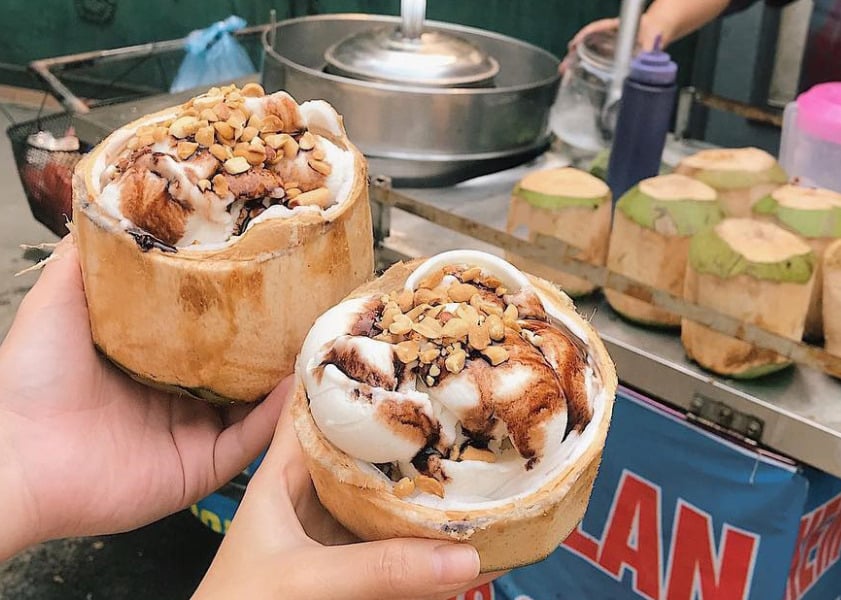
Hanoi coconut ice cream
Last words
You really can’t go wrong eating in Hanoi’s Old Quarter. It’s honestly harder to find bad food than good food here. One simple rule I always follow, and usually tell friends as well: if you want to eat well, follow the locals. You’re very unlikely to find the best Vietnamese food inside your hotel.
This list is made up of places and dishes I often recommend to friends when they visit Hanoi. From experience, I’d say about 80% of it will suit your taste. The remaining 20%… maybe you just weren’t born for that dish. And that’s okay. Food is personal. Still, if you get the chance, try it anyway.
All you really need to do is step into the Old Quarter, grab a small plastic stool, and start eating your way through the streets.
If we’ve missed your favorite Hanoi dish, feel free to leave a comment and share it with us.
I have a sensitive stomach, so what dishes would you recommend for me? I’ve heard some concerns about food hygiene in Vietnamese cuisine, so I’m a bit hesitant. Thanks in advance for your advice!
0Reply
K
Kampá Tour12 Jan 2026
Hi Kate, thanks for your question!
Dishes like chicken pho, rice porridge (cháo), or broken rice with grilled meat are light, fully cooked, and easy to handle.
We usually suggest eating at busy local spots where food is cooked fresh, and taking it easy on raw veggies, seafood, and fermented items at first. Start simple, see how your stomach feels, then explore more from there 😊
Planning your trip?
Save time and get expert advice for FREE!
✅ 15 years of local experience
✅ Save up to 40 hours of planning
✅ Travel stress-free from start to finish
Book your free consultation today!



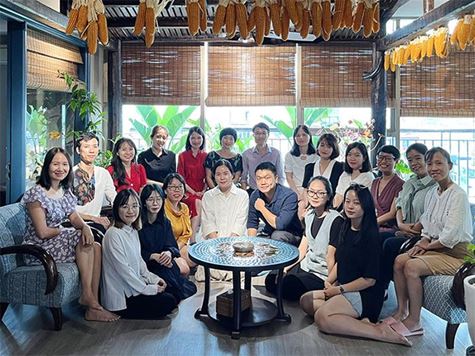
 Our team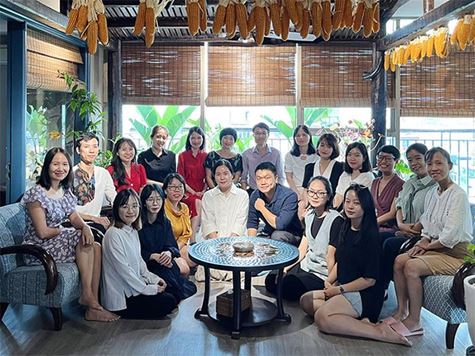
 Our team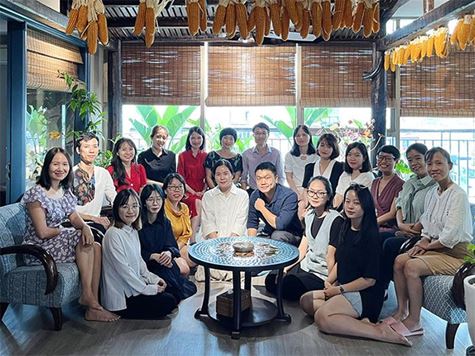
 Our team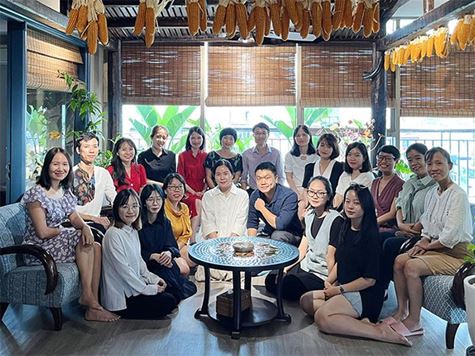
 Our team















.jpg)
.jpg)
.jpg)
.jpg)


.png)


.jpg)


 Other
Other Add us as a preferred source







Hi Kate, thanks for your question!
Dishes like chicken pho, rice porridge (cháo), or broken rice with grilled meat are light, fully cooked, and easy to handle.
We usually suggest eating at busy local spots where food is cooked fresh, and taking it easy on raw veggies, seafood, and fermented items at first. Start simple, see how your stomach feels, then explore more from there 😊