Hue Festival 2026: All About Year-Round Events and Dates
Hue Festival 2026 is not a single weekend event, but a year-round cultural programme in Vietnam’s former imperial capital. Under the theme “Cultural Heritage with Integration and Development”, the festival highlights Hue’s royal legacy while opening the city to contemporary arts and international exchange. Organised around four seasons, it gives travellers different ways to experience Hue: spring focuses on royal rituals and traditional ceremonies, summer brings the liveliest performances and parades, autumn is marked by lanterns and local festivities, while winter slows down with music, food and end-of-year events.
Written by Minh Vo (Local expert)
Updated on Jun 11, 2026
0 comment
Minh VO, a blogger and travel enthusiast, born and raised in Hanoi, a city rich in history, culture, and delicious cuisine. Growing up in the heart of Vietnam fostered a deep appreciation for travel and storytelling, inspiring the sharing of experiences with others.
Here to help you learn more about your destination and everything surrounding it. Whether looking for travel tips, local experiences, or unique attractions, there’s something covered for every traveler. Don't hesitate to ask if you have any questions!
Hue Festival is one of Vietnam’s most important cultural festivals, held in the former imperial capital of Hue. It brings together the city’s royal heritage, Nguyen Dynasty traditions, Buddhist culture, folk rituals, music, cuisine, ao dai performances and international arts programmes.
The annual festivals in Hue are always very colorful and lively, attracting many tourists
What makes Hue Festival special is that it is not only a series of shows. It is a way to experience Hue as a living heritage city, where imperial history, spiritual traditions and everyday local culture still shape the rhythm of the city.
The magnificent opening of the Hue Festival
In 2026, Hue Festival follows a year-round, four-season format rather than a single festival week. This model supports Hue’s ambition to become Vietnam’s signature festival city, while giving travellers different reasons to visit throughout the year.
Best time to visit Hue Festival 2026
If you are visiting Hue for the first time, June is the safest choice. This is when the International Arts Festival Week takes place, from 13 to 18 June 2026, and the city has the strongest festival atmosphere: more performances, more parades, more evening events, and simply more reasons to stay out after dark.
But June is not the only good time to come. May is quieter and more spiritual, with Vesak Week and vegetarian food events showing a very Hue side of the city. September is easier for families, especially if you like lanterns, lion dances and the Mid-Autumn mood. Winter is less spectacular, but it suits travellers who prefer music, food and a slower rhythm.
Hue Festival 2026 schedule by season
Spring Festival: royal rituals and ancient Hue
January – March
The Spring Festival, known as “Ancient Capital Spring”, opens Hue Festival 2026 with a quieter but deeply traditional atmosphere. It begins on 1 January with the announcement of Hue Festival 2026 and the reenactment of the Ban Sóc Ceremony, a royal ritual once used by the Nguyen Dynasty to mark the new calendar.
The reenactment of life in the Imperial City of Hue is one of the opening events for the Hue Festival 2025
From January to March, Hue turns toward its ceremonial roots: royal-style Tet activities, folk games, traditional performances and local festivals linked to the old imperial capital. This is also the season to look for events such as the Huyen Tran Princess Temple Festival, which honours one of the most symbolic historical figures in Hue’s story.
A stunning performance at the Ancient Capital Spring Festival
Spring is not the busiest or most spectacular part of Hue Festival. It is better suited to travellers who want to understand Hue’s rituals, history and traditional way of celebrating the new year before the larger performances arrive in summer.
The Spring Food Festival attracts many visitors with the enticing smells and flavors of Hue’s cuisine
Summer Festival: the main highlight of Hue Festival 2026
April – June
Summer is the season most travellers should pay attention to. Officially themed “The Citadel Shines”, this is the period when Hue Festival 2026 moves from traditional spring rituals into larger public events, night programmes, parades and international performances.
For visitors, the main reason to focus on summer is simple: this is when Hue feels most like a festival city. April brings the Imperial City into the spotlight, May shows a quieter Buddhist and food-focused side of Hue, while June is the peak month for performances and street events.
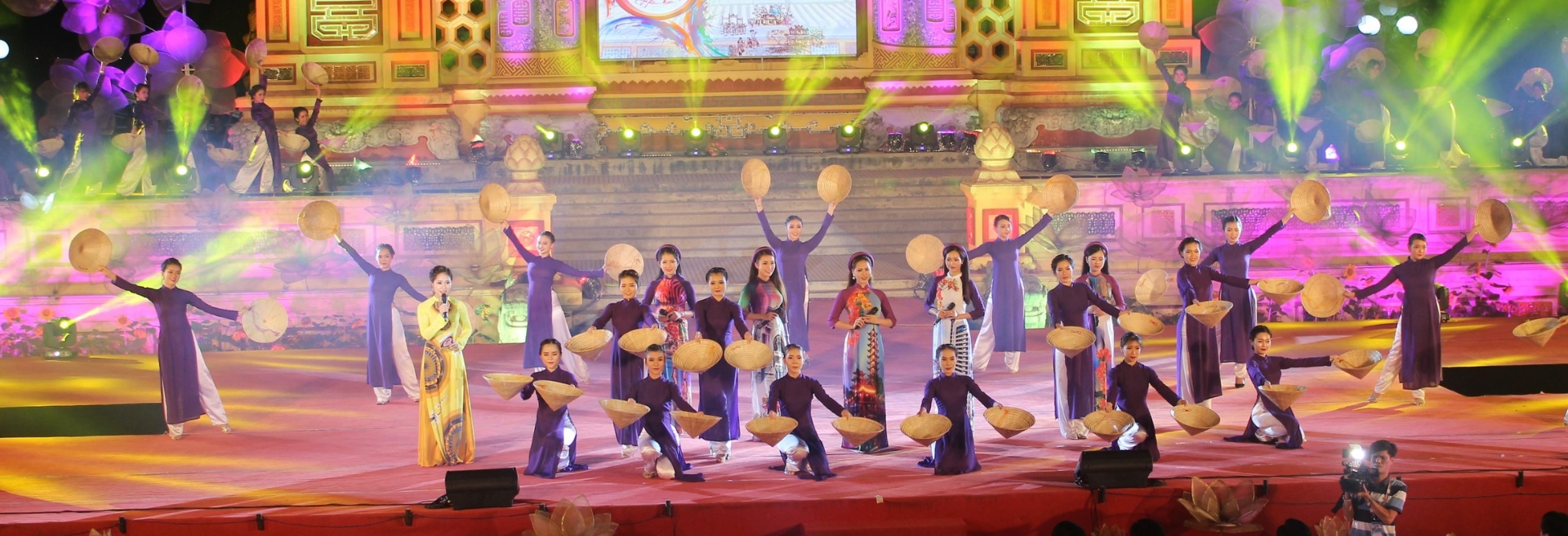
Participants will get to wear beautiful and traditional Vietnamese ao dai during the event
April highlights: Imperial City by night and river rituals
April is a good choice if you want a strong heritage atmosphere without waiting for the June crowds. The key event is Hoàng Cung Huyễn Dạ (Mystical Imperial Palace), held in the evening from 25 to 28 April 2026. Instead of seeing the Imperial City only as a daytime monument, visitors can experience it as a night-time cultural space, with royal settings, performances and a more atmospheric side of Hue’s heritage.
April also has a more local rhythm. The Hue Nam Temple Festival, also known as the Điện Hòn Chén Festival, brings river processions and folk beliefs into the festival calendar. It is not the easiest event to understand at first glance, but it is one of the clearest examples of Hue as a living heritage city: rituals, boats, costumes and spiritual traditions are still part of local life.
A vibrant parade featuring Ao Dai and colorful bird-themed costumes during Ao Dai week
Food lovers can also look for the Royal Cuisine programme, which connects Hue’s imperial past with one of the city’s strongest travel appeals: its cuisine. If you have extra time, events around Thuan An Beach can add a coastal touch to the April programme, but first-time visitors should prioritise the Imperial City and river-based events.
May highlights: Buddhist culture and vegetarian cuisine
May is not the loudest month of Hue Festival, and that is exactly why it can be interesting. This is the month for travellers who want to see Hue’s Buddhist side, especially during Vesak Week, when temples, lanterns and community activities create a calmer atmosphere than the June peak.
The Vegetarian Food Festival is another reason to consider May. Hue has one of Vietnam’s richest vegetarian food traditions, shaped by Buddhist culture and local cooking habits. During the festival, vegetarian cuisine is not treated as a side note, but as part of the city’s identity.
The hot air balloon festival is also a highlight event during the summer
Some activities also extend beyond the city centre, including events linked to Lang Co and the mountainous areas around Hue.
June highlights: International Arts Festival Week
June is the safest choice for first-time visitors. The main highlight is the International Arts Festival Week from 13 to 18 June 2026, when Hue hosts domestic and international performances, community stages, evening programmes and street events.
This is when Hue feels most animated. If April is about heritage and May is about spirituality, June is about festival atmosphere: more people in the streets, more performances to catch, and more reasons to stay in the city after dark.
A dazzling Lantern Festival in Hue, lighting up the night with vibrant colors
One of the easiest events for travellers to enjoy is the street festival “Sắc màu văn hóa” (Colours of Culture), with music, costumes and parades. You do not need deep knowledge of Hue’s history to enjoy it; the energy is immediate and visual.
June also brings a wider mix of events, from the Beer Festival and Hue Lotus activities to “Chợ quê ngày hội”, Photo tour programmes and events around Tam Giang Lagoon. These are useful options if you want to go beyond the main stages and see different sides of Hue: social, rural, photographic and riverside.
Autumn Festival: lanterns, river life and local traditions
July – September
The Autumn Festival, themed “Hue in Autumn”, has a different rhythm from the summer peak. It is less about large international stages and more about local atmosphere: craft villages, folk music, family celebrations, river events, lanterns and traditional performances.
July opens the season with a more local and hands-on programme. Instead of big parades, this month focuses on traditional craft experiences, community sports, folk music and heritage village events. Activities such as the traditional craft village displays along the Perfume River walking streets and the “Hương xưa làng cổ” event in Phuoc Tich Ancient Village are good examples of Hue’s slower cultural side.
During the Mid-Autumn Festival, Hue will light up the streets with lively lion & dragon dances
August continues the local theme, with cultural and art events, film activities and the Hue Nam Temple Festival at Điện Huệ Nam. This is a better month for travellers who want to see Hue’s folk beliefs and spiritual traditions rather than the large-scale festival atmosphere of June.
The Food Festival will also take place during this time, offering a delicious experience of Hue cuisine
September is the main month to watch in autumn. It brings some of the most visitor-friendly events of the season, including the traditional boat race on the Perfume River, Hue food events, lion dances, Hue classical theatre and the Mid-Autumn programme with lanterns and street processions.
Visitors can also explore and join in the celebrations of the A Luoi ethnic group’s event in Hue
Autumn is a good choice for families and slow travellers who prefer atmosphere over big-stage performances. If June shows Hue at its liveliest, autumn shows the city in a more local and intimate mood.
The energy and liveliness come from the boat races on the Perfume River
Winter Festival: music, food and a slower Hue
October – December
The Winter Festival, themed “Winter in Hue”, closes the year on a softer note. This is not the season for the biggest parades or the busiest international performances, but it gives Hue a warmer and more relaxed cultural rhythm.
Hue Symphony, a music event held in the final month of the festival
From October to December, the programme focuses more on music, food and year-end gatherings. One of the main highlights is the Trinh Cong Son music programme, which suits Hue especially well: quiet evenings, poetic songs and a slower atmosphere than the summer festival week.
The festival closes in December with performances and gratitude for contributors
Winter is also a good time for travellers who want to enjoy Hue without rushing. Instead of chasing a full calendar of events, you can combine light festival activities with local food, garden houses, pagodas, the Imperial City and the royal tombs at a more comfortable pace.
The season ends with the Countdown to New Year 2027 on 31 December 2026, closing the year-round Hue Festival programme. Winter is less spectacular than June, but it can be more rewarding for travellers who prefer music, food and the slower side of Hue.
Traditional festivals behind Hue Festival
Hue Festival 2026 is not built from a blank calendar. Its strongest events come from things Hue has carried for a long time: royal memory, Buddhist life, folk beliefs, river rituals and food traditions. That is why the festival feels different from a normal arts programme. It is not only about watching shows; it is also about seeing how local culture still appears in public life.
Traditional festival
When
Why it matters
Hue Nam Temple / Điện Hòn Chén Festival
Spring and autumn lunar calendar
One of Hue’s most atmospheric folk festivals, with river processions, temple rituals and strong links to the Perfume River.
Vesak / Phật Đản
4th lunar month
Shows Hue’s deep Buddhist culture through pagodas, lanterns, ceremonies and community activities.
Huyen Tran Princess Temple Festival
Spring
Connects the festival calendar with historical memory and local rituals honouring Princess Huyen Tran.
Vegetarian Food Festival
Vesak Week 2026
Highlights Hue’s Buddhist cuisine and shows why vegetarian food is part of the city’s cultural identity.
Some of these festivals are part of the official 2026 programme, while others are long-standing traditions that help explain the spirit behind Hue Festival.
Hue also has smaller craft and performing-art rituals, such as ceremonies linked to goldsmiths, blacksmiths or classical theatre. They are valuable for understanding local heritage, but they are more relevant for specialist travellers than first-time visitors. For most travellers, the four festivals above are enough to understand why Hue Festival is rooted in living traditions, not only staged performances.
Are Hue Festival events free or ticketed?
Several major Hue Festival 2026 events are free for visitors. Hoàng Cung Huyễn Dạ (Mystical Imperial Palace), held at the Imperial City from 25 to 28 April 2026, is announced as a community programme with no entrance fee. The Hue International Music Week 2026 is also designed as a free public programme for local people and travellers.
Street events are usually the easiest to enjoy. For example, the street festival “Sắc màu văn hóa” takes place on the main streets of Hue, making it a simple event for visitors to watch from public areas. For these open-air activities, you normally do not need to plan far in advance; arriving early for a good viewing spot is more important.
That said, do not assume every Hue Festival activity is free. Some special exhibitions, dining experiences, workshops or limited-capacity programmes may require tickets, registration or advance booking. Ticket rules can also change depending on the venue and the final programme.
The safest approach is to check the latest official schedule before arrival, especially if you are planning your trip around one specific event. Do not build your whole Hue itinerary around a single activity until the time, venue and access conditions are confirmed.
💡 Let us help make your journey to Vietnam easier!



 Our team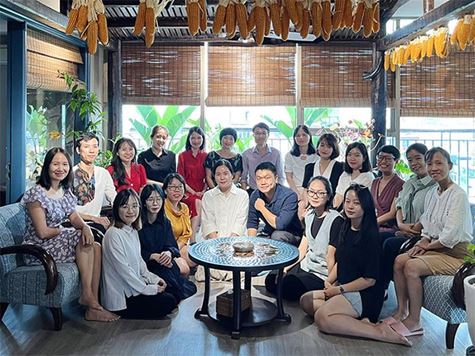
 Our team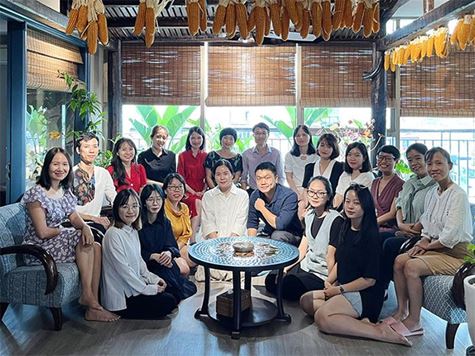
 Our team
 Our team

.jpg)
.jpg)
.jpg)
.jpg)
.jpg)
.jpg)
.jpg)
.jpg)
.jpg)
.jpg)
(1).jpg)
.jpg)
.jpg)
.jpg)
.jpg)


 Other
Other Add us as a preferred source