Sapa in July sits at the heart of the rainy season, when the mountains are draped in their most dramatic shades of green and the terraced rice fields of the Hoang Lien Son range reach peak lushness. Mist clings to the valley floors in the mornings, waterfalls cascade powerfully down the hillsides, and the landscape pulses with the energy of a countryside fully alive.
Rainfall is at its highest of the year, but breaks in the cloud still offer rewarding views and perfectly enjoyable trekking windows, particularly in the early morning.
In this guide, you will discover everything you need to know about Sapa weather in July, including temperatures, rainfall patterns, what the landscape looks like, and practical travel tips to help you plan a rewarding trip during the peak of the green season.
Written by Trang Nguyen (Local Expert)
Updated on Jun 10, 2026
0 comment
Trang Nguyen has lived in Vietnam for nearly three decades and spent much of her life exploring Asia. She has joined numerous field trips, stayed with ethnic communities in the northern mountains, and gained deep insights into local cultures and landscapes. Her writing reflects an honest passion for authentic travel and meaningful connections. If you have any questions about her journeys, feel free to reach out and leave a comment!
Daytime temperatures in Sapa during July typically range between 18°C and 27°C.
Night temperatures are mild and cool, usually staying around 16°C–20°C.
July is the wettest month of the year in Sapa, with rainfall averaging around 300–370 mm.
The rice terraces are at their most vivid green, making July one of the most visually spectacular months for photography and trekking.
Early mornings often offer clear skies and fresh mountain air before clouds and rain develop through the day.
What is Sapa’s July Weather Like?
July sits at the very peak of Sapa’s monsoon season. Rainfall is heavier and more frequent than any other month, and the mountain environment takes on a wild, dramatic character that is quite unlike the quieter, clearer months of autumn and spring.
Daytime temperatures typically range between 18°C and 27°C (64°F–81°F), while nights cool noticeably to around 16°C–20°C (61°F–68°F).
Despite the rain, July is one of the most visually rewarding months to visit Sapa. The terraced rice paddies, still weeks away from harvest, are a deep, saturated green that photographers and nature lovers travel specifically to capture. The clouds that roll across the mountain ridges create a constantly shifting atmosphere, and waterfalls are at their most powerful and impressive.
Mornings in July can be deceptively clear and beautiful. The best strategy for visitors is to plan all outdoor activities before midday and build flexibility into afternoon schedules, as showers can be heavy and arrive with little warning.
Sapa Weather in July: Overview
Weather Factor
July Average
Daytime temperature
18°C – 27°C (64°F – 81°F)
Night temperature
16°C – 20°C (61°F – 68°F)
Rainfall
About 300–370 mm for the month
Humidity
Around 80–90%
Sunshine
3–5 hours per day
Rainy days
Approximately 20–25 days
Snow
None
Daytime temperatures are pleasantly warm but cooler than the summer lowlands of Vietnam.
Nights are noticeably cool, requiring a light layer or jacket after dark.
Rainfall is at its annual peak, with heavy showers most common in the afternoon and evening.
Morning hours are the most reliable window for outdoor activities and photography.
Rainfall is at its annual peak, with heavy showers most common in the afternoon and evening.
What Makes July Weather Unique in Sapa?
July is the month when Sapa’s monsoon character is most fully expressed. The air is thick with moisture, the mountainsides are a wall of green, and the sound of rain on the valley below is a constant backdrop to life in the highlands.
For travellers who embrace the conditions rather than resist them, July offers an experience of Sapa that is raw, atmospheric, and deeply memorable.
July is the month when Sapa’s monsoon character is most fully expressed.
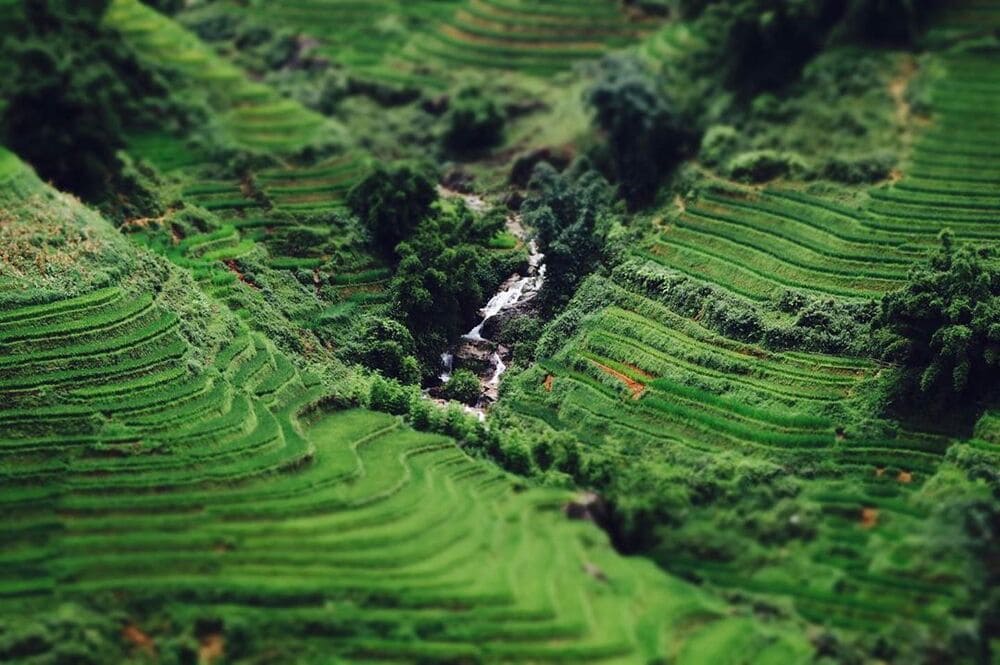
One of July’s defining features is the rice terraces. The paddies planted in May and June have now matured into a thick, luminous green that cascades down the hillsides of the Muong Hoa Valley in sweeping curves. This is the landscape that appears on postcards and travel magazines, and July is one of the best months to see it at its most vivid.
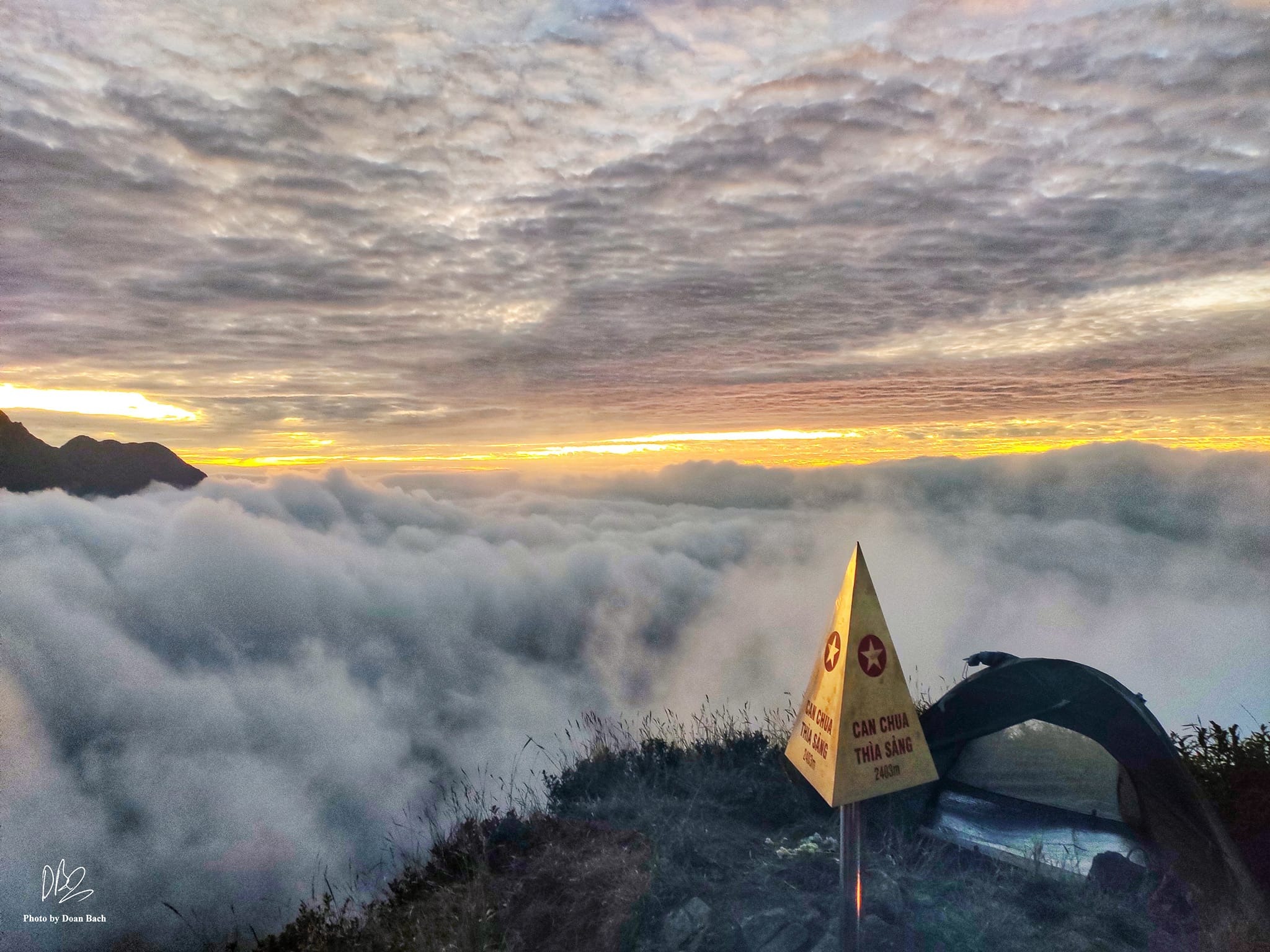
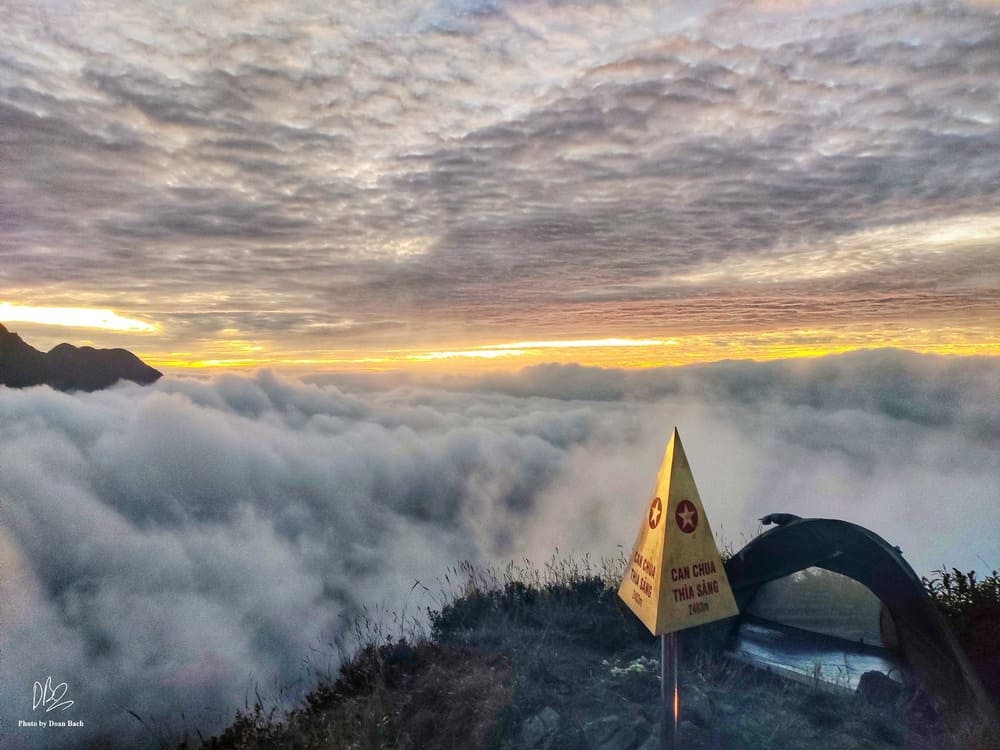
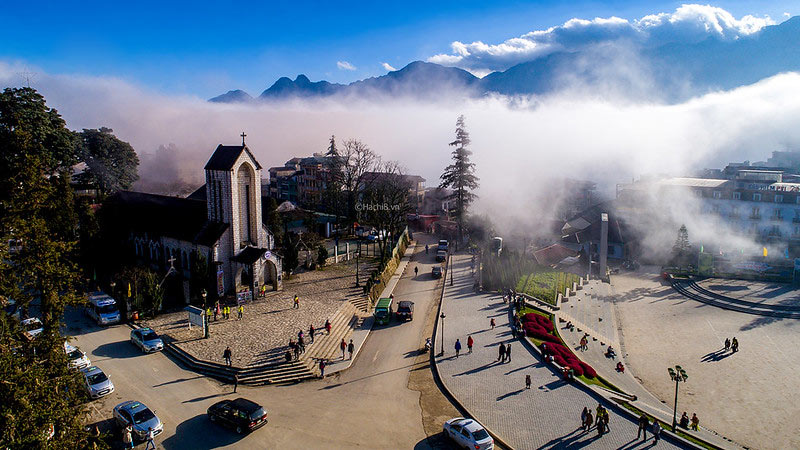
The cloud patterns in July are also extraordinary. Mornings frequently begin with clear or partially clear skies, and as the day progresses, clouds pour over the mountain ridges and fill the valleys below. At times, the town of Sapa itself sits above the clouds, offering views across a sea of white mist that stretches toward the Chinese border.
July rewards travellers who plan carefully and embrace the mountain atmosphere. Early mornings are the key to making the most of outdoor activities, and there is no shortage of cultural, natural, and adventure experiences to fill each day.
Trek Through the Green Rice Terraces
July trekking through the Muong Hoa Valley is a visually spectacular experience. The terraces are fully flooded and green, the air is fresh after overnight rain, and the morning light on the paddies creates scenes that are genuinely breathtaking. Routes through villages such as Cat Cat Village, Lao Chai, and Ta Van are all accessible in the morning before the rain returns.
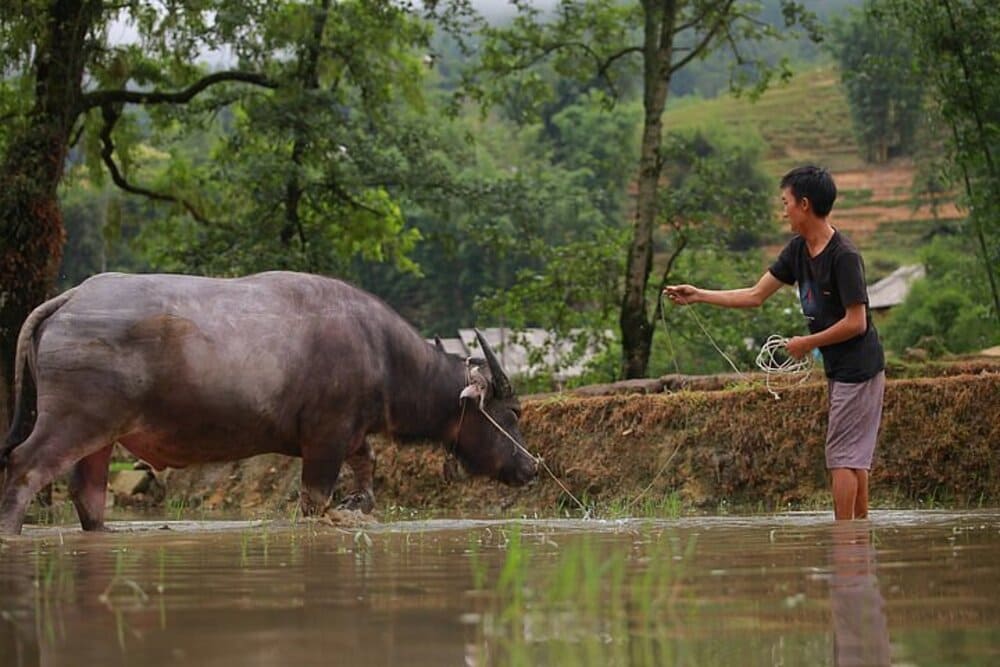
The Hmong in Lao Chai Village
Waterproof trekking shoes and a reliable rain jacket are absolutely essential in July. Trails become genuinely slippery and muddy after rain, and some paths in lower areas may be partially flooded. Hiring a local guide is strongly recommended, as they know which trails remain safe and passable throughout the month.
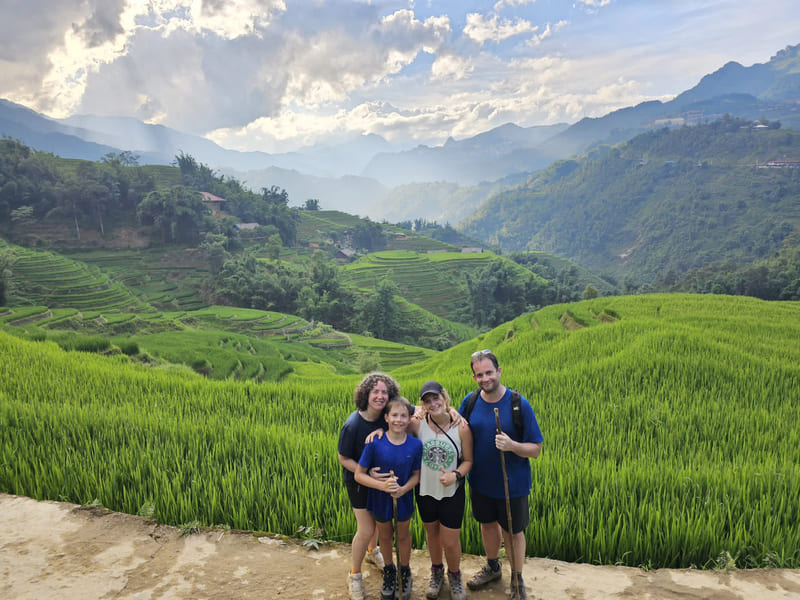
Unforgettable hike in the heart of the rice terraces (photo by our dear travelers)
Ride the Cable Car to Fansipan
July is one of the most atmospheric months to visit Fansipan, the highest peak in Indochina at 3,143 metres. The surrounding slopes are a deep, dramatic green, and the summit frequently sits above the cloud layer, offering surreal views across a white sea of mist below. The Fansipan cable car is the ideal way to reach the summit in July, as the hiking trail is very muddy and exposed in wet conditions. Visibility from the top varies greatly, so an early morning visit maximises the chances of a clear view.
Visit Thac Bac — Silver Waterfall
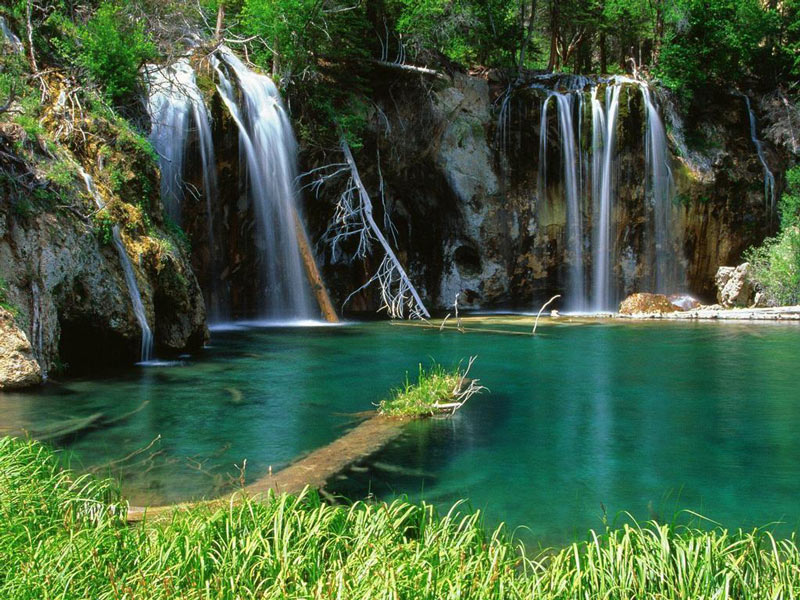
July is arguably the single best month to visit Thac Bac, the Silver Waterfall located just a short drive from Sapa town along the road toward Lai Chau. Fed by the full force of the monsoon rains, the waterfall reaches its maximum volume and power in July, dropping 200 metres down the mountainside in a spectacular white cascade. The surrounding forest is intensely green and the mist from the falls creates a cool, refreshing atmosphere even on the warmest days.
Explore Bac Ha and Can Cau Markets
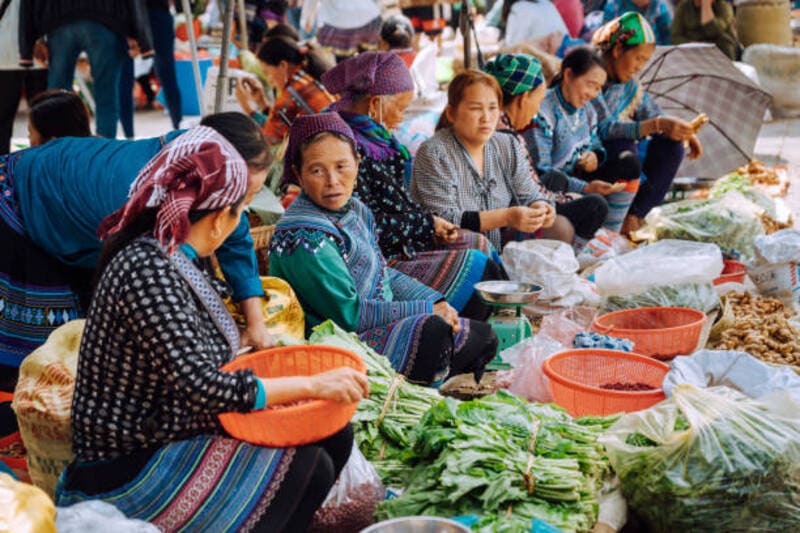
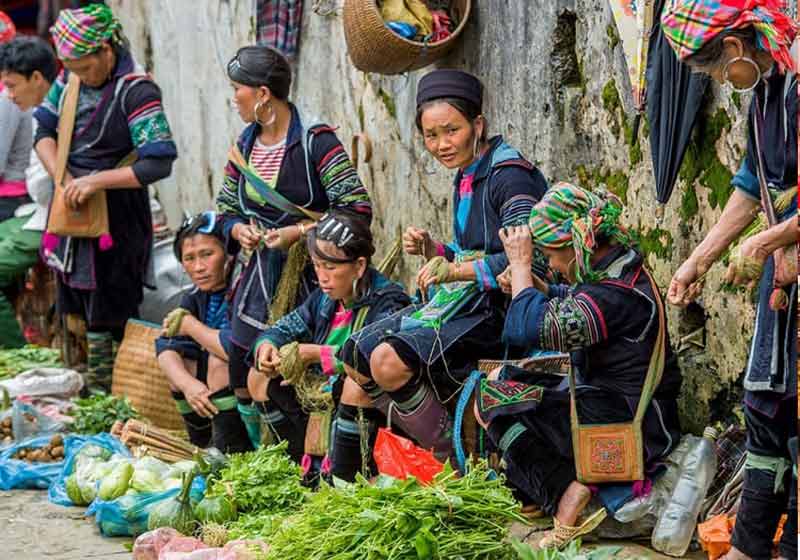
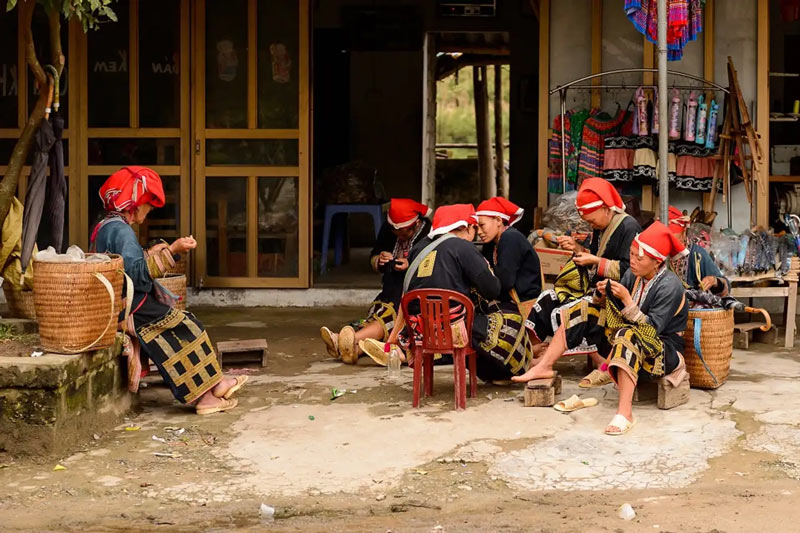
The weekend markets of the broader Sapa region remain a highlight in July regardless of the weather. Bac Ha Market, held every Sunday, and the Can Cau Market, held on Saturdays, bring together Flower H’mong, Tay, and other ethnic minority groups in a vivid display of traditional clothing, locally grown produce, and handmade crafts. These markets are partially covered and remain lively even when rain is falling, making them a reliable and culturally rich activity for July afternoons.
Sapa Market — also called “Chợ Phiên”
Visit O Quy Ho Pass
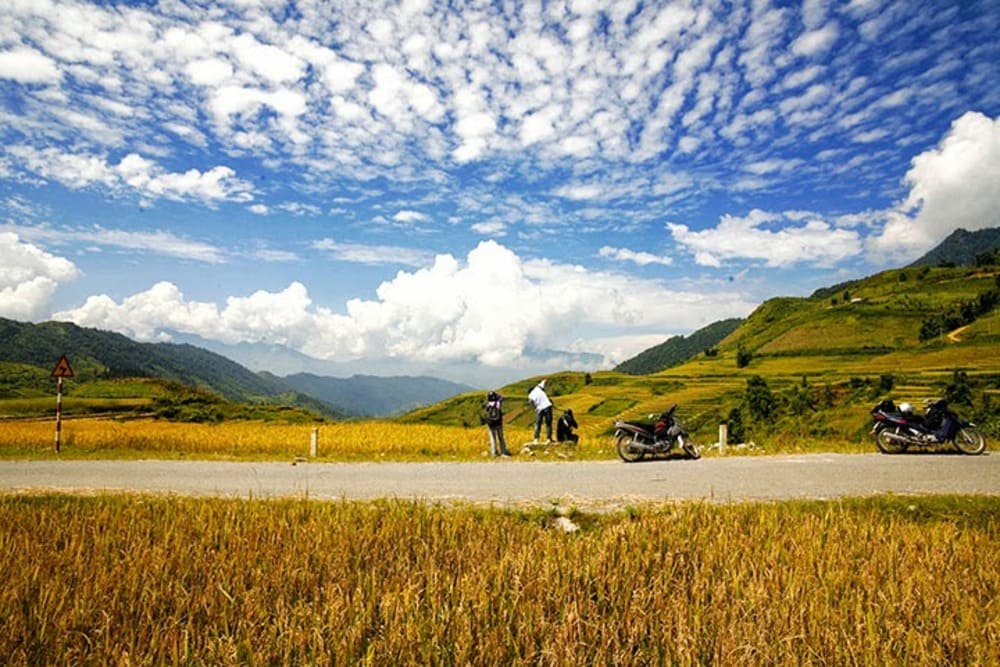
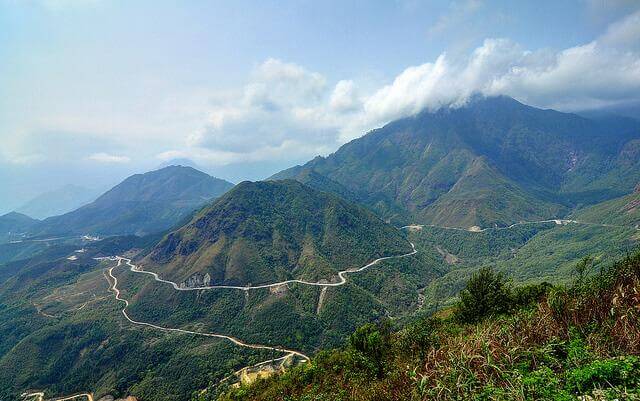
The O Quy Ho Pass, one of the most scenic mountain passes in northern Vietnam, is particularly dramatic in July. Located on the road between Sapa and Lai Chau, the pass winds through dense jungle and cloud forest, with views across mist-filled valleys on both sides. In July the vegetation is at its thickest and most lush, and the pass itself is frequently shrouded in low cloud that drifts across the road in atmospheric waves. The journey is best done in the morning when visibility is highest.
What Clothes to Wear in Sapa in July?
July’s combination of warm days, cool nights, and heavy rainfall requires careful packing. The right clothing will make the difference between a comfortable adventure and a soggy, cold experience.
Light, quick-dry clothing: breathable fabrics that dry quickly are ideal for the warm and humid daytime conditions.
Waterproof jacket: absolutely essential. A high-quality waterproof layer should be within reach at all times.
Light fleece or warm mid-layer: evenings and nights are genuinely cool, and a layer for after dark is important.
Waterproof trekking shoes: trails are wet and muddy throughout July; non-waterproof footwear will be soaked within minutes on any trail.
Waterproof daypack cover: protecting cameras, electronics, and documents from heavy downpours is essential.
Insect repellent: the warm, wet conditions of July increase mosquito activity, particularly in valley villages.
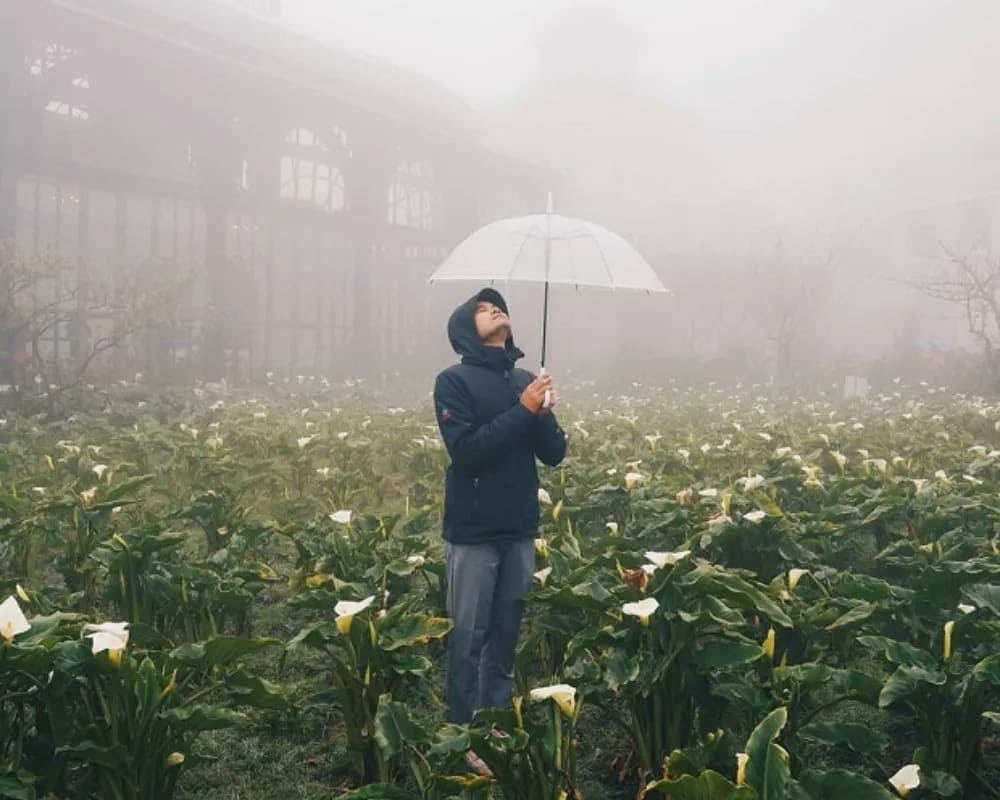
A small umbrella can also be useful for short walks around Sapa town, where rainfall can be sudden and intense even when the morning has been clear.
Today, the ancient Sapa church stands proudly as a testament to Vietnam’s rich history
FAQs About Sapa Weather in July
Is July a good time to visit Sapa?
Yes, for the right kind of traveller. July offers the most dramatic and lush version of the Sapa landscape, with vivid green terraces, powerful waterfalls, and extraordinary cloud scenery. It is the wettest month of the year, so travellers who are flexible, well-equipped, and willing to plan around the rain will have a genuinely spectacular experience. Those who prefer dry, sunny conditions should consider visiting in September or October instead.
How much does it rain in Sapa in July?
July is Sapa’s wettest month, with rainfall typically averaging between 300 and 370 mm spread across approximately 20 to 25 rainy days. Showers are most intense in the afternoon and evening, while mornings are usually the clearest part of the day.
Is trekking possible in Sapa in July?
Yes, with the right preparation. Morning trekking in July is very rewarding, with lush green scenery and fresh mountain air. Waterproof footwear, a rain jacket, and a local guide are all strongly recommended. Some lower valley trails may be muddy or partially flooded after heavy overnight rain, so checking conditions with your guide before setting out is advisable.
How cold does Sapa get at night in July?
Nights in Sapa in July are noticeably cool, typically dropping to around 16°C–20°C (61°F–68°F). A light fleece or warm layer is recommended for evenings, particularly after rain when temperatures can feel cooler than the numbers suggest.
Are the rice terraces green in July?
Yes — July is one of the best months of the year to see the Sapa rice terraces at their most vivid green. The paddies planted in May and June have reached full height and the entire valley is covered in a rich, deep green that is particularly beautiful in the morning light and after rainfall.
What should I pack for Sapa in July?
Light quick-dry clothing, a high-quality waterproof jacket, a warm mid-layer for evenings, waterproof trekking shoes, a waterproof daypack cover, sunscreen for the morning sunshine hours, and insect repellent are all recommended for travel in July.
Planning your trip?
Save time and get expert advice for FREE!
✅ 15 years of local experience
✅ Save up to 40 hours of planning
✅ Travel stress-free from start to finish
Book your free consultation today!








 Our team
 Our team
 Our team
 Our team



 Other
Other Add us as a preferred source