Pu Luong Travel Guide 2026: How to Explore It Like a Local
Pu Luong Nature Reserve, just a 4-hour drive from Hanoi, is one of northern Vietnam’s top wildlife destinations. Known for its breathtaking landscapes and the vibrant cultures of the White Thai, Muong, and Tay ethnic groups, it’s a place where food, art, and traditional crafts thrive.
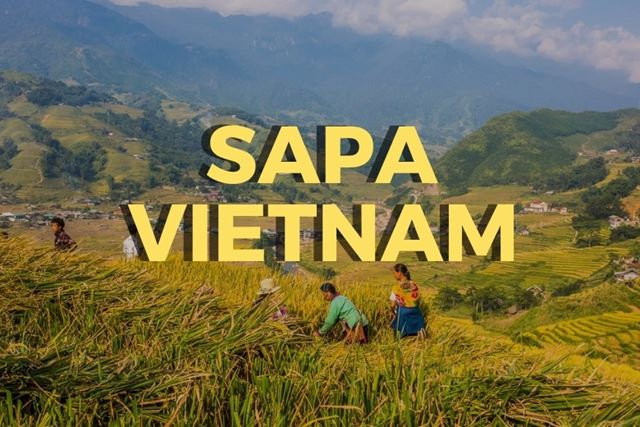
While many travelers immediately think of Sapa or Mu Cang Chai for rice terraces and mountains, those spots can get quite crowded, especially during the golden harvest season. Pu Luong, on the other hand, offers the same majestic scenery but with fewer tourists, making it a quieter and more authentic alternative.
If you’re wondering where to go, what to see, or when to visit, this guide will walk you through everything you need to plan the perfect Pu Luong adventure.
Written by Trang Nguyen (Local Expert)
Updated on Jul 22, 2026
0 comment
Trang Nguyen has lived in Vietnam for nearly three decades and spent much of her life exploring Asia. She has joined numerous field trips, stayed with ethnic communities in the northern mountains, and gained deep insights into local cultures and landscapes. Her writing reflects an honest passion for authentic travel and meaningful connections. If you have any questions about her journeys, feel free to reach out and leave a comment!
Pu Luong is a mountain reserve in Thanh Hoa Province, roughly 150 km southwest of Hanoi, far less visited than Sapa but just as striking. Rice terraces drop down the hillsides, Thai villages sit tucked between them, and waterfalls cut through the forest. Most people come to trek, stay with local families, drift down the river on bamboo rafts, or wander the mountain markets. It is the largest and most essential nature reserve in northern Vietnam.
Pu Luong Quick Facts
Distance from Hanoi: 150 km
Travel time: 4–5 hours
Province: Thanh Hoa
Best months: May–June, September–October
What to do: trekking, cycling, waterfalls, markets
Main attractions: Hieu Waterfall, Pho Doan Market, Bat Cave, Kho Muong Village, Cham Stream, Don Village
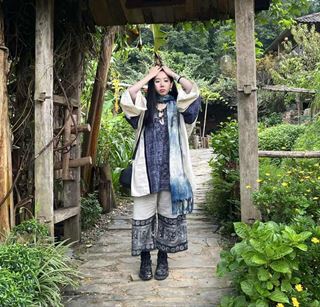
The first photo of our team in Pu Luong
That beautiful tranquility has been secured through a balance between nature and humans, with many ethnic groups, but probably the most typical being the Thai, who take refuge in charming stilt houses with palm-leaf roofs, adding a striking cultural ambiance to the area.
>>> Worth knowing:
In Thai, the language spoken by the Thai people, who are the majority ethnic group in this region, the name "Pu Luong" means "the highest peak in the village". I was pleasantly surprised to find that this northern region is home to magnificent landscapes. Often, when we talk about mountains and rice terraces, we immediately think of the North-West (Sapa, Mu Cang Chai,...), which is certainly more majestic, but also more remote and requiring more time.
Thai people
If you have little time for an extended trip, but still want to “savour” the authenticity of the northern landscapes, with its mountains, rice terraces, ethnic communities and colorful local markets, then Pu Luong is the option that will suit you best! Of course, keep in mind that I'm speaking in the context of a trip where time is of the essence.
How to get to Pu Luong?
By motorbike or private car: From Hanoi, follow National Highway 6 toward Mai Chau (Hoa Binh), then continue on Highway 15C via Co Luong and Dong Dieng to reach Pu Luong. The journey takes about 4–5 hours through scenic mountain landscapes.
By bus or shared transfer: Several travel agencies and homestays offer direct shuttle services from Hanoi to Pu Luong.
Several travel agencies and homestays offer direct shuttle services from Hanoi to Pu Luong.
Once in Pu Luong, most travelers get around by bicycle, motorbike, or on foot to explore nearby villages, rice terraces, and waterfalls. Many homestays also provide bike rentals and local guides.
Biking to Pu Luong is an adventure in itself
Things to do in Pu Luong
1. Take a hike to join yourself
The road to Pu Luong winds through scenic rice paddies, with vibrant green and golden hues in November and rolling mountains in the distance. Most treks begin from a small village, where visitors are usually introduced to a local guide who knows the area well.
Many trekking routes in Pu Luong are created with input from the local community. These trails lead through rice fields, forests, streams, and quiet village paths that most travelers would never find on their own.
Peaceful little corner of Pu Luong, suitable for trekking & hiking
We were the only ones on the trail during our hike. Our route took us through various villages in the Ba Thuoc district, including Ban Don, Uoi, Lan Trong, Lan Ngoai, and Bam Tren, Kho Muong. If you're exploring on your own, simply look for these villages or ask the friendly locals for help.
The little house made of leaves where the farmers rest after work in the fields
2. Cycling and visiting Thai minority villages in Pu Luong
After a day of trekking, exploring Pu Luong by motorbike or scooter is another great way to see the area. Riding through the countryside allows visitors to admire the landscapes from a different perspective while reaching villages that are harder to access on foot.
Popular routes pass through peaceful villages like Co Lung, where you can cross small wooden bridges over streams and ride alongside vast rice fields surrounded by mountains.
Our bike ride takes us through charming villages in the heart of nature
My tips:
Hotels or homestays can help you find bikes.
Bike rental price: 50,000–100,000 VND (approx. $2–$4 USD) per day.
Electric bikes (with assist): 180,000 VND (approx. $7.50 USD) per day.
Don’t hesitate to book in advance for a better guarantee.
Our cycling journey eventually took us to the colorful Pho Doan Market, a highland market with elegant views of the majestic mountains behind it.
3. Explore Pho Doan Market
Pho Doan market is located in Lung Niem commune, Ba Thuoc district. This is a very famous periodic market of northern ethnic groups in Pu Luong. The market is open-air with stunning views of the mountains.
Writing this travelogue, I did some research about him. Interestingly, it has been there for a few centuries, originally as a market place in the time of French colonialism.
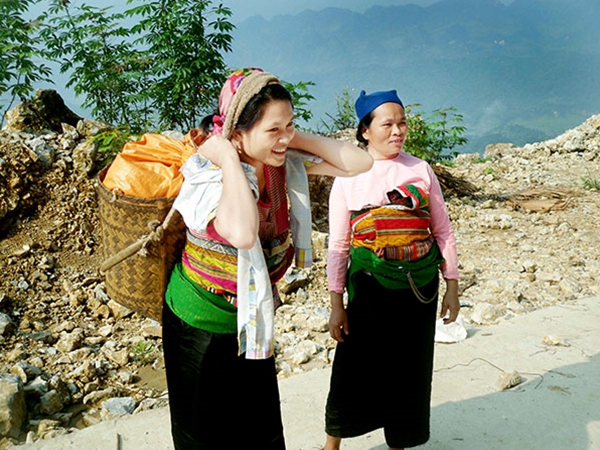
A Thai ethnic woman at the market, my favorite photo
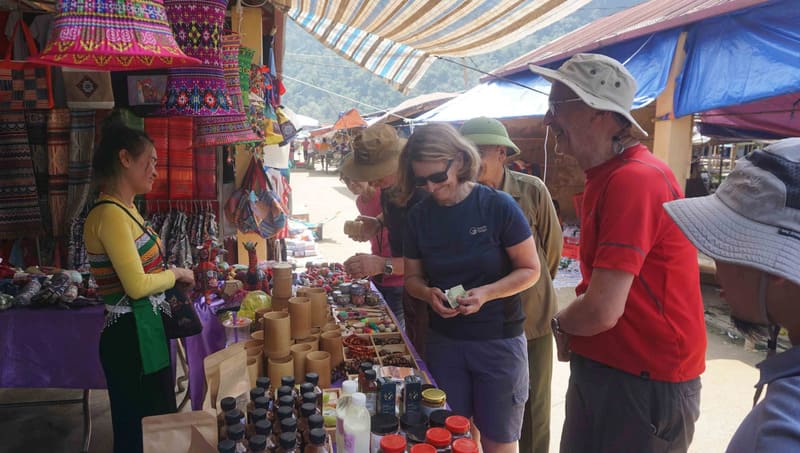
The atmosphere of Pho Doan market around 9 a.m. when we went there
It's worth noting that this market has been standing for a few centuries, and it used to be a marketplace during the times of French colonization. It's a place of cultural richness, truly authentic, where you can really dive into the life of mountain dwellers.
Here, representatives of different ethnicities from Vietnam 👩🌾 sell their products; all of them are dressed in colored traditional costumes. You might walk through shops selling typical vegetables from northern mountains, animals, symbolic local dishes, and souvenirs.
>>> 🌾 Worth Knowing:
Pho Doan Market is open only on Thursdays and Saturdays, from early morning until around noon. To make the most of your visit, get up early and head there to experience the vibrant life of the mountain locals.
What’s special is that many people still trade items of equal value, with hardly any haggling.
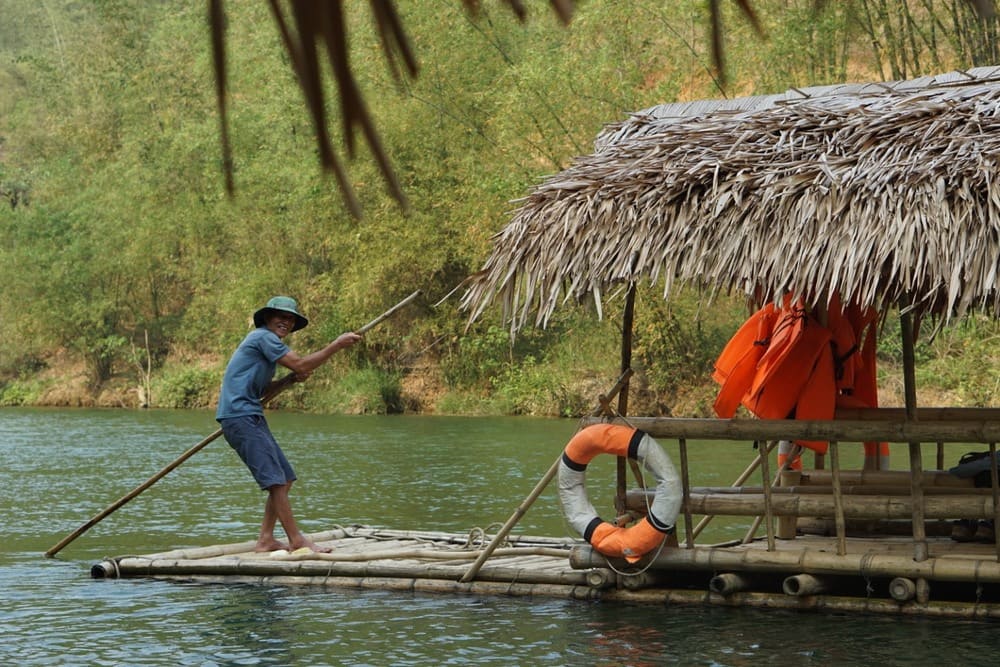
4. Ride on a bamboo raft or boat ride in Suoi Cham
In Pu Luong, there are many small river piers that offer exciting chances for raft rides. When on the typical bamboo raft of the region, one can be slowly carried by the crystal waters amongst lush green bamboo forests lining both sides.
If you want to make your experience even better, I suggest taking a boat tour on the Ma River. On clear days, the views are incredible, with the mountains in the distance and a cool breeze blowing as you float along.
My tips:
Hotels or homestays can help you rent the bamboo rafting, and the prices are more reasonable.
The bamboo rafting tour usually lasts about an hour.
Each raft can carry 8–10 people, and the price is around 150,000 VND (approx. $6 USD) per person.
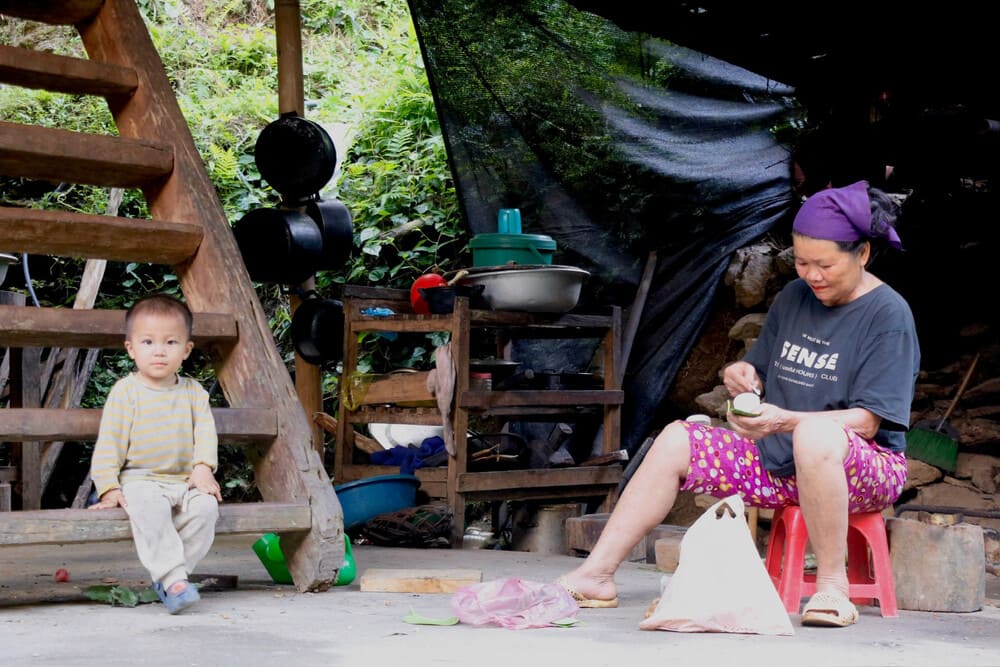
Observing the life of the locals in Pu Luong
5. Swimming in the Hieu waterfall
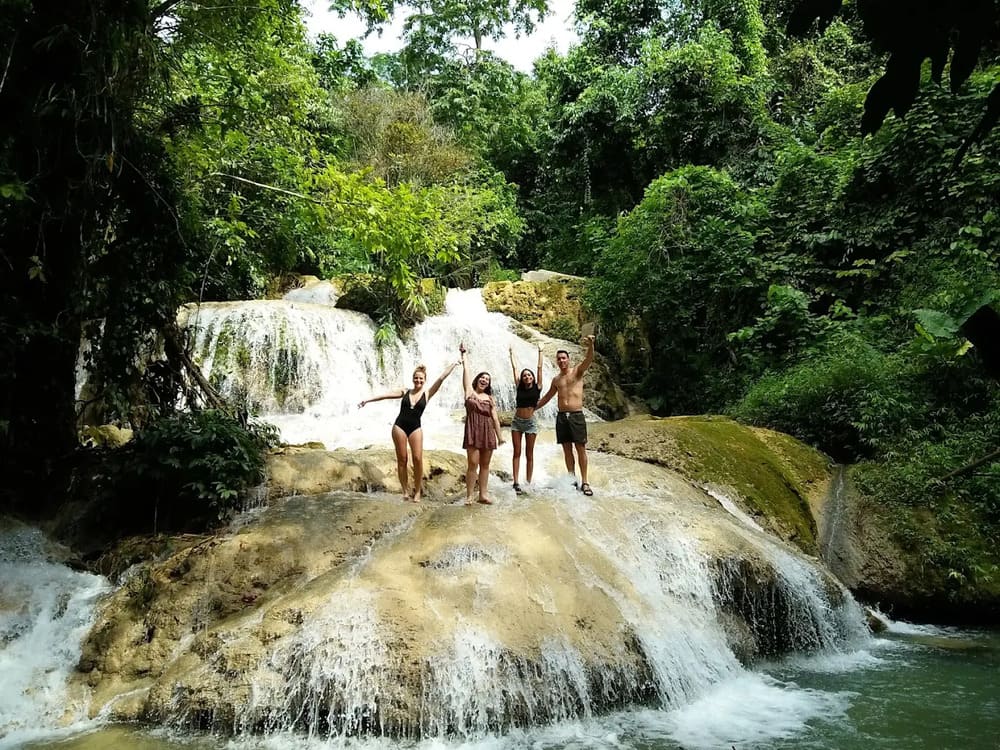
If you like swimming, Hieu Waterfall, located in Co Lung commune, is an excellent destination. Around this waterfall extends a network of limestone mountains hidden in the heart of old preserved forests, interspersed with ethnic villages and peaceful terraced fields.
The flow of the waterfall varies according to the seasons. During heavy summer rains it is more dynamic, while the rest of the year the water remains but flows less quickly.
Hieu waterfall from the village of Hieu
6. Stay with Pu Luong locals
A stay at the home of locals in Pu Luong adds a touch of authenticity during your trip to Vietnam. There's nothing like spending a night with an ethnic family to discover the real Vietnam and its culture.
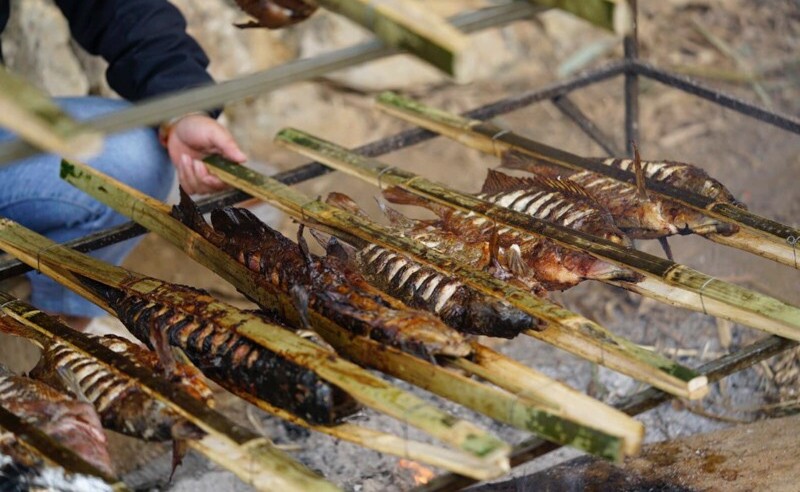
Grilled fish in Pu Luong
You will be staying with a white Thai family in a traditional, rustic and comfortable bungalow or house on stilts. They will share a meal, one or more drinks with you and may teach you how to cook a Vietnamese dish like a chef.
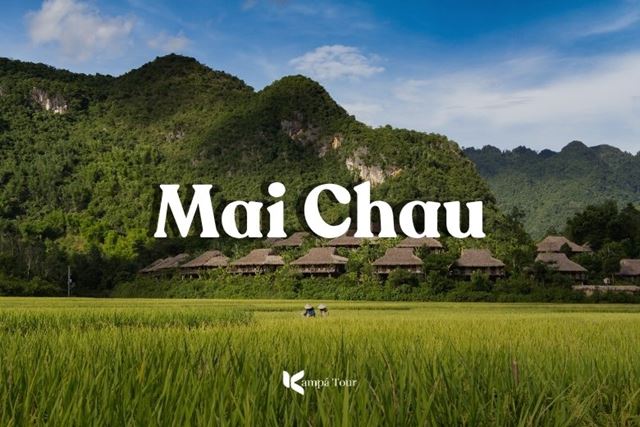
Right next to the Pu Luong Nature Reserve is the beautiful Mai Chau Valley. Green and tranquil, it is the perfect destination for the urban Vietnamese or the traveler in search of serene nature. On foot or by bike, you will see beautiful and peaceful rice paddies with the possibility of meeting Vietnamese farmers and ethnic groups at work.
You'll also see amazing fish farms and pass through traditional ethnic villages, and you'll be able to, like Pu Luong, stay with the local people of Mai Chau.
Right next to the Pu Luong Nature Reserve is the beautiful Mai Chau Valley
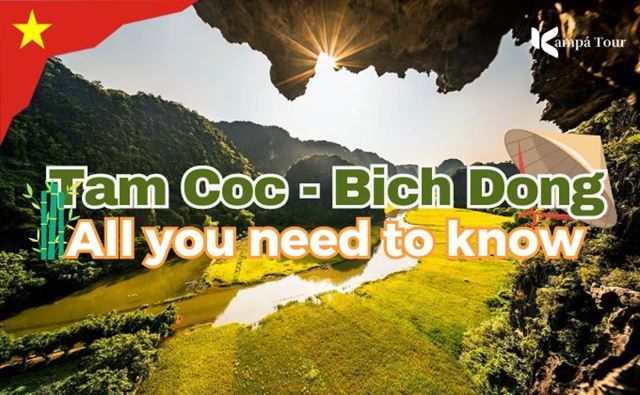
Less than two hours from Pu Luong Nature Reserve is a must-see destination in northern Vietnam - Ninh Binh and Tam Coc. This region, listed in 2014 as a UNESCO heritage site, is known for its remarkable natural landscapes: sugar loaves, rivers, green rice fields, small mysterious caves...
You will also be able to discover Hoa Lu, an ancient imperial city of Vietnam and the Bai Dinh Pagodas, including the largest pagoda in Southeast Asia.
Kho Muong Village lies in Thanh Son commune, Ba Thuoc district, in a quiet valley surrounded by limestone mountains and rice terraces. The village is best known for Bat Cave (Hang Doi), a large limestone cave with impressive rock formations. Visitors often combine trekking through rice fields with a visit to the cave.
2. Hieu Village & Hieu Waterfall
Hieu Village is famous for the beautiful Hieu Waterfall, where clear streams flow through the village. With just over 100 traditional houses along the water, the village offers a peaceful atmosphere and a chance to see daily life in a Thai ethnic community.
Hieu Village is famous for the beautiful Hieu Waterfall, where clear streams flow through the village.
3. Son – Ba – Muoi Villages (Cao Son Area)
Located in Lung Cao commune, these three remote villages sit at about 1,200 meters above sea level. Because of their elevation and isolation, the area has a cool climate and remains very authentic, preserving traditional Thai culture and customs.
Because of their elevation and isolation, the area has a cool climate and remains very authentic
4. Pho Doan Village
Pho Doan Village is known for its colorful Pho Doan Market, one of the most famous ethnic markets in the region.
5. Don Village (Ban Don)
Ban Don is one of the most popular villages for travelers visiting Pu Luong. Located in Thanh Lam commune, it offers many homestays and eco-lodges with panoramic views of rice terraces. It is also a convenient starting point for trekking and cycling in the reserve.
If you’re into rice terraces, Don Village is one of the top places to stay.
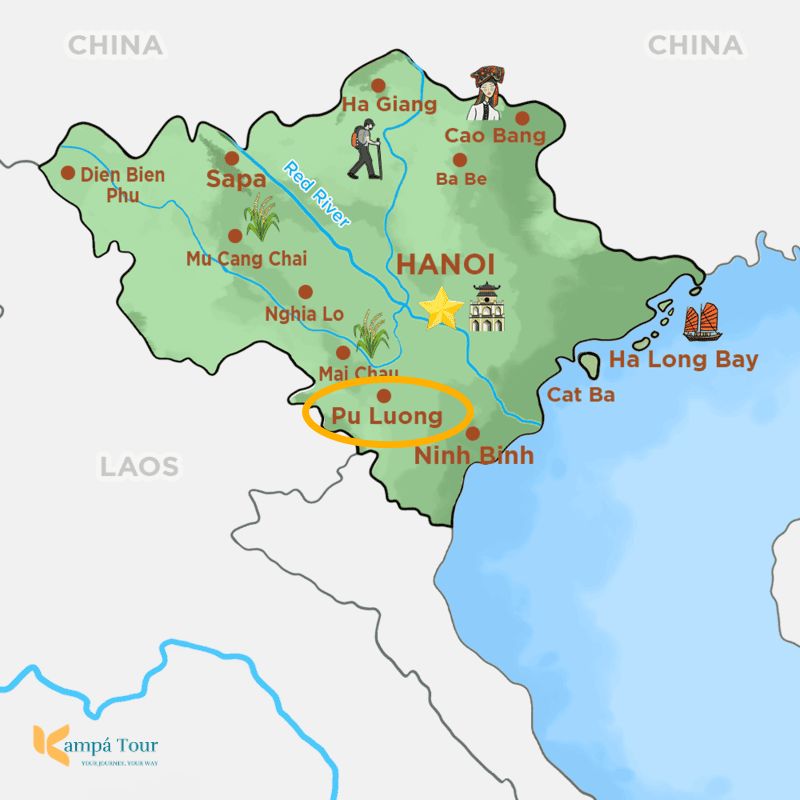
The map of places to visit in Pu Luong
Please click on the "[ ]" at the top right for better visibility.
Best time to visit (by season + rice calendar)
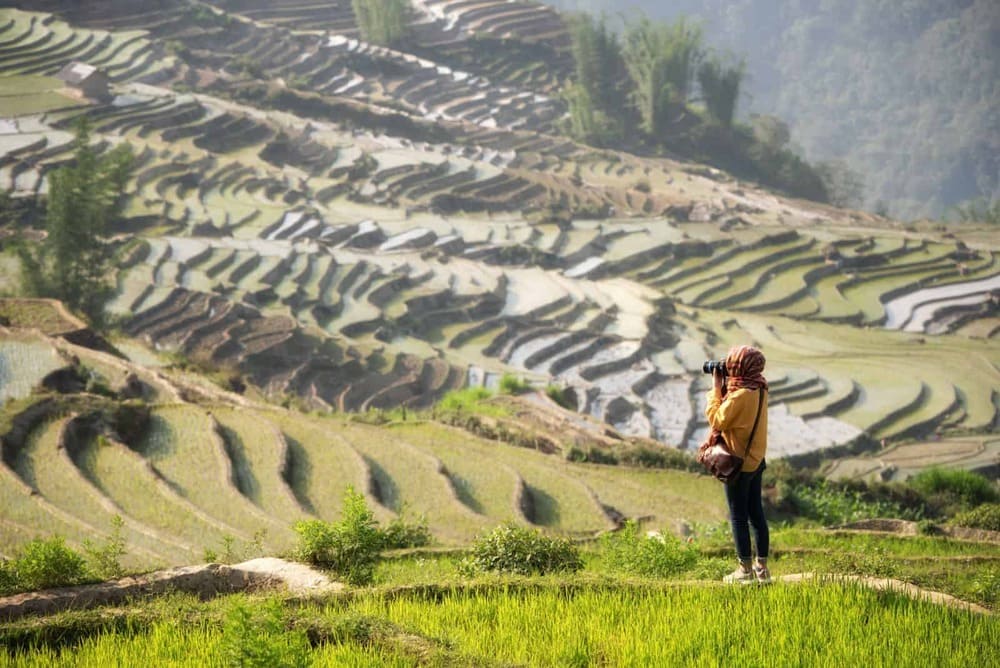
You can visit Pu Luong year-round, but the best time to see the rice terraces is March–April for lush greenery and June or October for golden harvest views.
The area also has three main seasons:
November – February: Cool weather with fresh mountain air. Mornings can be misty, especially in January and February, which may reduce visibility but create a peaceful atmosphere.
March – June: Mostly sunny and great for trekking and sightseeing. Temperatures start to rise in May and June, so bring a hat and sunscreen.
July – October: Rainy season with cooler temperatures. The scenery is very green, but roads and trails can be slippery.
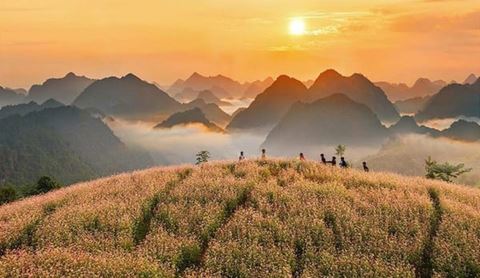
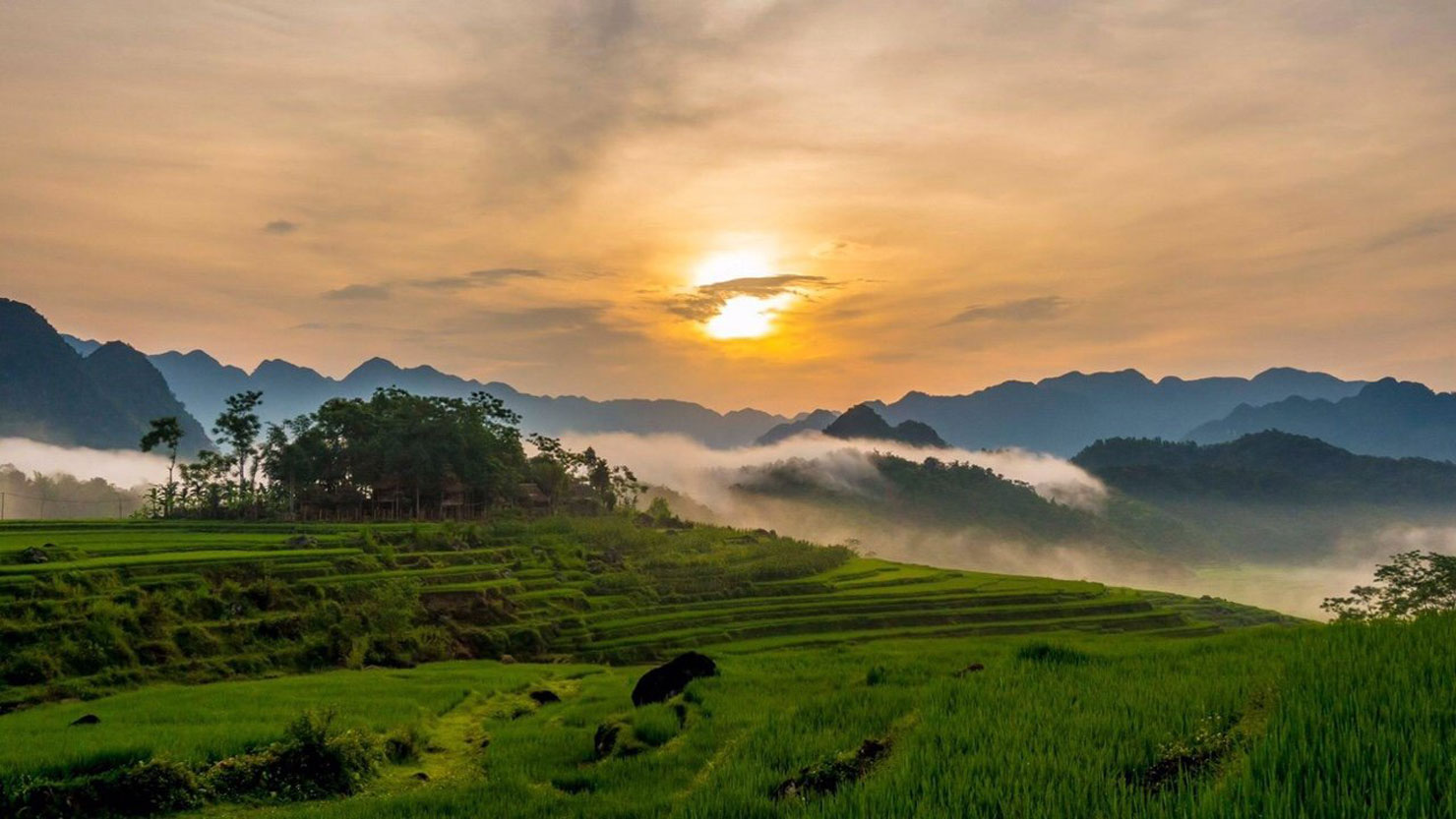
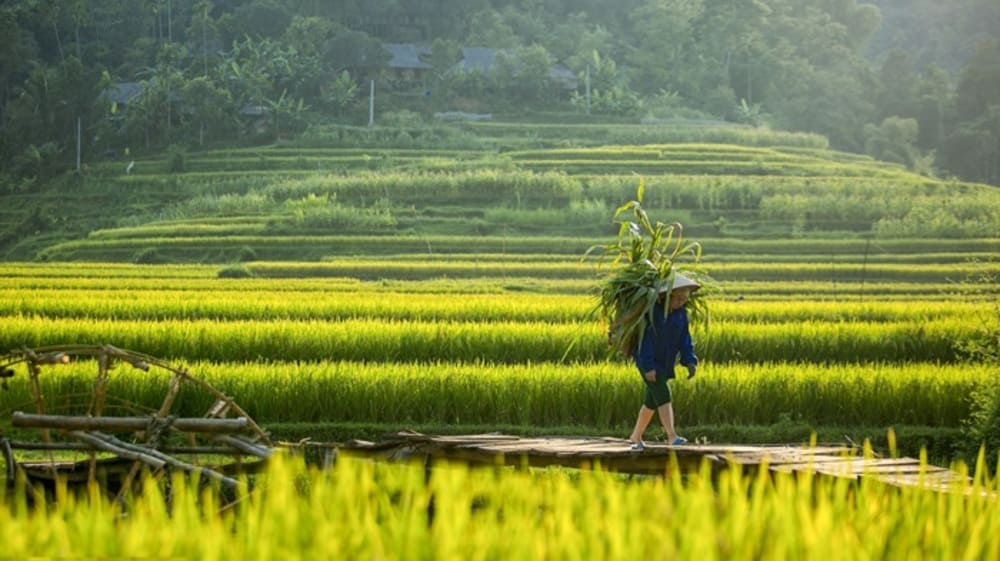
From late May to early June, the terraces turn golden!
How many days should you spend exploring Pu Luong?
If you're short on time, one day and one night is enough to explore Pu Luong. Leave Hanoi at 6 am, and you'll be in Pu Luong by 10 am after about a 4-hour drive. You can hike the rice terraces, visit villages, or cycle around, then spend the night at a homestay or hotel. The next morning, enjoy the fresh air before heading to your next stop.
For those with more time, a 3-day, 2-night stay is perfect to really enjoy Pu Luong. You'll have time to hike, raft, swim in waterfalls, visit local markets, and even try rice planting if you're visiting during the season. It's a great way to experience the full beauty of the area.
Suggested Itinerary
Day 1: Arrival & Exploration
06:30 – Depart from Hanoi for Pu Luong (4.5 hrs), a scenic drive through Hoa Binh and Mai Chau.
11:30 – Arrive at Don Village, check in and enjoy lunch with a local Thai family.
14:00 – Stroll around Don Village and nearby Bang Village to admire rice terraces and meet villagers in their stilt houses.
17:00 – Return to your lodge for sunset views.
18:30 – Dinner and friendly chat with your hosts over homemade rice wine.
Day 2: Full Day Trek
07:00 – Breakfast, then begin a full-day trek from Don Village to Kho Muong (≈6 hrs).
Morning: Walk through terraced fields, bamboo forests, and ethnic hamlets.
Noon: Picnic lunch by the stream; talk with farmers and children along the trail.
Afternoon: Visit Kho Muong Village and explore its limestone Bat Cave.
18:00 – Dinner and overnight with a local family, sharing stories by the fire.
Day 3: Bamboo Rafting & Waterfall
07:00 – Breakfast and check out.
08:00 – Enjoy a peaceful bamboo raft ride on the Cham Stream, waving to locals fishing nearby.
09:30 – Short trek to Hieu Waterfall for a refreshing swim and photos.
11:30 – Lunch with villagers in Hieu Village, tasting grilled fish and sticky rice.
14:30 – Depart for Hanoi (4.5 hrs) and arrive around 19:30.
Our travelers are planting rice (at the beginning of March 2024)
Where to stay (Homestay & Lodges)
1. Mr. Ty's homestay
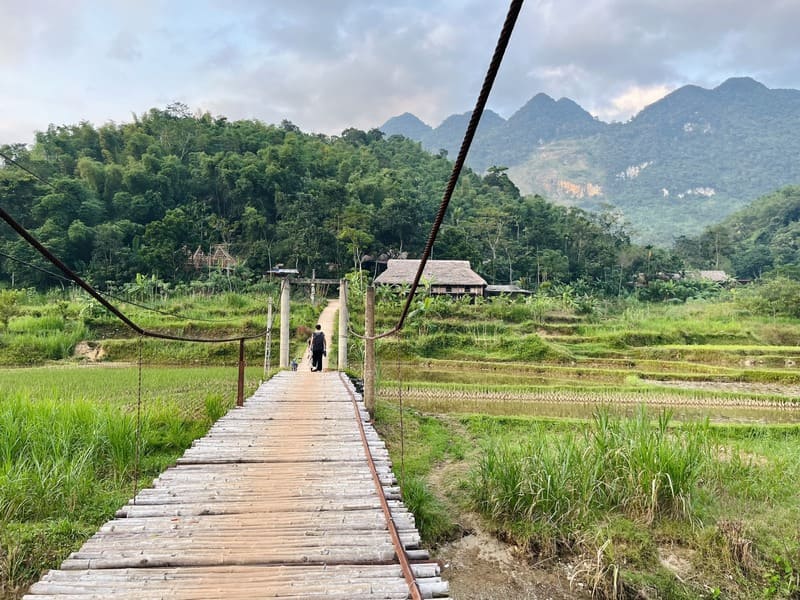
Living with the indigenous people in Pu Luong is an authentic travel experience. In 2020, Kampá Tour discovered a local home, an authentic stilt house in the middle of Pu Luong belonging to Mr. Ty. To access this house, you have to cross a wooden bridge over a stream surrounded by rice paddies, forests, and mountains.
The picturesque entrance leading to our stilt house
Kampá Tour financed the building of a new traditional house with three private rooms and exterior bathrooms. As well as the 3 private rooms, this home includes shared areas between family and travellers.
Mr. Ty’s family with our dear travelers
What I appreciate most is the atmosphere around the house. If you’re looking for an authentic experience, you won’t be disappointed. Three generations live together here, and you can really feel how important family bonds are in Vietnamese life, and you might feel at home too, thanks to their hospitality!
I joined Mr. Ty in his daily routine: cooking over a wood fire and eating vegetables freshly picked from the forest. The traditional kitchen, without a single electric stove, made the whole experience feel rare and genuine.
The place is extremely peaceful. Let's watch this video to find out more!
If you would like to stay with a local, contact us to organize your trip to Pu Luong and live unforgettable experiences in the heart of nature.
2. Pu Luong Home
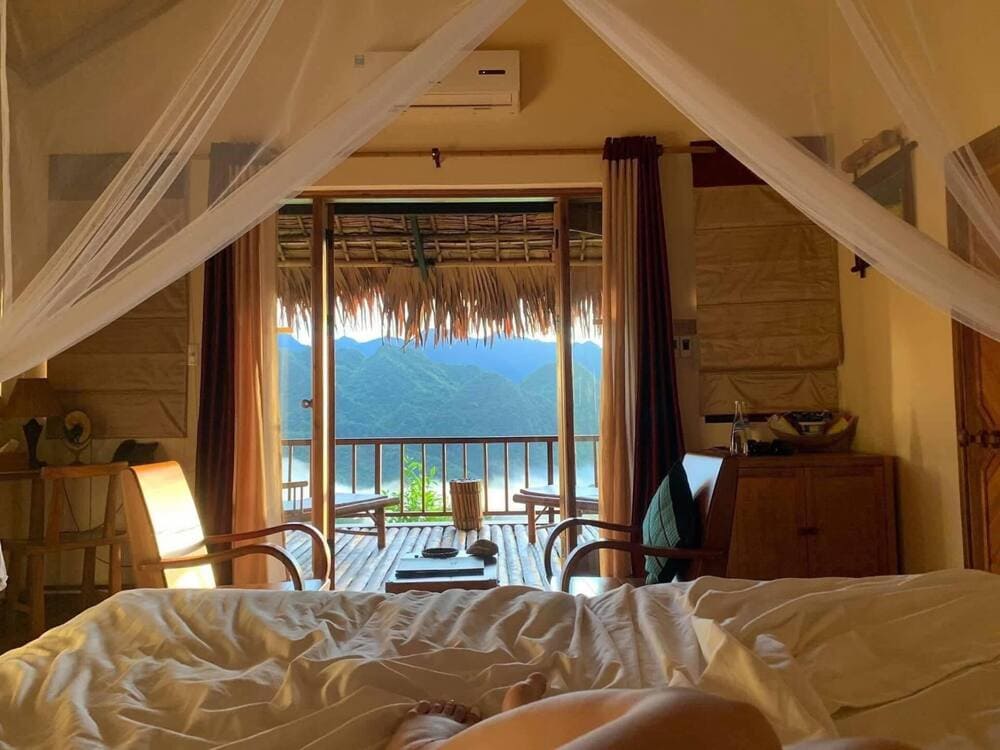
Pu Luong Home is nestled in the heart of lush nature. From here, a panoramic view of magnificent rice terraces awaits you, providing a natural experience without traveling long distances. The harvest season is intoxicating, with the captivating aroma of ripe rice. Pu Luong Home's swimming pool also offers stunning views of the surrounding mountains and rice fields.
Pu Luong Retreat, perched with panoramic views, brings together the charm of northern Vietnam: mountains, rice fields, waterfalls, breathtaking passes and isolated traditional villages. Offering cozy bungalows and a traditional stilt house, with open-air restaurant, infinity pool, spa and rock garden, every detail is carefully considered for an authentic experience.
Pu Luong rice terraces
FAQs
1. What is the best time to to visit Pu Luong?
The best times to visit Pu Luong are May-June and September-October, during rice harvest seasons when terraces glow golden and weather is pleasant for trekking.
2. Are there accommodations in Pu Luong?
Pu Luong has plentiful options, including homestays, eco-lodges, and resorts like Pu Luong Home, Pu Luong Retreat, Pu Luong Natura Bungalows, and Les Bains de Hieu. Popular homestays such as Ban Hieu Garden Lodge and Pu Luong Eco Garden offer cultural immersion with views.
3. What are the attractions near Pu Luong?
Pu Luong is conveniently close to several famous destinations: Mai Chau and Hoa Binh are both within easy reach, making it simple to combine them into a longer trip through the region.
4. What is the weather like in Pu Luong?
The weather is at its most pleasant, with mild spring temperatures between 17–24°C (63–75°F). You might encounter some morning fog or the occasional light shower, but overall it's a great time to be outdoors.
5. What is the weather like in Pu Luong?
Pu Luong has a tropical mountain climate, averaging around 18–22°C annually, though it gets noticeably cooler at higher elevations. The dry season (October–April) brings comfortable temperatures between 17–28°C — ideal for sightseeing and trekking. The rainy season (May–September) is hotter and more humid, ranging from 23–35°C, with July and August seeing the heaviest rainfall. In the depths of winter (November–December), nighttime temperatures can dip as low as 7–8°C.
Our traveler in Pu Luong in January 2024
Our last words,
I hope this sharing helps you in planning your trip. Pu Luong is ideal for hikers and nature lovers looking for an authentic experience, far from mass tourism. Dense forests, waterfalls, hiking trails and traditional villages of the Muong and Thai ethnic groups make Pu Luong a true paradise in the heart of the North. If you are looking for a natural getaway, plan your stay in Pu Luong now and discover the splendor of this unique nature reserve in Vietnam!
✈️Other Must-Visit Places in Northern Vietnam👇
And you - what do you think? Do you have any thoughts or experiences you'd like to share with Kampá Tour? We'd love to hear your ideas and stories!
Planning your trip?
Save time and get expert advice for FREE!
✅ 15 years of local experience
✅ Save up to 40 hours of planning
✅ Travel stress-free from start to finish
Book your free consultation today!







 Our team
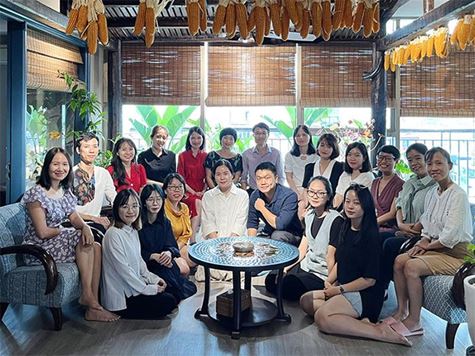
 Our team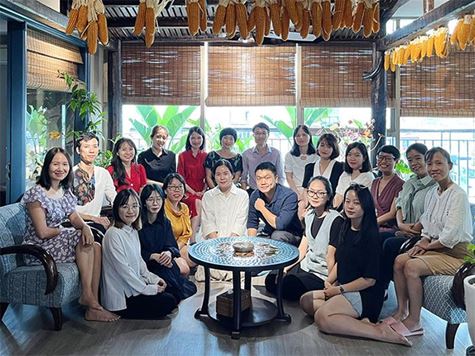
 Our team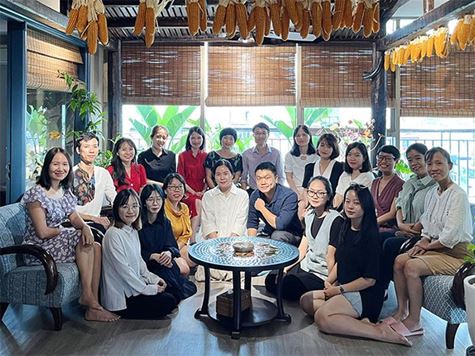
 Our team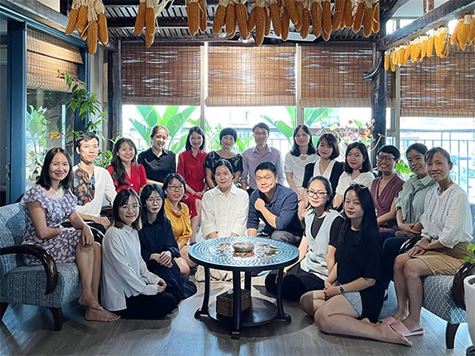

.jpg)
.jpg)
.jpg)
.jpg)
.jpg)
.jpg)
.jpg)
.jpg)
.jpg)
.jpg)
.jpg)
.png)
.jpg)
.jpg)
.jpg)
.jpg)
.jpg)
.jpg)
.jpg)
.jpg)
.jpg)
.jpg)
.jpg)
.jpg)


 Other
Other Add us as a preferred source