Sapa to Ha Giang: Complete Transportation Guide, Prices & Travel Time
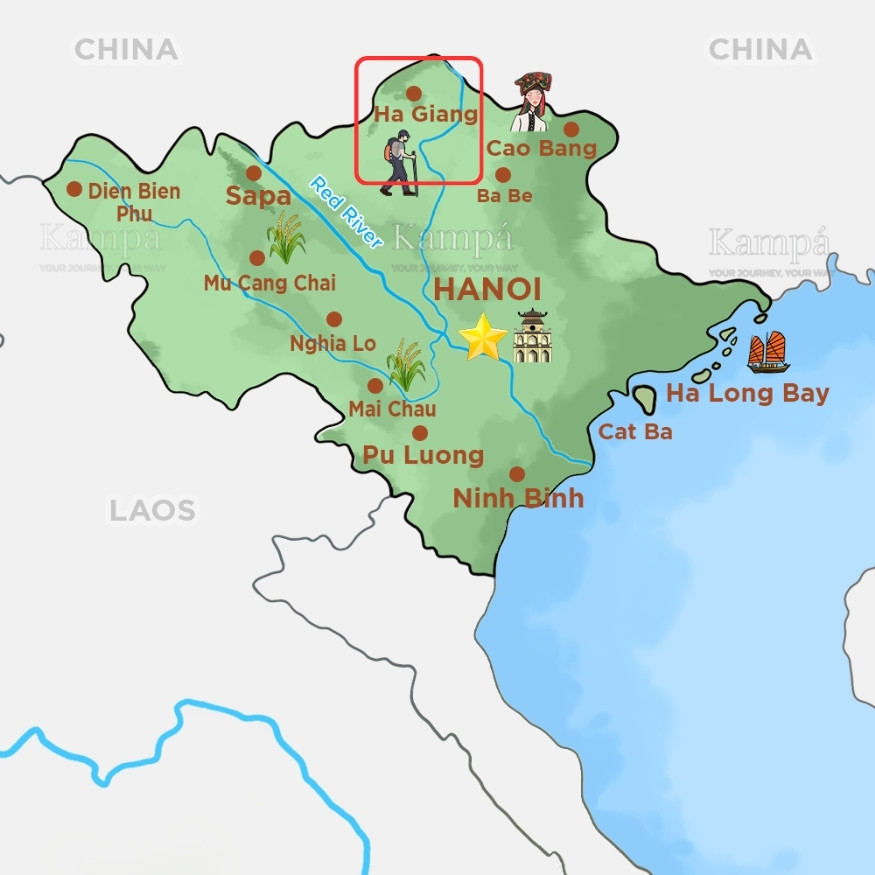
Sapa and Ha Giang sit relatively close on a map, both tucked against the Chinese border in Vietnam's far north – but they belong to different regions, and the road between them isn't a straight shot. It's a real mountain crossing, and most travelers doing it are moving from one signature northern experience – Sapa's terraced rice fields – straight into another: the Ha Giang Loop.
Here's what the journey actually involves, current prices, and how to plan it without losing an unnecessary day.
Written by Trang Nguyen (Local Expert)
Updated on Aug 11, 2026
0 comment
Trang Nguyen has lived in Vietnam for nearly three decades and spent much of her life exploring Asia. She has joined numerous field trips, stayed with ethnic communities in the northern mountains, and gained deep insights into local cultures and landscapes. Her writing reflects an honest passion for authentic travel and meaningful connections. If you have any questions about her journeys, feel free to reach out and leave a comment!
The road distance between Sapa and Ha Giang is roughly 230–250 km, though the terrain makes it feel longer than the number suggests. There's no direct train or flight between the two – the nearest railway station to Sapa is in Lao Cai, and Ha Giang has no station or airport at all, so buses, vans, or a motorbike are your only options.
The route generally runs along QL2, QL70, and QL279, cutting from Lao Cai province east into Ha Giang's mountainous terrain.
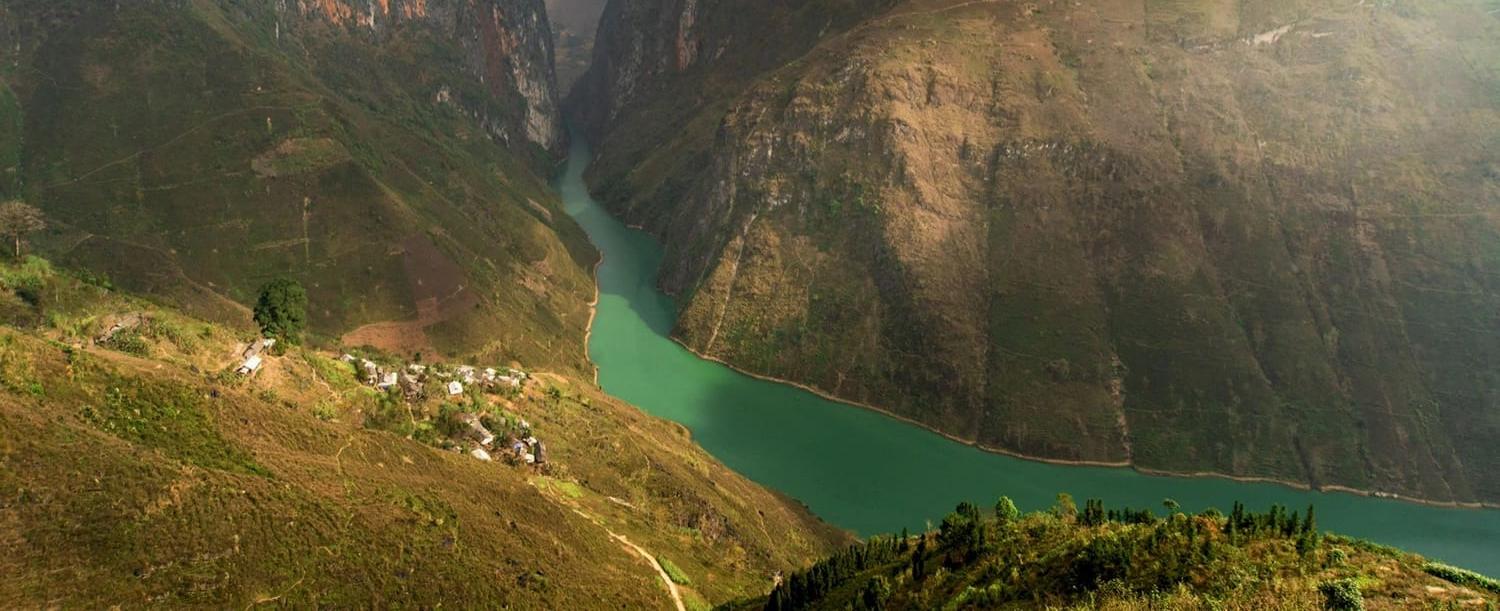
The road from Sapa to Ha Giang crosses roughly 230–250 km of northern mountain terrain
3 Ways to Travel from Sapa to Ha Giang
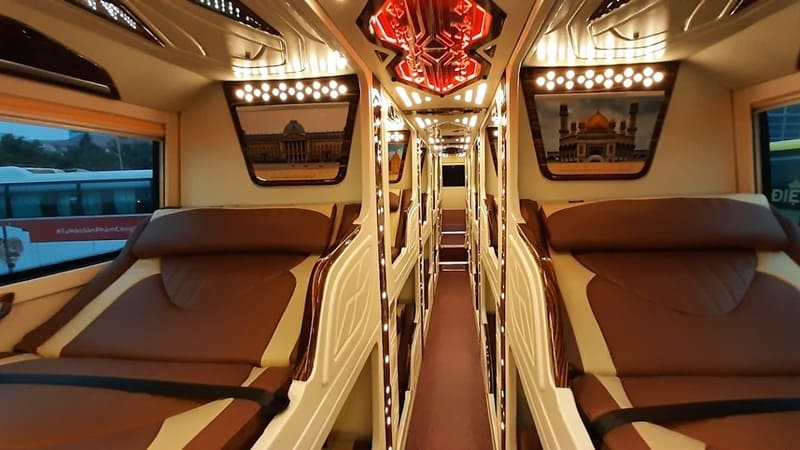
Sleeper Bus or Limousine Van (Best for Most Travelers)
This is by far the most common way to make the trip. Both day and overnight departures run regularly, with dozens of trips daily between the two towns.
Price: ~$8–28 USD (200,000–650,000 VND) one-way, depending on bus type and season
Time: 5–8 hours
Best for: Most travelers, especially those heading straight into a Ha Giang Loop tour
Overnight sleeper buses are worth considering if you want to arrive in Ha Giang ready to start the Loop the same morning, though schedules can be less consistent outside peak season (roughly September–November and February–April), so it's worth confirming departure times a day or two ahead rather than assuming a fixed daily schedule.
Buses run several times a day between Sapa and Ha Giang, with both daytime and overnight departures
Private Car or Limousine (Faster, More Comfortable)
For groups or travelers who want a single, uninterrupted transfer, a private car covers the distance faster than a public bus and skips the multiple pickup stops.
Price: ~$90–180 USD per vehicle, one-way
Time: ~3.5–5 hours
Best for: Families, small groups, or anyone on a tight schedule between Sapa and their Ha Giang tour start date
Private transfers can also drop you directly at your hotel or tour meeting point in Ha Giang City rather than a bus station on the outskirts.
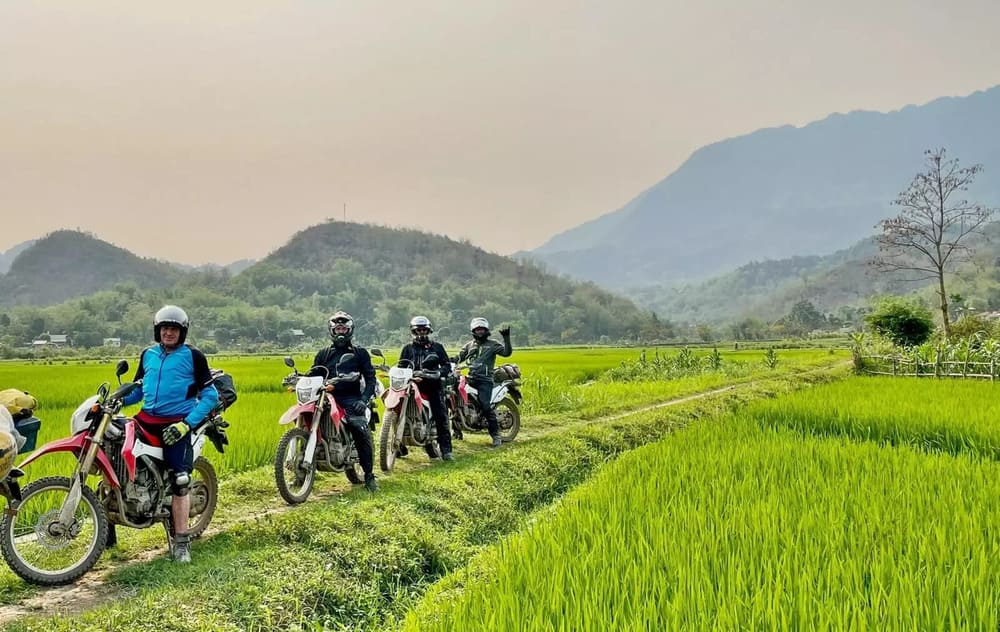
Motorbike (Scenic, for Experienced Riders)
Some riders treat this leg as the opening stretch of a longer northern loop, riding straight from Sapa into Ha Giang rather than taking a bus.
Price: Motorbike rental from ~$10–40/day in Sapa, plus fuel
Time: 6–7 hours of riding, longer with stops
Best for: Confident riders with a valid international driving permit and mountain-road experience
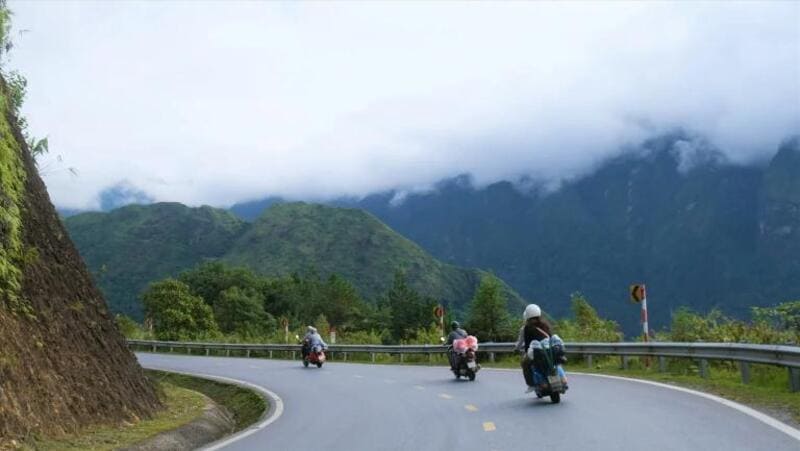
The road is steep and winding in sections, so this isn't the place to start if you're new to riding – most people instead ride from Ha Giang City once their loop rental for motorbike begins.
Mode
Price (USD)
Time
Best For
Sleeper Bus / Van
$8–28
5–8 hrs
Most travelers
Private Car
$90–180/vehicle
3.5–5 hrs
Groups, tight schedules
Motorbike
$10–40/day + fuel
6–7 hrs
Experienced riders
Sapa or Ha Giang First?
If your itinerary includes both, order matters less than pacing. Sapa's trekking is comparatively gentle; the Ha Giang Loop is physically demanding, especially if you're riding yourself. Most travelers do Sapa first as a warm-up, then move on to Ha Giang once they've found their footing. If you're still weighing the two destinations against each other rather than combining them, our Sapa or Ha Giang comparison breaks down which one suits your travel style.
Practical Tips
Book overnight buses a few days ahead during peak season, when seats on the more comfortable sleeper options sell out first.
Confirm your Ha Giang drop-off point. Some buses stop at the outskirts of the city rather than the center, adding a short taxi ride.
Pack a warm layer. Sapa and the Ha Giang plateau both sit at higher elevation, and overnight buses run cold air conditioning regardless of season.
If riding a motorbike, check the weather first. Fog and rain on this route reduce visibility fast on the mountain sections.
Frequently Asked Questions
How long does it take to get from Sapa to Ha Giang? Around 5 to 8 hours by bus, or roughly 3.5 to 5 hours by private car, depending on traffic and road conditions.
Is there a direct train or flight between Sapa and Ha Giang? No. Neither Sapa nor Ha Giang has a direct rail or air connection – road transport is the only option.
What's the cheapest way to travel from Sapa to Ha Giang? A standard daytime bus, typically $8–15 USD one-way, is the most affordable option.
Can I do the Ha Giang Loop right after arriving from Sapa? Yes – many travelers arrive on an overnight bus and start their Loop rental the same morning, though it's worth a rest day if you're not used to long travel days.
Planning your trip?
Save time and get expert advice for FREE!
✅ 15 years of local experience
✅ Save up to 40 hours of planning
✅ Travel stress-free from start to finish
Book your free consultation today!




 Our team
 Our team
 Our team
 Our team



















 Other
Other Add us as a preferred source