Hanoi Opera House: What Only Local Guides Can Show You
Have you ever really looked into the places on your itinerary, or just passed by them as your tour guide briefly mentions their names? If not, let me show you one that truly captures the soul of the city: the Hanoi Opera House.
Few landmarks in Southeast Asia embody a city’s spirit quite like this one. Rising gracefully at the corner of Tràng Tiền Street, its elegant yellow-and-white facade has witnessed more than a century of Vietnamese history.
In this guide, I’ll help you explore it properly, from its history and architecture to the best performances, ticket prices, how to get there, and what you can see nearby on foot.
Written by Trang Nguyen (Local Expert)
Updated on Jun 10, 2026
0 comment
Trang Nguyen has lived in Vietnam for nearly three decades and spent much of her life exploring Asia. She has joined numerous field trips, stayed with ethnic communities in the northern mountains, and gained deep insights into local cultures and landscapes. Her writing reflects an honest passion for authentic travel and meaningful connections. If you have any questions about her journeys, feel free to reach out and leave a comment!
Show times: Typically 18:00 or 20:00 (check current schedule)
Tickets: 200,000 – 20,000,000 VND ($8 - $800) depending on show & seat
What Is Hanoi Opera House?
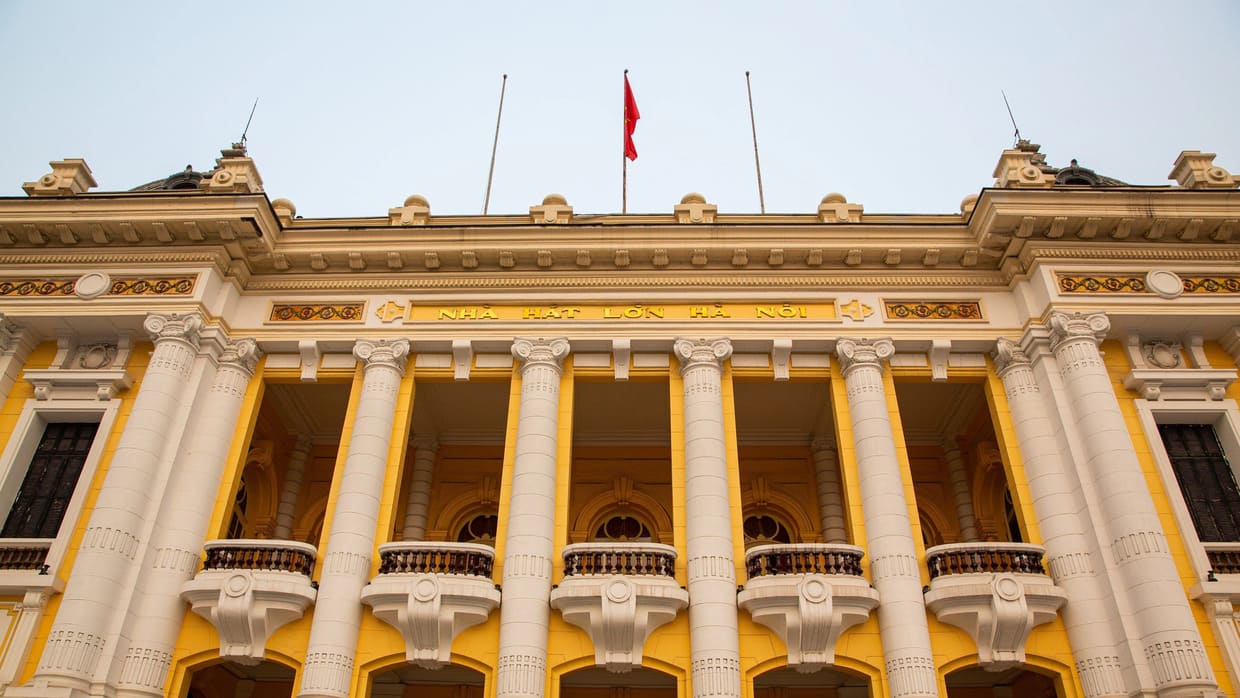
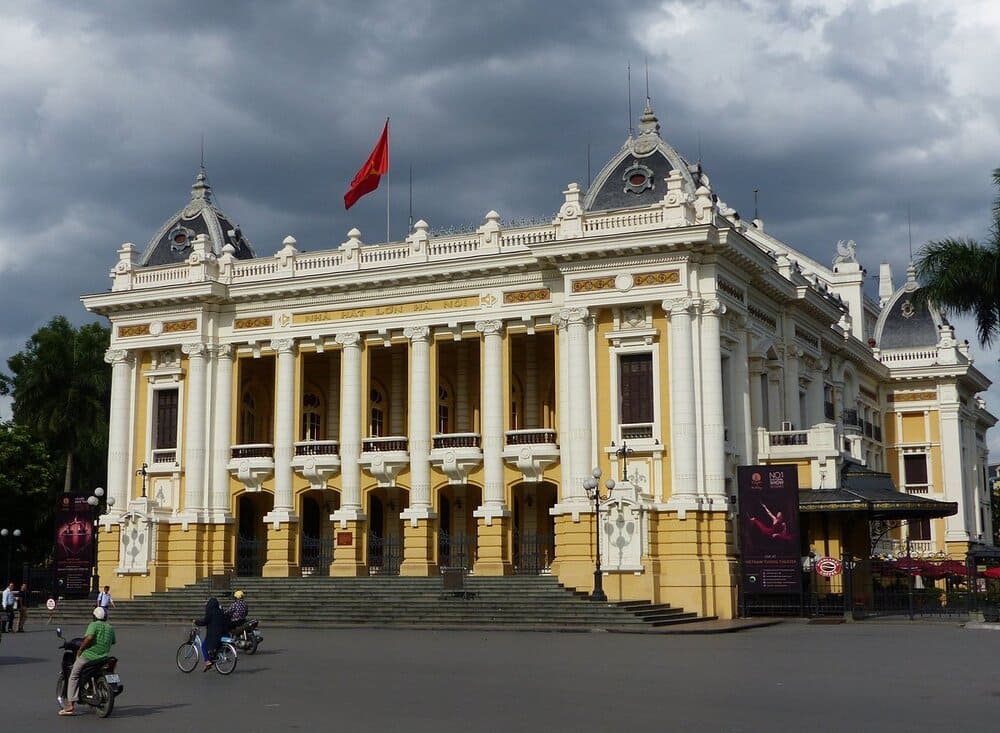
The Hanoi Opera House (Vietnamese: Nhà hát Lớn Hà Nội; French: Opéra de Hanoi) is Vietnam's premier performing arts venue, situated at the heart of Hanoi's elegant French Quarter in the Hoàn Kiếm District. Built between 1901 and 1911 during French colonial rule, the building is a masterpiece of French Beaux-Arts and neoclassical architecture, inspired directly by the famous Palais Garnier in Paris.
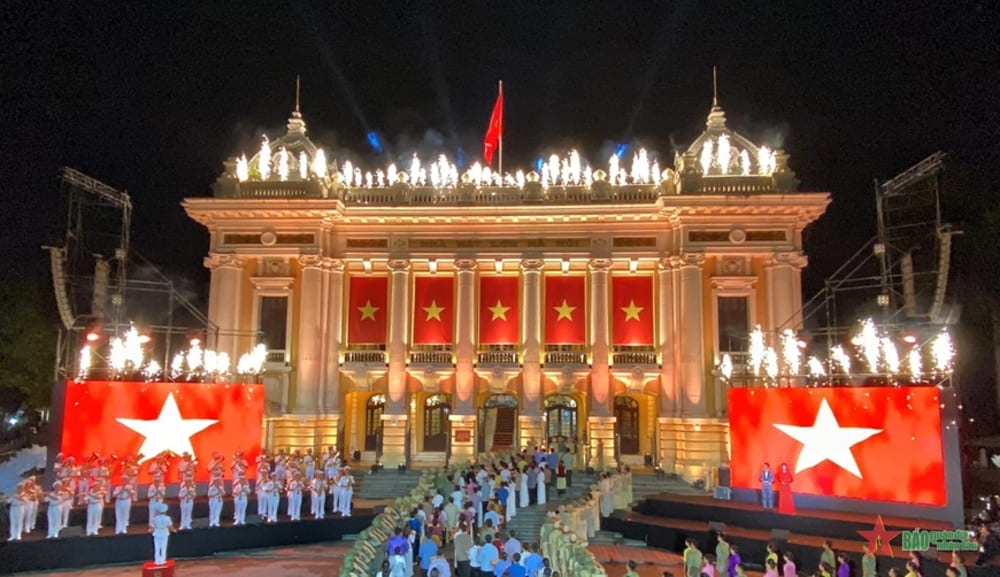
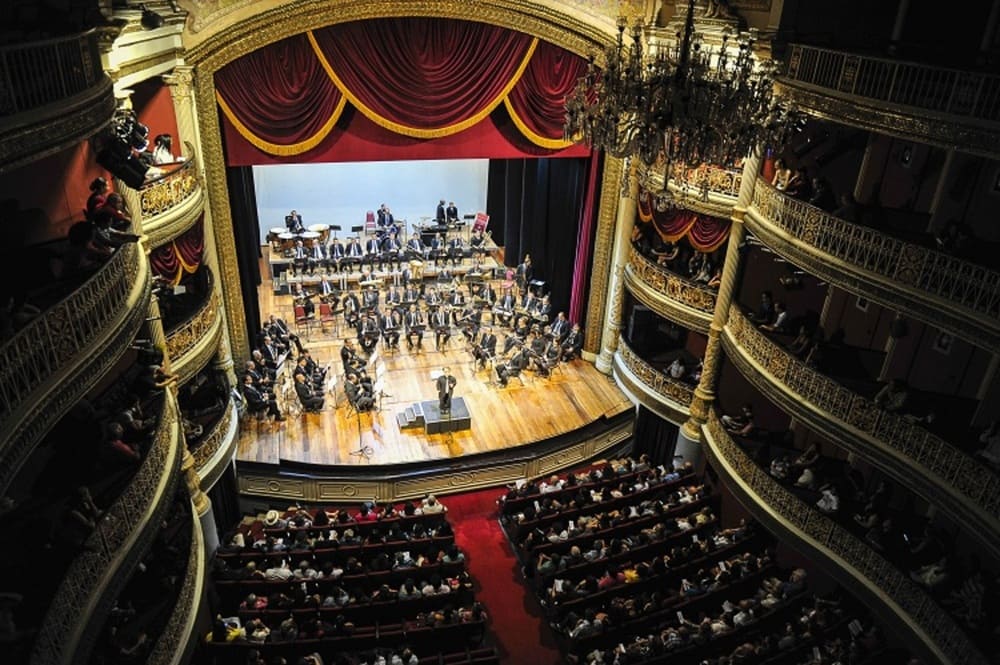
Today it serves as the home of the Vietnam National Opera and Ballet (VNOB) and hosts a wide range of performances, from classical orchestra concerts and grand opera to contemporary dance, traditional Vietnamese art forms, and internationally renowned shows.
Today it serves as the home of the Vietnam National Opera and Ballet (VNOB) and hosts a wide range of performances
Quick Facts
Detail
Information
Location
01 Tràng Tiền Street, Hoàn Kiếm, Hanoi
Construction
1901 – 1911
Architects
Broyer, V. Harlay & François Lagisquet
Architectural Style
French Beaux-Arts / Neoclassical
Seating Capacity
Approx. 870 seats (3 levels of red velvet chairs)
Official Website
hanoioperahouse.org.vn
Nearest Landmark
Hoan Kiem Lake (~800 m walk)
Why It's Famous
The Hanoi Opera House is famous for three intertwined reasons: its extraordinary architectural beauty, its pivotal role in Vietnamese national history, and its ongoing cultural significance as the country's leading performance venue.
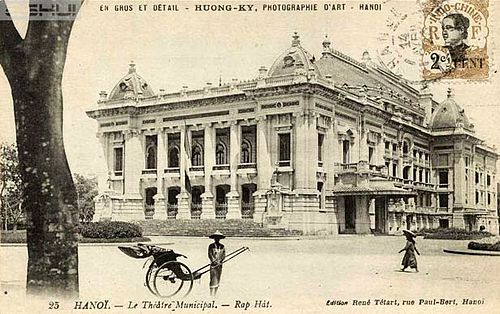
Hanoi Opera House on a stamp
History of Hanoi Opera House
The story of the Hanoi Opera House begins in the final years of the 19th century, when French colonial authorities decided to build a grand cultural centre befitting their ambitions in Indochina. Construction officially began on 7 June 1901.
The building was designed by French architects Broyer and V. Harlay, with later contributions from François Lagisquet. Their inspiration was unmistakably the Palais Garnier in Paris, though the Hanoi Opera House was built on a more modest scale and adapted to suit the hot and humid Vietnamese climate.
The Opera House sits at the intersection of East and West, where French architectural grandeur provides the setting for distinctly Vietnamese artistic expression.
Even a short visit to stand in the grand foyer or stroll around the building's exterior connects you to over a century of the city's cultural life.
Even a short visit to stand in the grand foyer or stroll around the building's exterior connects you to over a century of the city's cultural life.
Architecture & Design Highlights
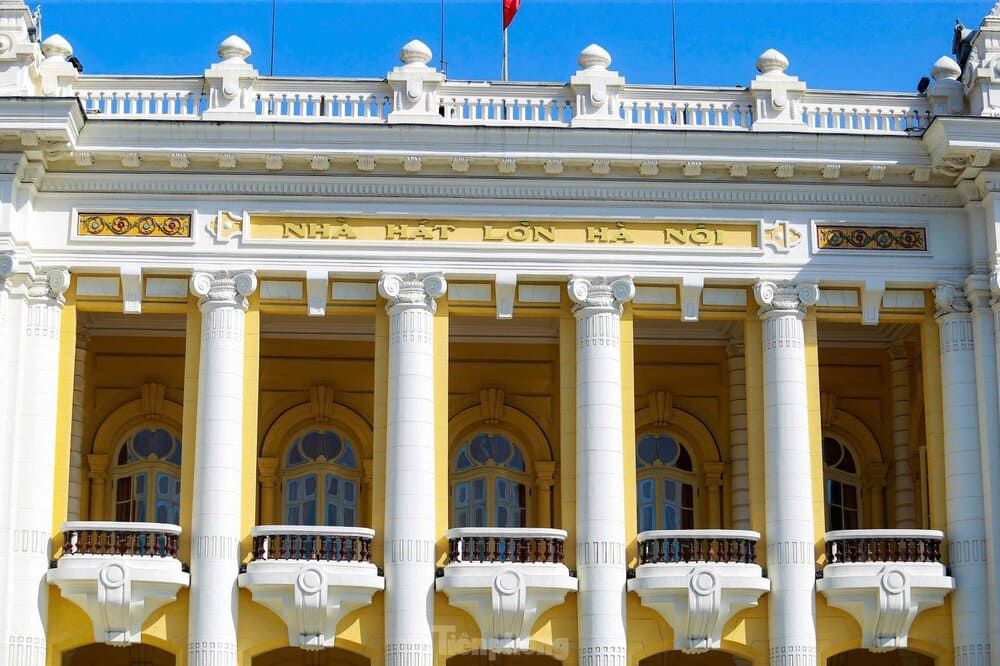
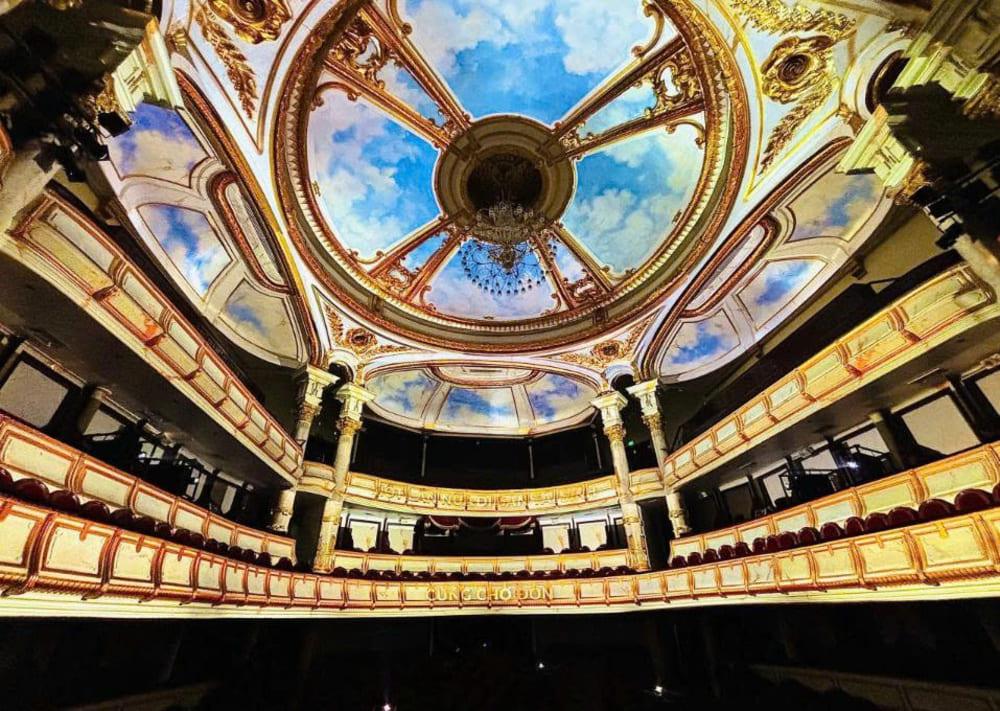
For architecture lovers, the Hanoi Opera House is an unmissable stop. The building's warm yellow façade, framed by brilliant white columns and decorative balconies with ornate wrought-iron railings. The grey slate roof and symmetrical layout echo the grand Beaux-Arts tradition of 19th-century Europe.
The ceiling of Hanoi Opera House
Unique Performances
The Vietnam National Opera and Ballet (VNOB) calls this venue home and regularly presents full-scale opera and ballet productions of international calibre. Beyond classical Western repertoire, the Opera House is also the venue for traditional Vietnamese performing arts, folk music, and contemporary theatrical works.
Honestly, this is also why I personally love bringing people here, and why so many of my guests end up loving it just as much.
Discover more local things to do in Hanoi!!!
What to See at Hanoi Opera House
Watch a Live Performance
Performances are typically held in the evening, beginning at either 18:00 or 20:00, though matinée shows are occasionally offered during cultural festivals and national holidays.
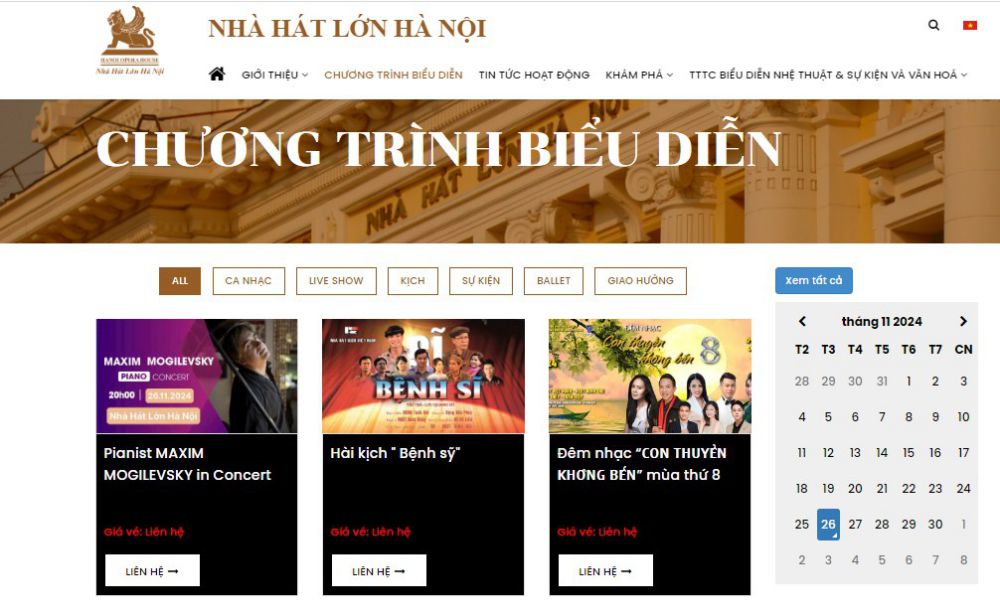
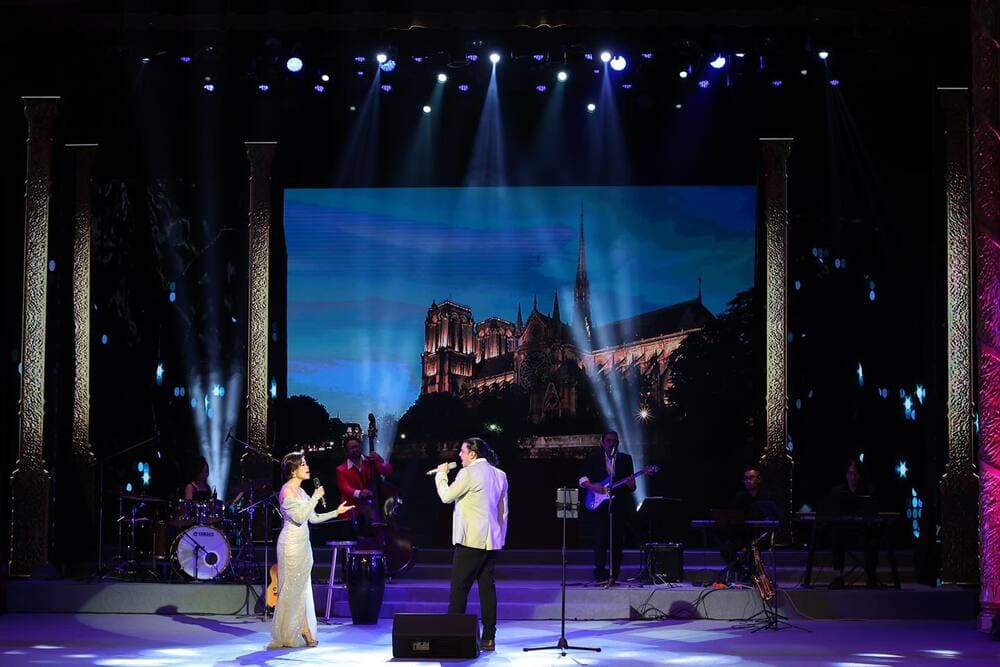
The repertoire changes regularly, encompassing classical opera, symphony concerts, ballet, contemporary dance, traditional Vietnamese music, and special international guest performances.
Join a Guided Tour
The Opera House periodically offers guided architectural tours during daytime hours, typically on Mondays and Fridays.
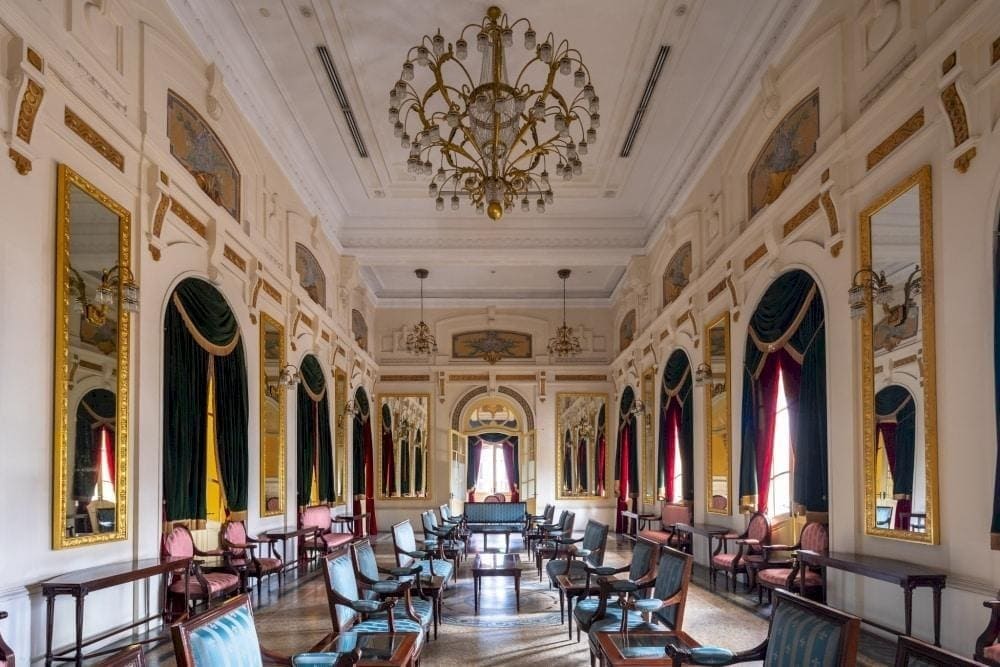
These tours take visitors through the main lobby with its magnificent T-shaped staircase, up to the second-floor Mirror Room, and into the main auditorium. Guides share the building's history, point out architectural details, and often show historical photographs and original hand-painted designs from the construction era.
The Opera House periodically offers guided architectural tours during daytime hours, typically on Mondays and Fridays.
Thẻ tour 5573
Take Photos Outside
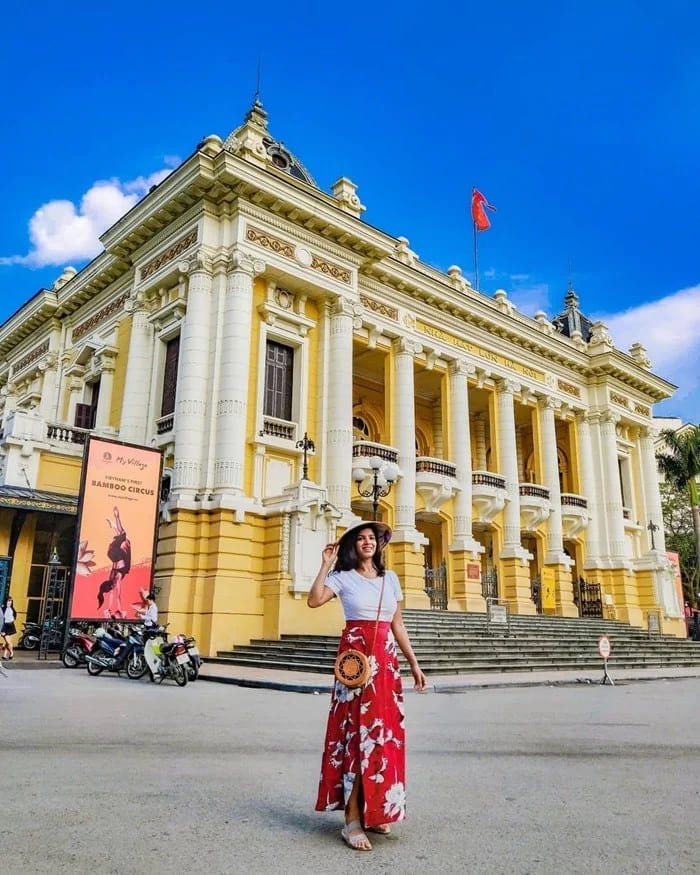
Even without purchasing a ticket, the exterior of the Hanoi Opera House rewards a visit at any hour. The building sits on a broad, well-kept plaza - August Revolution Square, which provides ample space to photograph the full facade.
The best time for exterior photography is the "blue hour" at dusk, when the deepening blue sky creates a dramatic contrast with the building's warm golden floodlights.
Even without purchasing a ticket, the exterior of the Hanoi Opera House rewards a visit at any hour.
Tickets, Tours & Show Schedule
Ticket Prices (2026 updated)
Category
Price Range (VND)
Approx. USD
Notes
Exterior visit (plaza)
Free
Free
Open 24 hours
Guided architectural tour
~400,000 VND
~$16
Mon & Fri, 10:30–12:00; verify schedule
Standard performance ticket
200,000 – 800,000
$8 – $32
Orchestra, drama, folk music
Ballet / Opera ticket
300,000 – 1,200,000
$12 – $48
VNOB productions
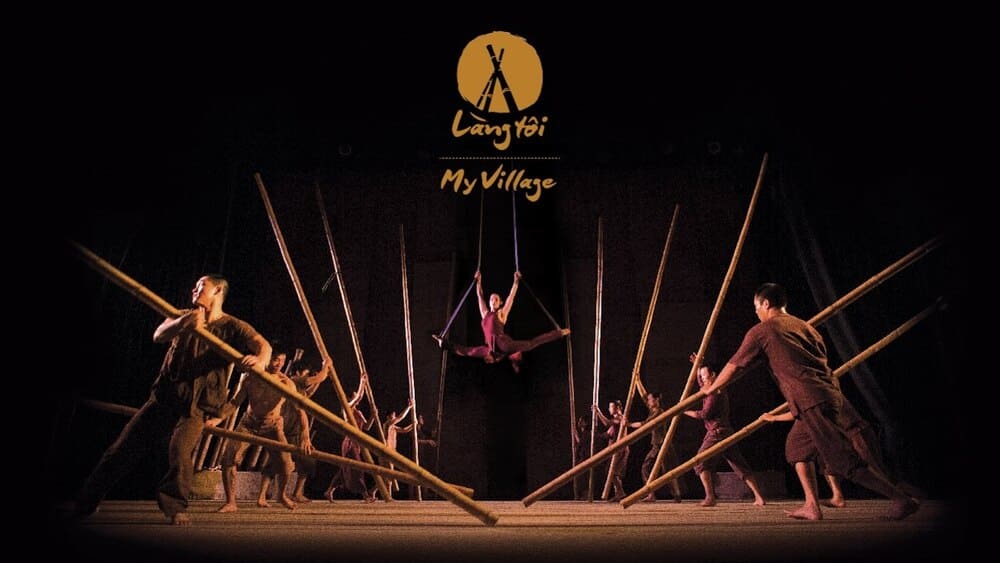
Làng Tôi (My Village)
700,000 – 1,600,000
$28 – $64
Bamboo circus; most popular show
VIP / Front-row seats
1,200,000 – 1,600,000+
$48 – $64+
Premium balcony or front stalls
Tip: For premium shows or special events, prices can go as high as 20,000,000 VND (~$800).
Exchange rates fluctuate. As a rough guide, 25,000 VND ≈ $1 USD. Always check live rates before your trip. Prices above are approximate as of 2026.
The tickets map of Hanoi Opera House
How to Book Tickets
Official website: Visit hanoioperahouse.org.vn to browse the current performance schedule and book seats online. This is the most reliable method and allows you to compare seat categories and prices before committing.
Box office: The on-site box office is open during business hours.
Tour packages: Many Hanoi tour operators and travel agencies include Opera House tickets as part of broader city itineraries. This can be convenient but may offer less flexibility in seat selection.
Show Types of Hanoi Opera House
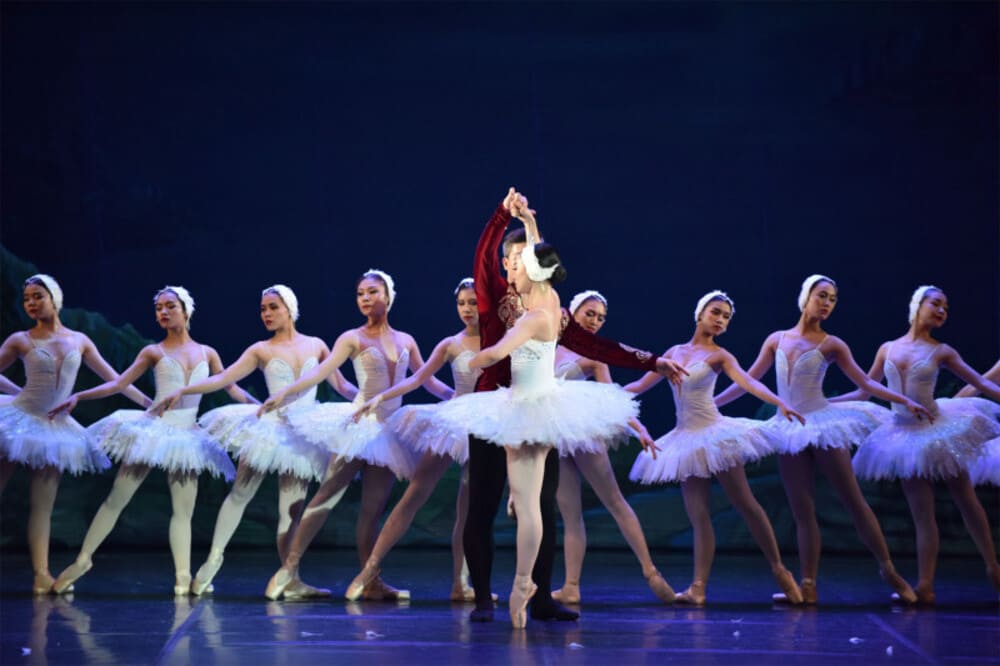
Ballet: The Vietnam National Opera and Ballet company presents full productions of classical ballets such as Swan Lake and The Nutcracker, as well as contemporary works.
Orchestra & Chamber Music: The Hanoi Philharmonic and visiting international ensembles regularly perform at the venue, which is prized for its exceptional acoustics.
Opera: Full operatic productions are staged periodically, featuring both Vietnamese works and classical European operas.
Traditional Vietnamese Performing Arts: Performances of ca trù (ceremonial singing), quan họ (northern Vietnamese folk song), water puppetry, and ethnic minority music connect visitors to Vietnam's rich indigenous cultural heritage.
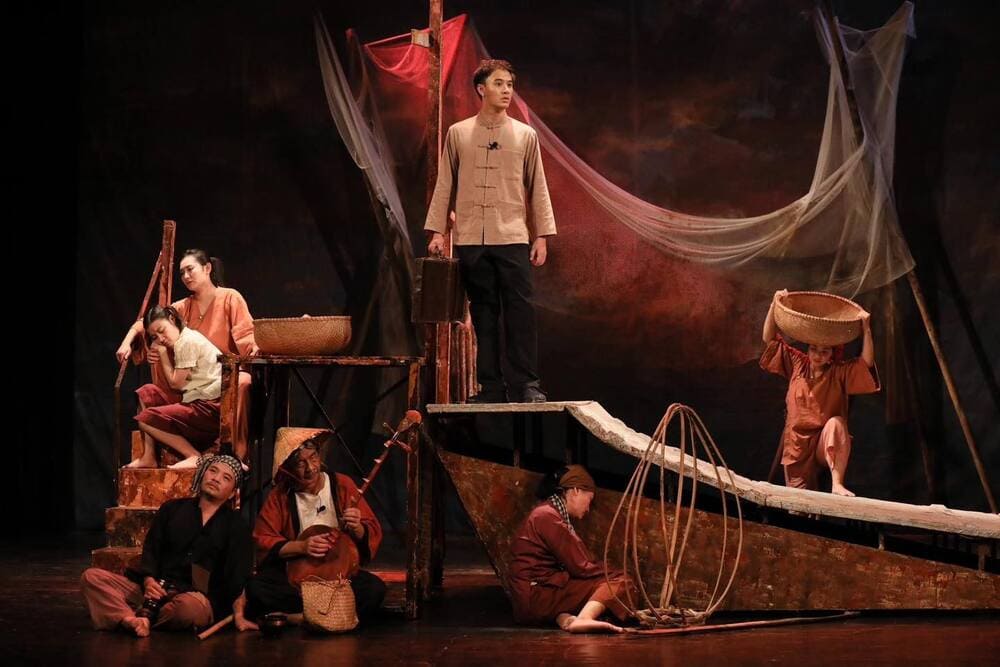
Contemporary Theatre & Drama: Modern Vietnamese theatrical works and international drama productions are staged regularly, often to critical acclaim.
Modern Vietnamese theatrical works and international drama productions are staged regularly, often to critical acclaim.
Bamboo Circus: This internationally acclaimed show combines acrobatics, traditional music, and storytelling using only bamboo and rattan.
Grab/taxi: 15–25 minutes (longer during rush hour)
Bus: routes 34, 43
Bike: 25–35 minutes via Thanh Niên Road (scenic route)
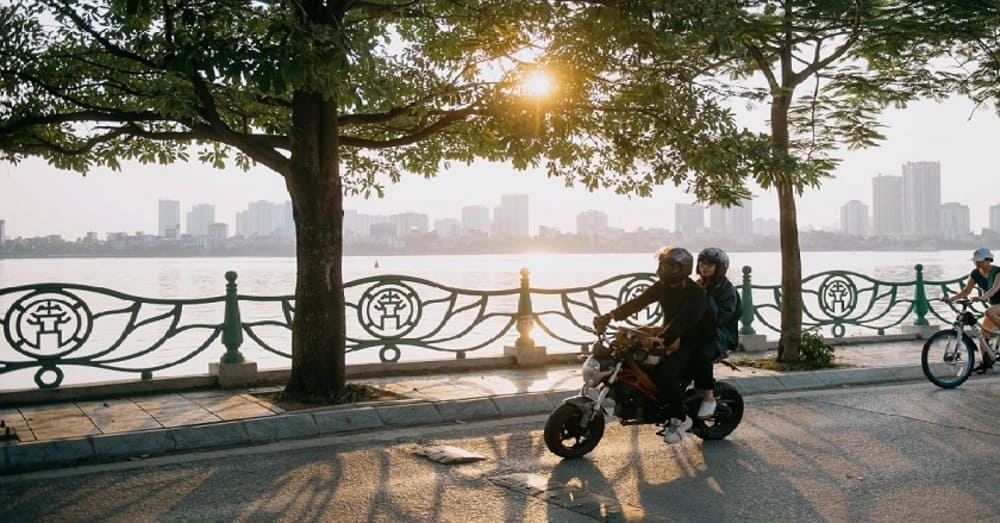
One of the best things to do at West Lake Hanoi is ride along the lakeside, a favorite among locals
From Hanoi Old Quarter (Phố Cổ)
Distance: ~1 km
Walk: 10–15 minutes via Đinh Tiên Hoàng street → Tràng Tiền street
Grab/taxi: 5–10 minutes
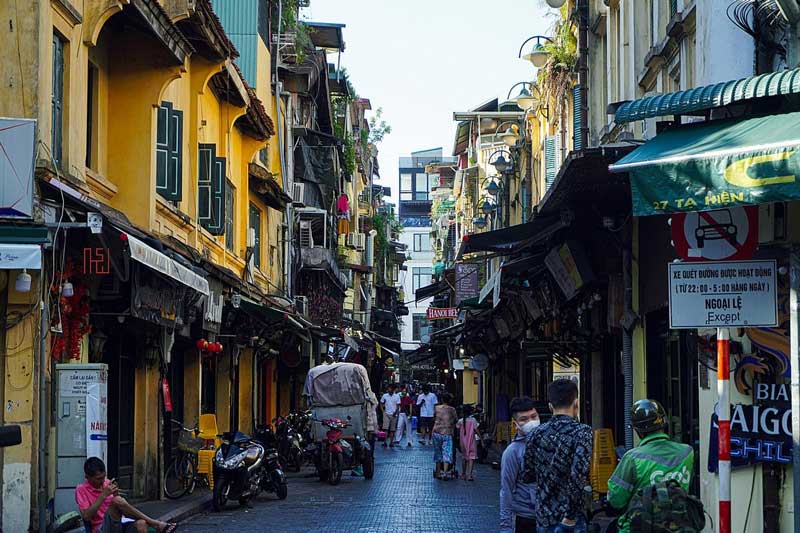
The Old Quarter is a treasure trove of traditional Vietnamese culture
Public transport
Bus routes: 02, 04, 34, 43, 45, 49, 86
Double-decker city tour bus stops at August Revolution Square (in front of Opera House)
Opening Hours
Visit Type
Days
Hours
Exterior / Plaza
Daily
Open 24 hours
Guided architectural tours
Mon & Fri (verify)
10:30 AM – 12:00 PM
Evening performances
Varies by schedule
Show starts 18:00 or 20:00
Box office
During show days
From 8:00 AM
Best Time to Visit
For photography, the best time to visit the exterior is either the golden hour just before sunset (around 17:00–17:30) or the blue hour immediately after (17:30–18:30), when the building glows with warm floodlighting against a deepening blue sky.
In my opinion, early mornings on weekdays offer the cleanest shots with minimal crowds and traffic.
A short stroll from the Opera House along Tràng Tiền Street brings you to the Vietnam National Museum of History (Bảo tàng Lịch sử Quốc gia Việt Nam), another superb example of Indochina-era colonial architecture. The museum houses an extraordinary collection of artefacts spanning over 5,000 years of Vietnamese civilization!
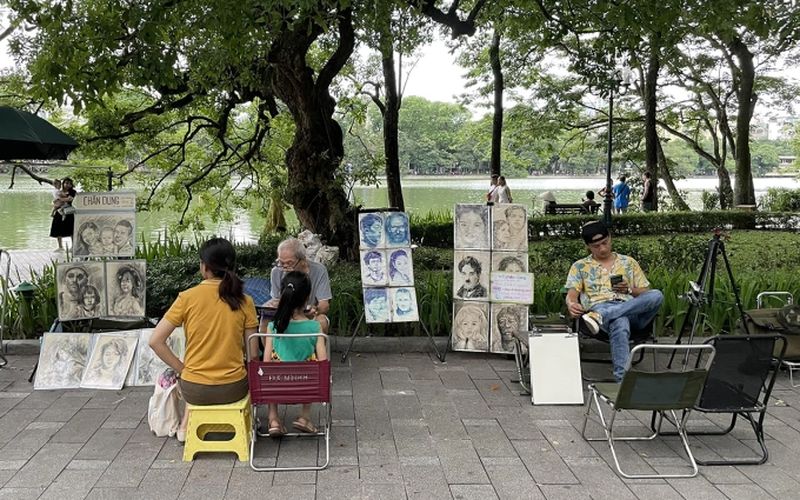
Just 800 metres west of the Opera House, Hoan Kiem Lake is the spiritual and geographic heart of Hanoi. The emerald-green lake is home to the picturesque Ngoc Son Temple, reached by the iconic vermilion Huc Bridge.
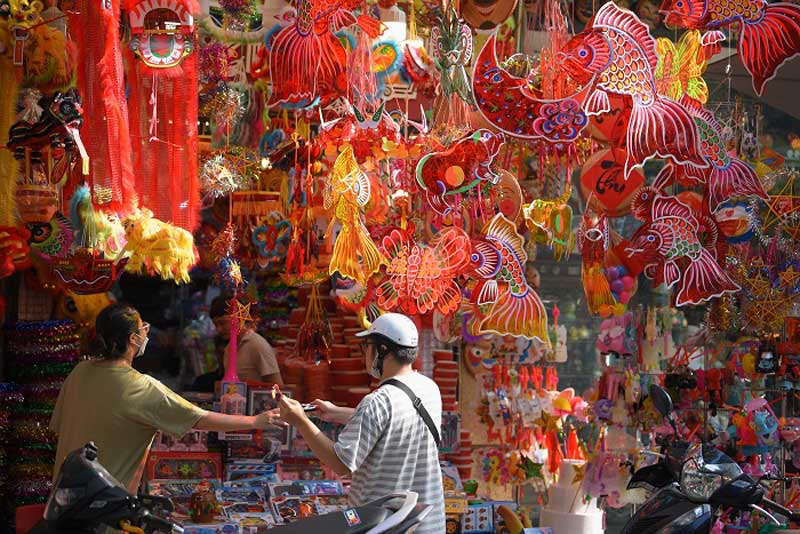
Hanoi's legendary Old Quarter, a 10–15 minute walk from the Opera House, is one of the most vibrant and historically rich urban neighbourhoods in all of Southeast Asia. Today the area buzzes with street food vendors, art galleries, boutique shops, and traditional craftspeople.
Streets like Hang Gai (Silk Street) and Hang Ma (Paper Street) of Hanoi Old Quarter still retain their traditional charm
Tràng Tiền Plaza
Located almost directly opposite the Opera House on Tràng Tiền Street, Tràng Tiền Plaza is Hanoi's most prestigious shopping centre, housed in a beautifully restored French colonial building.
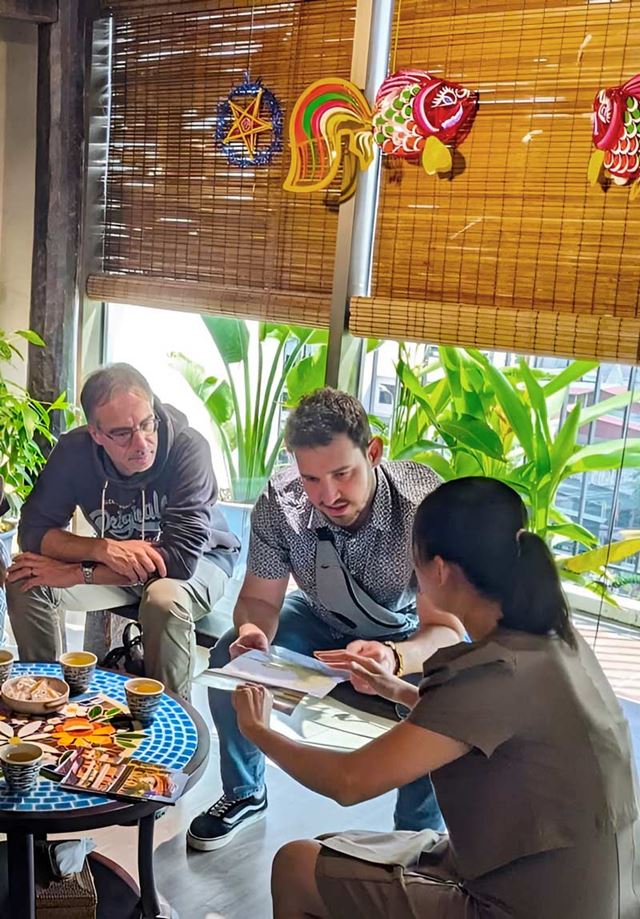
Note: Our office is located here as well! If you book a tour, you’re more than welcome to stop by for a drink and some snacks, and we can take you on the tour directly if needed! Contact us now!
Frequently Asked Questions (FAQ)
1. Can tourists enter Hanoi Opera House?
Yes, tourists are warmly welcome. There are two main ways to access the interior: by attending a performance (which is the most common and recommended option) or by joining a scheduled guided architectural tour.
2. How much are tickets?
Architectural tours cost around 400,000 VND (~$16). Standard performances range from 200,000 to 800,000 VND ($8–$32), while ballet or opera tickets typically cost between 300,000 and 1,600,000 VND ($12–$64+).
For premium shows or special events, prices can reach up to 20,000,000 VND (~$800).
3 How long does a visit take?
For an exterior visit and photography stop, allow 20–30 minutes. A guided architectural tour typically lasts around 1.5 hours. Attending an evening performance will generally take 1.5 to 2.5 hours from arrival to the end of the show, depending on the programme.
4. Is it worth visiting at night?
Absolutely, night-time is arguably the best time to visit Hanoi Opera House. The building is beautifully lit after dark, with the “blue hour” just after sunset ideal for photos. Evening shows also let you see the grand interior at its most vibrant, while Tràng Tiền Street and the French Quarter feel especially lively and atmospheric on weekends.
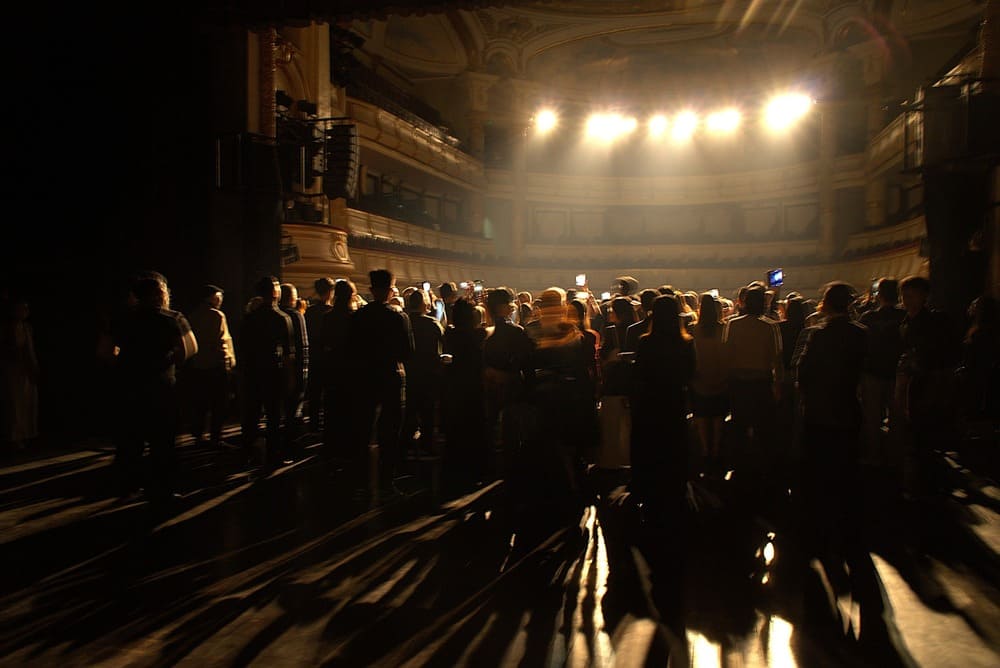
Evening shows also let you see the grand interior at its most vibrant
5. Can you take photos inside?
At Hanoi Opera House, photography is allowed in public areas like the lobby, foyer, and Mirror Room during guided tours or before performances. However, taking photos or videos during live shows is usually not permitted. The exterior can be photographed freely at any time.
6. What should I wear?
For daytime tours, smart casual is fine, such as neat clothes and clean shoes, while flip-flops or beachwear should be avoided. For evening performances, aim for smart casual to semi-formal, with more elegant outfits for opera or gala events. A traditional Vietnamese áo dài is always a stylish and appropriate choice.
Planning your trip?
Save time and get expert advice for FREE!
✅ 15 years of local experience
✅ Save up to 40 hours of planning
✅ Travel stress-free from start to finish
Book your free consultation today!












 Our team
 Our team
 Our team
 Our team

.jpg)
.jpg)
.jpg)
.jpg)
.jpg)


 Other
Other Add us as a preferred source