Lang Son isn’t always a must-see destination on a first short trip to Vietnam, but it can be a rewarding option if you want to venture off the beaten path. Set in the mountains of Northeast Vietnam near the Chinese border, the province offers limestone caves, local markets, cool mountain scenery, borderland culture and distinctive regional food.
In this guide, discover the best things to do in Lang Son, from city caves and local markets to Mau Son Mountain, Bac Son Valley and borderland sites near Dong Dang. We also share when to visit, how to get there from Hanoi and how to decide whether Lang Son fits your northern Vietnam itinerary.
Written by Oliver PHUNG (Tour Guide)
Updated on Jun 22, 2026
0 comment
Oliver Phung is a Northern Vietnam-based tour guide and blogger. His favorite topics to write about include cuisine, culture, travel, and under-the-radar experiences. Oliver possesses a deep, detailed understanding of the region, from the indigenous culture of the Hmong in the Northwest to the highland lifestyle of the Tay in the Northeast. Whether he is exploring ancient architecture or geological landscapes, he is always eager to share his insights with his readers.
Beyond his work at Kampá Tour, he produces specialized travel content on platforms such as Reddit, Instagram, LinkedIn, and various other publications.
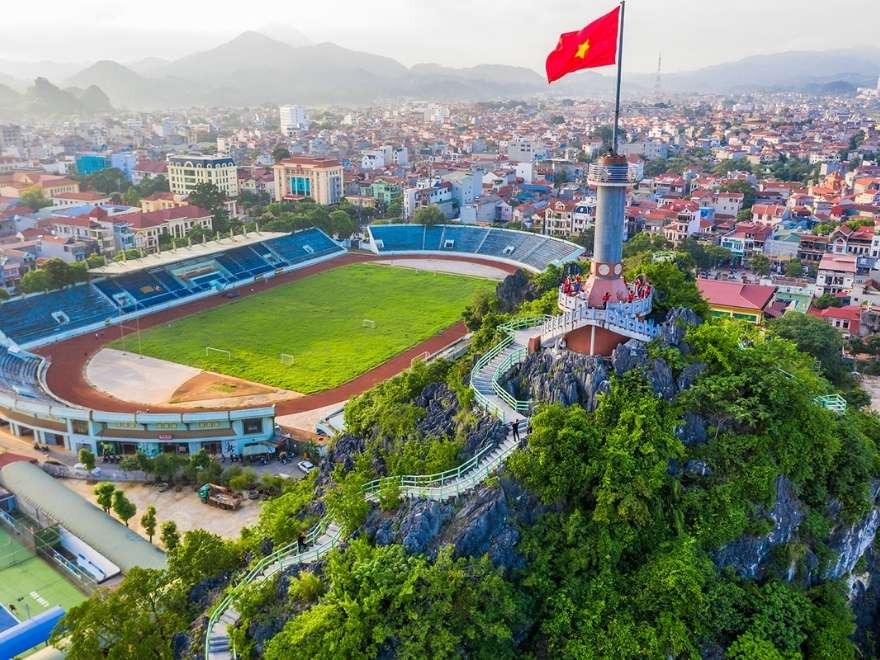
Lang Son is a mountainous province in Northeast Vietnam, close to the Chinese border. For travelers, it is usually visited from Hanoi as a short cultural and scenic escape, or as part of a wider Northeast Vietnam itinerary including Bac Son, Cao Bang or Ban Gioc Waterfall.
Lang Son City is the provincial capital and the easiest base for first-time visitors. From here, you can visit caves, markets, historical sites and nearby border towns such as Dong Dang. Further out, the province opens into mountain roads, valleys, geopark sites and rural communities.
Located about 170 km from Hanoi, Lang Son is commonly reached by road in around 3 to 4 hours, depending on traffic and your final stop. This makes it close enough for a short trip, but still different enough to feel far from the usual tourist trail.
Because of its location, Lang Son can work in two ways: as a quiet one- or two-night escape from Hanoi, or as a useful gateway toward Bac Son Valley, Cao Bang and Ban Gioc Waterfall in Northeast Vietnam.
Best things to do in Lang Son
Tam Thanh and Nhi Thanh caves
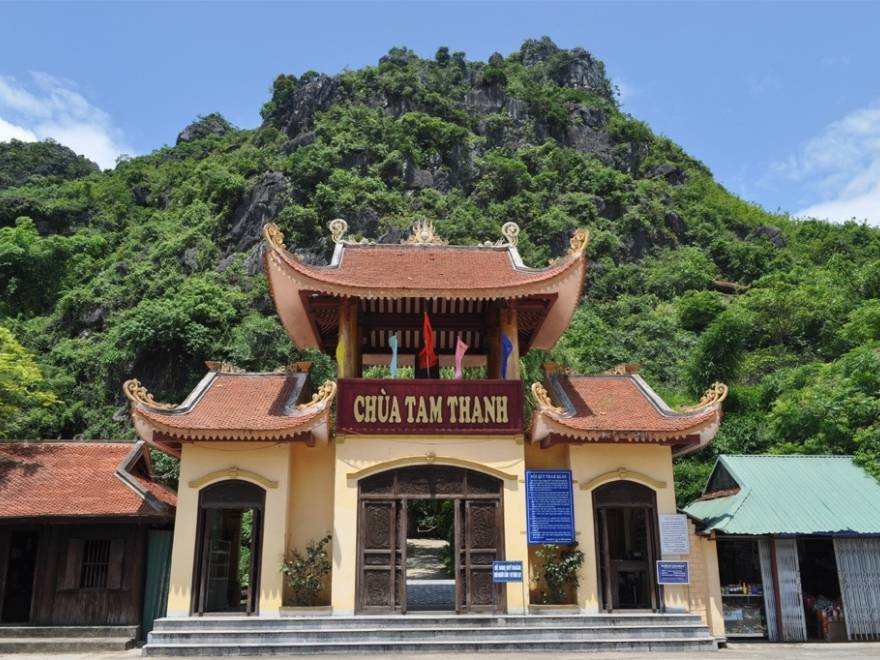
Tam Thanh and Nhi Thanh are close to Lang Son city center, so they are easy to visit without planning a long excursion. Inside, you will find limestone formations, Buddhist altars and a cool, quiet atmosphere that feels very different from the streets outside.
They are not giant cave systems like those in Phong Nha, so it is better to visit them with the right expectations. Their charm lies in the peaceful setting, the temple-like atmosphere inside the caves and the viewpoints that open onto the surrounding hills and city.
Tam Thanh Cave is one of the easiest cultural stops to visit in Lang Son City, with limestone formations and Buddhist altars inside.
To Thi Mountain and Mac Dynasty Citadel
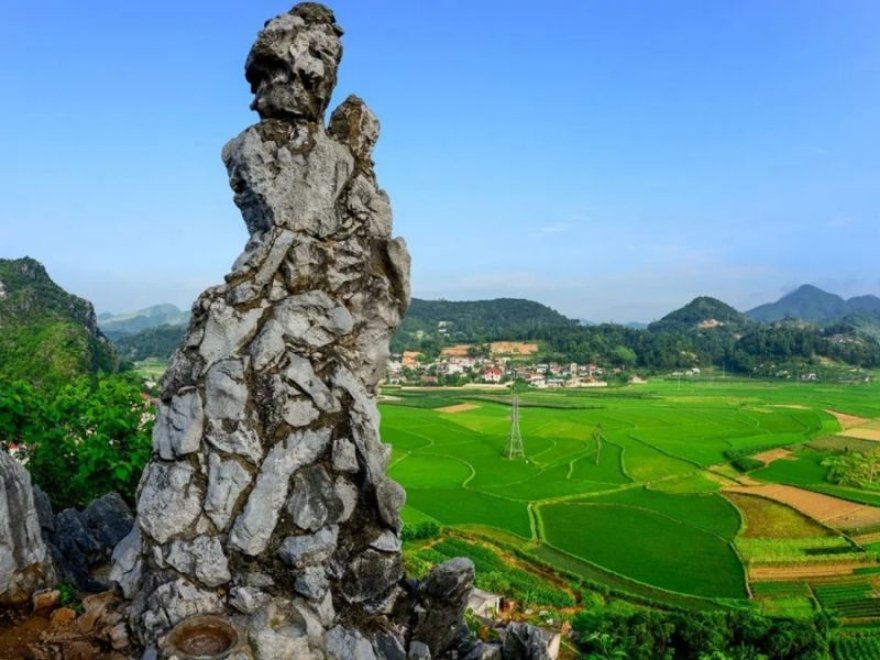
Just above the Tam Thanh area, To Thi Mountain and the Mac Dynasty Citadel can be visited together with the caves in one easy half-day walk. To Thi Mountain is known for a natural rock formation linked to the legend of a woman waiting for her husband with her child in her arms. For many Vietnamese visitors, it is less about the climb itself and more about the story behind one of Lang Son’s best-known symbols.
If you enjoy local legends and historical context, this is the kind of place where an English-speaking local guide can make the visit more meaningful. The walk is not especially long, but the stories behind the rocks, the caves and the old citadel are what give the area its real depth.
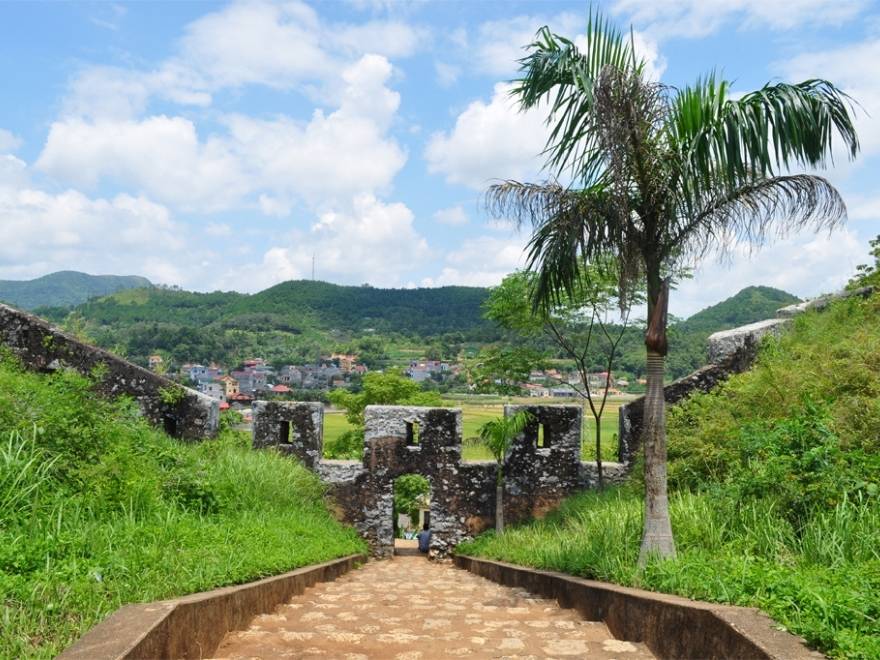
Nearby, the remains of the Mac Dynasty Citadel add a more historical layer to the visit. The old stone walls were once part of a military stronghold built in the mountains, and from the higher points you can look back over Lang Son City and the surrounding limestone hills. It is a short visit, but it helps connect the caves, the legend and the city’s borderland history in a meaningful way.
The Mạc Dynasty citadel ruins in Lạng Sơn
Ky Lua and Dong Kinh markets
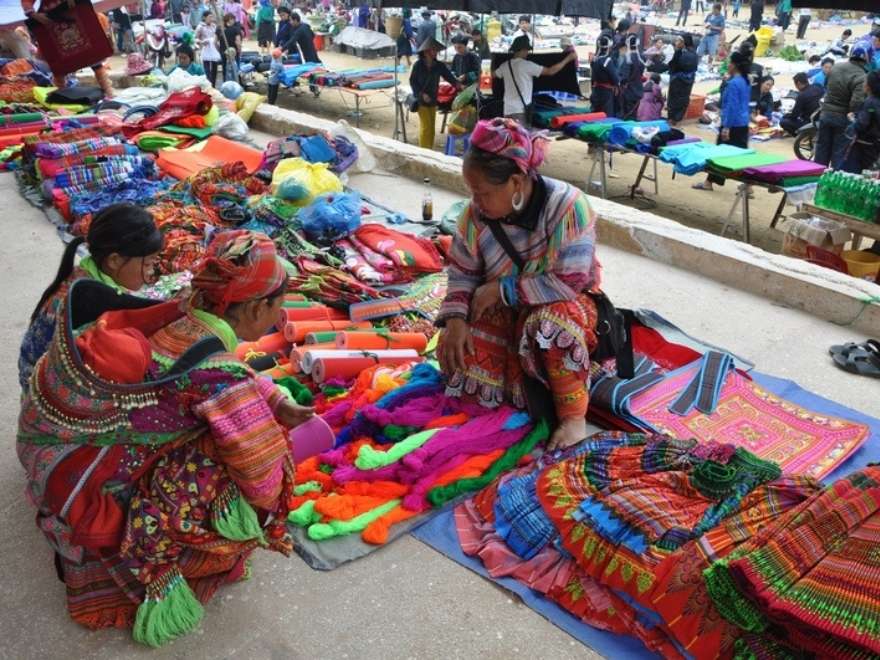
Lang Son’s markets are not the kind of places you visit for polished souvenirs. They are more about everyday borderland life: small food stalls, dried fruits, spices, fabrics, household goods and the quick rhythm of local trade.
Ky Lua Market has the older, more traditional feel, while Dong Kinh Market is larger and more practical if you want to browse for snacks or simple gifts to bring home. The markets may not feel as exotic as they once did, but they are still worth a stop if you want to see how Lang Son moves beyond its caves and mountain views.
Ethnic market in Ky Lua, Lang Son
Mau Son Mountain
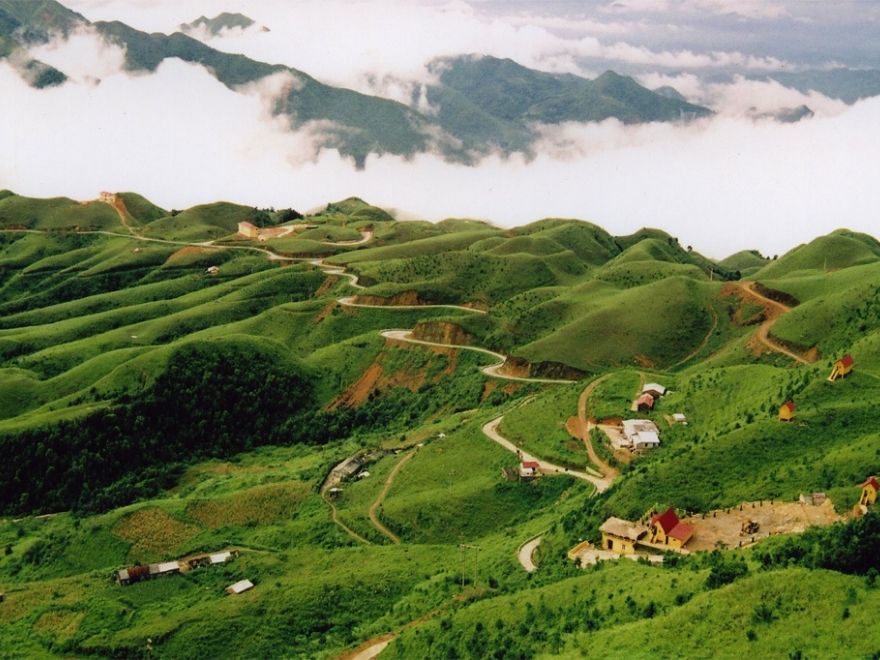
About 30 km from Lang Son City, Mau Son Mountain is the province’s best-known escape for fresh air, misty views and cooler weather. The road climbs into a landscape of rolling peaks, deep valleys, Dao villages and old French-era villas, giving the area a very different feel from the city below.
Mau Son is often mentioned in winter because it is one of the few places in Vietnam where frost, ice or even snow can appear when temperatures drop sharply. Still, this should be seen as a rare bonus, not something to plan your whole trip around. Outside these cold spells, Mau Son is still worth visiting for the mountain scenery, early morning clouds and quiet atmosphere.
The road is mountainous and can be foggy or slippery in winter, so a private car with a local driver is usually more comfortable than trying to arrange the trip on your own. Bring warm clothes if you visit from December to February, and good shoes if you plan to walk around the old villas or nearby trails.
Lang Son UNESCO Global Geopark
Lang Son UNESCO Global Geopark gives the province a deeper story than markets, caves and mountain views alone. Covering nearly 4,850 km², it brings together limestone landscapes, ancient seabeds, fossil-rich sites, cave systems and valleys shaped over millions of years.
You do not need to be a geology expert to enjoy it. For most travelers, the geopark is interesting because it connects several sides of Lang Son in one journey: prehistoric traces in caves, quiet valleys, Tay and Nung villages, local food, spiritual sites and mountain scenery that still feels far less visited than Vietnam’s famous tourist routes.
Lang Son Geopark
Some geopark sites are easy to include in a short Lang Son itinerary, while others need more time, a private car or a local guide. If you are curious about nature, history and ethnic culture, this is one of the strongest reasons to see Lang Son as more than just a quick stop near the Chinese border.
Bac Son Valley and Na Lay Viewpoint
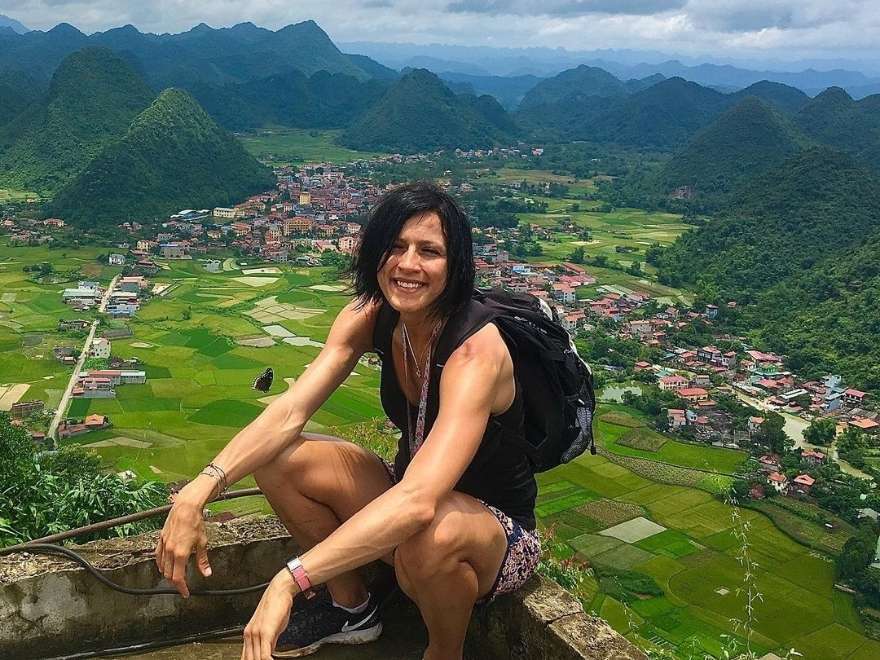
Bac Son Valley is one of the most scenic extensions in Lang Son Province, but it is not a quick city stop. Located about 80 km from Lang Son City, it is best planned as a full-day trip or as part of a two- or three-day route in the province.
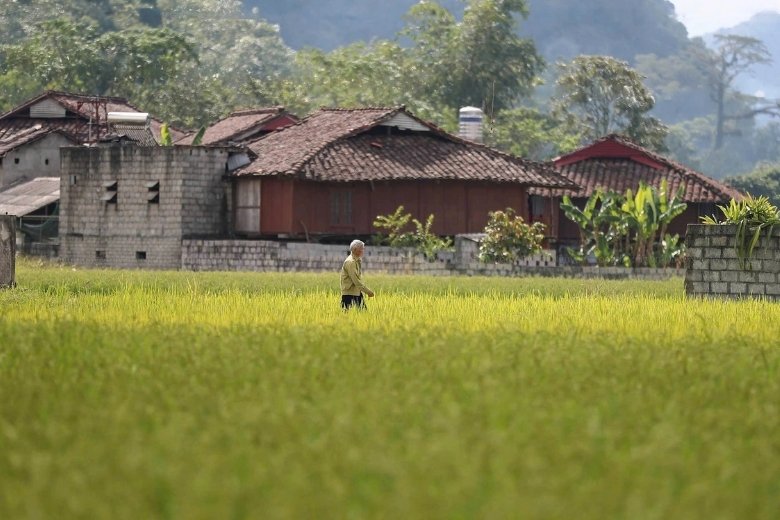
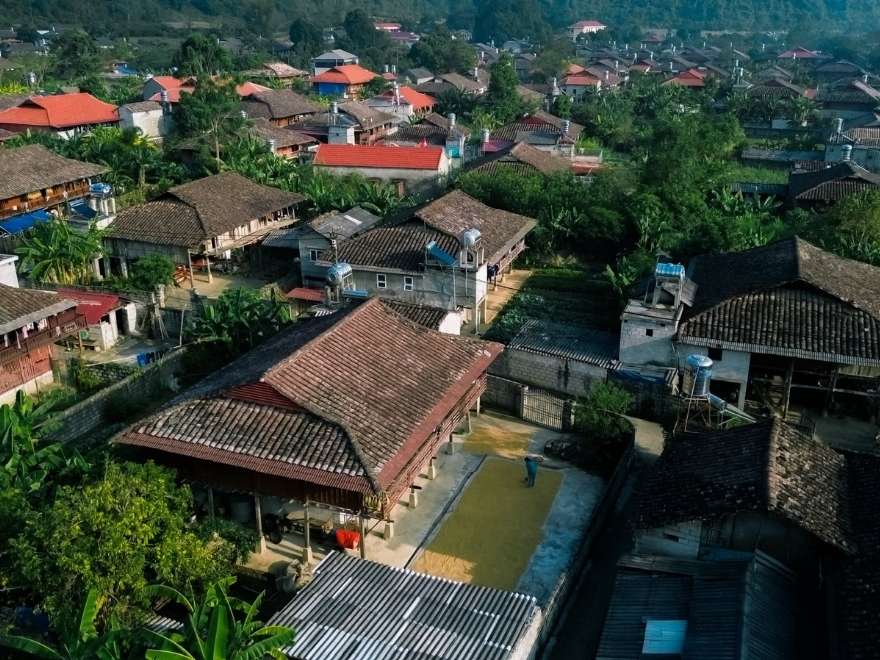
The valley is known for its rice fields, limestone mountains and Tay villages, especially Quynh Son, where traditional stilt houses and yin-yang tiled roofs are still part of daily life. This is what makes Bac Son more interesting than a simple photo stop: you come for the view, but you stay a little longer for the village atmosphere, local food and slower rural rhythm.
Bac Son is a Tay ethnic village in Vietnam that has been named "World's Best Tourist Village 2025".
For the best panorama, head to Na Lay viewpoint. The climb is not very long, but it is steep enough to require good shoes, especially after rain. From the top, the valley opens below with rice fields, scattered villages and mountains on every side. Sunrise and late afternoon are usually the most rewarding times for photos.
Dong Dang and Huu Nghi Border Gate
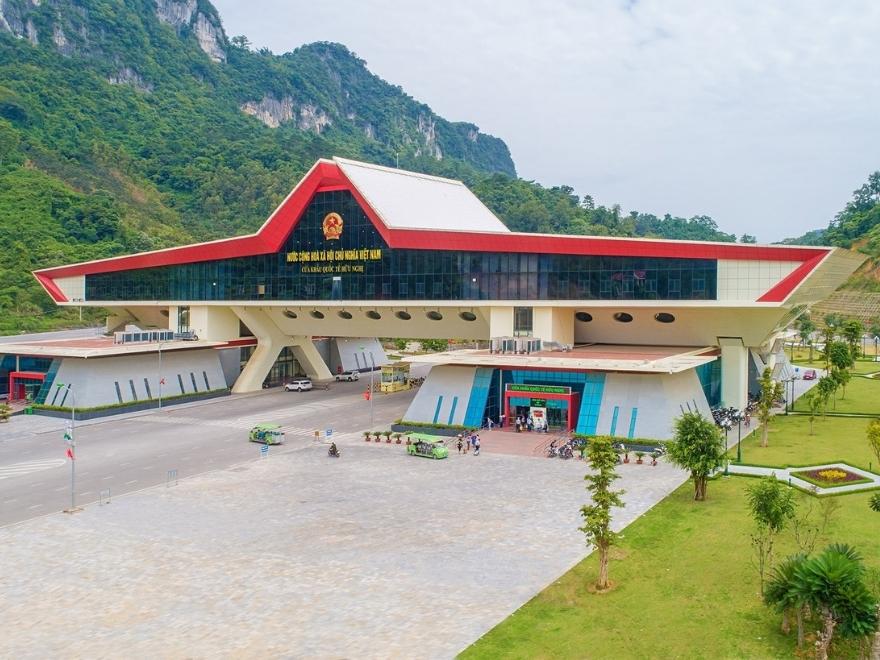
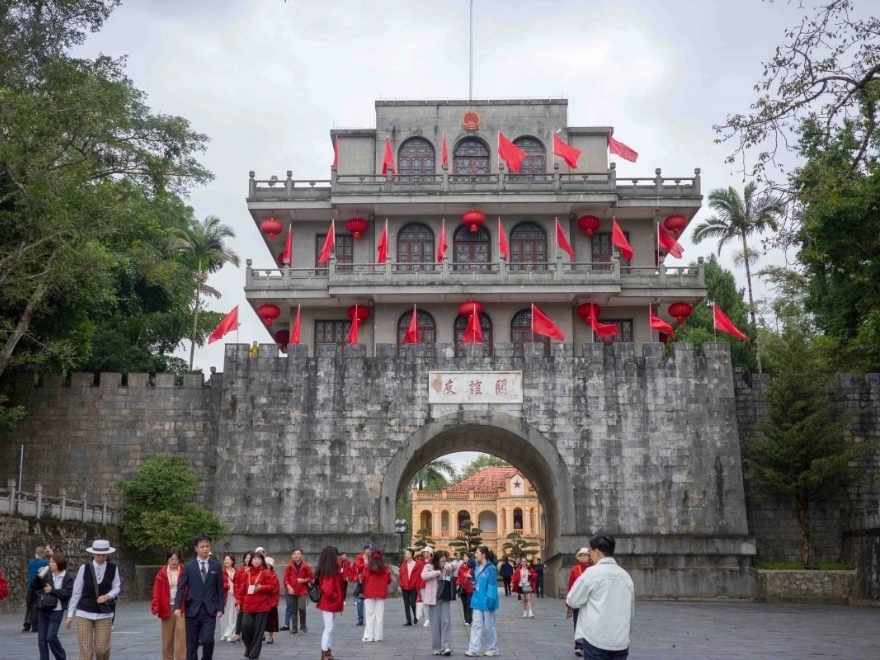
For most travelers, Dong Dang and Huu Nghi Border Gate are not must-see attractions in the classic sense. Their interest lies more in the borderland atmosphere: trucks waiting near the checkpoint, signs in two languages, small trading streets and the feeling that you are standing at one of Vietnam’s main gateways to China.
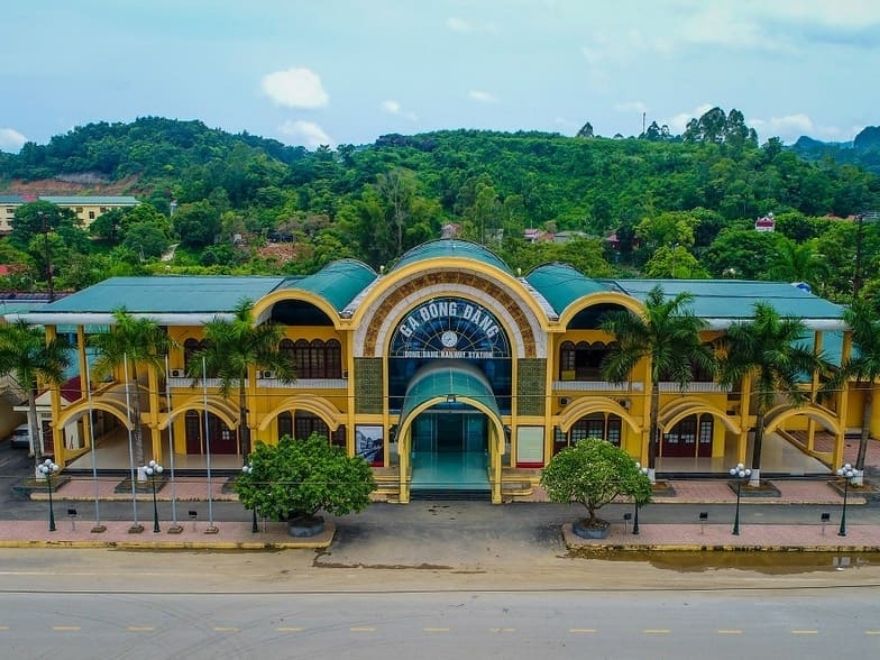
Dong Dang is a small border town rather than a polished tourist stop. You can visit Dong Dang Station, one of Vietnam’s international railway gateways, stop by Dong Dang Mau Temple, or walk through Dong Dang Market to see the daily trade that keeps the town moving. The market is especially interesting for its dried goods, mountain spices, local snacks and everyday products coming from both sides of the border.
Huu Nghi Border Gate, located north of Lang Son City, is more symbolic than scenic. You do not need to spend a long time here, and it is not the kind of place to visit only for photos. But if your itinerary already includes Dong Dang, the border gate helps explain why Lang Son has long played an important role between Vietnam and China.
Border permit note for foreign travelers: Some border areas in Vietnam may require a border permit for foreign visitors. In most organized trips, this is usually checked and arranged in advance by the travel company or local operator. If you travel independently, you should confirm the current rules and, when required, apply through the relevant immigration authority before visiting restricted or border areas. This is separate from any visa or entry document needed if you plan to cross into China.
Chi Lang Pass
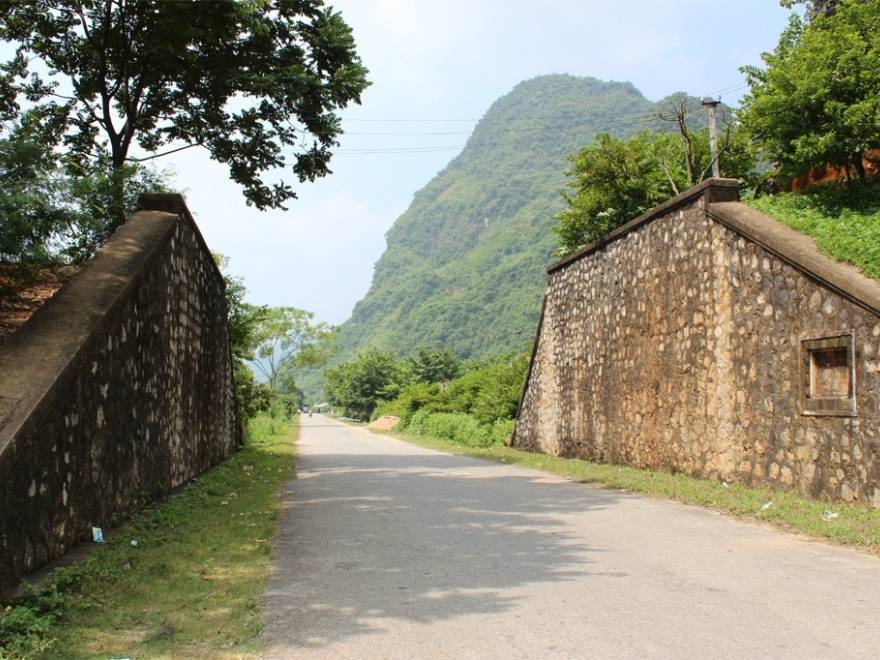
Chi Lang Pass is more meaningful if you enjoy Vietnamese history. At first glance, it may look like a quiet valley surrounded by limestone mountains, but its position once made it one of the most important defensive gateways in northern Vietnam.
For centuries, this narrow pass helped protect the route toward the Red River Delta and the old capital area. Its most famous chapter is linked to the victory of Chi Lang in 1427, when Vietnamese forces defeated a major Ming reinforcement army, helping bring the war for independence to an end.
Today, Chi Lang is not a place where you need to spend many hours. It works best as a short stop on the way between Hanoi, Lang Son and other Northeast Vietnam destinations. Without context, it may feel like just another mountain landscape; with a guide or a short historical explanation, it becomes much easier to understand why this quiet valley matters so much in Vietnamese memory.
Optional Nature Extensions: Phia Po, Dang Mo Waterfall and Huu Lien
If you have more time and enjoy soft adventure, Lang Son Province also offers several nature extensions beyond the classic city sights. These places are better planned with local guidance rather than added spontaneously to a short visit.
Phia Po Peak is the most serious option, suitable for travelers with good fitness and some trekking experience. The route can be demanding, and an overnight plan may be needed if you want to enjoy the clouds and mountain scenery at the right time.
Dang Mo Waterfall is a gentler nature stop, especially pleasant in warm weather or as part of a countryside route. Huu Lien and Huu Lung are better for travelers interested in eco-tourism, limestone landscapes, local villages and a slower rural atmosphere.
These extensions are not essential for a first Lang Son itinerary, but they are worth considering if you want to turn a short visit into a deeper nature-focused journey.
Best time to visit Lang Son
The best time to visit Lang Son is usually spring or autumn, when the weather is milder and outdoor visits are more comfortable. These seasons are good for exploring caves, markets, mountain viewpoints and nearby valleys without the heat or heavy rain of summer.
Spring, from February to April, is a pleasant time for cultural travel. The weather is generally cool, local festivals bring more life to temples and villages, and the mountain scenery feels fresh after winter. This is a good season if you are interested in local traditions, spiritual sites and a slower cultural experience.
Autumn, from September to November, is often the most comfortable season for scenery. The air is clearer, temperatures are easier for walking, and places such as Bac Son Valley, Mau Son Mountain and the countryside around Lang Son are more enjoyable to explore. This is also a good time for photography and short outdoor excursions.
Winter, from December to January or February, can be cold, especially in higher areas such as Mau Son. Frost or even snow may appear during strong cold spells, but this should be seen as a rare bonus rather than something guaranteed. Bring warm clothes if you travel during this period, especially if Mau Son is included in your itinerary.
Summer, from June to August, is warmer and rainier. Lang Son can still be visited, but mountain roads, viewpoints and trekking routes may be less comfortable after heavy rain. If you travel in summer, keep the itinerary flexible and avoid adding too many remote nature stops in one day.
For most international travelers, a private car or limousine van is the easiest way to get from Hanoi to Lang Son. The journey usually takes around 3 to 4 hours, depending on traffic, pick-up point and your final destination in the province.
By Private Car
A private car with driver is the most comfortable and flexible option, especially if Lang Son is part of a private northern Vietnam itinerary. It allows you to stop at places such as Chi Lang Pass, continue to Mau Son Mountain, visit Bac Son Valley, or combine Lang Son with Cao Bang and Ban Gioc Waterfall.
This is usually the best choice for couples, families or travelers who do not want to manage local transport connections. It is also more practical if your itinerary includes mountain roads or several stops outside Lang Son City.
By Bus or Limousine Van
Bus and limousine van services are a budget-friendly way to travel from Hanoi to Lang Son. They are suitable for independent travelers who mainly want to reach Lang Son City or Dong Dang without many stops along the way.
Departures may be available from major Hanoi bus stations or through pick-up services, depending on the operator. Schedules, prices and pick-up points change regularly, so it is better to check directly with the bus company, your hotel or a local travel agency before departure.
By Train
Train travel between Hanoi and Lang Son or Dong Dang may be possible depending on the current railway schedule, but this option needs to be checked carefully before you plan your trip. Do not rely on old timetables or fixed departure times found in older travel guides.
If the train is operating on your travel date, it can be a slower but scenic way to reach the border region. However, for most travelers, especially those with limited time, a private car or limousine van remains the simpler option.
What About Motorbike?
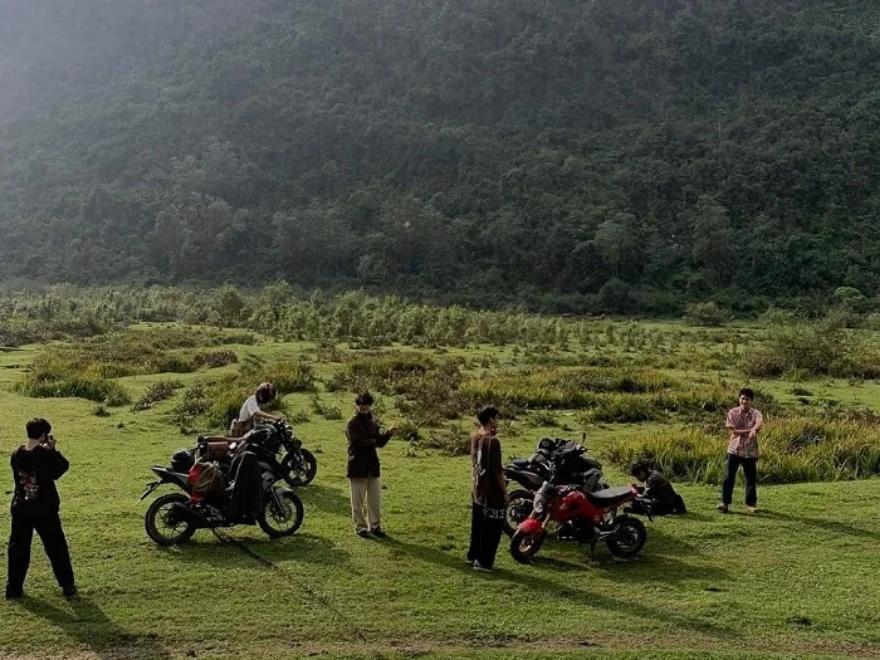
Traveling by motorbike gives more freedom, but it is not the easiest choice for most foreign visitors. You should only consider it if you are experienced with Vietnamese traffic, mountain roads and local travel conditions, and if you have a valid motorbike license together with an International Driving Permit accepted in Vietnam.
Always check that your license and permit cover the type of motorbike you plan to ride. For routes including Mau Son, Bac Son or more remote geopark areas, a car with a local driver is usually safer and more comfortable.
Lang Son’s cuisine feels distinctly regional. Compared with some dishes in Hanoi, the flavors can be more savory, rustic and strongly influenced by mountain herbs, local spices and the food culture of Tay and Nung communities.
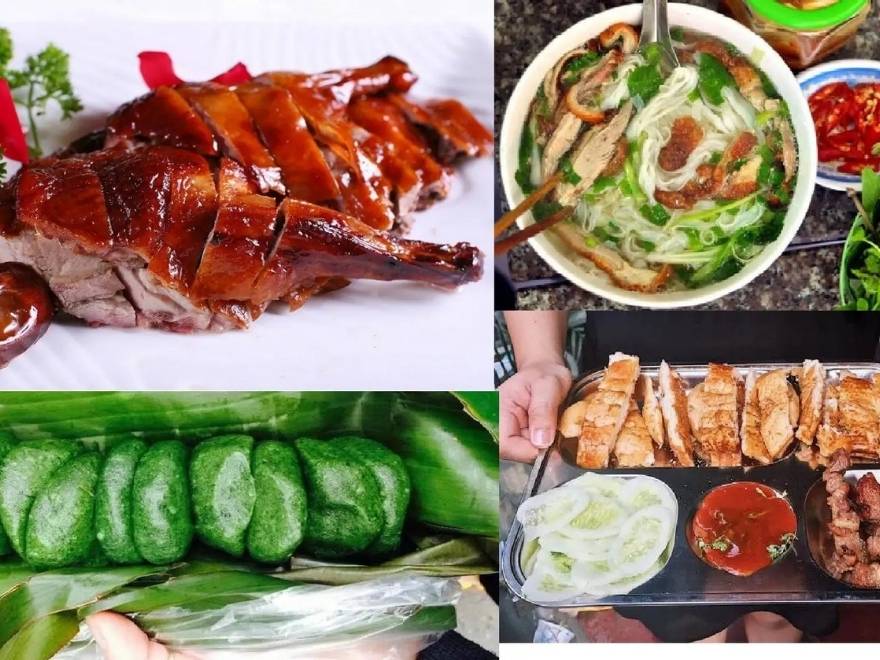
Roasted duck with mac mat leaves is one of the province’s signature dishes. The duck is roasted until the skin becomes crisp, while the meat keeps the special aroma of mac mat, a local leaf often used in northern mountain cooking.
Sour pho, or pho chua, is very different from the hot noodle soup many travelers know in Hanoi. It is served as a mixed noodle dish with a sweet-and-sour sauce, roasted or grilled meat, peanuts, herbs and sometimes crispy toppings. It makes a good light lunch, especially if you want to try something local but not too heavy.
Egg rice rolls, or banh cuon trung, are a popular breakfast dish in Lang Son. A thin steamed rice sheet is filled or topped with egg, then served with warm dipping sauce. It is simple, comforting and easy to enjoy even if you are new to Vietnamese food.
Khau nhuc is a richer dish, often linked to Tay and Nung food traditions. It is made with slow-cooked pork belly, usually served in thick slices with a deep, savory flavor. This is a good dish to try at a local meal, especially if you are traveling with a guide or host who can recommend a reliable restaurant.
Good to know: The best local eateries in Lang Son are not always easy to spot from the street. Many are small, simple and hidden in side streets, so it is worth asking your guide, hotel or local host for recommendations. For adult travelers, Mau Son rice wine is also a well-known local specialty, traditionally made by Dao communities with forest-leaf yeast. It is more interesting as a cultural product than something to overdo at meals. Read more about Happy Water
Suggested Lang Son itinerary from Hanoi
Lang Son can be visited as a long day trip from Hanoi, but it is more enjoyable if you stay at least one night. With two or three days, you can go beyond the city and include mountains, borderland sites or rural valleys.
One Day in Lang Son
A day trip is possible, but it is best for travelers who only want a quick look at Lang Son City. It does not allow enough time for Mau Son Mountain, Bac Son Valley or the more remote geopark areas.
Suggested route:
Early morning: Depart from Hanoi by private car.
Late morning: Visit Tam Thanh and Nhi Thanh caves.
Midday: Continue to To Thi Mountain and the Mac Dynasty Citadel.
Lunch: Try a local specialty such as roasted duck with mac mat leaves.
Afternoon: Stop at Ky Lua or Dong Kinh Market.
Late afternoon: Return to Hanoi.
This option is convenient if you are short on time, but the rhythm is quite fast. A private car is strongly recommended, as public transport would make the day too rushed.
Two Days in Lang Son
Two days is the most balanced option for first-time visitors, giving you enough time to see the city highlights and add one mountain or borderland experience.
Day 1: Hanoi – Lang Son City
Travel from Hanoi to Lang Son in the morning.
Have lunch in Lang Son City.
Visit Tam Thanh and Nhi Thanh caves.
Continue to To Thi Mountain and the Mac Dynasty Citadel.
Explore Ky Lua or Dong Kinh Market in the late afternoon.
Try local food such as roasted duck, sour pho or egg rice rolls for dinner.
Day 2: Choose one main extension
Mau Son Mountain: best for cool air, mountain scenery and old French-era villas.
Dong Dang and Huu Nghi Border Gate: best for borderland culture, trade atmosphere and Dong Dang Mau Temple.
Selected geopark sites: best for travelers interested in caves, geology and local communities.
Return to Hanoi in the afternoon. The key is not to add too many places on the second day; choosing one main direction will make the trip much more comfortable.
Three Days in Lang Son and Beyond
With three days, Lang Son becomes more interesting because you can go beyond the city and include Bac Son Valley, Mau Son or a continuation toward Cao Bang.
Option A: Lang Son City and Bac Son Valley
Spend the first day in Lang Son City, then use the second day for Bac Son Valley and Quynh Son village. This option is best for travelers who enjoy rice fields, Tay villages, rural landscapes and photography. The third day can be used for a slower return to Hanoi or a stop at Chi Lang Pass.
Option B: Lang Son City, Mau Son and Chi Lang
This route works well for travelers who want a mix of culture, mountain scenery and history. Visit the city highlights first, spend time in Mau Son for cooler weather and old French-era villas, then stop at Chi Lang Pass to understand the historical role of this natural gateway in northern Vietnam.
Option C: Lang Son as a Stop Toward Cao Bang
Lang Son can also be used as part of a longer Northeast Vietnam route. After visiting the city, Mau Son or Bac Son, you can continue toward Cao Bang and Ban Gioc Waterfall. This option needs more travel time, but it works well for travelers who want a deeper journey through the mountains, borderlands and ethnic minority regions of northern Vietnam.
Practical Tips for Visiting Lang Son
Lang Son still feels more local than tourist hubs such as Sapa, Ninh Binh or Halong Bay. This is part of its charm, but it also means English is less common and a little planning will make the trip much smoother.
Accommodation: Lang Son City has simple but comfortable hotels, suitable for one or two nights. If your itinerary includes Bac Son Valley or Huu Lien, a local homestay can offer a more rural and cultural experience.
Language: English is not widely spoken outside hotels and main tourist stops. A translation app helps, but a local guide or host can make a big difference, especially in markets, villages and historical sites.
Clothing: Bring comfortable walking shoes for caves, viewpoints and old citadel areas. In winter, or if you plan to visit Mau Son Mountain, pack warm layers because temperatures can drop sharply.
Cash: Keep some cash in small notes for markets, local eateries, parking fees and small purchases. Card payment is not always available in smaller shops or food stalls.
Temples and cave shrines: Some caves and mountain sites include Buddhist altars or local shrines. Dress respectfully, keep your voice low and avoid touching religious objects.
Photography: Lang Son is a good place for street, market and village photography, but always ask before taking close-up photos of local people, especially in rural communities.
Getting around: Taxis and private cars are the easiest options for most travelers. A motorbike gives more freedom, but it is only suitable for confident riders with the proper license and an International Driving Permit accepted in Vietnam.
Travel rhythm: Do not try to combine too many places in one day. Distances can look short on the map, but mountain roads, weather and local stops often make the journey slower than expected.
Our Local Advice: Should You Add Lang Son to Your Vietnam Itinerary?
From our experience designing private trips in northern Vietnam, Lang Son works best as a short cultural extension from Hanoi or as part of a wider Northeast Vietnam route. It is not always the first destination we recommend for a classic first trip, but it can be very rewarding for travelers looking for local markets, borderland culture and quieter mountain scenery.
If this is your first trip to Vietnam and you only have 10 to 12 days, Lang Son is usually not essential. In that case, places such as Hanoi, Ninh Binh, Halong Bay, Hoi An, Hue, the Mekong Delta or Sapa may take priority, depending on your route and travel style.
If you have two weeks or more, or if you want to explore a less touristy side of northern Vietnam, Lang Son becomes much more interesting. It gives you a different view of the country: more local, more regional, and more connected to the mountain communities and borderland life of the Northeast.
Lang Son is also a good choice for travelers who have already visited Vietnam’s classic highlights and want something different for a second trip. After Sapa, Ninh Binh or Halong Bay, Lang Son feels quieter and less polished, which is exactly why some travelers enjoy it.
For those planning to continue toward Cao Bang and Ban Gioc Waterfall, Lang Son can work well as a connecting stop. It can break the journey, add cultural depth and make the route feel less like a long transfer between famous sites.
Our advice is simple: choose Lang Son if you are curious about local life, markets, caves, border culture and mountain scenery. Skip it if you are looking for major bucket-list landmarks or a very easy tourist infrastructure. And if you do include it, consider traveling with a local guide, because many of Lang Son’s best stories are not obvious at first glance.
Yes, Lang Son is worth visiting if you want local markets, limestone caves, borderland culture and quieter mountain scenery. It is not always essential for a first short trip to Vietnam, but it is a good choice for travelers looking beyond the classic route.
How many days do you need in Lang Son?
Two days is usually the most balanced option. One day is possible but rushed, while three days allow you to include Bac Son Valley, Mau Son Mountain or a continuation toward Cao Bang.
How far is Lang Son from Hanoi?
Lang Son is about 170 km from Hanoi. By road, the journey usually takes around 3 to 4 hours, depending on traffic, pick-up point and your final destination in the province.
Can you visit Lang Son as a day trip from Hanoi?
Yes, but it is quite rushed. A day trip is best for travelers who only want a quick look at Lang Son City, including Tam Thanh and Nhi Thanh caves, To Thi Mountain, the Mac Dynasty Citadel and a local market.
Is Lang Son better than Sapa or Cao Bang?
Lang Son is not better or worse; it offers a different experience. Sapa is better for rice terraces and trekking, Cao Bang is better for Ban Gioc Waterfall and dramatic karst scenery, while Lang Son works well as a short cultural and borderland escape from Hanoi.
Planning your trip?
Save time and get expert advice for FREE!
✅ 15 years of local experience
✅ Save up to 40 hours of planning
✅ Travel stress-free from start to finish
Book your free consultation today!







 Our team
 Our team
 Our team
 Our team

.jpg)


 Other
Other Add us as a preferred source