Phu Quoc or Koh Rong: Which Island Should You Choose?
Choose Phu Quoc if you want direct flights, resorts, good seafood and an easy trip with children or little time. Choose Koh Rong if you prefer quieter beaches, no traffic and lower prices, and can accept a road-and-boat journey, patchy services and medical care that is far away.
| |
Phu Quoc (Vietnam) |
Koh Rong (Cambodia) |
| Getting there |
International airport on the island, plus ferries from Ha Tien and Rach Gia |
No airport. Road to Sihanoukville, then a speedboat of roughly 35 to 75 minutes |
| Getting around |
Paved roads, taxis, scooters and resort shuttles |
Boat taxis, footpaths and rough tracks, some scooters, no real car network |
| Atmosphere |
Developed, busy in the south, quieter in the north |
Simple and laid-back, lively only around Koh Touch |
| Food |
Wide choice: night markets, seafood, local fish sauce and pepper |
Simpler menus, more choice in Koh Touch than elsewhere |
| Money |
Cards widely accepted in hotels and larger venues |
Bring cash; do not rely on ATMs on the island |
| Medical care |
On the island, with frequent flights to Ho Chi Minh City |
Very limited; serious cases go to the mainland |
| Best for |
Families, honeymooners, short stays, food lovers |
Backpackers, solo travellers, couples wanting quiet |
My own rule of thumb is that the sand rarely settles this. Both islands have beaches that photograph well. What separates the trips is how much effort you are willing to put between yourself and the water, and how much infrastructure you want around you when you arrive. Answer that honestly and the choice is usually clear.
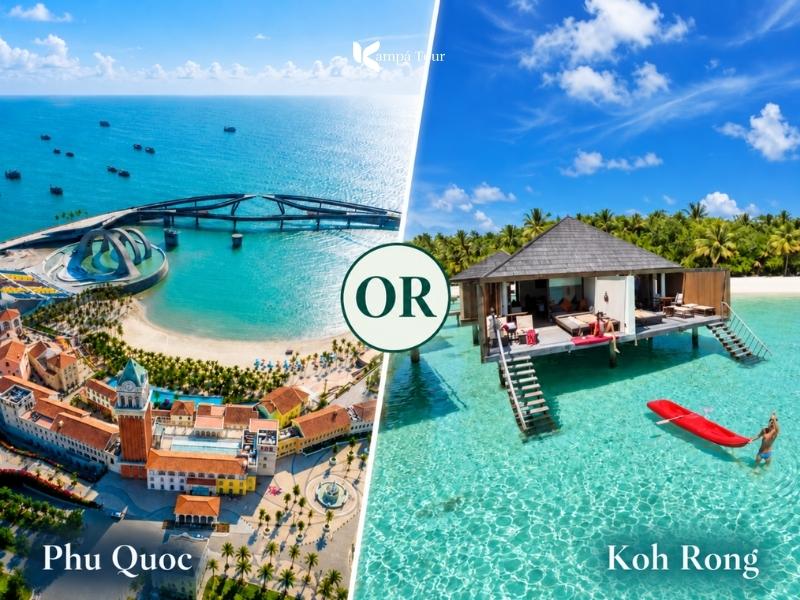
How Do Phu Quoc and Koh Rong Compare in Practice?
Mostly through the journey and what surrounds the beach. Phu Quoc is a short flight from most of Vietnam and has the roads, taxis and medical care of a large island. Koh Rong is reached by speedboat and runs on cash, footpaths and boat taxis, so each day takes a little more planning.
Getting there and getting around
Phu Quoc is the easy one. It has its own international airport (PQC), with domestic flights from across Vietnam and international routes from the region, and from the Mekong Delta a speedboat from Ha Tien takes about 1 hour 20 minutes. There is also a longer crossing from Rach Gia.
Koh Rong takes more planning. With no airport, most travellers reach Sihanoukville first, by road from Phnom Penh, where the 187 km expressway that opened in 2022 cut the drive to about two hours, or by connecting through Kampot. Speedboats then run to Koh Touch pier and other landings in roughly 35 to 75 minutes, and fares listed on 12Go in October 2026 ranged from about US$8.50 to US$25 depending on the operator.
Once you have arrived, the islands feel different again. Phu Quoc is roughly 575 km², so you need wheels: taxis, ride-hailing cars and rented scooters are easy to find, and most resorts run shuttles. On Koh Rong you move by boat taxi, on foot or on a scooter hired through your resort, though tracks are rough and tuk tuks rare; Long Set Beach is about a 30-minute walk from Koh Touch. Koh Rong also has no regular bank ATMs, some remote beaches have no Wi-Fi and power cuts happen, so bring enough US dollars in cash (see our Cambodia currency guide).
Beaches and sea
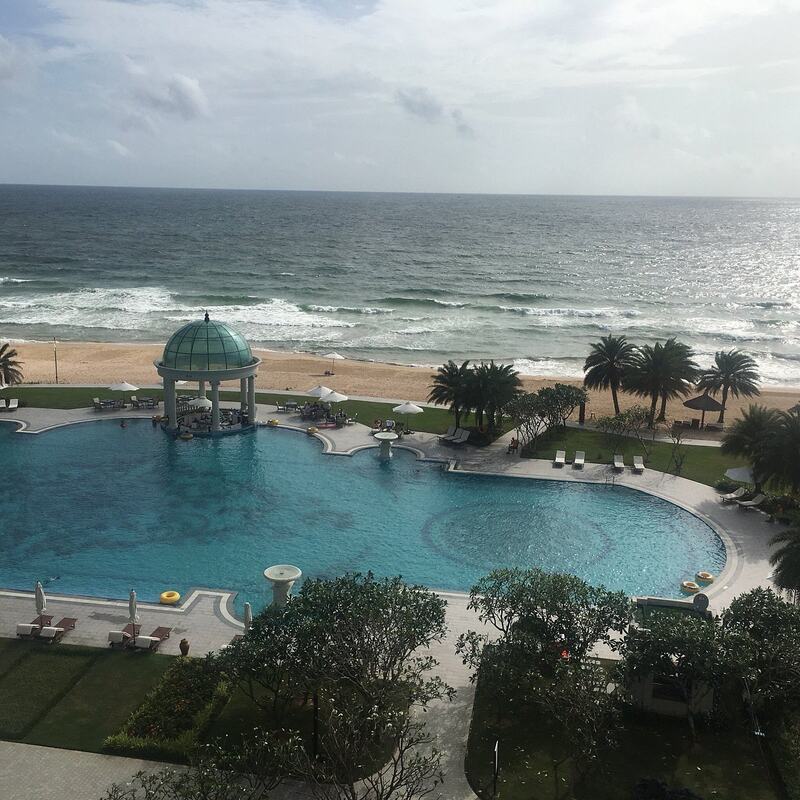
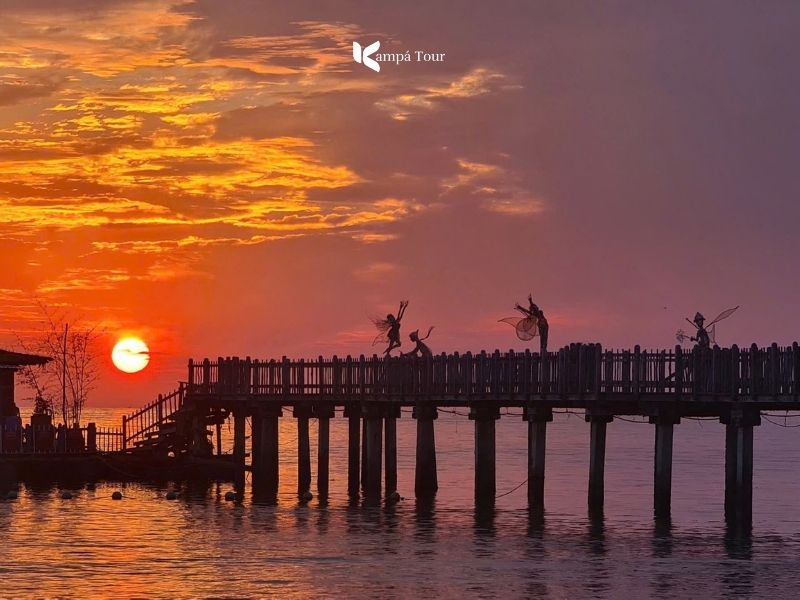
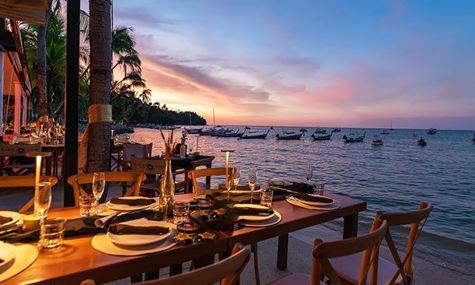
Phu Quoc's beaches are easy to place. Bai Sao in the southeast has the white sand and shallow, calm water most people picture, Long Beach on the west coast is for sunsets, and the northern beaches are quieter. Snorkellers usually take a boat to the An Thoi islands.
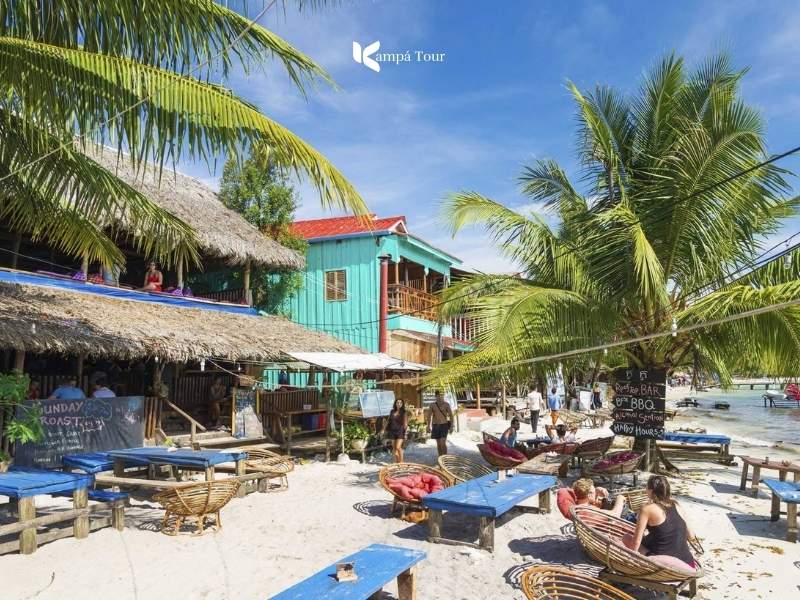
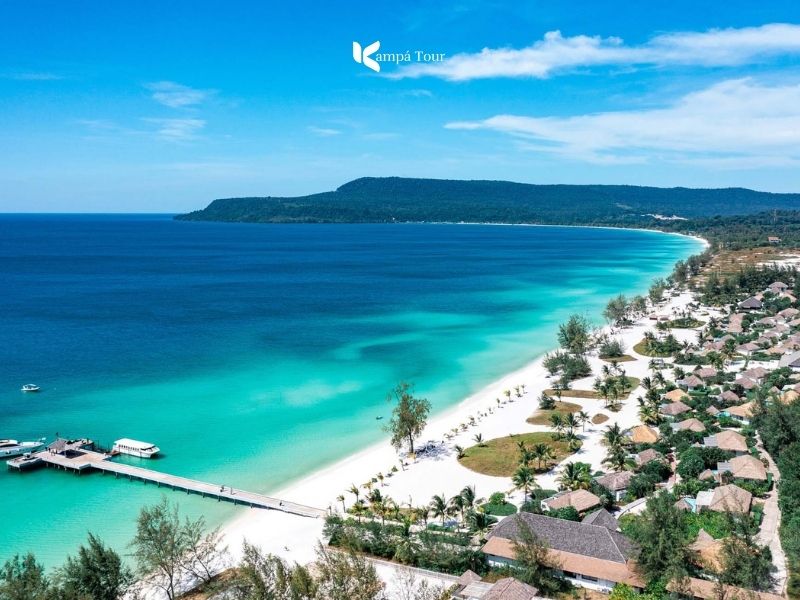
Koh Rong's beaches differ far more from one another. Koh Touch is the busy arrival point, with bars and day-trippers. Long Set (also called 4K Beach) is long, shallow and calmer, and on dark nights it is a good place to see bioluminescent plankton. Sok San mixes a village with resorts, while Lonely Beach is remote, basic and has no Wi-Fi.
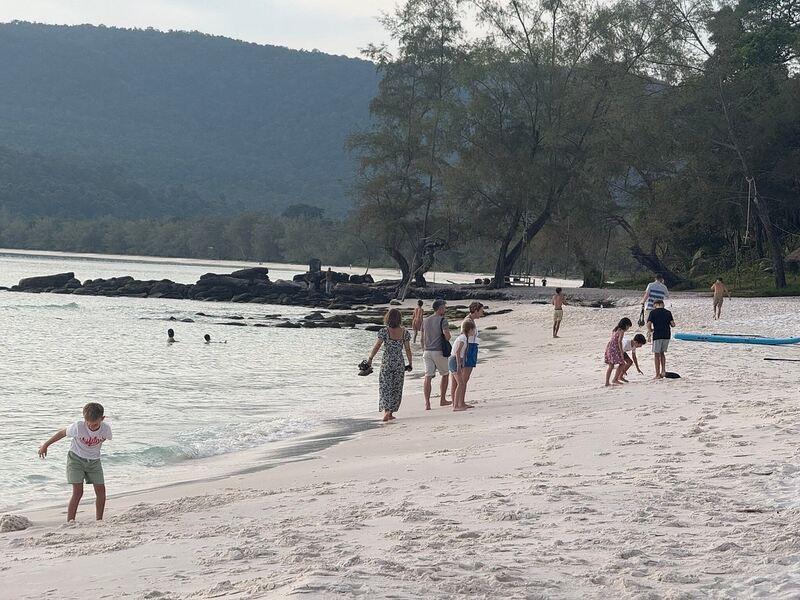
That spread is why I would pick the beach before the island. Someone staying in Koh Touch and someone on Long Set will have two completely different experiences of Koh Rong, and a Koh Rong beach chosen well can beat a Phu Quoc resort chosen badly.
Beyond the beach: what the days look like
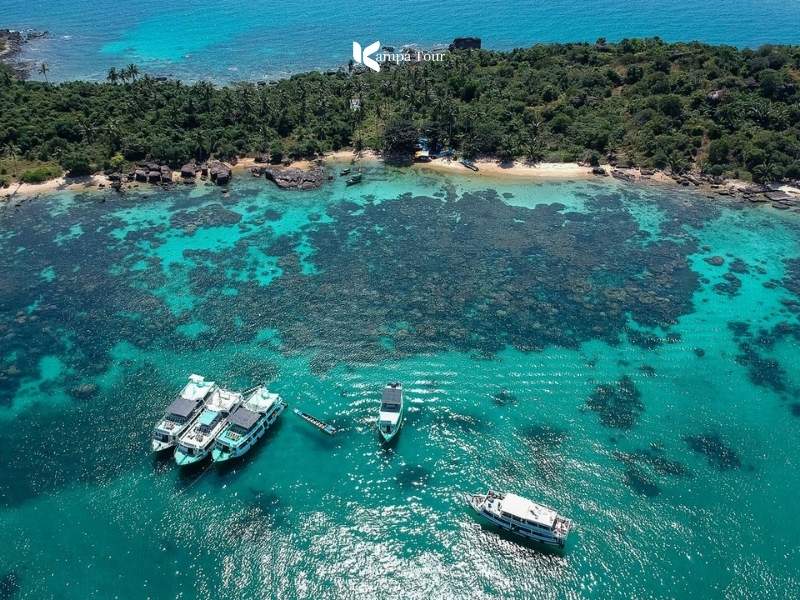
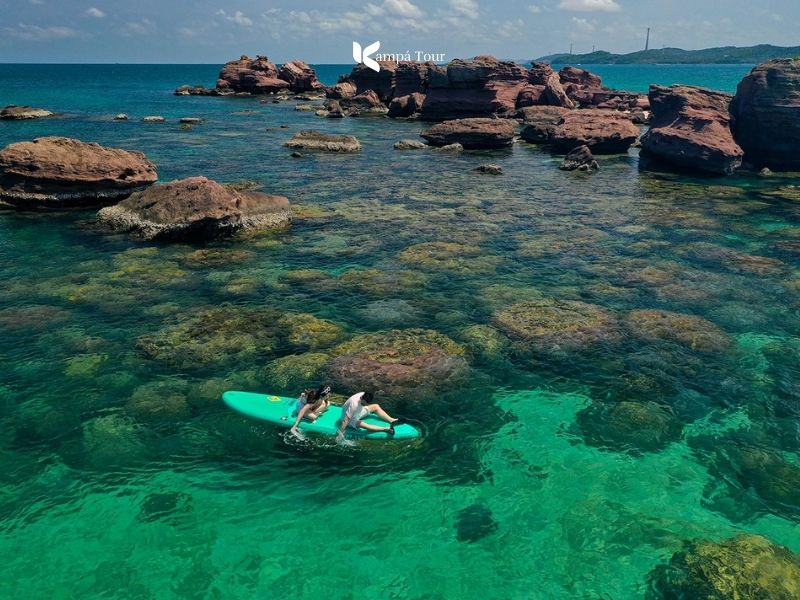
Phu Quoc fills a day with places to drive to. Boats from An Thoi pier reach the An Thoi archipelago, where the Kampá Tour team and I estimate more than 18 islands are suitable for snorkelling and coral viewing. On land, options include Vinpearl Safari, the Sea Shell Aquarium, the former prison museum and walking trails in the national park in the north.
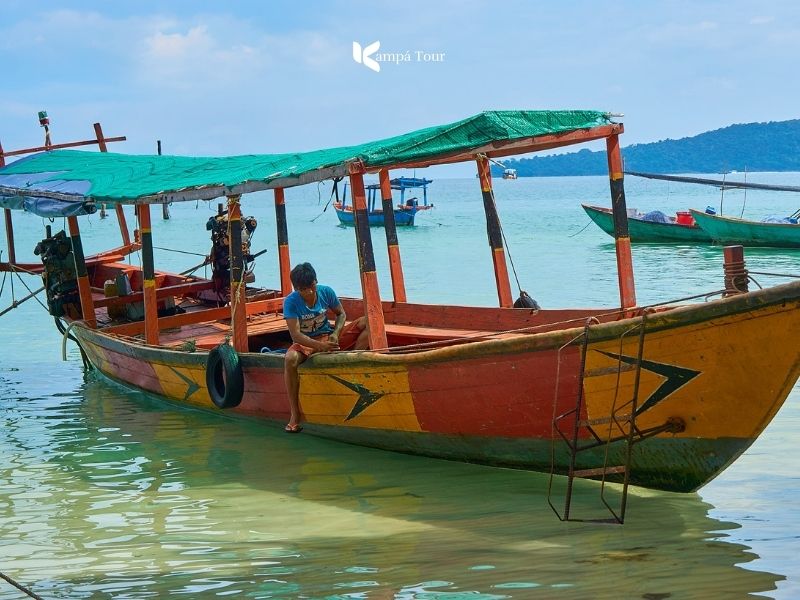
Koh Rong's days are built around the water instead. Based on the experience Preetika Narula shared in Kampá's Koh Rong guide, longtail boats hired from Koh Touch or Sok San run to about US$100 a day, a shared afternoon trip with fishing, snorkelling and a sunset barbecue costs around US$10, and plankton tours leave at about 5 p.m. (prices as listed in November 2025, so recheck). She also advises against travelling by ferry or longtail after dark and staying where you are for the night, which I would follow.
Food and evenings
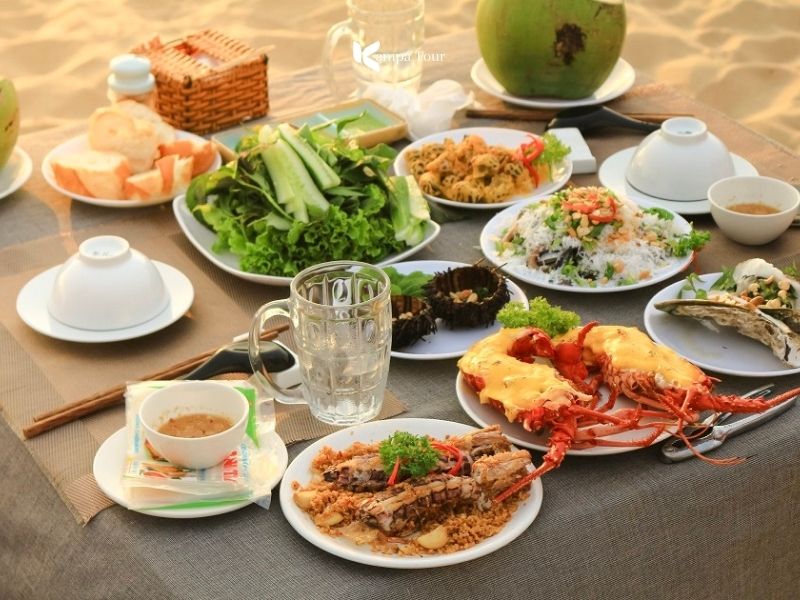
Personally, I rate Phu Quoc as the stronger food island, and I do not think it is close. The night market, grilled seafood (Ham Ninh fishing village in the northeast is known for it), fish sauce factories and pepper farms give you plenty to eat and do once you leave the beach, and evenings tend to revolve around dinner rather than late bars.
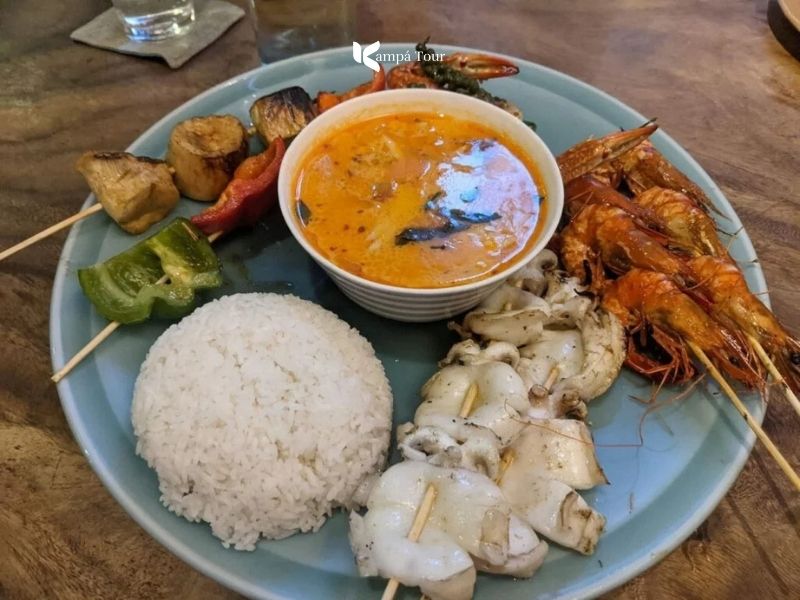
Koh Rong's food is fine but rarely the reason anyone returns. Koh Touch has the widest choice of restaurants and a backpacker bar scene with late nights and fire shows, while at the quieter beaches you usually eat at your own resort from a shorter menu.
Safety and medical care
For the 2025 Thailand-Cambodia border clashes, Euronews (published 9 December 2025, updated 17 December) reported that the fighting stayed in remote frontier districts far from the places most travellers go, such as Siem Reap and Phnom Penh, and that flights between Bangkok, Phnom Penh and Siem Reap were still running. Crisis Group, in a report dated 9 October 2026, says hostilities stopped in late 2025 but the truce is under growing strain. Neither piece looks at Sihanoukville or Koh Rong, so read them as background, and check your own government's travel advice before you book.
Many travellers still assume the situation on the Thai border applies to the whole of Cambodia, while the coverage above describes a conflict along the frontier. For the islands, the risks are more practical: Australia's Smartraveller notes that boats to the islands off Sihanoukville have sunk in the past and that coastal islands can be isolated, with limited or no emergency medical help. Choose boats that carry life jackets, never board an overloaded one, and consider booking through a tour operator that arranges the transfers and gives you someone to call. That is an extra layer of reassurance, not a substitute for travel insurance.
In my view, the real risk on Koh Rong is distance rather than crime. A bad fall or a serious illness means a boat ride before proper treatment, so good travel insurance matters more here than on Phu Quoc, which has towns, roads and frequent flights to Ho Chi Minh City. For Vietnam in general, see is Vietnam safe to travel.
Which Island Is Better for Families, Couples or Backpackers?
It depends on who is travelling. Phu Quoc is the easier choice for families and most honeymooners, with short transfers, plentiful resorts and medical help nearby. Koh Rong suits backpackers, solo travellers and couples who put quiet beaches and a low budget ahead of comfort, and who stay relaxed about boat transfers.
With young children I would almost always say Phu Quoc. Calm beaches such as Bai Sao, resorts with pools, attractions such as the Hon Thom cable car and short drives make long days easier, while boat-only access and limited medical care are the main reasons to think twice about Koh Rong with toddlers. Play-oriented attractions such as VinWonders and Vinpearl Safari also give children something to do on days when the beach is not enough.

Couples can go either way. Phu Quoc has more high-end resorts, especially on the quieter north and west coasts, and Koh Rong suits those who would rather have a simple bungalow on a quiet beach such as Long Set or Sok San, or a stay on neighbouring Koh Rong Samloem.
Backpackers and budget travellers are the one group for whom Koh Rong is the default, with dorms, a social scene around Koh Touch and cheap beach bungalows.
When Is the Best Time to Visit Phu Quoc and Koh Rong?
The best time for both islands is the dry season, roughly November to April, when the sea is calmer and boat transfers are more reliable. From May to October the southwest monsoon brings heavier rain to both, with Phu Quoc's wettest months around July and August and Sihanoukville's around September.
Rough seas hit Koh Rong harder because every arrival and departure depends on a boat, while Phu Quoc still has flights when the ferries are disrupted. From August to October I would lean towards Phu Quoc: a rainy day there means a museum, a market or a long lunch, whereas on Koh Rong it can mean a cancelled boat and a missed connection. Even there, wet-season swimming needs care, as Kampá's Phu Quoc guide notes strong currents at northern beaches such as Vung Bau, so ask your hotel first. The flip side is that the dry months are Phu Quoc's peak season, with full hotels and the highest prices. Climate tables vary between sources, so read these months as a pattern rather than a promise.
How Many Days Do You Need on Phu Quoc and Koh Rong?
Most travellers are happiest with three to four nights on Phu Quoc and about three on Koh Rong. That covers the beaches, one boat day and an evening or two in town. A longer stay only works if you want a resort and little else, or you are travelling with young children.
Phu Quoc is the island people overstay. In the traveller discussions I read, two weeks was almost always called too long, and three to five nights was the usual advice. A realistic split is a day at a theme park such as VinWonders if that appeals, a day around Sunset Town, a day for fish sauce, pepper and the night market, and a day or two at the beach. With young children, four or five nights in one resort is plenty. I would only book a week if the resort has a good beach and you genuinely want to do nothing.
Koh Rong needs less, and I would not add many nights unless the point is to unplug. Three nights gives you a boat day, an evening for the plankton and a couple of unhurried beach days, and you can stay longer on Long Set or Sok San if quiet is the goal.
TripBase estimates backpacker budgets at about US$20 a day on Koh Rong against US$28 on Phu Quoc, and traveller reports for Koh Rong fall in the same range: under US$15 a day with breakfast included for one person who did not drink, and for another a bed from about US$10 a night plus around US$20 a day for food, which costs more than on the mainland. Boat trips are booked on the island, and a solo traveller can usually join a shared boat for far less than the roughly US$140 quoted for a private half day. These are individual reports, so treat them as a floor.
Is Phu Quoc Really Worth Visiting?
Yes, provided you expect a developed resort island rather than a quiet one. Choose a base in the north or west, accept that the south is busy and under construction ahead of APEC 2027, and Phu Quoc delivers easy flights, strong seafood and calm water. It disappoints mainly people hoping for something undeveloped.
Phu Quoc became a special zone of the newly merged An Giang province on 1 July 2025 and will host the APEC summit in 2027, with the airport being expanded, so you may still see road works and building sites in some areas.
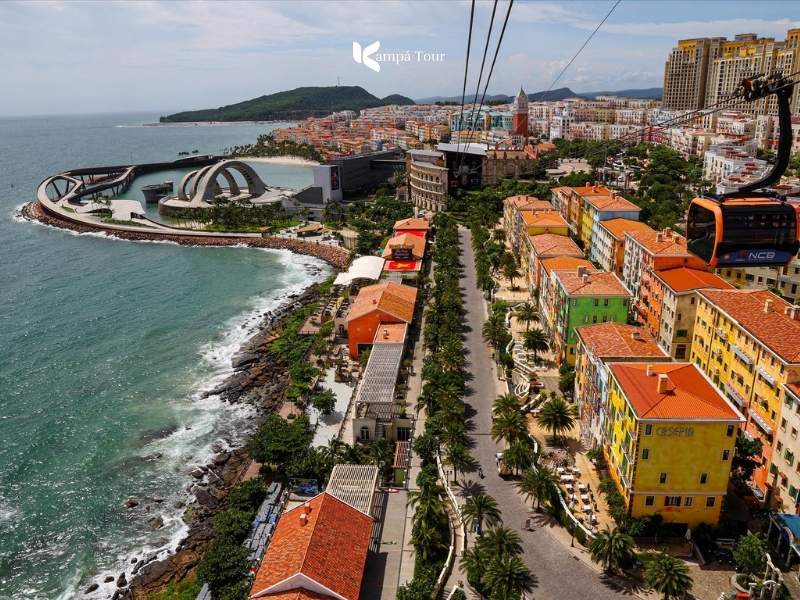
The themed developments in the south, such as the Mediterranean-style Sunset Town and the canal-lined Grand World, feel staged to me, and Phu Quoc is noticeably more expensive than most of mainland Vietnam. Litter on some stretches is the most common complaint in traveller reviews, and I think it is a fair one. The north and northwest, around Ong Lang, Cua Can, Vung Bau and Ganh Dau, are much calmer, and that is where I would book, treating the south as a day trip.
If what you really want is somewhere quieter within Vietnam, compare Con Dao or Phu Quoc. To choose an area to stay, see our list of Phu Quoc hotels and resorts.
Is Koh Rong, Cambodia Worth Visiting?
For many travellers, yes, but it rewards flexibility more than comfort. Away from Koh Touch the beaches are quiet and good, and you pay for them with a boat transfer, cash-only habits, patchy Wi-Fi and a long way to a hospital. Families with young children and anyone with health concerns should think twice.
Plan the journey around Sihanoukville, because that is where most of the hassle sits. The city has changed a great deal with casino and construction development, so most travellers treat it as a transit point to the pier, and I would not plan a night there unless your connection forces it.
Koh Rong or Koh Rong Samloem?
Koh Rong is the larger and livelier of the two, with the Koh Touch village, more restaurants and a party scene. Koh Rong Samloem is smaller and quieter, with Saracen Bay as its main beach and electricity that can be limited in some areas.
Sunset Beach on Samloem's west coast is reached by a jungle trail. If your main goal is a few days of complete downtime, I would point you to Koh Rong Samloem, and to its west-side beaches in particular.
Can You Visit Phu Quoc and Koh Rong on the Same Trip?
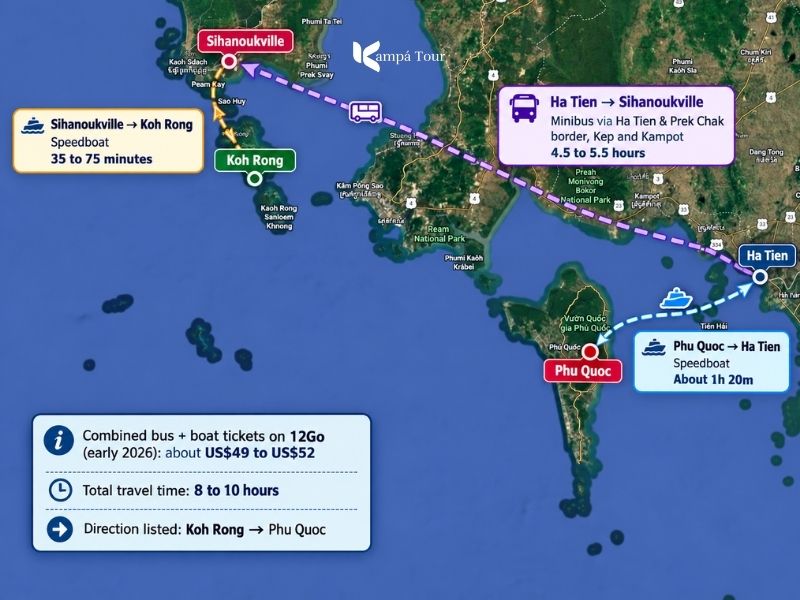
Yes, but give it a full travel day, because no direct boat or flight links the islands. The usual route is a speedboat from Phu Quoc to Ha Tien, a minibus across the Ha Tien and Prek Chak border to Sihanoukville, then a speedboat to Koh Rong: about 7 to 10 hours in total.
| Leg |
Transport |
Time (approx.) |
| Phu Quoc to Ha Tien |
Speedboat |
About 1 hour 20 minutes |
| Ha Tien to Sihanoukville |
Minibus via the Ha Tien and Prek Chak border, Kep and Kampot |
4.5 to 5.5 hours |
| Sihanoukville to Koh Rong |
Speedboat |
35 to 75 minutes |
| Combined bus and boat tickets listed on 12Go in early 2026: about US$49 to US$52, 8 to 10 hours (Koh Rong to Phu Quoc direction) |
The Ha Tien and Prek Chak crossing is open from 7:00 to 18:00, so start early. The visas need the most care:
- Cambodia: visa on arrival at land borders costs US$30 for most nationalities, and the tourist e-visa has also cost US$30 since January 2025. Sources disagree on whether Prek Chak accepts the e-visa, so check the list of ports on Cambodia's official e-visa site before relying on it. Our Cambodia visa guide has more detail.
- Vietnam: Phu Quoc's 30-day exemption applies only when you arrive on the island directly from abroad, and it does not cover the mainland. Arriving overland at Ha Tien, you need a Vietnam e-visa unless your nationality is exempt. If you entered Phu Quoc visa-free and plan to leave by this route, confirm the rules with immigration or your transport company first.
🔖 Which way round?
If you do both, I would go Koh Rong first and finish on Phu Quoc. You end the trip near an airport with direct flights, and a delayed boat or a slow border queue does not put your flight home at risk.
Phu Quoc and Koh Rong: Quick Questions
Is Phu Quoc the most beautiful island in the world?
No ranking can settle that, but Phu Quoc has done well lately. In 2026, Travel + Leisure's Asia Pacific awards placed it second among the region's islands, behind Koh Samui, and DestinAsian's 2026 Readers' Choice Awards also ranked it second. Such lists reward resorts and service as much as natural scenery.
Which is nicer, Cambodia or Vietnam?
It depends on what you came for. Cambodia is the stronger pick for ancient temples such as Angkor and for Khmer history, while Vietnam offers more varied landscapes, from rice terraces to bays, and a broader food scene. Both have good beaches. Our comparison of Vietnam or Cambodia goes through the differences.
Phu Quoc or Koh Samui: which is better?
Koh Samui is the more established island, with a wide range of hotels, and Travel + Leisure readers named it the world's best island in 2026. Phu Quoc is easier to fold into a trip through Vietnam, with direct flights from Vietnamese cities. Read our guide to Koh Samui to compare.
Final Thoughts
The decision is smaller than the rankings make it look. If you will not give up flights, a good dinner and a clinic nearby, book Phu Quoc and stay in the north. If you would trade those for a quiet beach and a boat transfer, book Koh Rong and choose the beach first.
Samloem is the quieter version of Koh Rong, and with enough days, doing both and finishing on Phu Quoc works well. Kampá Tour plans private trips across Vietnam and Cambodia, including routes that end on Phu Quoc or on Cambodia's south coast. Browse our Vietnam and Cambodia tours, or ask for a free quote and we will help you fit the right island into your itinerary.












 Our team
 Our team
 Our team
 Our team



 Other
Other Add us as a preferred source