Is Vietnam Safe to Travel? Safety Advice for Tourists
Vietnam is one of the most popular destinations in Southeast Asia. Before traveling, however, many visitors still wonder: Is Vietnam dangerous for tourists? Is it a safe country to travel to? In this article, we take a closer look at the overall safety situation, the risks travelers may encounter, and the precautions to take in order to enjoy their trip with greater peace of mind.
Written by Oliver PHUNG (Tour Guide)
Updated on Sep 29, 2026
0 comment
Oliver Phung is a Northern Vietnam-based tour guide and blogger. His favorite topics to write about include cuisine, culture, travel, and under-the-radar experiences. Oliver possesses a deep, detailed understanding of the region, from the indigenous culture of the Hmong in the Northwest to the highland lifestyle of the Tay in the Northeast. Whether he is exploring ancient architecture or geological landscapes, he is always eager to share his insights with his readers.
Beyond his work at Kampá Tour, he produces specialized travel content on platforms such as Reddit, Instagram, LinkedIn, and various other publications.
Yes, Vietnam is safe to travel for the vast majority of visitors in 2026. The U.S. State Department rates Vietnam Level 1, "exercise normal precautions", the lowest of its four levels, and Vietnam ranks 41st of 163 countries in the 2026 Global Peace Index. The real risks are traffic, petty theft and scams, not violent crime.
Here is what four governments say. I checked each page on 24 September 2026; the most recent updates were the UK on 21 September, Canada on 9 September and the U.S. on 24 June 2026.
Canada looks stricter only because it weights petty crime more heavily. None of the four names terrorism, unrest or violent crime against tourists as the main concern.
The way I explain it: Vietnam is safe in two different ways. Physically, it is one of the calmer countries in Southeast Asia. For your phone and wallet, it asks for more attention than many first-time visitors expect. And the opposite kind of story is just as much part of Vietnam: a lost wallet handed back with all the cash still inside, or keys and a phone forgotten on a parked scooter and still there when the owner comes back from the market.
Vietnam is generally a safe destination for international travelers
2. Is Vietnam Safe to Travel Right Now?
Yes, there is no security reason to postpone a trip to Vietnam at the moment. What can change your plans in the short term is weather and flight routing, not crime or unrest.
Mid-September 2026 is a good example of what storm season looks like. On 13 and 14 September, a tropical depression made landfall between Ha Tinh and Quang Tri, with flash flood warnings from Thanh Hoa to Da Nang. Three days later, on 17 September, heavy rain flooded parts of Ninh Binh, Thanh Hoa, Nghe An and Hanoi and cut off several roads.
The risk moves around the country with the seasons, so check the region you are visiting rather than "Vietnam" as a whole:
Region
Wettest period
What it can disrupt
North (Hanoi, Ha Long Bay, Ninh Binh, Sapa, Ha Giang)
June to September
Ha Long Bay cruises cancelled when storm warnings are issued; landslides on mountain roads
Center (Hue, Hoi An, Da Nang)
October to December, with floods mainly in October and November
Flooded streets in low-lying towns, cancelled boat trips and domestic flights
South (Ho Chi Minh City, Mekong Delta)
June to September
Short, heavy downpours and seasonal flooding in the Mekong Delta
Typhoons can form from June to December. A storm in one region does not make the whole country unsafe, but it can cancel cruises, island boats, domestic flights and mountain drives. Follow the national weather service, keep one flexible day in your itinerary, and never board a boat or drive a road that authorities have closed.
Check your flight route too. When strikes on Iran shut Gulf air hubs in March 2026, many travelers heading to Vietnam were stranded in Dubai or Doha, although nothing had happened in Vietnam itself. If you connect through a conflict region, that connection is the weak point of your trip.
Yes, Vietnam is safe for American tourists, and Americans are generally received warmly. The two countries upgraded their relations to a Comprehensive Strategic Partnership in 2023. War museums present the conflict from the Vietnamese point of view, but that history is not directed at individual visitors, and hostility toward Americans on the street is very rare.
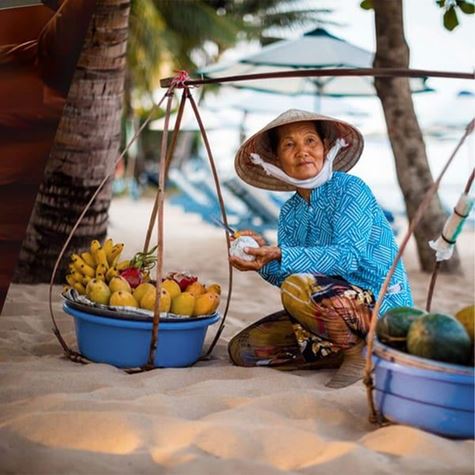
Vietnamese people are known for their hospitality toward visitors
The points that matter for U.S. passport holders are practical:
Motorbikes: a U.S. driver's license is not valid in Vietnam, so renting a moped without a Vietnamese license is illegal, and your insurance may refuse to pay after an accident.
Medication: some ingredients in common U.S. prescriptions, including certain ADHD medications, may be illegal in Vietnam.
Petty theft and scams are the most common problems tourists face in Vietnam. Violent robbery of visitors is rare. What you may come across is a phone or bag snatched from a passing motorbike, pickpocketing in crowded places, the odd inflated price, and a few well-known tricks that are easy to avoid once you recognize them.
Bag snatching and pickpocketing
It does not happen often, but in the big cities snatch theft usually looks like this: someone on a motorbike grabs a phone held near the curb or a bag carried on the traffic side. Crowds are the other place to be careful, for example on the Hoi An Old Town bridge on a busy evening, where a phone in a shorts pocket is an easy target. My note to travelers: the risk is rarely Vietnam itself. It is that after a few relaxed weeks elsewhere in Asia, people tend to let their guard down, and that is when things go missing.
Wear a zipped cross-body bag in front, keep your phone in a zipped pocket in crowds, and hold it away from the road. Leave your passport and spare cards in the hotel safe. If something is stolen, ask the nearest police station for a written report for your insurer. If it is your passport, you need both a replacement passport from your embassy and a new Vietnamese visa or exit approval before you can leave the country, so start both the same day.
Keep your wallet and valuables secure
The scams travelers report most often
Scam
How it works
How to avoid it
Hotel switch
You arrive late with a confirmed booking; staff say the room is "flooded" and offer a free taxi to a worse partner hotel.
Refuse to move, call Booking.com or Agoda support on the spot, and read the newest and lowest reviews before booking.
Fake ride-hail driver
A driver sees you waiting with your phone out and pulls up first. It is not your booking, and the fare is far higher than the app quoted.
Get in only when the plate and driver name match the app.
Taxi meter tricks
A "broken" or fast meter, or a laminated price card, mostly with unofficial taxis at stations and airports.
Use an app or a clearly branded taxi; agree on the price first.
Banknote confusion
The 20,000 and 500,000 dong notes are both blue, and change can come back short by mistake or otherwise.
Separate large notes and count your change.
Motorbike rental "damage"
The shop keeps your passport as a deposit, then charges for scratches that were already there.
Film the bike before you ride, leave a cash deposit rather than your passport, and pick a shop with recent reviews.
ATM and card skimming
Card readers are tampered with, or your card is handled out of sight in small shops.
Use ATMs inside banks or malls, cover the keypad, and keep your card in view.
Spiked or fake alcohol
Drinks from strangers can be drugged; cheap spirits can contain methanol.
Drink at licensed venues and keep your glass in sight.
Of all these, the hotel switch is the one I would take most seriously, simply because it tends to happen late at night, when you are tired and have nowhere else to go. My advice is to stay persistent but calm: politely refuse to move, photograph the substitute room if you are shown one, and contact Booking.com or Agoda right away, as travelers who do this usually get a refund or compensation. Before you book, also check that the address on Google Maps matches the listing, because a few places borrow the name of a better-rated hotel with a letter or two changed.
If a price dispute starts, stay calm and polite. Raising your voice means losing face in Vietnam and rarely gets your money back; a firm "no" and walking away usually does.
Paying for photos is a gray area. In 2022, leading a group through Ha Giang, I stopped at Tham Ma Pass and watched a three-wheeled cart bring about seven children in traditional dress to pose for tourists in exchange for money, some of them taken out of school to do it. Ask adults before photographing them, and do not pay children to pose.
🔖 Good to know:
Book tours with a company that can give you its international tour operator licence number; Kampá Tour's is 01-3018/2025/CDLQGVN-GP LHQT. If you would rather not handle drivers and hotel checks yourself, a private tour with a licensed local operator removes most of these risks. For more habits that keep you out of trouble, see 15 Things Not to Do in Vietnam.
5. Is Hanoi or Ho Chi Minh City Safer?
Both cities are safe for visitors, but Hanoi has less petty crime. On Numbeo's crowdsourced crime index, checked in September 2026, Hanoi scores 33.6 and Ho Chi Minh City 49.7, where lower means safer; Bangkok sits in between at 38.4. The difference shows up in theft and scams, not in violence.
City
What to watch for
Where it happens most
Hanoi
Pickpocketing in crowds; unofficial airport taxis; overpriced snacks from roaming street sellers
Hoan Kiem Lake, the Old Quarter night market and the airport
Ho Chi Minh City
Phone and bag snatching from motorbikes; card game scams; unrequested shoe repairs
District 1, Bui Vien Street and the Pham Ngu Lao backpacker area
Da Nang and Hoi An
Pickpocketing in evening crowds; theft from unattended bags on the beach
Hoi An Old Town bridge and lantern-boat area after dark; city beaches
The card game scam is rare, but it is worth knowing because it can be costly. It usually starts the same way: a friendly stranger invites you home to meet a relative who "wants to visit your country", then suggests a casual game of cards for a small stake while you wait. Decline any invitation from someone you have just met to a private home, however kind it seems.
A small tip from me: one Vietnamese word is worth learning before you arrive: "Cướp!" (pronounced roughly "kuh-uhp"), which means "Thief!". If someone grabs your bag, shout it; people nearby often react, and in Hanoi especially, passers-by have a reputation for chasing snatch thieves.
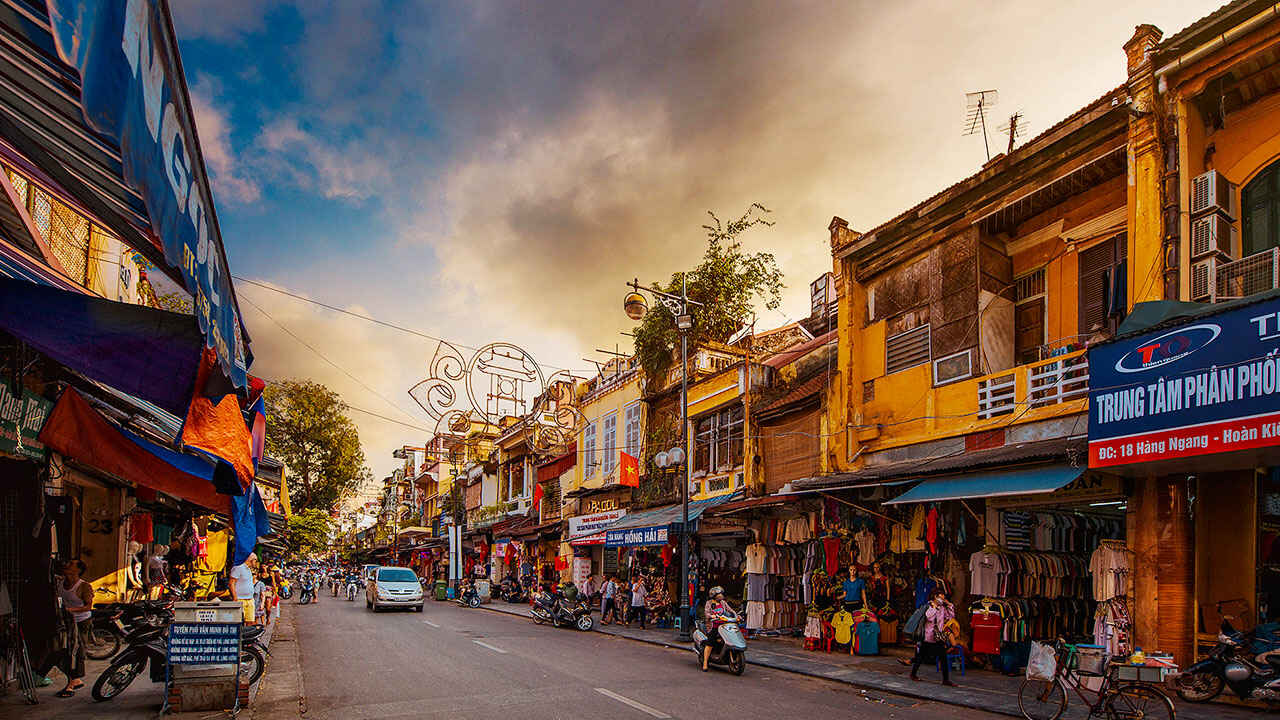
In Hanoi, the walkable Old Quarter and lakeside streets stay busy until late, which makes evenings easy to enjoy on foot. In Ho Chi Minh City, the bigger issue is the phone in your hand: walk on the inside of the pavement and step into a shop doorway to check your map.
6. Traffic and Transport Safety in Vietnam
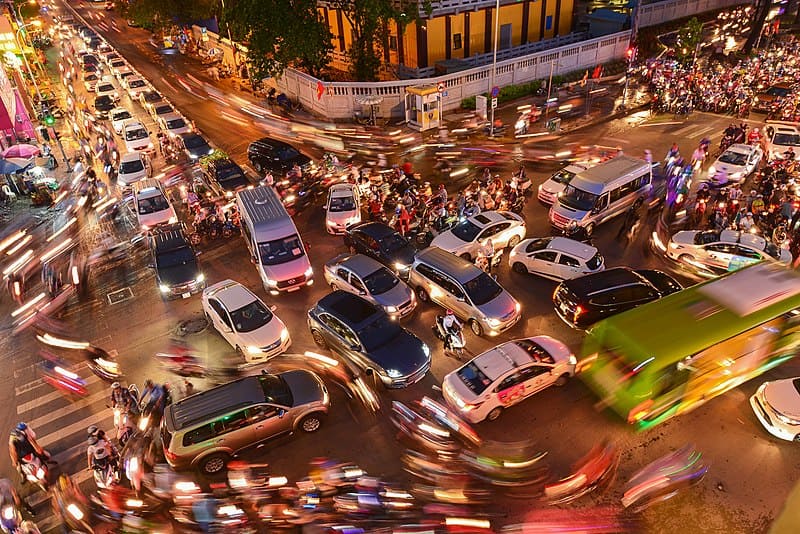
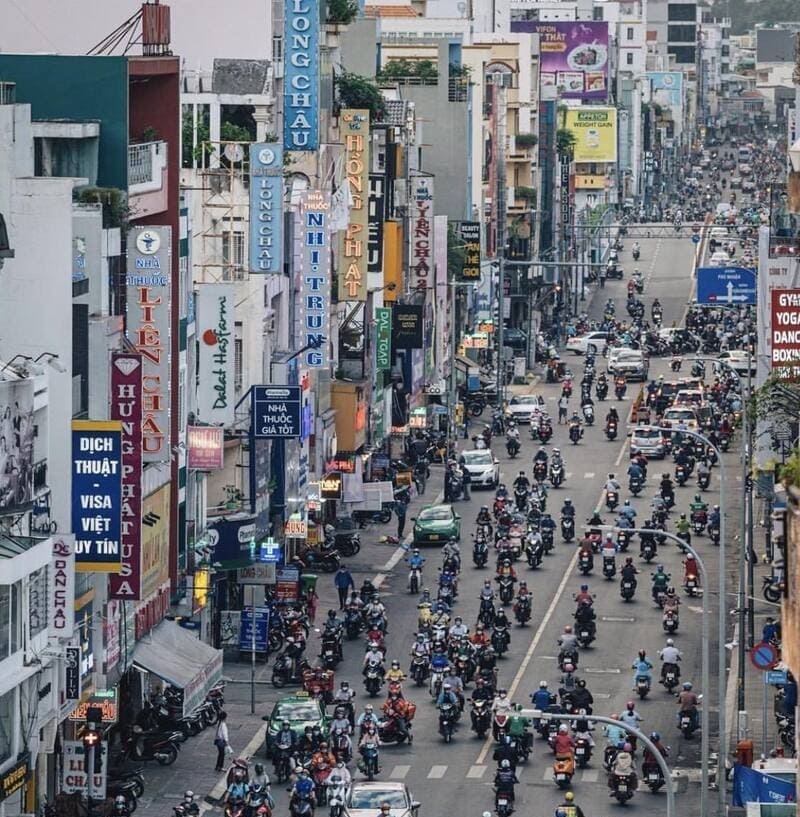
Road traffic is the main physical risk for visitors in Vietnam. Motorbikes fill the roads and traffic follows its own rhythm, which takes a few days to read. How you choose to get around matters more than which city you visit.
Is it dangerous to drive in Vietnam?
For most visitors on a short trip, driving yourself is not worth the stress. A private car with a driver, a ride-hailing app or a prearranged transfer is safer and far more relaxing.
Traffic in Vietnam can feel unfamiliar to first-time visitors
If you still plan to ride a motorbike, you need a Vietnamese licence or an international permit issued under the 1968 Vienna Convention that covers motorcycles; without it, you ride illegally and may not be insured. If you are the driver in an accident, you can be asked to pay compensation and barred from leaving Vietnam until the case is settled. Wear a good helmet, avoid mountain roads at night, and remember Vietnam has zero tolerance for drink-driving. When crossing the road on foot, walk slowly and steadily, and do not run or stop suddenly.
Is it safe to take a taxi or motorbike taxi in Vietnam?
Yes, when you book through a recognized app. Grab, be and Xanh SM show the price in advance and identify the driver; if you prefer a street taxi, choose a branded company such as Mai Linh or Vinasun with a working meter. Avoid drivers who approach you around stations, markets and airports. At Noi Bai Airport in Hanoi, there have been rare reports of robberies by fake taxi drivers, and even by drivers holding a placard with the traveler's name, so if you booked a pickup, go only with a driver whose details were sent to you in advance.
Traffic in Ho Chi Minh City
Buses, trains and boats
Long-distance buses carry a higher accident risk than trains, although thefts are reported on some sleeper trains, so lock your bag. Boat accidents have been linked to overloaded or poorly maintained vessels, including in Ha Long Bay: check for life jackets and do not board an overcrowded boat. Our guide to choosing a Ha Long Bay cruise explains what to look for.
7. Health, Food and Water Safety
Health risks in Vietnam are manageable with basic preparation. Heat, dengue, stomach upsets and animal bites are the issues travelers most often face. See a travel clinic about six weeks before departure and bring enough prescription medicine for the whole trip. A small kit with rehydration salts, paracetamol, an antihistamine, anti-diarrhoea tablets and sunscreen covers most minor problems; pharmacies are easy to find in cities but scarce in remote areas.
How can you protect yourself from extreme heat?
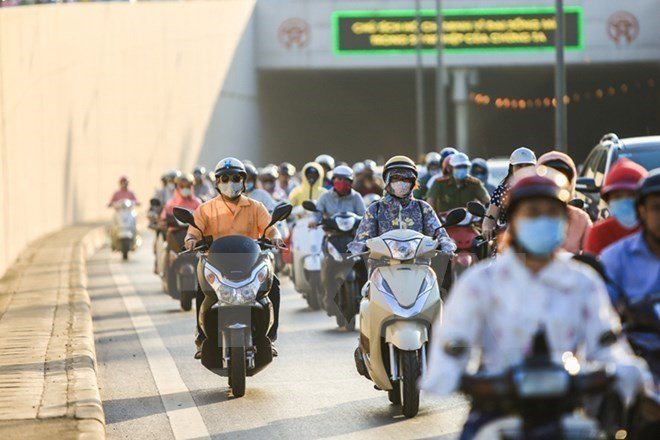
Temperatures can approach 40 °C in summer, humidity is high, and air quality in Hanoi and Ho Chi Minh City can be poor during pollution peaks, so check the live air quality index before long outdoor days if you have asthma. Drink plenty of sealed bottled or filtered water (tap water is not safe to drink), plan sightseeing for early morning and late afternoon, and get medical help if you feel confused, dizzy or very weak in the heat.
Summer days with temperatures exceeding 38 degrees Celsius in the streets
Which mosquito repellent should you use in Vietnam?
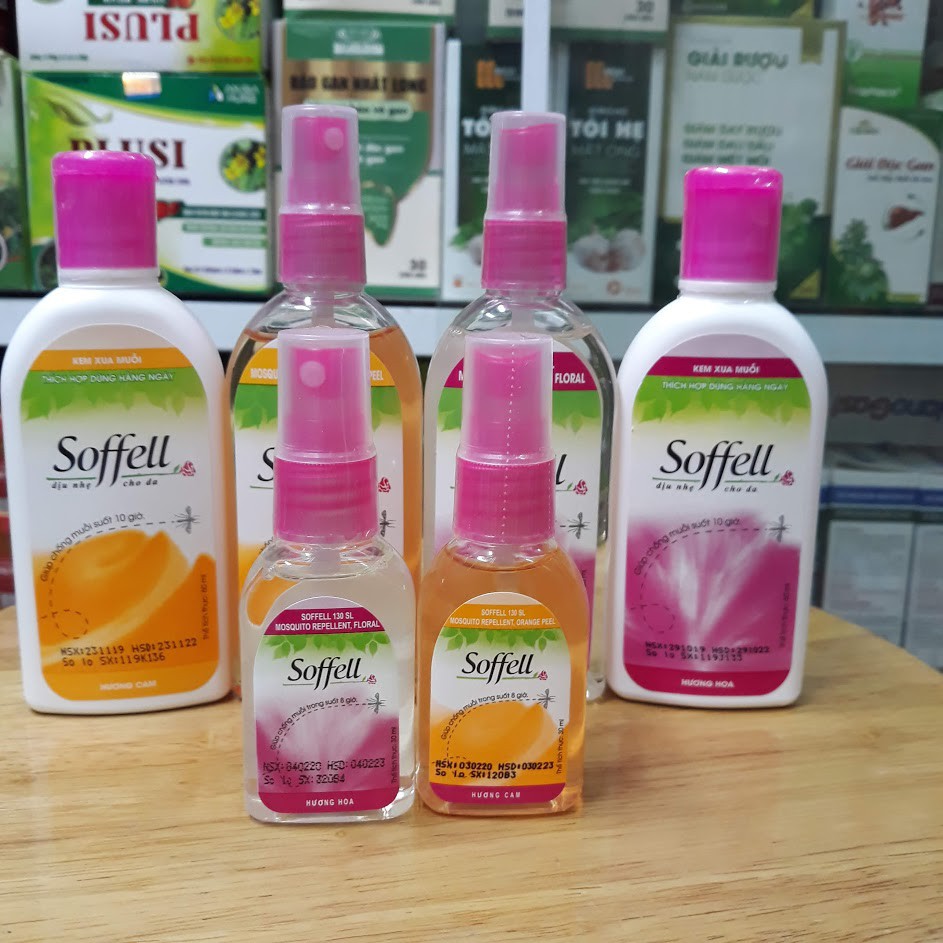
Use a repellent with DEET or another approved ingredient. Mosquitoes can carry dengue and, in some rural areas, malaria, and dengue mosquitoes bite during the day, especially around sunrise and sunset. Local brands such as Remos and Soffell are sold in pharmacies everywhere, and a mosquito net helps in rooms without air conditioning.
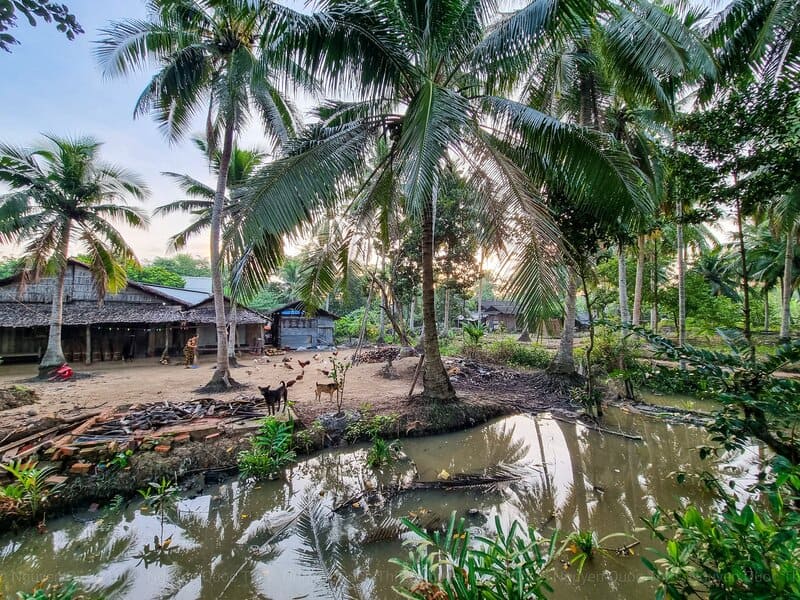
Bring mosquito repellent when visiting mountainous or rural areas and parts of the Mekong Delta
Mosquito repellent is widely available in pharmacies throughout Vietnam and generally costs around one dollar
Animal bites
Rabies is present in Vietnam and is carried by dogs, bats and the monkeys on Cat Ba Island. Do not touch or feed animals in the street. If you are bitten or scratched, wash the wound with soap and water for about 15 minutes and see a doctor the same day.
Avoid contact with stray animals and seek medical attention promptly if you are bitten or scratched
Is food in Vietnam safe?
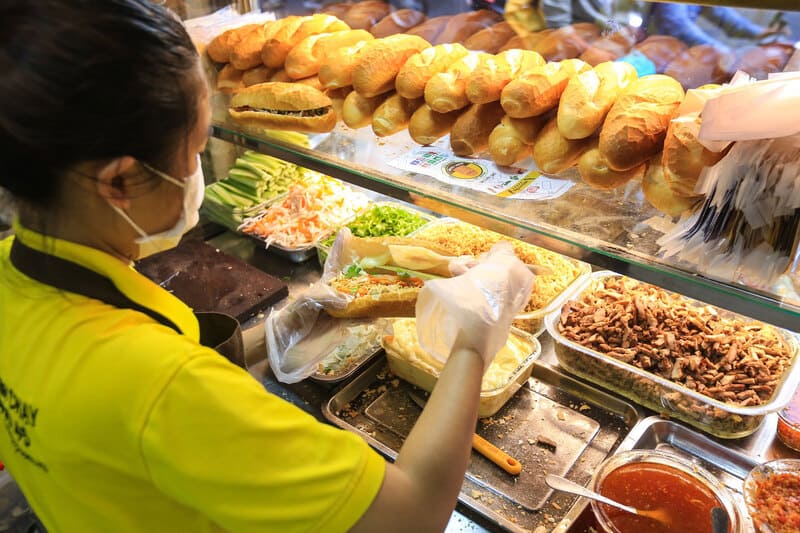
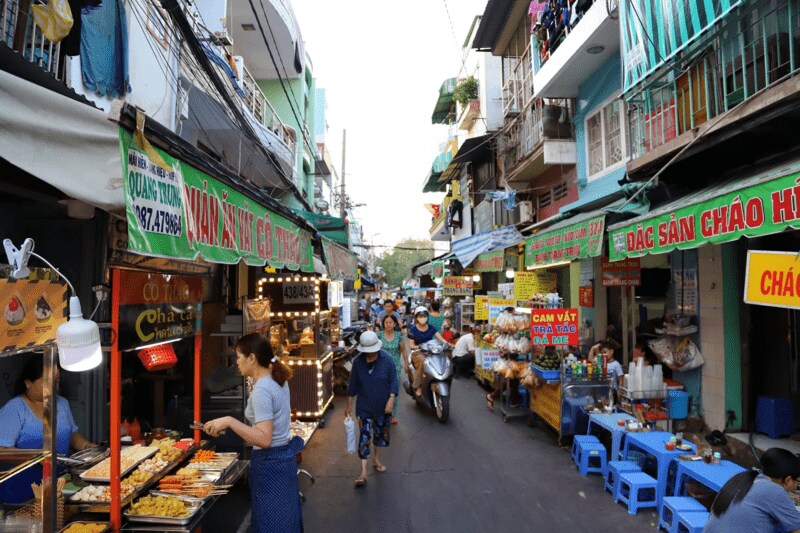
Yes, including street food, if you choose where you eat with some care. Most stomach problems come from food that has been sitting out, not from street food as such. Pick stalls with a steady flow of local customers, food kept covered or behind glass, and dishes cooked to order and served hot. In rural areas, skip ice in drinks.
Banh mi, an iconic Vietnamese street food, is not to be missed during your trip
Yes, Vietnam is safe for families, and children are warmly welcomed almost everywhere. The risks for children are the everyday ones: heat, traffic, food hygiene and animals. Plan shorter transfer days, sightseeing in the cooler hours, and water and snacks within reach.
Car seats are the detail most parents miss. Since 1 July 2026, children under 10 years old and shorter than 1.35 m must use a child restraint in private cars in Vietnam, but taxis, ride-hailing cars and other commercial passenger vehicles are exempt, so most will not have one. Ask your tour operator for a child seat when you book, or bring a portable one. Keep children away from stray dogs and monkeys, check that every boat has child-sized life jackets, and when visiting remote regions, know where the nearest suitable clinic is.
If one parent is traveling alone with a child, carry a notarized consent letter from the other parent and a copy of the child's birth certificate; some airlines ask for them at check-in. For itinerary ideas, see our guide to traveling in Vietnam with family.
9. Is Vietnam or Thailand Safer?
For tourists, Vietnam and Thailand are about equally safe. Both are rated Level 1 by the U.S. State Department, and in both the realistic risks are traffic, petty theft and scams. Vietnam ranks much higher on the Global Peace Index, but that index also measures armed conflict, so the gap says more about Thailand's 2025 border clashes with Cambodia than about street crime against visitors.
Indicator
Vietnam
Thailand
U.S. State Department
Level 1 nationwide
Level 1, with Level 2 for the Cambodian border and the provinces of Yala, Pattani and Narathiwat
Global Peace Index 2026
41st of 163
101st of 163
10. Areas and Local Laws Travelers Should Know About
No region on a normal tourist itinerary is off-limits in Vietnam. Unexploded ordnance from past wars remains in parts of central Vietnam, especially Quang Tri, and along the Laos border, so stay on paved roads and marked trails there. Some villages near the borders require a police permit, which rarely affects tourist routes. On mountain roads and remote trekking routes, check road conditions and weather first, and consider a local guide.
Local laws catch more visitors out than any region does. Drug penalties are severe, and police can test for drugs taken abroad. Vapes and e-cigarettes are illegal to bring or use. Do not photograph military sites or border posts. If a hotel keeps your passport at check-in, ask for it back: there is no legal requirement for this.
11. Emergency Numbers, Embassies and Hospitals
In an emergency in Vietnam, call:
Police: 113
Fire and rescue: 114
Ambulance: 115
Operators may not speak English, so ask your hotel, guide or driver to call when possible.
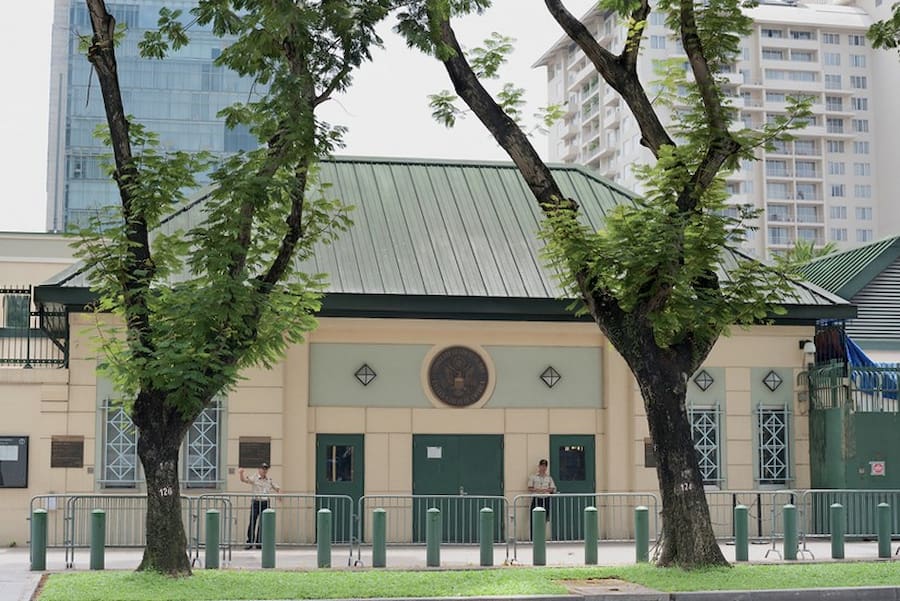
Embassies and consulates in Vietnam can assist foreign travelers in an emergency
International hospitals and clinics
Good medical care is concentrated in the big cities, so make sure your insurance covers evacuation. These facilities come from the U.S. Embassy's medical assistance list:
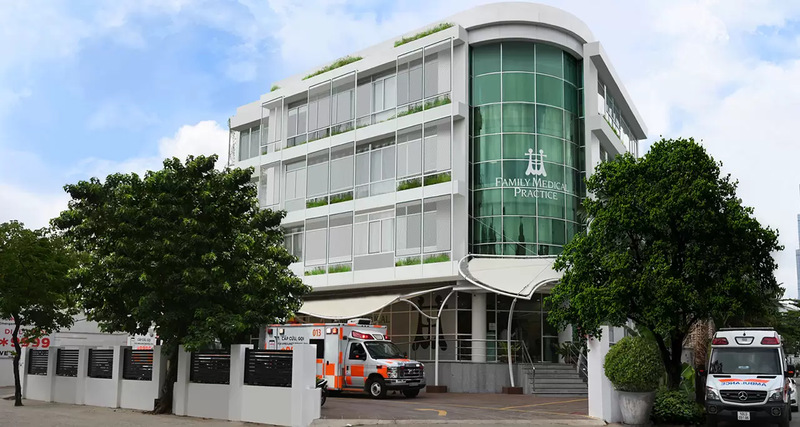
Hanoi: Family Medical Practice Hanoi, 298I Kim Ma Street, +84 24 3843 0748 (24/7); Vinmec Times City, 458 Minh Khai Street, emergency +84 24 3974 4333.
Da Nang: Vinmec Danang International Hospital, 30/4 Street, +84 236 3711 111.
Ho Chi Minh City: International SOS, 106 Nguyen Van Troi Street, +84 28 3999 8100; FV Hospital, Nguyen Luong Bang Street, emergency +84 28 3511 3500.
International medical facilities are available in Vietnam’s major cities
Yes, in central Hanoi, Ho Chi Minh City, Da Nang and Hoi An, streets stay busy until late and walking in the evening is normal. Avoid empty, poorly lit streets late at night, take an app-booked ride after drinking, and never leave a drink unattended.
Is Vietnam safe for LGBTQ+ travelers?
Generally yes. Same-sex relationships are legal in Vietnam and have never been criminalized, and Hanoi and Ho Chi Minh City hold Pride events every year. Same-sex marriage is not legally recognized, and Vietnamese society is conservative about public displays of affection for every couple, so a little discretion in rural areas is sensible.








 Our team
 Our team
 Our team
 Our team

.jpg)


 Other
Other Add us as a preferred source