What to Eat in Cao Bang: Must-Try Local Specialties for All Diets
For many travelers, the dramatic limestone karsts are the reason they journey to the North, but the food is why they keep coming back. If there is one province that truly reflects the rugged, herbal soul of Vietnamese mountain cuisine, it is Cao Bang.
Cao Bang’s food is not about flashy presentation or refinement. Locals value resilience over elegance: slow-cooked mountain proteins, ancient forest herbs, fermented fruits, and heavy-hitting, bone-deep flavors. These culinary traditions, perfected over generations to fortify the body against the highland chill, are the true heartbeat of everyday life in the Northeast.
Written by Oliver PHUNG (Tour Guide)
Updated on Apr 06, 2026
0 comment
Oliver Phung is a Northern Vietnam-based tour guide and blogger. His favorite topics to write about include cuisine, culture, travel, and under-the-radar experiences. Oliver possesses a deep, detailed understanding of the region, from the indigenous culture of the Hmong in the Northwest to the highland lifestyle of the Tay in the Northeast. Whether he is exploring ancient architecture or geological landscapes, he is always eager to share his insights with his readers.
Beyond his work at Kampá Tour, he produces specialized travel content on platforms such as Reddit, Instagram, LinkedIn, and various other publications.
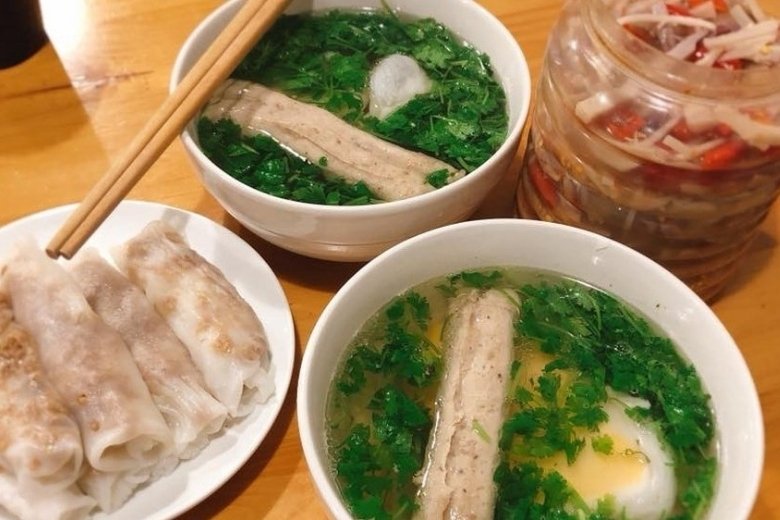
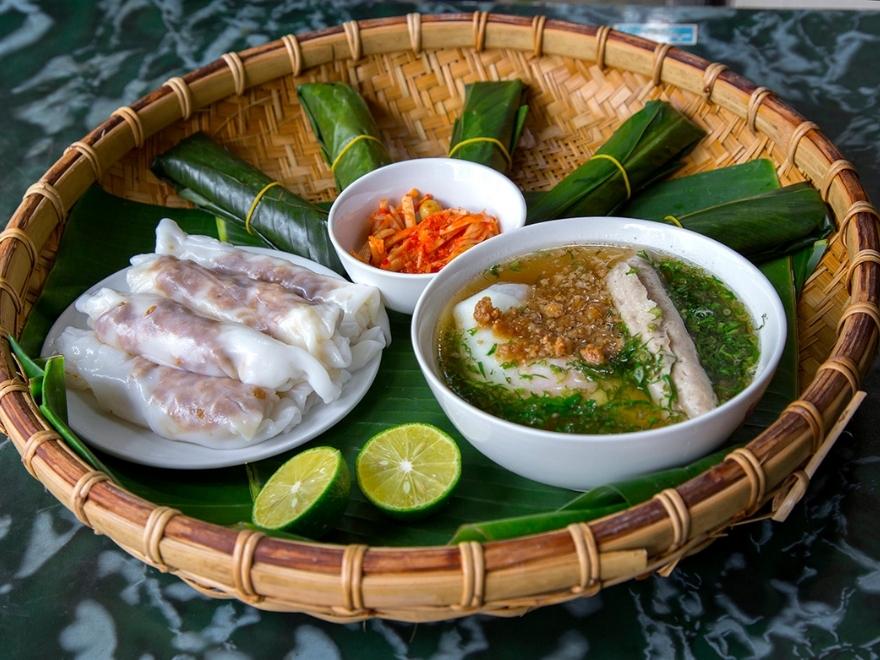
If you’ve experienced Banh cuon in Hanoi, you likely remember delicate rice sheets dipped into a small bowl of amber fish sauce. In Cao Bang, however, the dish undergoes a total transformation. Here, the dipping sauce is replaced by canh, a hot, savory bone broth, turning the meal from a light snack into a hearty "mountain hug" designed to combat the highland chill.
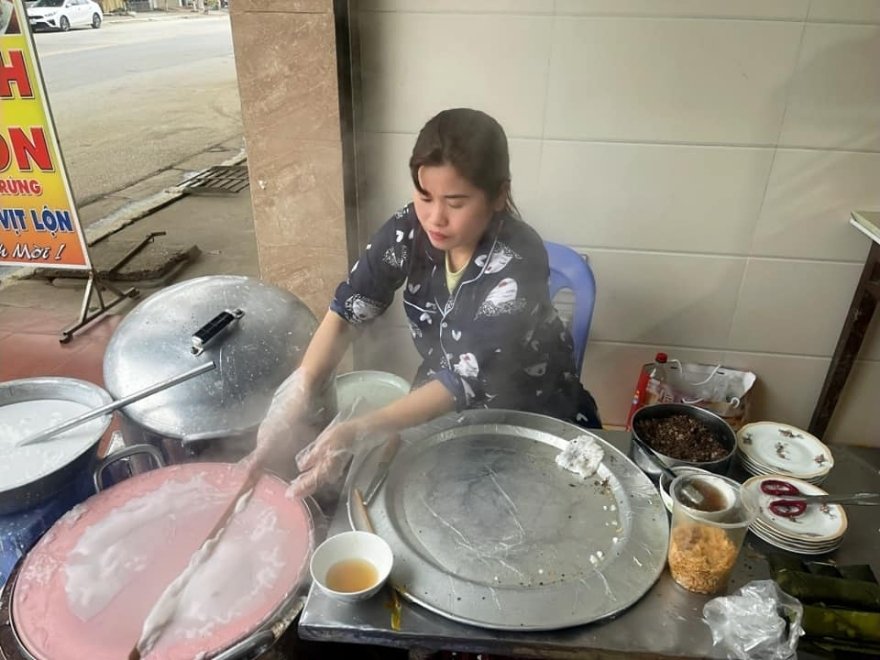
In the gray light of a Cao Bang morning, the most reliable signal of breakfast is the cloud of steam rising from a street-side stall. You will see the vendor deftly spreading a thin layer of milky rice batter over a taut fabric screen. This instant steam-cooking method ensures the rice sheet remains supple while retaining its delicate aroma.
A familiar morning scene at any banh cuon stall in Cao Bang.
Once set, the translucent sheet is rolled with a savory mix of minced pork and wood ear mushrooms. While these fillings are common elsewhere, the Doan Ket rice used here yields a roll that is remarkably elastic, allowing it to hold its integrity even when submerged in the boiling liquid.
So, to eat like a local, you should drop the entire roll into your bowl and break it slightly with your chopsticks. This allows the hot marrow broth to permeate the rice layers, especially if you have opted for the richer Banh cuon trung with its poached egg center. The final, essential step is adding a few slices of pickled bamboo (mang mac mat) from the table; the sharp acidity provides a necessary contrast to the rich bone broth, creating the authentic "mountain snap" that defines a true Cao Bang breakfast.
A serving of steaming hot rice rolls with soup, authentic Cao Bang flavor.
Pho Chua (The cold noodle contrast)
In the humid summers of Northern Vietnam, Pho chua (Sour Pho) in Cao Bang serves as a refreshing departure from the typical steaming soups. While Hanoi focuses on the clarity of its broth, Cao Bang’s Pho chua is a "dry" noodle dish that emphasizes the contrast of textures.
Sour pho is a popular alternative to traditional pho during the summer.
You start with a base of soft, locally-made rice noodles, layered with the sharp "crunch" of golden-fried taro and the smokiness of roasted duck. The soul of the dish is a thick, mahogany sauce reduced from duck juices and local vinegar. In practice, this is a complex, multi-component meal that requires a thorough mix before your first bite to ensure the glaze coats every ingredient.
Vit quay 7 vi (Roast duck with 7 flavors)
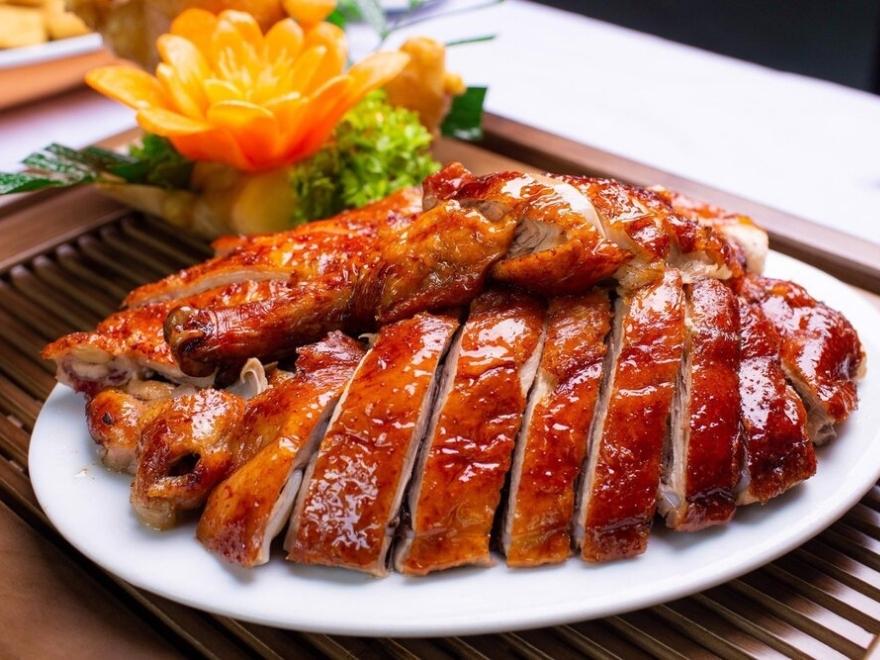
While neighboring provinces have their own versions of roasted poultry, Cao Bang’s Vit quay 7 vi is a standout for its herbal complexity. The name refers to a secret blend of seven traditional spices, an ancestral recipe guarded by the Tay people of the northeastern highlands.
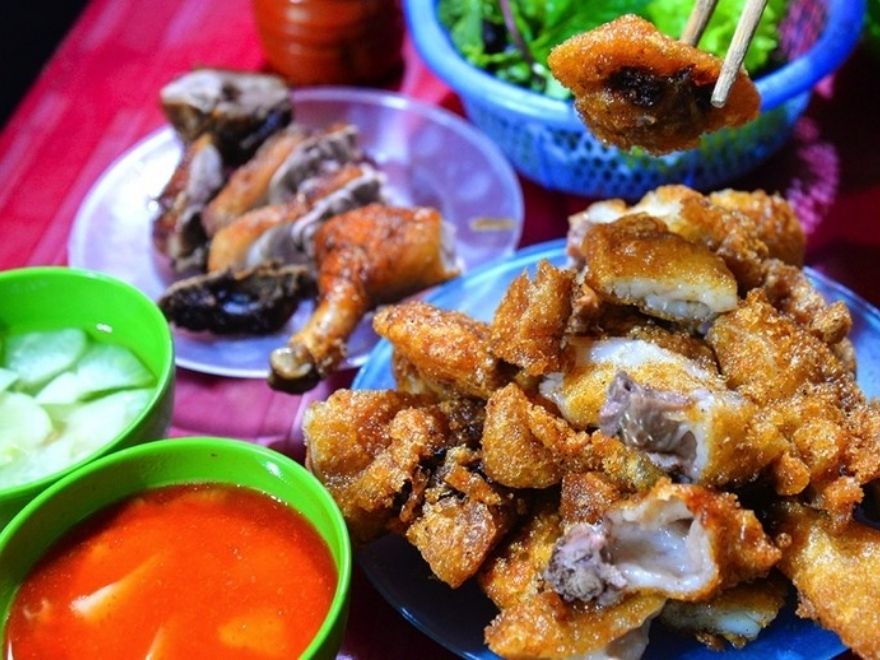
A plate of authentic Cao Bang-flavor roast duck with 7 spices.
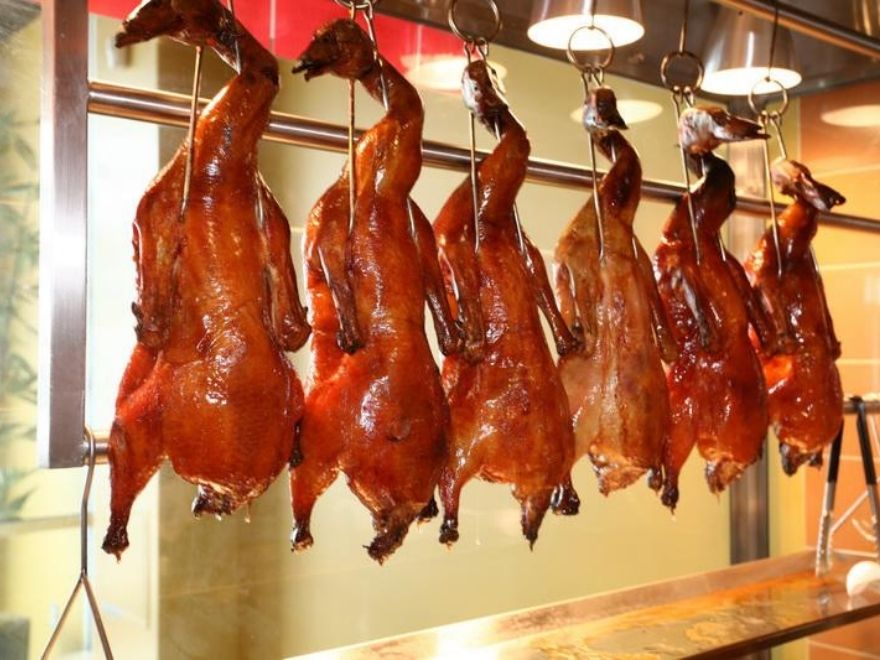
The process starts with a firm, 1.8kg to 2kg bird, avoiding small duck or overly fatty varieties to ensure the best meat-to-fat ratio. After an initial blanching, the seven-flavor infusion is poured into the cavity and sealed with a hand-sharpened bamboo skewer to trap the aromatic "spirit" inside. A secondary blanching and inflation follow, before a glaze of forest honey and local vinegar is applied to achieve a crisp, "amber" finish over hardwood charcoal. This meticulous technique keeps the meat succulent and a delicate peach-pink (hồng đào), retaining its natural juices far better than any mass-produced roast.
The ducks are roasted evenly, turning a golden brown and emitting a slightly smoky, fragrant aroma.
The defining characteristic of an authentic batch is a specific "earthy" (ngai ngái) and slightly bitter undertone in the sauce. This bitterness is not a flaw; it is the signature of the forest herbs and roots used in the Tay secret recipe. When the vendor cleaves the duck open with a single strike, ensure they save the hot juices from the cavity. You should pour this liquid directly over the meat or use it as your primary dip to experience the full, robust depth of the seven flavors.
Pho Cha Nuong (Smokey mountain pork Pho)
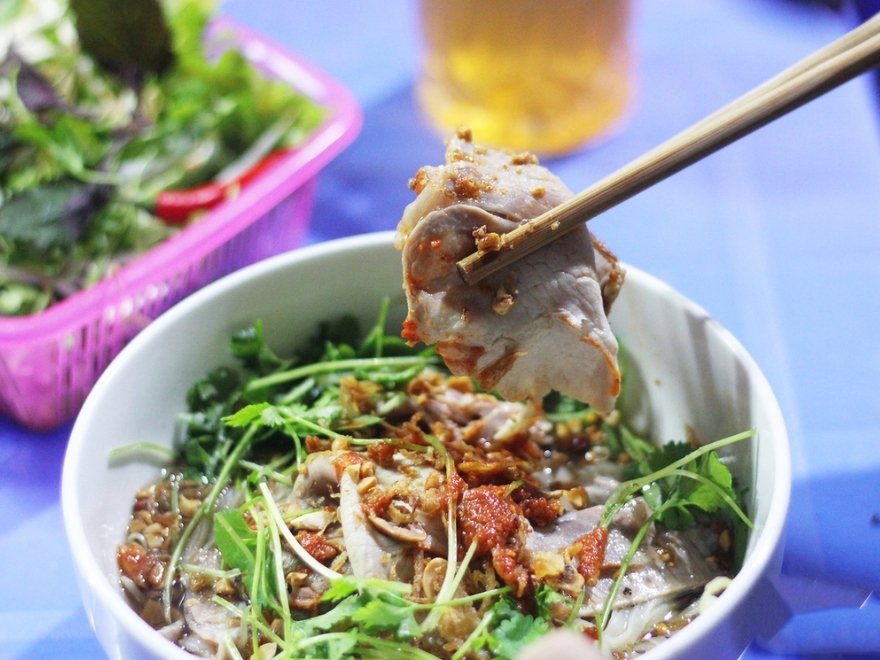
If you are familiar with Hanoi’s beef Pho or the charred aromas of Bun cha, Cao Bang offers a hybrid that distills the best of both into a single bowl. Known locally as Pho thit nuong (or Pho cha nuong), this dish is a structural departure from its low-land cousins. It utilizes significantly thinner rice noodle strands and replaces the cold dipping sauce with a savory, bone-based broth.
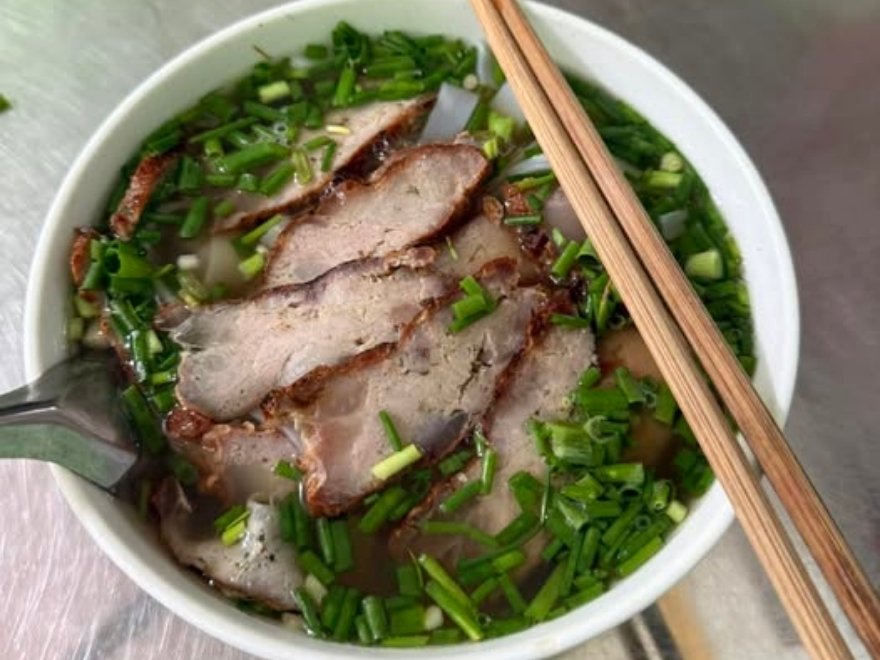
Cao Bang grilled pork pho
The soul of the dish is the "black pork" sourced from local mountain breeds, prized for its firm texture and high-quality fat. The meat is usually taken from the succulent shoulder, thinly sliced, and marinated in a pungent blend of minced galangal (giềng) and shallots. It is then clamped into wire racks and grilled over glowing hardwood charcoal. This process requires constant attention to ensure the smoke permeates the meat without scorching the edges, resulting in a deep, "weathered" aroma that is the hallmark of the dish.
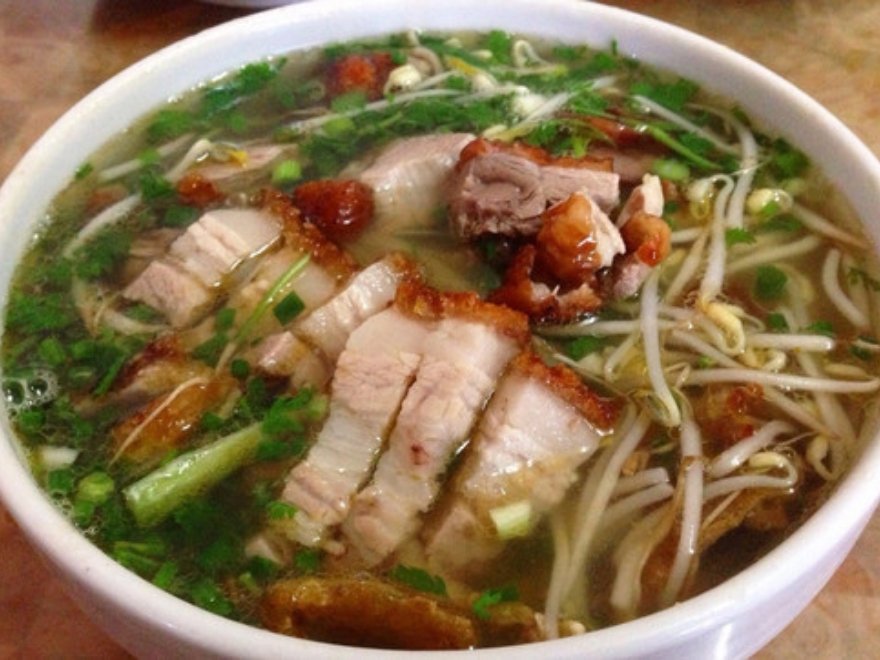
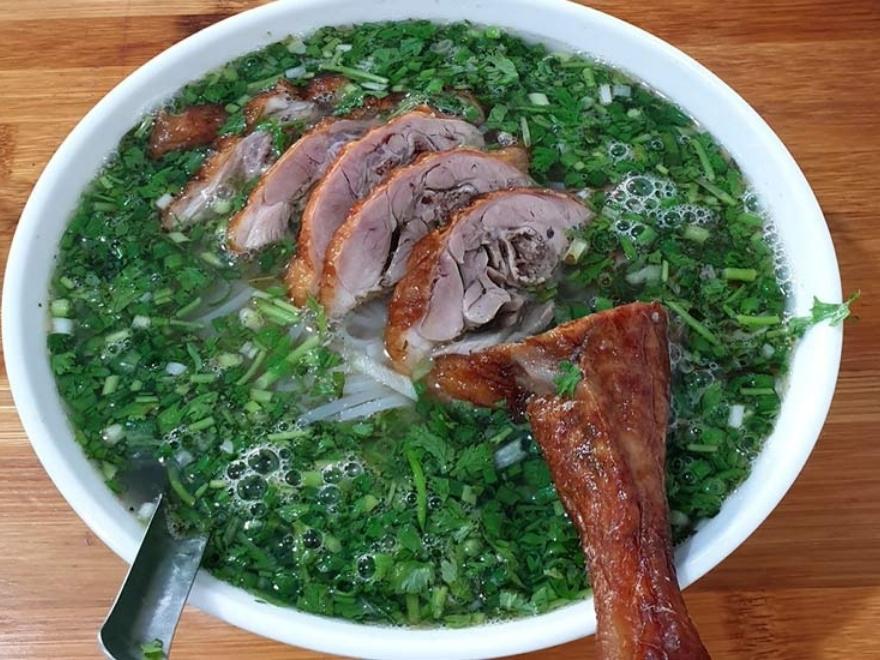
In practice, Pho thit nuong is a staple breakfast for the people of Cao Bang city. While the grilled pork is the primary draw, many vendors also offer variations featuring crispy roasted pork belly (ba chi) or slices of heritage roasted duck. For a more comprehensive experience, you should order a "mixed bowl" (pho lan lon) to sample all three proteins, allowing the different fats and textures to harmonize within the hot broth.
Pho with roasted pork belly.
7-flavor roasted duck pho
Lap Xuong (Smoked mountain sausage)
Forget the world-famous bratwurst or the seasoned links of Europe for a moment. In the kitchens of Cao Bang, there is a smoked sausage that carries the scent of the highlands, the warmth of the sun, and a deep, fermented soul. Known as Lap xuong, this is more than just a snack; it is a traditional preservation method that has defined local life for generations.
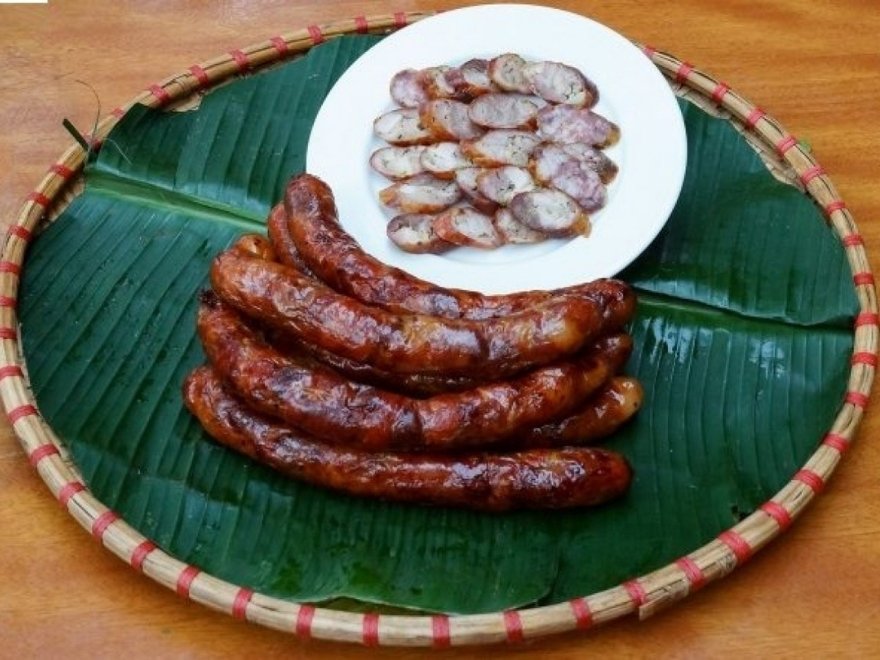
Cao Bang Sausage
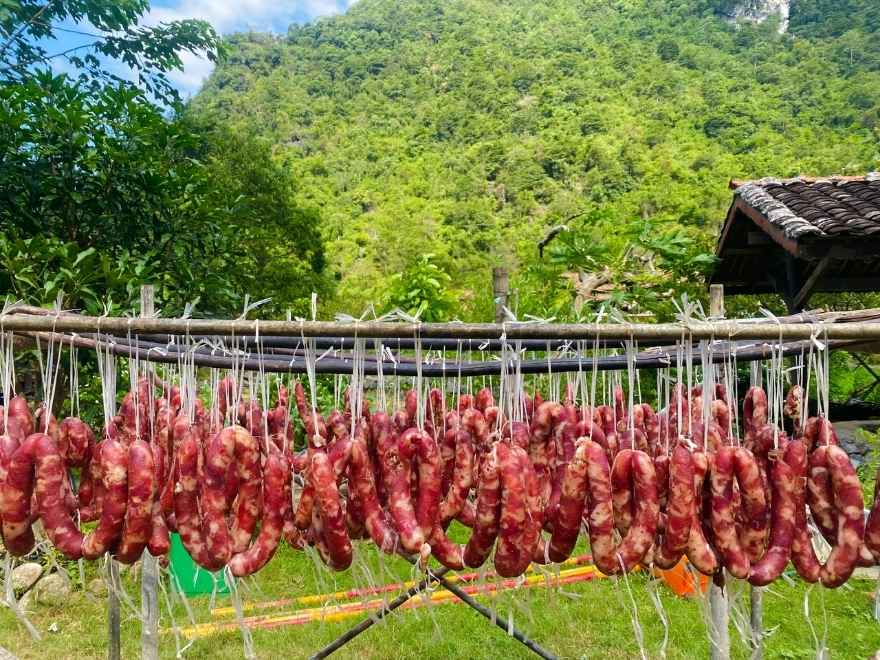
The quality begins with free-roaming highland pigs, prized for a firm texture and clean fat profile that lowland varieties lack. This fresh meat is diced while still warm from the market, seasoned with Mai Que Lo (rose-scented wine) to trigger fermentation, and stuffed into wine-rinsed natural casings. After three days of sun-drying, the links turn a pale rose-pink, ready for their final transformation over the kitchen rafters.
Cao Bang sausages are sun-dried, free from dew, and the final step is smoking them.
Unlike commercial sausages, Lap xuong is smoked over slow-burning sugarcane pulp (bã mía). The sweet, thick smoke from the sugarcane seeps into the meat, giving it a deep mahogany glow and a subtle, honeyed aroma. This wood-and-sugar smoke, combined with the natural fermentation, creates a signature "subtle sourness" that cuts right through the richness of the pork fat.
Banh Ap Chao (Winter's favorite duck cake)
Beyond the famous roasted duck, rice rolls, and sour pho, Banh ap chao is the street food essential you simply cannot miss when visiting Cao Bang. Locally known as the "duck-stuffed hug," this snack takes over the sidewalks from November to February. It might look like a standard fried cake, but the soul of the dish is entirely different: instead of pork or mung beans, each cake is stuffed with savory, seasoned duck.
Steamed rice cakes (Bánh Áp Chao) for the winter days in Cao Bằng.
The secret to its addictive "shatter-crisp" shell lies in the batter. Locals blend new-harvest rice with Quang Uyen soybeans, creating a thick, fragrant paste that turns incredibly nutty when fried. Each cake is hand-pressed with pieces of duck and pork in the center and dropped into a bubbling wok until it reaches a radiant, deep gold. In the biting highland cold, Banh ap chao is a mandatory pitstop. It is best enjoyed standing on a sidewalk, watching the vendor flip the cakes in the steam.
The Seasonal Cuisine
Next are the dishes that require a certain kind of luck to experience, also known as "seasonal specialties".
Banh Trung Kien (March to May)
If you visit Cao Bang between late March and May, you might encounter a dish that sounds intimidating to the uninitiated: Banh trung kien (Ant Egg Cake). Known as "Peng ray" in the Tay language, this seasonal specialty is a profound expression of the region's biodiversity. It relies entirely on the short breeding cycle of black forest ants.
Ant Egg Cake
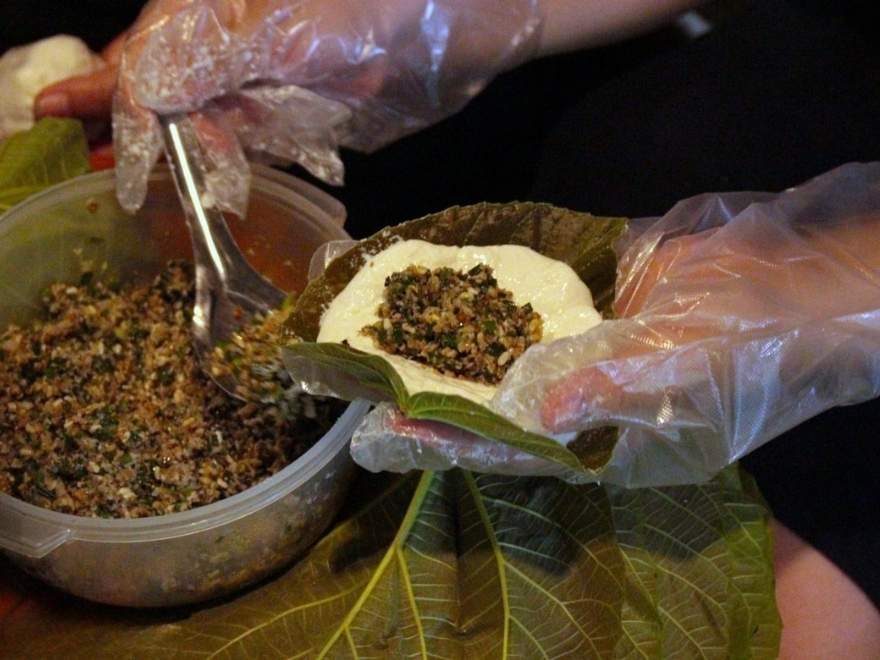
The process is a labor of patience. Locals venture into high cliffs and dense forests to harvest the milky, rice-grain-sized eggs from black ant nests. These specific eggs are prized for their nutty and creamy flavor profile, which is far more delicate than one might expect. To prepare the cake, the eggs are sautéed with minced pork, shallots, and củ kiệu (pickled scallions) to create a rich, savory filling. This mixture is encased in a layer of sticky rice flour and wrapped in young fig leaves (lá vả). Unlike many other wrapped cakes, the inner fig leaf is entirely edible. It softens during the 50-minute steaming process, adding a mild, herbal note that balances the richness of the protein.
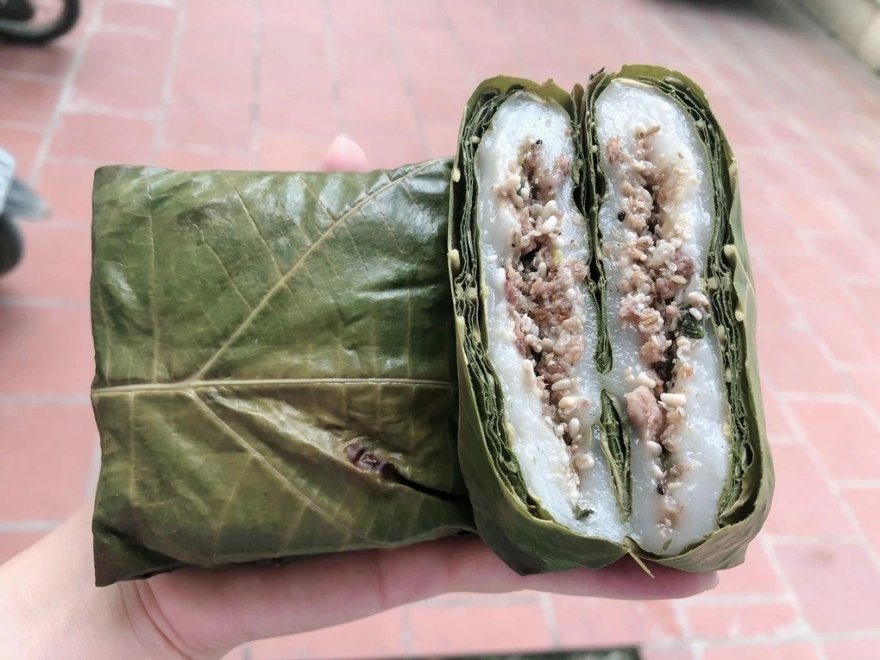
Ant Egg Cake after cooking
When you take a bite, look for the "popping" sensation of the ant eggs, a textural hallmark that locals call "lạo xạo." The combination of the chewy glutinous rice, the meltingly soft leaf, and the burst of creamy filling creates a complex mountain snack that is truly unique to the northeast.
>>> A Transparent Warning (Allergy Risk): While this is a culinary highlight for many, it comes with a necessary caution. If you have a known allergy to insects, bee stings, or silkworm pupae, you should approach this dish with extreme care or avoid it entirely. Even for those without known allergies, we recommend trying a very small piece first.
Trung Khanh chestnuts (September to October)
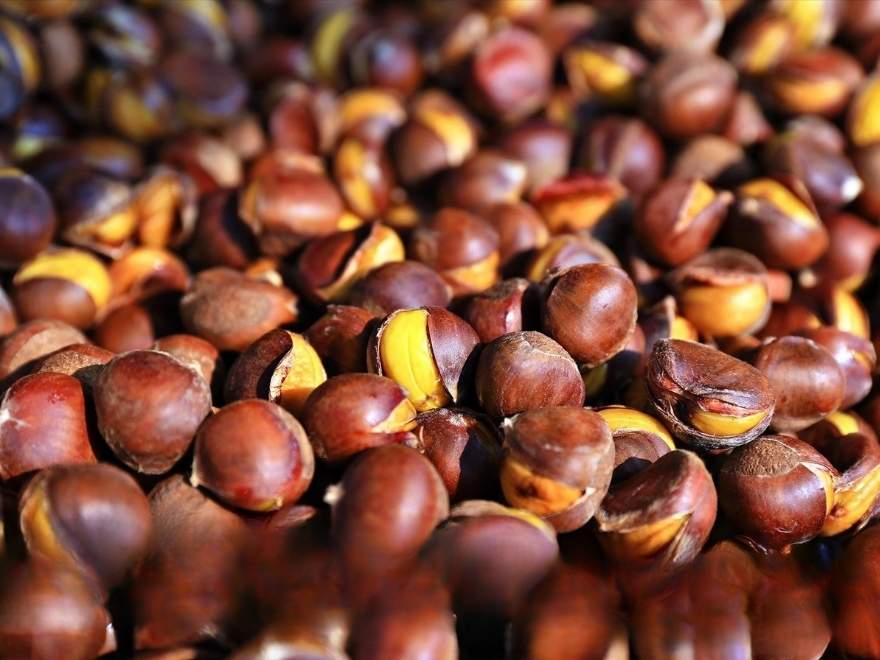
As the autumn mist settles over the limestone karsts in late September, the hills of Trung Khanh transform. This is the season of Mac Lich, the local name for the prized Trung Khanh chestnut. Unlike the generic varieties found in lowland supermarkets, these chestnuts are a product of a specific microclimate, grown on slopes between 450 and 600 meters where the soil and water create a density of flavor that is remarkably buttery and sweet.
Cao Bang chestnuts
While most visitors know the classic roasted chestnut (hat de rang), the local culinary application goes much deeper. In the homes of Trung Khanh, you will find chestnuts incorporated into savory, "soul-warming" dishes:
Thit heo ham hat de: A slow-braised pork belly where the chestnuts absorb the fatty juices, turning into soft, buttery nuggets.
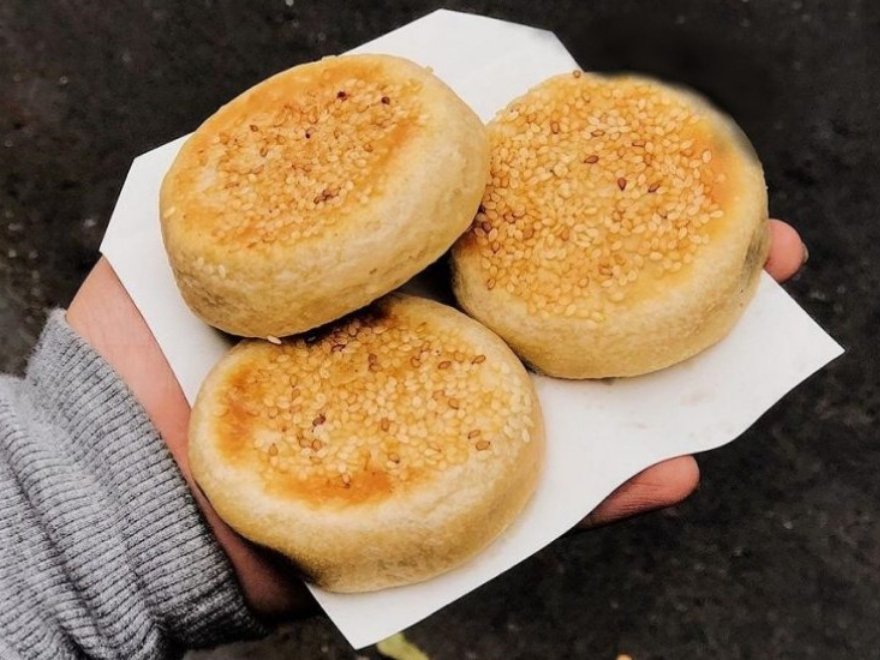
Banh hat de: These are toasted, flaky pastries filled with a sweet, dense chestnut paste, perfect when paired with a bitter highland tea.
Chestnut Porridge: A breakfast staple where peeled chestnuts are simmered with rice for ten minutes to create a creamy, nutty texture.
Cao Bang chestnut cake
Xôi Trám (Autumn harvest)
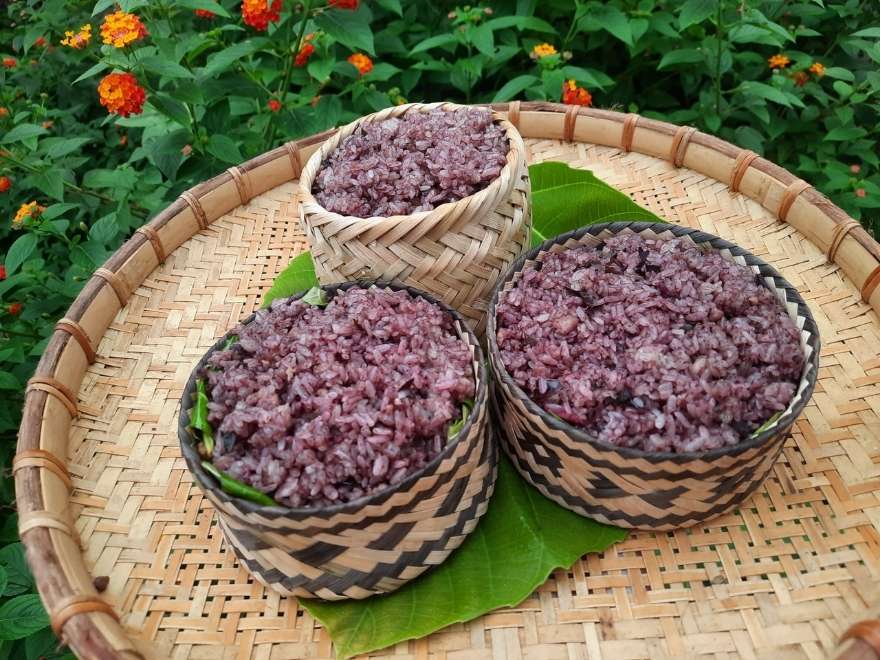
Around late September, you’ll start seeing baskets of small, thumb-sized purple fruit in the local markets. This is the Black Canarium (Tram den), the unofficial soul of the autumn harvest. To get that signature buttery texture, the locals only use Tram nep (the "sticky" variety) because its pulp is much softer and richer than the cheaper, tougher "Tram te".
The preparation is all about the temperature. The fruit is "om" (soaked) in warm water, strictly between 60°C and 70°C. Any hotter and the fruit turns tough; any cooler and the pulp won't separate. Once softened, the dark purple flesh is mashed into sticky rice, staining the grains a deep, natural lavender. It’s earthy, creamy, and has a slight resinous scent that reminds you of the high forest. Health-wise, the fruit is traditionally valued for aiding digestion and reducing "internal heat," making it a functional comfort food for the transition into winter.
Sticky rice with canarium nuts.
While the purple rice is the star, the real "insider" move is trying Thit kho tram. In this slow-braised pork dish, the Canarium fruit acts as a natural balancer. Its mild acidity and resinous notes cut right through the richness of the fatty pork belly, while the meat absorbs the fruit’s creamy oils. It’s a savory, heavy-hitting meal that leaves a rich, nutty finish on the palate, perfect for a cold night in the mountains.
Street food & Snacks
Let's set aside the everyday and seasonal dishes of the local people in Cao Bang for a moment. Next, follow me and Kampá Tour to discover the local snacks.
Coong Phu (Warm ginger soup balls)
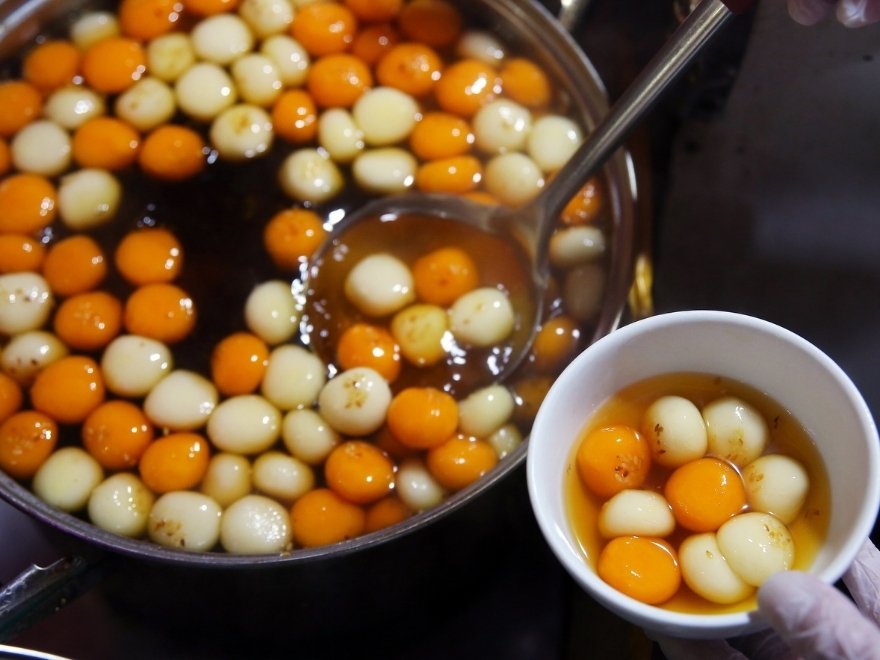
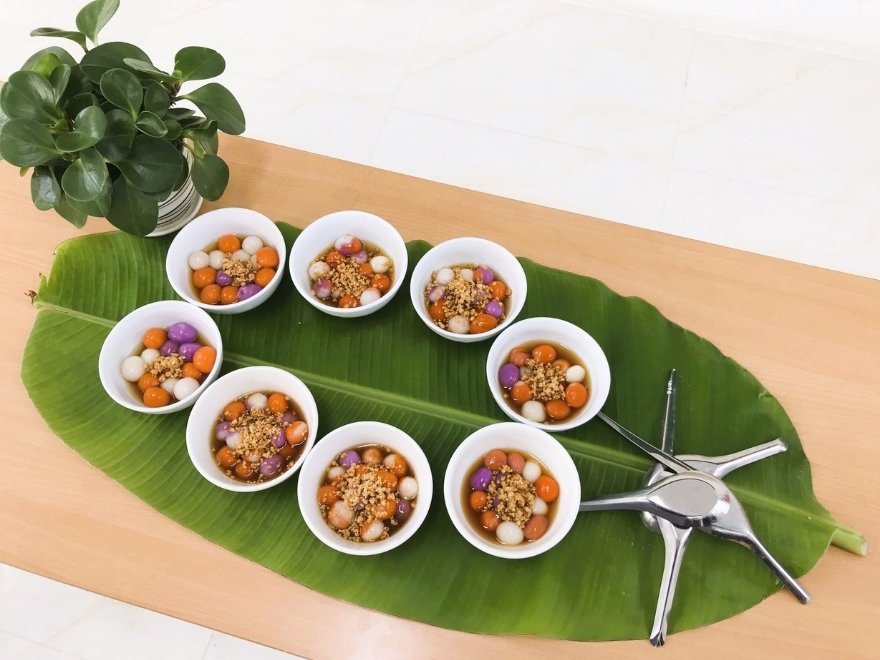
Coong Phu is the Tay and Nung answer to a freezing mountain winter. Unlike the "dry" Banh troi of Hanoi, these rice balls are submerged in a hot, spicy syrup made from crushed ginger and red sugar, a natural heater for the body. To get the texture right, locals use a 1/3 ratio of non-glutinous to sticky rice, creating a firm shell for the sweet peanut and mung bean core.
In addition, modern vendors often turn the bowl into a display of "floating gems" by mixing the dough with taro (purple), gac (red), or pandan (green). These colorful, glossy spheres bobbing in the golden, aromatic ginger broth aren't just a snack; they are a ritual of warmth that boosts circulation and fights off the highland chill.
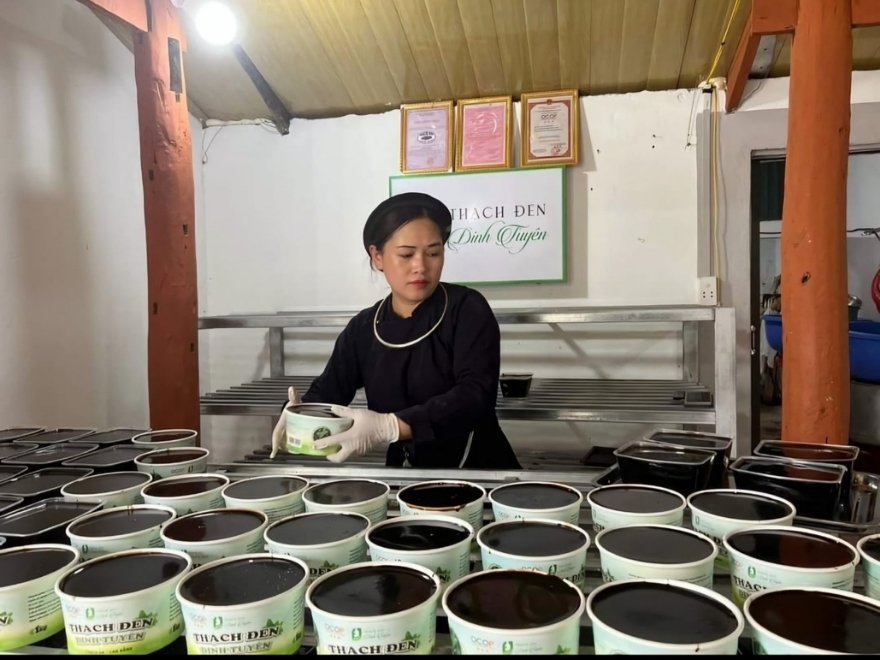
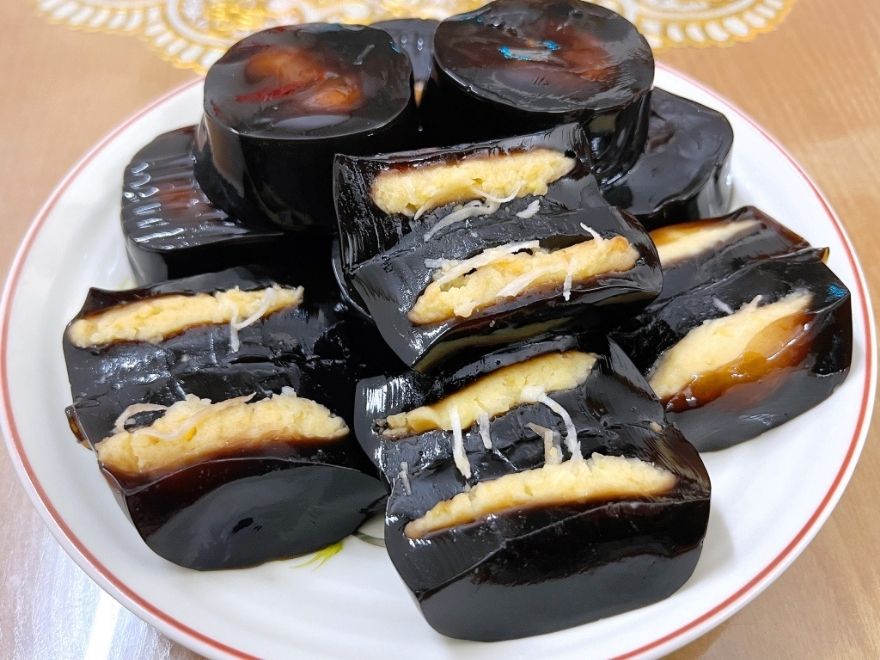
Black jelly
While the world of sweets is often dominated by industrial gelatin and artificial syrups, Cao Bang’s Thach den (Black Jelly) is a purely botanical affair. It isn't a factory byproduct; it is a slow-cooked extraction of the Tien Thao plant (Herb of the Immortals). This jelly serves as a "functional" snack, specifically designed to neutralize internal heat and reset the body during the humid mountain summers.
Unlike sugary Western jellies, Thach den has a matte-black finish and a subtle, earthy bitterness. It is a cooling canvas that works across several local pairings:
Classic: Submerged in fresh soy milk to balance the herbal depth with creaminess.
Tangy: Mixed with local yogurt for a refreshing, high-contrast snack.
Pure: Sliced into large cubes and eaten plain or with a drizzle of jasmine-infused syrup to appreciate the clean, natural "snap" of the jelly.
Where to eat like a local?
Generally, except for seasonal dishes, you can easily find these foods anywhere on your Cao Bang trip, whether at local markets or restaurants. Below is a comprehensive table of locations for the best authentic bites. All you have to do is check the directions and head there.
Is Cao Bang Cuisine Vegan and Kid-Friendly?
No matter how enticing a dish looks, the first question on your mind will always be: "Is it safe and right for me?" I understand that dietary peace of mind is just as important as the flavor itself. To ensure you can reward your palate without any health or ethical concerns, we have categorized Cao Bang’s culinary highlights into three specific groups.
Vegan
To be perfectly honest, Cao Bang is a "meat-heavy" region. Unlike Hanoi, lard (mỡ lợn) is frequently used as a default cooking medium instead of vegetable oil, and dedicated vegan restaurants are rare. However, you can still navigate the menu with these local plant-based gems:
Vegan Ant Egg Cake:It sounds like a paradox, but local chefs have mastered a clever substitute. They replace the ant eggs with mung beans, which perfectly replicate that creamy, "popping" texture while wrapped in the edible fig leaf.
Pickled Bamboo (Mang chua): A staple available year-round thanks to traditional salt fermentation. It is crunchy, tangy, and refreshing, the perfect side dish to brighten up a bowl of hot rice.
Chestnut Porridge (Chao hat de): This is a highly nourishing "superfood" in the highlands. It is naturally sweet, light on the stomach, and rich in antioxidants, perfect for restoration after a long day of trekking.
When entering a restaurant, use Google Translate for the phrase "Tôi ăn chay thuần" (I am a strict vegan). If the staff speaks English, specifically ask them to avoid fish sauce and lard to ensure your meal is 100% plant-based.
Kids
For children, sweet and colorful treats are simply irresistible. Local specialties like Black Jelly, Coong Phu, and Chestnut Cakes are perfect choices, as they are naturally wholesome and healthy for your kids.
Conclusion
Cao Bang’s food is more than just sustenance; it’s a direct link to the karst mountains, the shifting seasons, and the resilient heritage of the Tay and Nung people. From the "mountain hug" of a morning bone broth to the smoky, fermented soul of heritage sausages, every bite tells a story of patience, biodiversity, and local wisdom.
At Kampá Tour, we believe that you haven’t truly explored the North until you have tasted the obsidian calm of its black jelly or felt the warmth of a ginger-steeped Coong Phu ball on a misty winter night. These flavors are the true heartbeat of the highlands, sometimes spicy, sometimes earthy, but always authentic.
Planning your trip?
Save time and get expert advice for FREE!
✅ 15 years of local experience
✅ Save up to 40 hours of planning
✅ Travel stress-free from start to finish
Book your free consultation today!









 Our team
 Our team
 Our team
 Our team




 Other
Other Add us as a preferred source