The Basics: Distance, Duration, and Trains
Hanoi and Hue sit about 688 kilometers apart on Vietnam's north-south railway network, part of the historic Reunification Express line built during the French colonial period and still one of the country's most-used long-distance routes.
Which Trains Run This Route
Six SE-numbered services run this leg daily - SE1, SE3, SE5, SE7, SE19, and SE23 - with journey times ranging from roughly 12 hours 40 minutes to 14.5 hours, depending on the train and how many intermediate stations it stops at.
Odd-numbered trains (SE1, SE3, SE5) travel south from Hanoi; even numbers head north on the return leg.
Most travelers book an evening departure - trains typically leave Hanoi Station between 6 PM and 9 PM - so they sleep through the night and roll into Hue by mid-morning or early afternoon, ready to start sightseeing without losing a hotel night to travel.
Delays and Timing Buffer
Because the line is single-track for most of its length, trains occasionally wait in sidings for oncoming services to pass. Delays of thirty minutes to an hour aren't unusual, especially during the rainy season from May to October, when landslides in central Vietnam can add further disruption. If you have a tight onward connection in Hue, build in a buffer.
Ticket Classes and 2026 Prices
| Class |
Description |
Approx. Price (one-way) |
| Hard seat |
Basic upright seating, no AC on older cars |
$10–15 |
| Soft seat |
Air-conditioned, padded reclining seats |
$20–26 |
| Hard sleeper (6-berth) |
Three tiers per side, thinner mattress |
$30–40 |
| Soft sleeper (4-berth) |
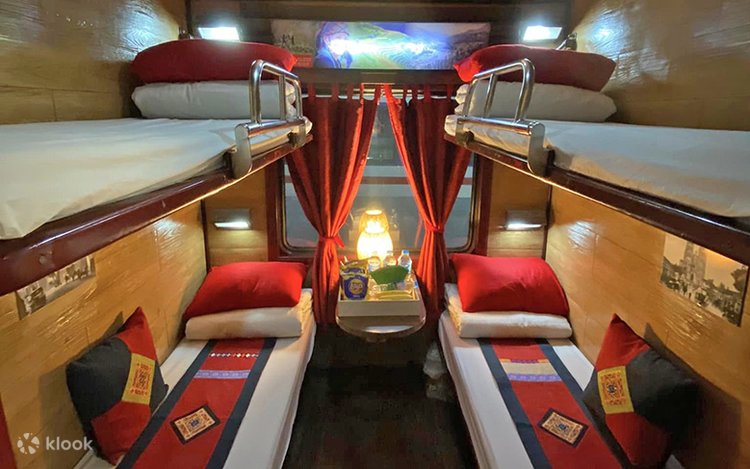
Two tiers per side, thicker mattress, reading lights |
$45–65 |
| Private tourist cabins |
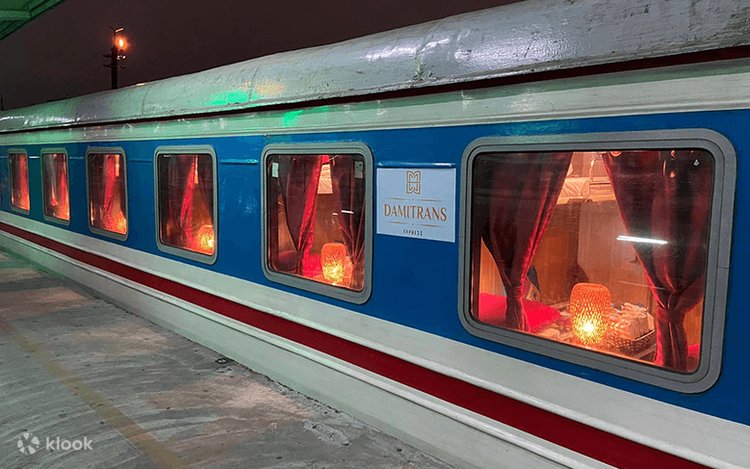
Livitrans, Lotus Express, and similar operators run upgraded 4-berth carriages attached to SE1/SE3, with better bedding and sometimes breakfast included |
$60–90+ |
Best Value Class
For an overnight journey this long, the 4-berth soft sleeper is the sweet spot for most travelers - enough privacy to actually sleep, without paying tourist-carriage prices. Families or groups of four traveling together get the best value here, effectively turning a shared cabin into a private one at the standard per-berth rate.
Where and When to Book
Tickets can be booked directly through Vietnam Railways' official portal, or via English-friendly agents like Baolau, 12Go, and Vexere, which offer live seat maps so you can choose upper or lower bunks. During peak season - Tet, summer school holidays, and around major Hue festivals - sleeper cabins can sell out two to three weeks in advance, so book earlier than you think you need to. Vietnam Railways typically opens bookings 30 to 45 days ahead of departure.
Getting to Hanoi Station
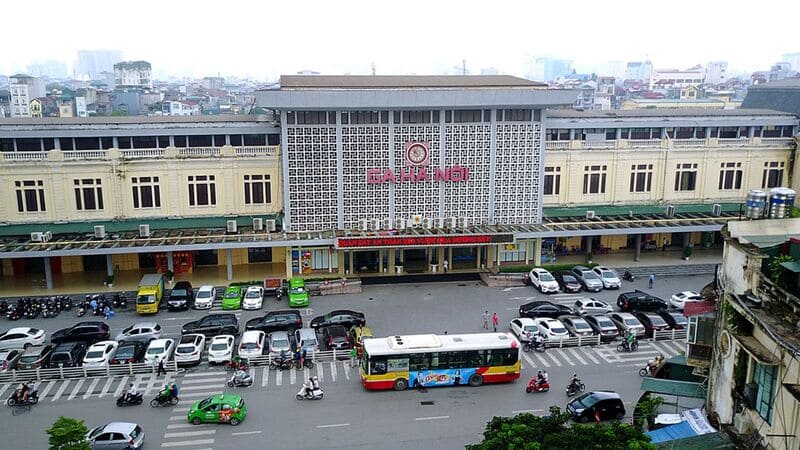
Hanoi Station (Ga Hà Nội), the departure point for the Hue train, sits on Le Duan Street in the Hoan Kiem district and is easily reached by taxi or ride-hailing app from most central hotels. Arrive with time to spare - this is one departure point where confusion at the gates can cost you the train.
What You'll Actually See
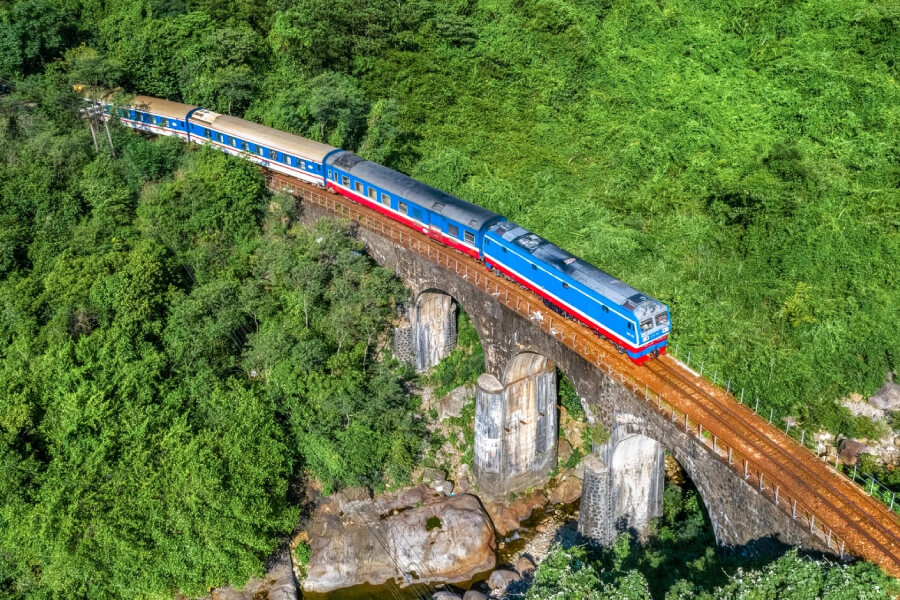
The Hanoi-Hue segment isn't the railway's visual highlight. You'll pass through the Ninh Binh countryside, the rice plains around Thanh Hoa, the city of Vinh, and Dong Hoi - gateway to Phong Nha-Ke Bang National Park's cave systems - but since most of this happens overnight, you'll sleep through a good chunk of it.
The dramatic coastal cliffs and the Hai Van Pass, which make Vietnam's railway famous in photos, are actually on the leg further south, connecting Hue to central Vietnam's coastal cities like Da Nang. If scenery is your main reason for taking the train, know that this particular stretch delivers more practicality than postcard views.
Train vs. Flight vs. Bus
Flying
About 1 hour 15 minutes between Hanoi's Noi Bai Airport and Hue's Phu Bai Airport. Vietjet and Vietnam Airlines both operate multiple daily flights, with one-way fares often available from $25–50 if booked ahead. This is the fastest option, and sometimes the cheapest in raw ticket price, especially outside peak season.
The Sleeper Bus
Covers the same distance in around 13–14 hours, similar to the train, for roughly $15–25. It's cheaper than a soft sleeper cabin but involves winding mountain roads, cramped bunks, and shared bathroom stops - most travelers who've tried both prefer the train for comfort and reliability.
The Train
Costs more than the bus but less than a hotel night, and it converts otherwise "dead" travel time into rest. You skip a night's accommodation in either city, wake up somewhere new, and avoid the fatigue that comes with a long highway journey.
So the honest verdict: if your priority is speed or minimizing cost per minute, fly. If you're short on overall trip time but still want the classic Vietnam rail experience at least once, this can be a reasonable segment to use it on. Many travelers instead treat this leg purely as logistics, then ride the shorter, far more scenic train through central Vietnam toward Da Nang in daylight afterward to actually take in the coastline.
Practical Tips for the Journey
- Book the lower berth if you're prone to motion sickness or don't want to climb a ladder in the middle of the night - it also has more headroom and easier access to your luggage.
- Bring a light jacket or scarf. Air conditioning on sleeper cars runs cold, and the blankets provided are often thin.
- Pack snacks and water. Onboard food carts exist but are limited and pricier than street food; Hanoi Station has convenience stores before departure.
- Charge devices in advance. Outlets exist in most 4-berth cabins but aren't guaranteed in every carriage, particularly older hard sleeper cars.
- Arrive 30–45 minutes early. Boarding gates close a few minutes before departure.
- Keep valuables close. Lock cabin doors where possible, and use a daypack as a pillow or under-mattress stash if traveling hard sleeper class with strangers.
- Download offline maps or entertainment. Wi-Fi exists on some services but is inconsistent, and phone signal drops in rural stretches.
What to Do Once You Arrive in Hue
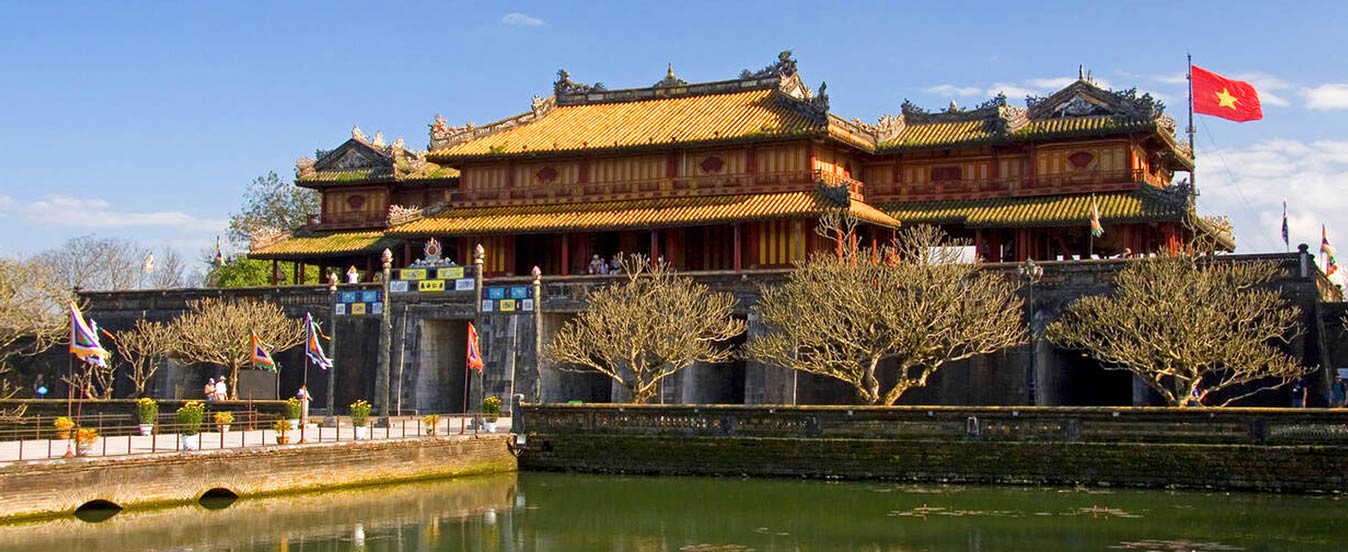
However you get there, Hue rewards the effort. It's Vietnam's former imperial capital, home to the UNESCO-listed Hue Imperial City and the sprawling citadel that once housed the Nguyen Dynasty court.
Food and Culture
Don't leave without trying a proper bowl of bún bò Huế, the city's fiery, lemongrass-scented answer to pho and arguably its most famous export. If your visit lines up with the biennial Hue Festival, you'll also catch traditional performances staged throughout the old citadel grounds, including regional variations on the Vietnamese lion dance.
Frequently Asked Questions
1. How long does the train from Hanoi to Hue take?
Between roughly 12 hours 40 minutes and 14.5 hours, depending on the specific SE train and number of intermediate stops.
2. Is the Hanoi to Hue train scenic?
Not particularly, since most of it runs overnight through flat countryside. The genuinely scenic stretch, including the Hai Van Pass, is the shorter Hue-to-Da Nang segment further south.
Should I book a soft sleeper or hard sleeper? Soft sleeper (4-berth) is worth the extra cost for most travelers on a journey this long - thicker mattresses and only four people per cabin make a real difference to sleep quality. Hard sleeper is fine for budget travelers comfortable with a more communal, six-berth setup.
3. Is it cheaper to fly from Hanoi to Hue?
Often yes, in pure ticket price - budget flights can undercut a soft sleeper cabin. The train's advantage is combining transport with an overnight stay, which can offset the price gap once you factor in a hotel night saved.
4. How far in advance should I book train tickets?
Two to four weeks is generally safe; during Tet or major local holidays, book a month or more ahead, especially for sleeper classes, which sell out first.
5. Can I bring luggage on the train?
Yes - each passenger can typically bring one large bag plus a carry-on, stored under the lower berth or on overhead racks. There's no strict weight limit like on flights, which is another point in the train's favor for travelers carrying more gear.
The Bottom Line
The Hanoi to Hue train isn't the most breathtaking ride in Vietnam, but it's a practical, comfortable way to cover a long distance without burning a full day or a hotel night. If your itinerary has room to fly instead and use the saved hours elsewhere, that's a perfectly reasonable call. But if you want at least one authentic overnight sleeper experience and don't mind skipping the coastal views until the next leg, this route earns its place on the itinerary - just book the soft sleeper, pack a light jacket, and let the train do the work while you sleep.
Explore our trips here:
Thẻ tour 10440, 10441, 5585, 4856
✈️ Continue your travel:
















 Our team
 Our team
 Our team
 Our team



 Other
Other Add us as a preferred source