Hoi An, Vietnam: The Complete 2026 Guide to Sights, Weather & More!
Hoi An is one of those places in Vietnam that feels easy to love, but it is also easy to visit too quickly. Most travelers know it for the lantern-lit Ancient Town, yellow houses and the Japanese Covered Bridge, yet the town offers much more than a pretty evening walk.
This guide will help you choose what to do in Hoi An based on the time you have, whether you are staying for one day, two days or a slower three-day visit. You will also find local tips on what to prioritize, what to skip if time is short, and how to enjoy Hoi An beyond the most crowded tourist spots.
Written by Nhu PHAM (local expert)
Updated on Jun 11, 2026
0 comment
Nhu PHAM is a Saigon native with a passion for travel, adventure, the French and English language, and making discoveries as a digital nomad. She has already explored many Southeast Asian countries, including Cambodia, Laos, and Thailand. Originally from the South, she has a particular expertise in the South and the Mekong Delta. Currently based in Hanoi, she works for Kampá Tour and is the author of many highly appreciated articles on this blog. If you have any questions or comments, please feel free to share them at the bottom of her articles so that she can answer you directly.
Hoi An is often known as a town of remarkable titles. Its Ancient Town was recognized as a UNESCO World Heritage Site in 1999, while in 2023, Hoi An was also named a UNESCO Creative City for Crafts and Folk Art. These titles reflect what makes the town so special: a rare blend of preserved architecture, traditional crafts, riverside life and cultural exchange.
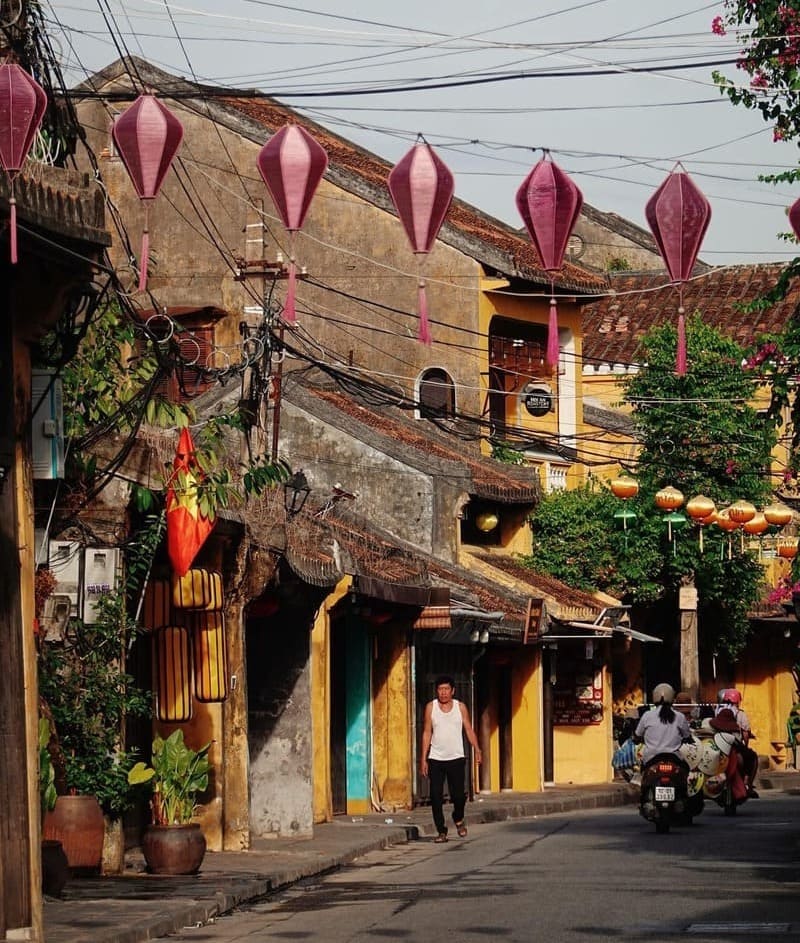
The charming atmosphere in Hoi An Ancient Town
Once known as Faifo, Hoi An was an important trading port from the 15th to the 19th century, where Vietnamese, Japanese, Chinese and European influences met. Today, it is famous for its yellow merchant houses, lantern-lit streets, the Japanese Covered Bridge, custom tailoring, local dishes like cao lau and white rose dumplings, nearby craft villages, beaches and quiet countryside.
That is why Hoi An deserves more than a quick evening stop. It is not special because of one single sight, but because heritage, food, crafts, river life and rural scenery come together in one compact, easy-to-explore town.
Things to know before visiting Hoi An
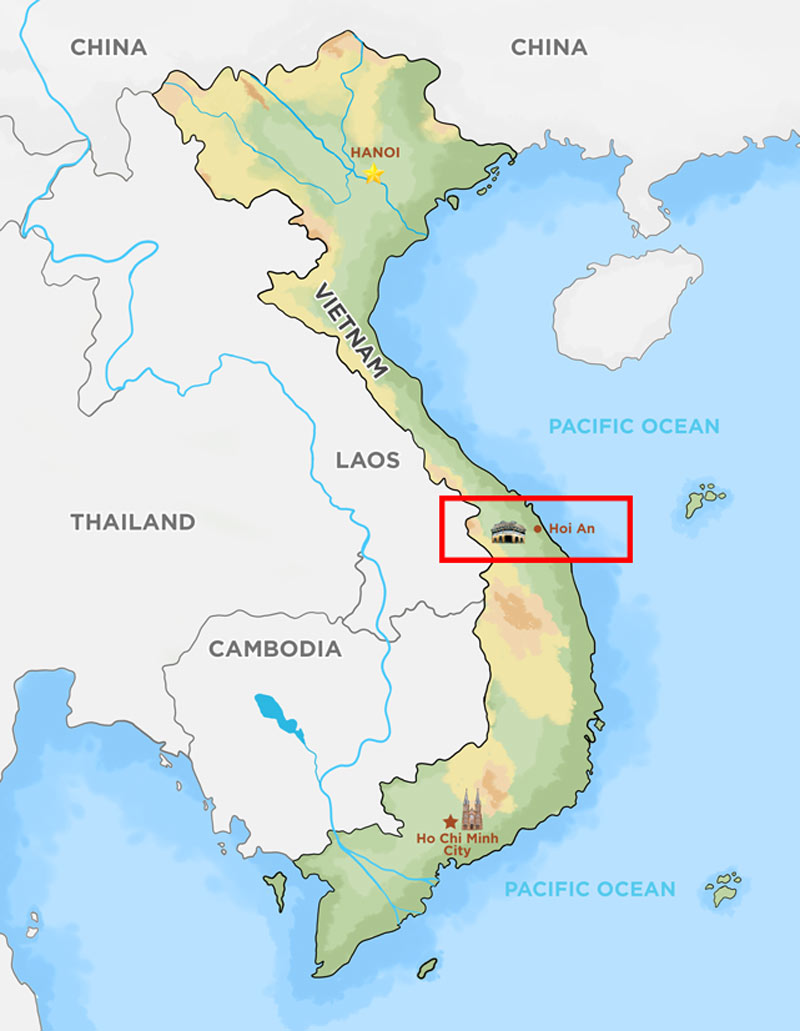
Where is Hoi An, Vietnam?
Hoi An is located in Central Vietnam, about 30 km south of Da Nang. Since the nearest airport and train station are in Da Nang, most travelers arrive there first before taking a 30–45 minute drive to Hoi An. The town is also around 3 hours from Hue, making it easy to combine Hoi An with Da Nang and Hue in a Central Vietnam itinerary.
Hoi An is located in the center of Vietnam
The Ancient Town sits along the Thu Bon River, with small canals and riverside streets at its heart. Just a few kilometers away, you will also find sandy beaches such as An Bang and Cua Dai, giving Hoi An an easy mix of heritage, river life and coast.
Plan at least 2 days in Hoi An
Hoi An is often seen as a quick stop for its Ancient Town and lantern-lit streets, but the area offers much more than an evening walk. Around the town, you can explore quiet villages, craft workshops, riverside life, beaches and easy day trips.
One day gives you a first glimpse, but it can feel rushed. For most first-time visitors, two days and one night is the best minimum. If you want to add An Bang Beach, a cooking class, the countryside or My Son Sanctuary, three days will give you a much better rhythm.
Stay in the right area
Where you stay in Hoi An can shape your whole experience, so check the hotel location carefully before booking. Staying near the Old Town is convenient for first-time visitors, while the beach or countryside may suit travelers who prefer a quieter rhythm.
Old Town / Minh An: Best for first-time visitors, short stays and evening walks.
Riverside: Best for atmosphere, easy access and a slightly calmer setting.
An Bang / Cua Dai: Best for beach stays and relaxed afternoons.
Countryside: Best for quiet stays, cycling and slow travel.
Local tip: Before booking, check the hotel location on Google Maps, Booking, Agoda or Tripadvisor to avoid long taxi rides to the Old Town, beaches or key activities.
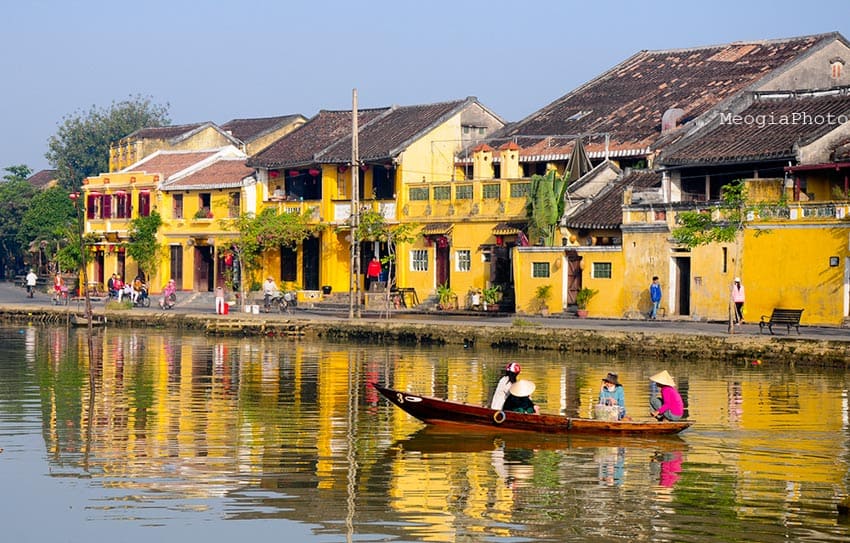
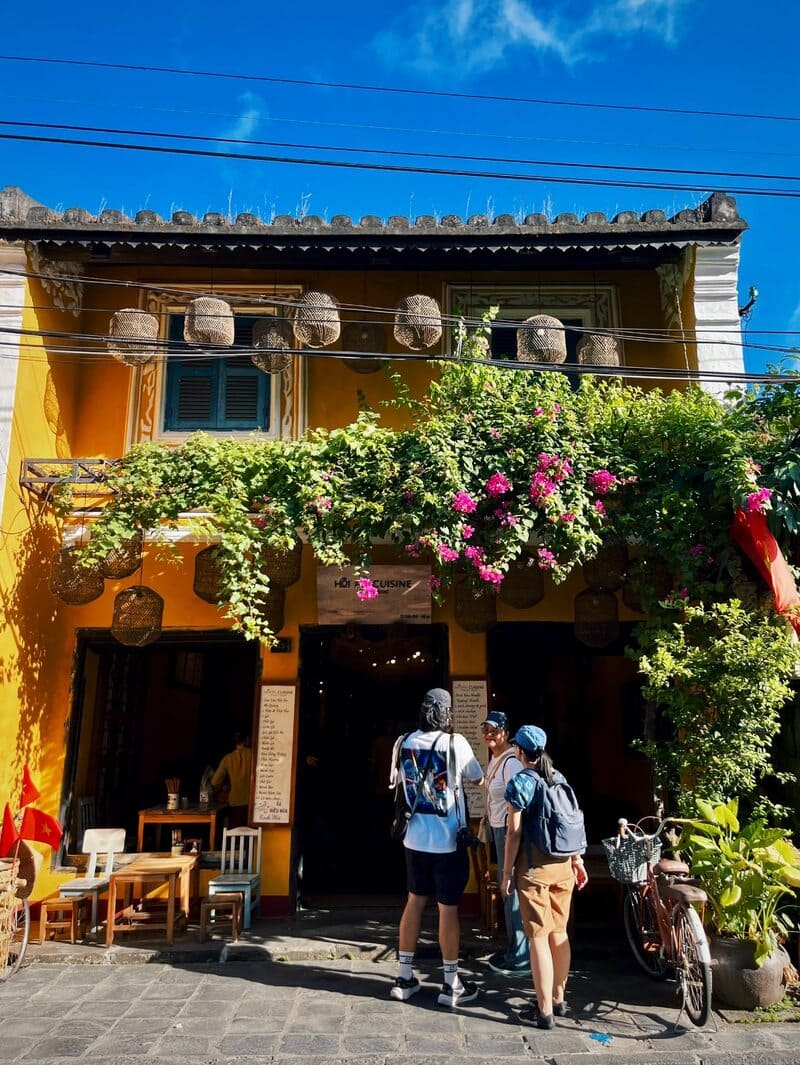
Color "mustard yellow" - typical color of Hoi An
Check the weather before planning beach or island trips
The best time for beach days in Hoi An is usually from mid-April to August, when the weather is warmer and the sea is generally calmer. From September to December, rain, rough seas and occasional flooding can affect beach stays, Cham Islands trips and outdoor activities.
That said, Hoi An is still worth visiting during the rainy season. The Ancient Town, museums, cafés, cooking classes, tailor shops and art galleries remain good options, but you should keep your schedule more flexible.
Visit the Old Town at the right time
Hoi An Old Town is at its most atmospheric in the evening, when lanterns light up the streets and the riverside becomes lively. However, this is also the busiest time of day, especially around sunset and early evening.
If you prefer a quieter first experience, visit the Old Town in the morning, when the streets are calmer and easier to explore. Late afternoon is also a good time for soft light, while after 9:30 pm, the crowds usually thin out and the town feels more peaceful again.
Know a few local etiquette tips
Dress modestly when visiting temples, pagodas and assembly halls.
Ask before taking close-up photos of locals.
Bargain politely in markets.
Bring small cash for vendors, boat rides and snacks.
Avoid blocking narrow streets just to take photos.
So, let's see now the must-sees of Hoi An.
Best things to do in Hoi An Old Town
Wander through Hoi An Ancient Town
The best way to experience Hoi An Ancient Town is to explore it slowly on foot. The Old Town is quite compact, with narrow lanes, yellow merchant houses, wooden shopfronts, bougainvillea, lanterns and small riverside corners that make it easy to wander without a strict plan.
Hoi An's special feature is its iconic yellow houses
and bright bougainvillea that adorn the facades
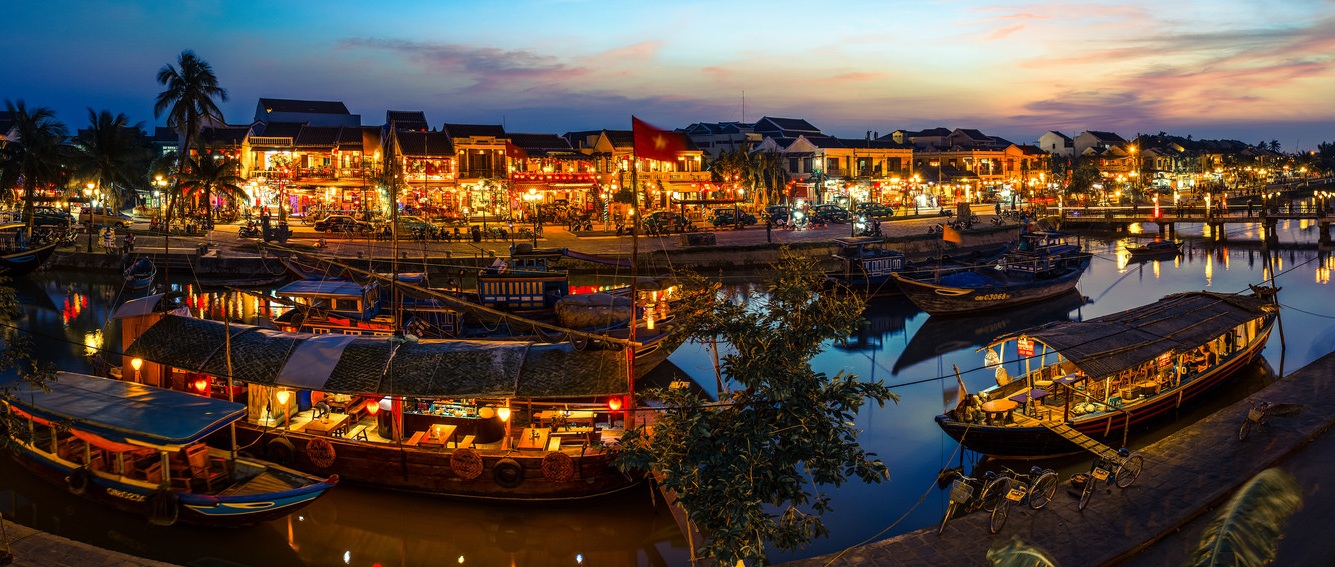
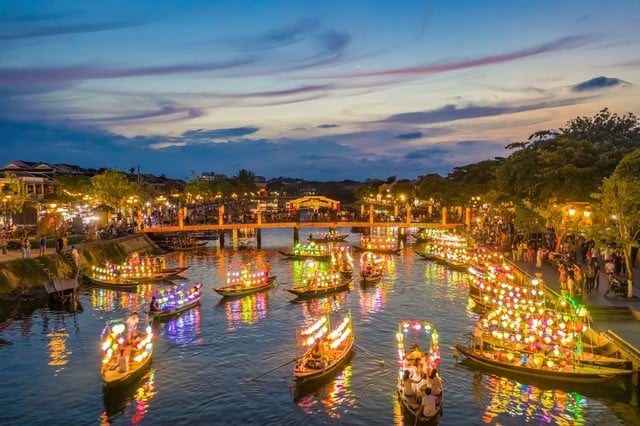
By day, it is a good place to notice the old houses, temples, cafés and quiet alleys. By evening, the atmosphere changes as lanterns light up the streets and the Hoai River becomes livelier. You can simply walk along the river, stop for a drink, or save the boat ride for later in the evening.
At nightfall, Hoi An is transformed into a magical place...
Visit the Japanese Covered Bridge
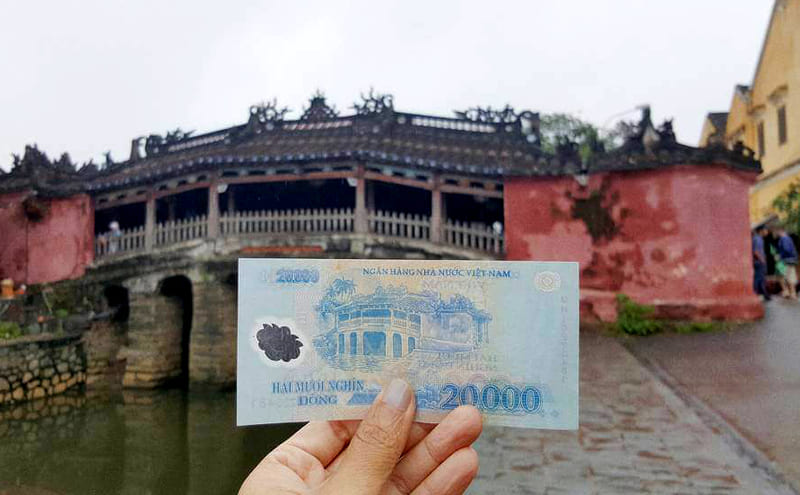
The Japanese Covered Bridge, also known as Chua Cau, is one of Hoi An’s most recognizable symbols. Built in the 17th century by Japanese merchants, the bridge reflects the town’s multicultural trading past, with Vietnamese, Japanese and Chinese influences visible in its design.
The image of the Japanese bridge is on the back of the 20,000 VND note from Vietnam
Made of wood and stone, it crosses a small canal in the Old Town and is known for its carved roof and quiet shrine inside. Its image also appears on the Vietnamese 20,000 VND note, showing how important this bridge is as a cultural symbol of Hoi An.
>>> Local tip: This is one of the most photographed spots in the Old Town, so visit early in the morning if you want a calmer view.
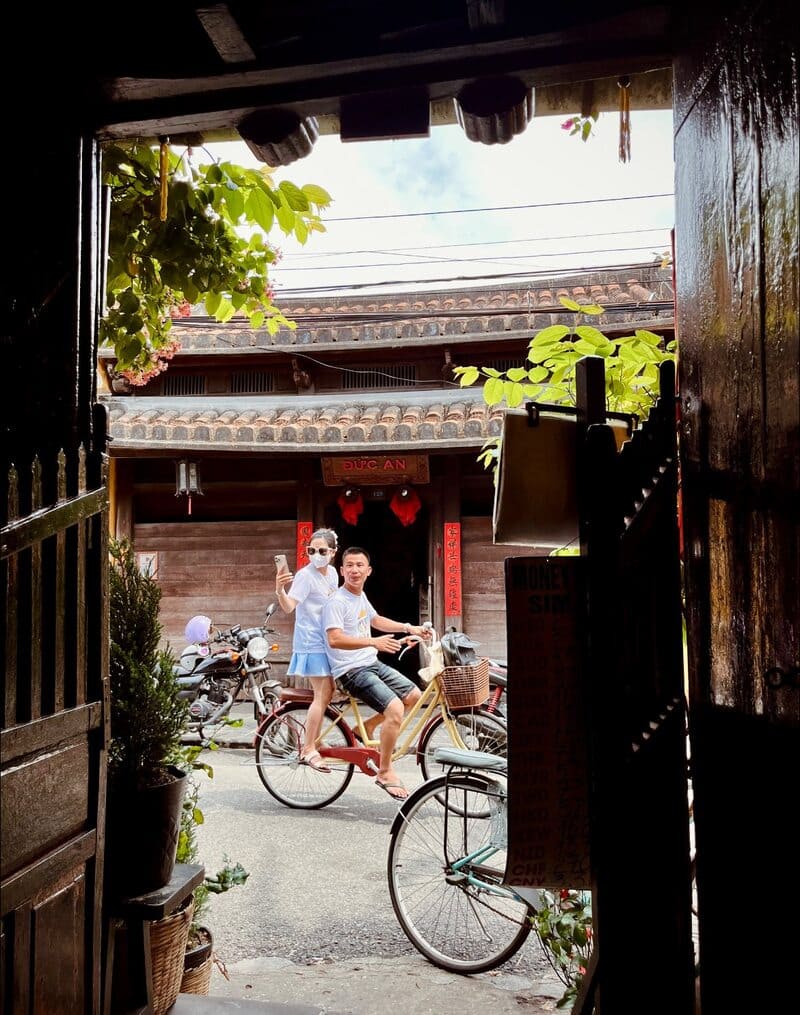
Hoi An’s ancient houses are among the best places to understand how local merchant families once lived and traded. Behind their yellow façades and wooden doors, you will find old furniture, family altars, courtyards, antiques and architectural details that reflect the town’s Vietnamese, Chinese and Japanese influences.
Tan Ky Ancient House (Address: 101 Nguyen Thai Hoc, Hoi An Old Town)
Tan Ky Old House is one of the most famous examples, dating back to 1741. Other houses such as Phung Hung, Quan Thang and Duc An are also worth visiting if you want a deeper look at Hoi An’s old trading life. Since these houses are all located inside the Old Town, you can easily visit one or two while walking through the historic center.
>>> Local tip: You do not need to visit every ancient house. If your time is short, choose one or two well-preserved houses and spend more time walking the surrounding streets.
Visit the assembly halls and temples
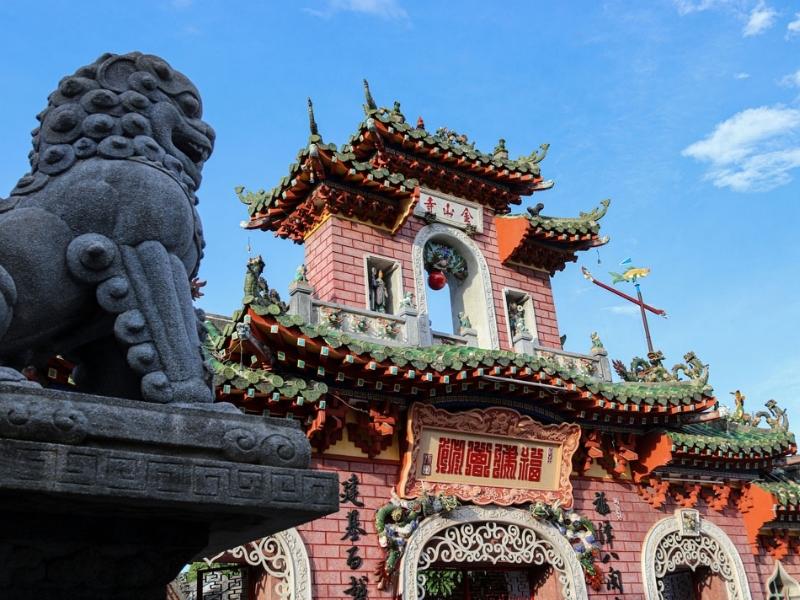
Hoi An’s assembly halls and temples show the influence of Chinese communities who once lived and traded in the town. Places such as the Fujian Assembly Hall, Cantonese Assembly Hall and Quan Cong Temple are worth visiting if you want to see more than the old merchant houses and lantern streets.
Fujian Assembly Hall in Hoi An
You do not need to visit every site, especially if you have limited time. Choose one or two that fit naturally into your walk through the Old Town.
>>> Local etiquette: Dress respectfully and keep your voice low inside sacred spaces.
Hoi An Museums
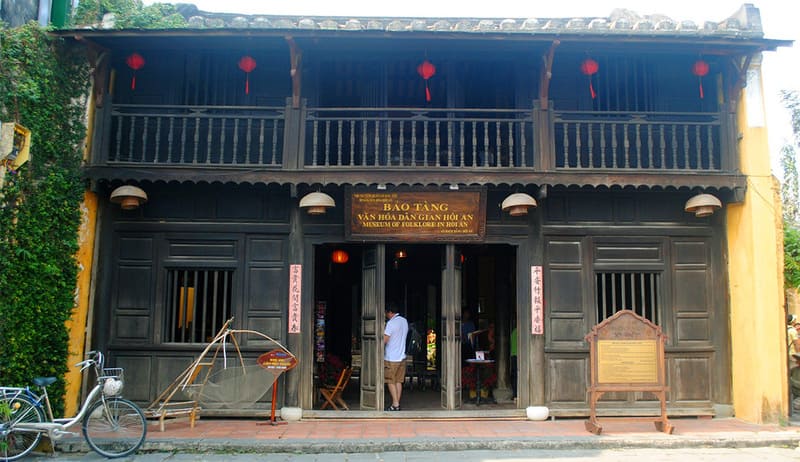
If you want more context beyond the lantern streets and old houses, visit one or two museums inside the Old Town. Many of Hoi An’s museums are set in traditional houses, displaying artifacts, documents and stories about the town’s trading history, local culture and everyday life through different periods.
Good options include Hoi An Museum, Sa Huynh Culture Museum, the Museum of Trade Ceramics and the Folklore Museum. You do not need to visit them all, but choosing one or two can make your walk through the Ancient Town more meaningful.
Folklore Museum in Hoi An Ancient Town
Visit Hoi An Central Market
Hoi An Central Market is a good stop if you want to see the daily rhythm of the town beyond its lantern streets. In the morning, the market is at its liveliest, with vendors selling fresh herbs, vegetables, spices, seafood and everyday ingredients used in local kitchens.
It is also a convenient place to try simple snacks, browse small souvenirs or notice the way local shopping still shapes daily life in Hoi An. You do not need to spend too long here, but a short visit can make your walk through the Old Town feel more local and less like a sightseeing checklist.
Stop by quiet cafés and art galleries
Between old houses, temples and busy market streets, Hoi An also has many quiet corners where you can slow down. Old house cafés, rooftop cafés and small tea houses are good places to rest, try Vietnamese coffee or simply watch the rhythm of the Old Town from above.
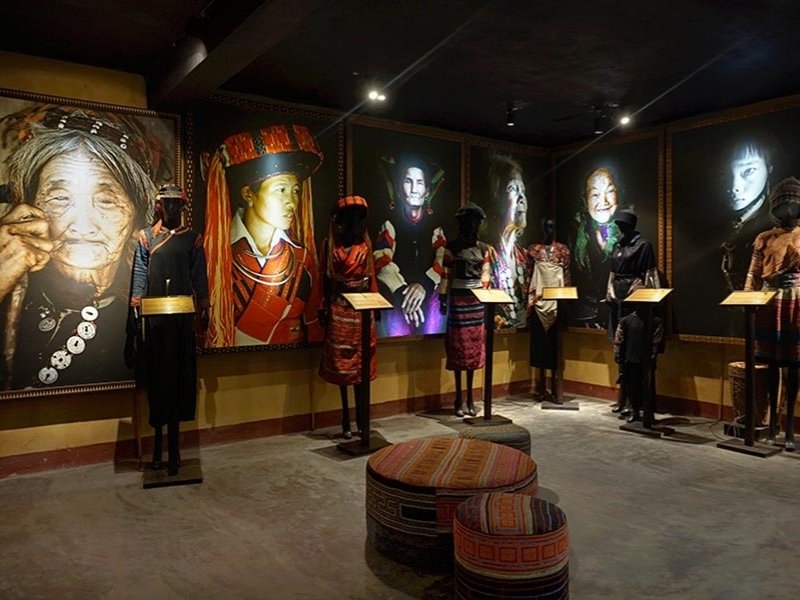
If you enjoy art, you can also stop by one of the galleries in the historic center. Réhahn Fine Art Gallery is a good option to add more cultural depth to your walk, especially if you want to see portraits, photography and stories connected to Vietnam’s people and traditions.
Things to do in Hoi An at night
See the lantern-lit streets after dark
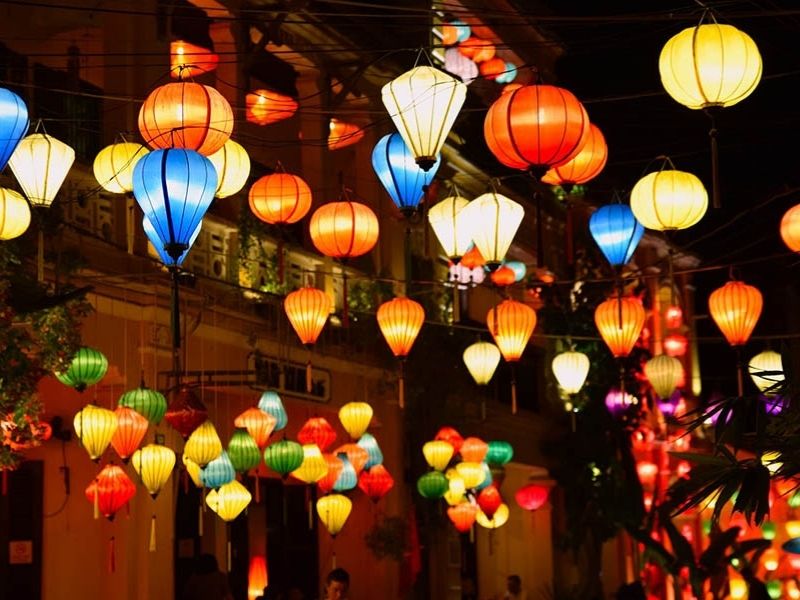
Hoi An is at its most atmospheric after dark, when hundreds of lanterns glow above the old streets, shopfronts and riverside lanes. The area around Nguyen Phuc Chu Street and the Hoai River is one of the best places to enjoy this scene, with lantern shops, small cafés, boats and evening walkers all adding to the town’s gentle energy.
The lanterns are not just decoration. In Hoi An, they are part of the town’s cultural identity, linked to luck, prosperity and the long history of exchange between Vietnamese, Chinese and Japanese communities. You can simply walk through the Old Town, stop for photos, browse lantern shops or continue toward the river for a short boat ride.
Release a floating lantern
Releasing a floating lantern on the Hoai River is one of the most popular evening experiences in Hoi An. Small paper lanterns are sold along the riverbank, and you can either release one from the edge of the river or do it during a short boat ride.
For many visitors, this is a simple but memorable moment: the river slowly fills with tiny lights, while the Old Town glows behind you. The activity is especially atmospheric around the Full Moon Festival, which takes place on the 14th day of the lunar month, but this is also when the area becomes much busier.
Walk through Hoi An Night Market
Hoi An Night Market is a lively evening stop near the Old Town, with lantern stalls, souvenirs, street food and small local shops. It is a good place to try snacks, buy simple gifts or enjoy the busier side of Hoi An after dark.
Experience the Full Moon Festival
On the 14th day of the lunar month, Hoi An Old Town becomes especially atmospheric. The streets are mostly pedestrianized, electric lights are reduced, and lanterns, folk games and floating candles bring a more traditional feel to the evening.
Releasing lanterns is a popular activity for many tourists when visiting Hoi An
It is one of the most beautiful times to see Hoi An at night, but also one of the busiest. If you prefer fewer crowds, visit on a regular weekday evening or travel outside the peak months of March and April.
Watch the Hoi An Memories Show
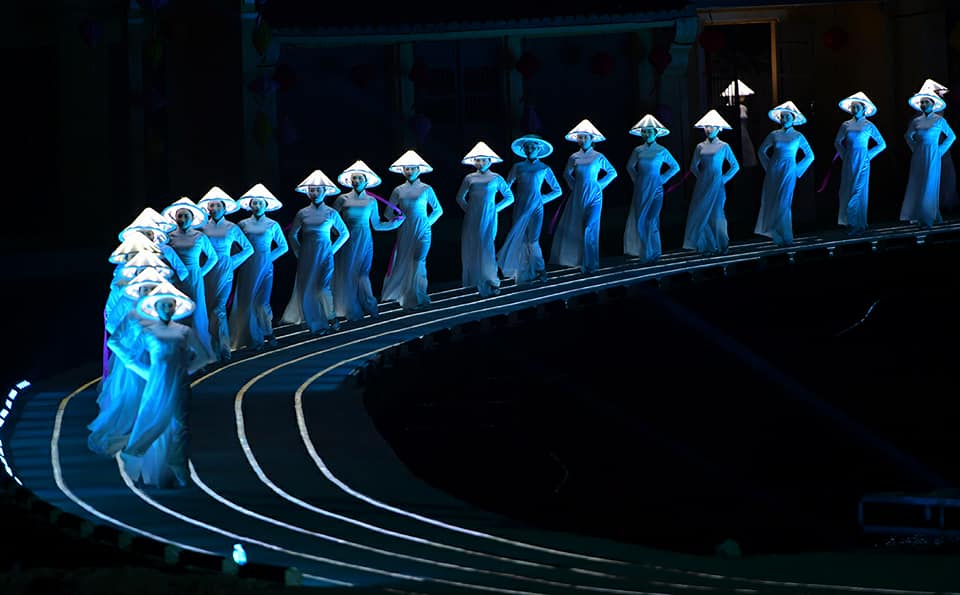
Hoi An Memories Show is a large outdoor performance that tells the story of Hoi An through music, dance, light and stage effects. It is a good option if you enjoy cultural shows and want to understand the town’s trading-port history in a more visual way.
Hoi An Memories Show
Unique things to do in Hoi An
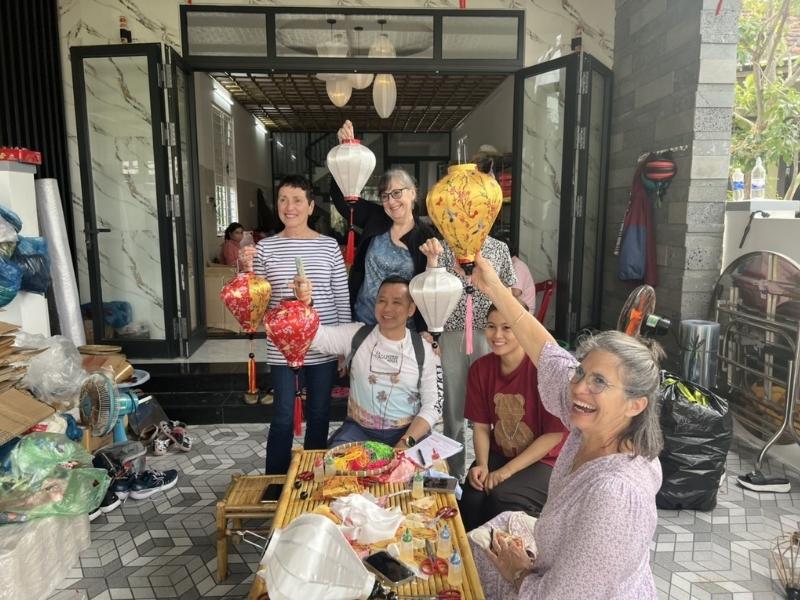
Make your own lantern
Lantern-making is the most family meaningful hands-on activities in Hoi An. Instead of only seeing lanterns glowing in the streets at night, you can learn how bamboo frames and colorful fabrics are shaped into one of the town’s most iconic crafts.
Many workshops let you make a small lantern yourself, often in Cam Chau or near the Old Town. It is simple, creative and easy to bring home as a souvenir.
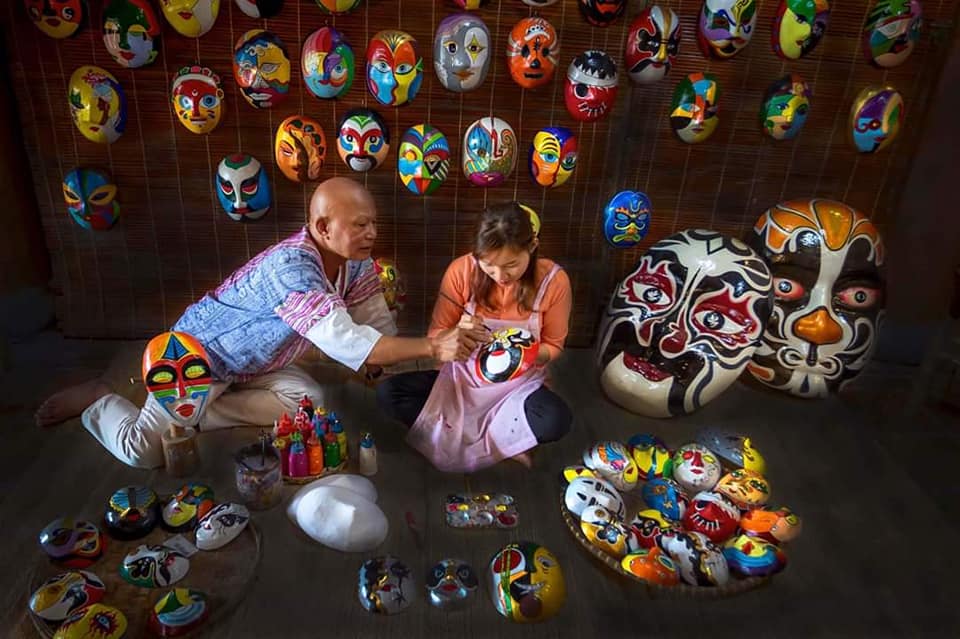
Try traditional mask-making
Traditional mask-making is a more unusual hands-on activity in Hoi An, especially if you are interested in Vietnamese performing arts. The masks are linked to tuong, also known as Vietnamese classical opera, where colors and facial expressions help show each character’s personality and emotions.
Create your own traditional mask in Hoi An: an unforgettable artistic experience
At workshops such as The Timing Masks Hoi An, travelers can learn about the meaning behind these masks and paint one themselves. It is a creative stop that adds something different to the usual Old Town walk, lantern photos and food experiences.
Visit Tra Que Vegetable Village
Tra Que Vegetable Village is a peaceful countryside stop near Hoi An, known for its fresh herbs, vegetable gardens and farming traditions. It is a good place to see a slower side of local life after exploring the busy Old Town.
If you have a green thumb and are a gourmet, put yourself in the shoes of a Vietnamese gardener
You can walk or cycle through the gardens, meet local farmers and, in some experiences, try simple farming activities before joining a cooking class with fresh ingredients from the village.
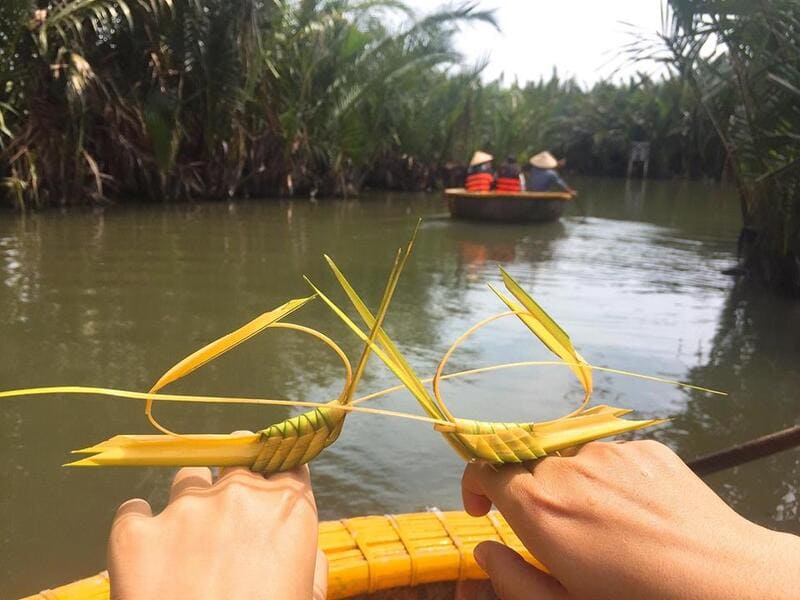
Explore Cam Thanh Coconut Forest by basket boat
Cam Thanh Coconut Forest is a popular half-day escape from Hoi An Old Town, known for its water coconut canals and round basket boats. During the ride, you can float through the green coconut groves, watch local fishing demonstrations and sometimes see playful basket boat performances.
Coconut leaf souvenirs
It is not the quietest or most untouched experience in Hoi An, but it can still be fun if you know what to expect.
Worth it if: You travel with family or friends and want a light, playful activity.
Skip it if: You prefer quiet countryside cycling or a more local, less touristy experience.
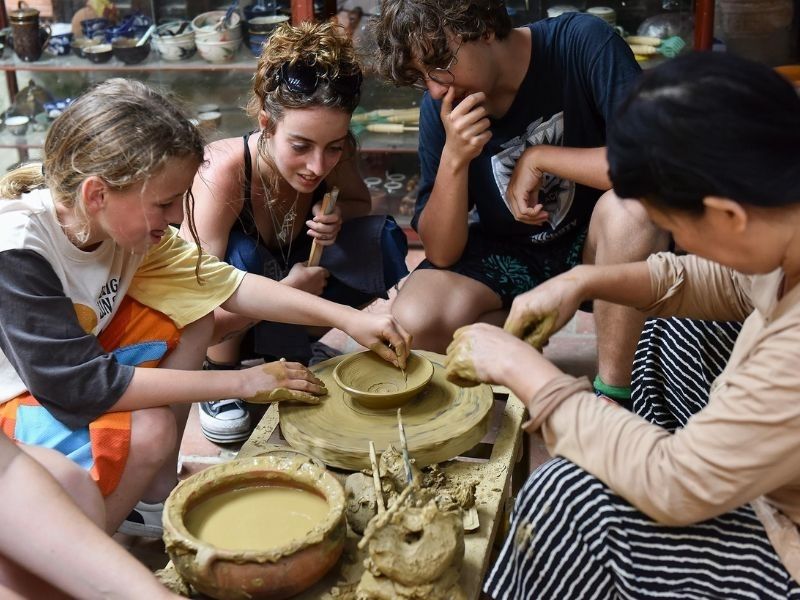
Visit Thanh Ha Pottery Village
Thanh Ha Pottery Village is a traditional craft village about 3 km from Hoi An Ancient Town. It is known for its long pottery-making history, peaceful village setting and hands-on workshops where you can watch local artisans shape clay and try making a small ceramic piece yourself.
It is a nice optional stop if you enjoy crafts, but not a must-do if your time in Hoi An is short.
Worth it if: you enjoy pottery, workshops or traveling with children.
Skip it if: you only have one day in Hoi An.
Take an excursion to the Cham Islands
What to do in Hoi An, Vietnam, if you're a beach enthusiast? This is an excellent day trip from Hoi An for all lovers of pristine sand, translucent waters, and a complete change of scenery. The Cham or Cu Lao Cham islands are located 20km off the coast of the old town of Hoi An. This archipelago consists of a group of 8 small islands that have become one of the 15 national marine reserves and have been recognized by UNESCO as a world biosphere reserve.
In this little island paradise, you can enjoy magnificent beaches and exceptional seabed. Scuba diving and discovering the traditional making of hammocks are among the essential activities not to be missed.
The Cham or Cu Lao Cham Islands
Relax on Hoi An's Beautiful Beaches
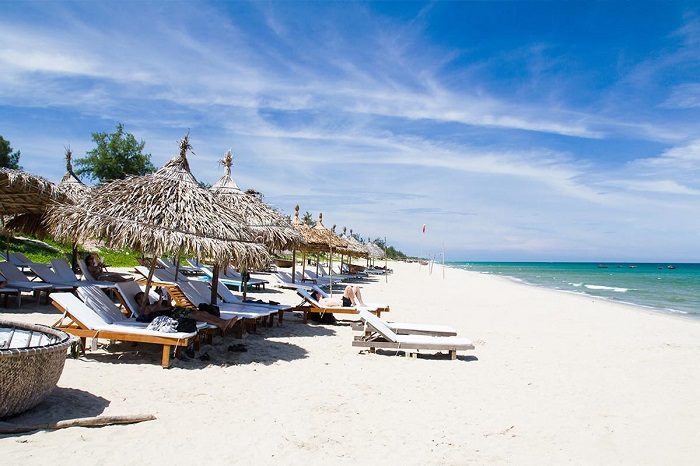
Hoi An is also famous for its beautiful sandy beaches surrounded by palm trees. Cua Dai and An Bang beaches, located just a 30-minute bike ride from Hoi An, are perfect for relaxing and enjoying water sports. From February to September, during the summer season, you can also enjoy its wonderful beaches located just a few kilometers from the city center.
An Bang Beaches, the most beautiful beach in Hoi An
In addition to their natural beauty, the two featured beaches also offer a wide choice of restaurants, whether Vietnamese or international, for visitors who want to eat during their sunny day or for a romantic dinner in front of the sea.
Visiting Hoi An cannot be done without discovering its culinary specialties, an essential aspect of Vietnamese culture! The city is a foodie’s paradise. Hoi An was something of a melting pot when it came to cuisine in particular, with incredible flavors. One of the traditional dishes you absolutely must eat is “cao lau”. The “cao lau” noodle dish is the best example, expressing both this cosmopolitan heritage and the soul of its region. These pastas have a reputation for being unique, made exclusively from ingredients only found in Hoi An and its surrounding areas.
Cao Lau, the culinary treasure of Hoi An
Another dish that is unique to Hoi An and worth trying is Xi Ma, a dessert. Xi Ma, also known as black sesame sweet soup, is a traditional dessert in Hoi An. This unique treat is made from ground black sesame seeds, rice flour, and a hint of Chinese medicine, resulting in a smooth, rich, and mildly sweet flavor. Often enjoyed as a warm and comforting dish, Xi Ma is cherished for its purported health benefits and its role in Hoi An's culinary heritage.
This dessert is often mistaken for being made from bamboo charcoal
In addition to Cao Lau and Xi Ma which is the most typical dish, you should also try Quang noodles, another typical dish from this region of Vietnam. Additionally, Hoi An chicken rice is also a dish you should try.
Besides discovering the unmissable dishes of Hoi An, don't forget to drink MOT herbal tea, a famous drink that can only be found in Hoi An. This local drink, prepared with tea and a unique blend of herbs like lemongrass, lemon and cinnamon, is a taste experience not to be missed. The tea cups are made of paper, the straws are made of bamboo and the drink is decorated with tea leaves and fresh lotus petals, for a pleasant presentation. “Nuoc MOT” (MOT herbal tea) with aromas and flavors found nowhere else in the world.
If you're looking for new flavors, don't miss MOT herbal tea
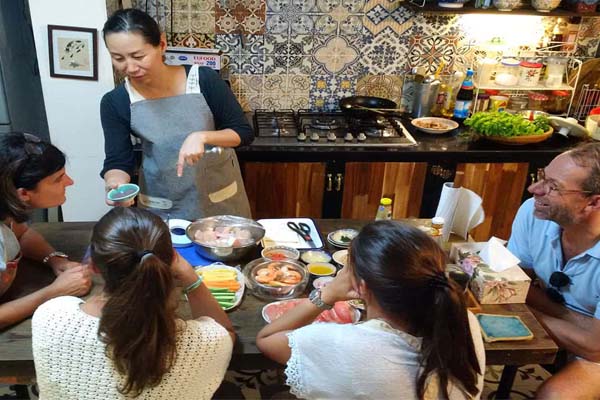
Take part in the cooking class in Hoi An
Hoi An is considered the new gastronomic capital of the country. Visitors can discover different tasty dishes by signing up for a cooking class. Hoi An offers a quality program with sightseeing activities combined with culinary experimentation sessions such as visiting local markets, area villages, excursions and demonstrations of planting and picking ingredients.
Hoi An's typical dishes are healthy, delicious and taken from everyday life. Taking a cooking class is one of the top ten travel experiences in Vietnam according to the Lonely Planet guide, so if you like culinary activities, this is a must-do activity in Hoi An.
The sessions take place in a restaurant in the company of a chef-instructor and a English-speaking guide. Steps include visiting a local market to choose ingredients, cooking traditional Vietnamese dishes with the instructor and active student participation, followed by tasting the prepared foods.
Participants can keep notes and recipes to reproduce the dishes at home later
Experience custom tailoring in Hoi An
As you stroll through the streets of Hoi An Old Town, you will be struck by the abundance of fabric and fashion boutiques. But what truly sets Hoi An apart is the presence of tailors in every fashion store. They design and make tailor-made clothing, meeting the needs of customers, particularly foreign tourists. Each boutique houses several tailors and designers, and some even have specialized workshops.
The tailor-made pieces worked by several tailors in Hoi An are internationally recognized
During your visit to Hoi An, don't miss the opportunity to immerse yourself in this fast-paced tailoring culture. In no time, you can walk away with a stunning made-to-measure garment, crafted to your desires, all at an affordable price. Don't miss this chance to discover the art of tailor-made sewing at your fingertips during your visit to Hoi An.
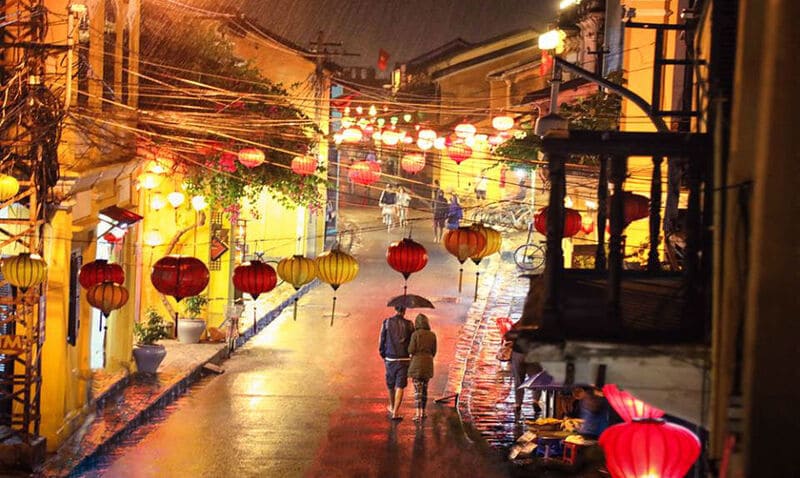
Don't be sad if you arrive in Hội An and it rains. It is an opportunity to discover a different side of the beauty of this city. Hội An in the rain exudes a calm, romantic and slightly melancholic atmosphere. The ideal activities to do in Hội An when it rains are to enjoy a cup of fragrant Vietnamese coffee or tea in one of the charming cafes in the old town while admiring the rain.
Hội An in the rain exudes a calm, romantic atmosphere
If you are an art lover, this is also an opportunity to take your time and immerse yourself in Vietnamese art by visiting the art galleries in the old town. Hoi An Old Town prides itself on having a variety of art galleries that display exceptional works by renowned artists from across Vietnam. The paintings and photographs presented here reflect the traditional culture of Vietnam, with its lush nature, traditional people and costumes, as well as its villages and iconic sites.
Réhahn Fine Art Galleries (7 Nguyen Hue Street, Hoi An Old Town)
Each art gallery in the heart of Hoi An Old Town offers visitors a unique artistic experience, inviting them to discover and appreciate the diversity and colors of Vietnamese art.
To fully experience these highlights without the hassle of planning, consider our Vietnam comprehensive tours, where every detail is taken care of with your comfort and enjoyment in mind.
When are the best times to visit?
Knowing the Hoi An weather is essential if you want to visit this historic city. The city is located in central Vietnam and is affected by the monsoon season which occurs during the rainy season. The other times of the year the weather is hot and dry.
The dry season runs from January to July
In January till early March every year is the period when climate changes quite favorably for visitors. Therefore there is no need at all to mind climate change as it only affects them positively but between mid-March and July it becomes so hot.
In addition, it is advisable to avoid April 30 and May 1, as it is one of Viet Nam's biggest national holidays (Reunification Day), and all Vietnamese are on vacation and travel during this period.
The rainy season runs from August to December
It changes every year but normally in November, there are heavy rains and flooding in Hoi An, which only lasts for a few days, but not for the whole month. Hoi An appears differently during flood season as its alleys that were once only meant for scooters or walking become canals. Instead of using scooters or bicycles we use boats to move around!
Rainy season in Hoi An
If it rains don’t be disappointed; it’s a time to perceive the city differently. The rain makes it more alluring because of its soothing depressive romantic ambiance. This is an opportunity to have Vietnamese coffee or tea at an antique café within the old town while watching the rain fall down.
Our Recommended Travel Routes to Explore Hoi An
Itinerary 1: Heritage and Traditions in Hoi An
Day 1: Discover the Charms of Hoi An
Morning: Kick off your Hoi An itinerary with a guided bike tour through the Old Quarter, a must-do to experience Hoi An's rich culture and local crafts.
Gourmet Break: Delight in authentic Vietnamese cuisine at a café renowned for its coffee and tea, capturing the essence of Vietnamese culture.
Afternoon: Venture into the surrounding villages where you can immerse yourself in the daily life and traditional practices that define Vietnamese culture.
Evening: Conclude your day with a serene boat trip on the Thu Bon River, a perfect reflection of Hoi An's peaceful ambiance.
Spend a relaxing day at the pristine Hoi An beaches, ideal for those looking to unwind and enjoy the scenic views that Vietnam travel offers.
Day 3: Cultural Expedition to Hue
The journey to the city of Huế is feasible and offers a different perspective, as it is an ancient city rich in imperial monuments. With its imperial city, royal tombs, and palaces, the impression of returning to past centuries is striking. The trip from Hoi An to Huế takes about 3 hours.
The Art of Lantern Making in Cam Chau Village
Itinerary 2: Countryside and Crafts Around Hoi An
Day 1: Engage with Local Traditions
Morning: Explore Van Lang village and the iconic coconut forests in a traditional basket boat, reflecting the unique aspects of Hoi An things to do.
Afternoon: Visit Tra Que village, a short journey from Hoi An, where you can participate in organic farming—a hands-on experience of Vietnamese culture.
Evening: Return to Hoi An’s Old Quarter, where the nightlife buzzes with culture and history.
Day 2: Beach Day in Hoi An
Like the previous itinerary, enjoy the tranquility of Hoi An beaches, a highlight for anyone’s Vietnam travel itinerary.
Day 3: Explore Ancient and Nearby Attractions
Visit the My Son Sanctuary, an essential part of any Hoi An itinerary for those interested in historical sites and ancient civilizations. This site offers a deep dive into the spiritual heritage of the region, akin to Cambodia's Angkor temples but uniquely Vietnamese.
The distance between Hanoi and Hoi An is about 740 km, which will take up to 13 hours to drive from Hanoi to Hoi An. The distance between Ho Chi Minh City and Hoi An is approximately 950 km; a drive from Ho Chi Minh City to Hoi An takes nearly 15 hours. The duration may vary based on the transport mode.
However, we do not advise you to go to Hoi An from Hanoi and Ho Chi Minh City because the journey is quite long and can become tiring.
By plane
Flying from Ho Chi Minh City (Saigon) or Hanoi is the quickest option. The journey takes only 1 hour to Danang Airport. Hoi An is 30 km from the latter, you can take a car, bus, or shuttle to get to Hoi An.
If you arrive at Danang Airport, the best way to get to Hoi An is to take a car. However, be careful with taxis, as they can inflate prices and charge high tips. We therefore recommend that you rent a car directly from Danang Airport. You can obtain information from your travel agency or hotel. Alternatively, you can also look for shuttle buses to go to Hoi An.
By train
Many trains depart from Hanoi or Ho Chi Minh City to Danang. Then, to reach Hoi An, you will need to take a bus or taxi. The train journey can take several hours, but it offers a unique experience, especially if you opt for an overnight cabin. This will also save you a night in a hotel. Although the speed is slow, the train ride offers the opportunity to admire the beauty of the Vietnamese countryside, with its rice fields and green mountains.
To buy a train ticket online in Vietnam, it is recommended to visit the official website of Vietnam Railways at https://dsvn.vn/
By bus
An interesting option for travelers on a budget is to take the night sleeper bus. There are sleeper buses that connect Hanoi or Ho Chi Minh City to Hoi An, however, this option is very long-lasting and it is important to note that it does not offer more safety in terms of traffic than the other options mentioned above.
The journey to Hoi An is one of the most beautiful train journeys in Vietnam
In Hoi An, you have a wide range of accommodation options, from budget choices to luxury accommodations. It is crucial to choose carefully to ensure a pleasant experience during your visit. To do this, consult reputable hotel reservation sites such as Booking, Agoda, etc. Don't forget to take into account the opinions of other travelers regarding the establishment that interests you, and do not hesitate to directly contact the hotel of your choice to ensure all the details.
Among all the options available, we have selected three hotels particularly appreciated by our travelers:
La Siesta Hoi An Resort & Spa:
Address: 132 Hung Vuong, Thanh Ha, Hoi An, Vietnam
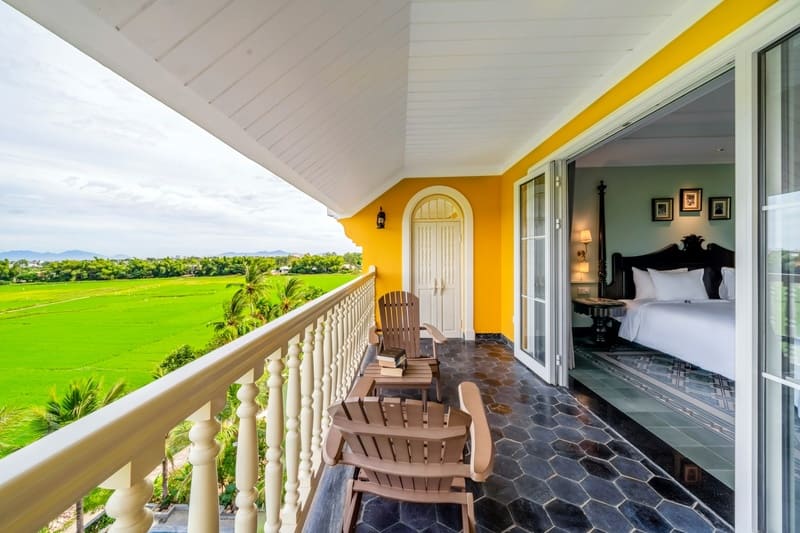
Just a 10-minute walk from the center of Hoi An Old Town, La Siesta Hoi An Resort & Spa offers an oasis of natural beauty. Nestled in a lush tropical garden, this resort is an ideal hideaway to escape from the chaos of life and find peace in absolute privacy. With its harmonious marriage of modern architecture and traditional Vietnamese charm, the 137 rooms offer an elegant resort experience in the heart of nature. Additionally, the resort offers 4 swimming pools for cooling off and relaxing.
La Siesta Hoi An
Little Hoi An:
Address: 02 Thoai Ngoc Hau, Hoi An
Little Hoi An is a boutique hotel located in the center of Hoi An Town. This hotel offers an authentic ambiance with an inspiring history of Faifo Town, which has stood the test of time. The design of the hotel is rustic and charming, reflecting the ancient town of Hoi An.
Little Hoi An
Hoi An Boutique Resort:
Address: 34 Lac Long Quan, Cam Chau, Hoi An
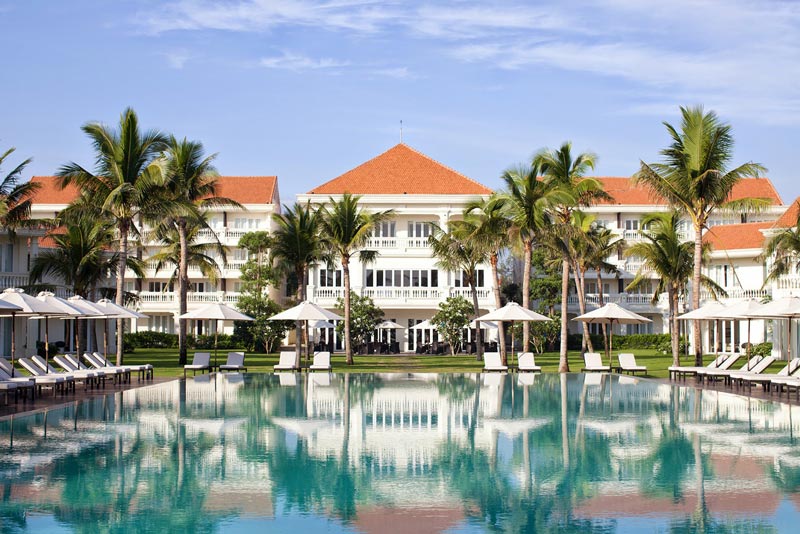
Boutique Hoi An Resort is a haven of peace and relaxation nestled on a sandy beach by the sea. The spacious villas offer stunning ocean views, while the large private terraces are the ideal place to relax and enjoy the sea breeze. The lush tropical gardens surrounding the swimming pool invite relaxation and contemplation. If you are a sea lover, Boutique Hoi An Resort is the ideal place for you.
Releasing lanterns is a popular activity for many tourists when visiting Hoi An
Exploring Hoi An promises an immersive adventure. The alleys illuminated by lanterns and historic houses transport you to a culturally rich past. Whether you aspire to delve into history, savor the local cuisine, or relax on the beaches, Hoi An offers a varied and captivating experience. We hope this comprehensive guide will help you prepare for an in-depth exploration of this world heritage - Hoi An. Enjoy every moment to the fullest and let yourself be immersed in the timeless beauty of this unique destination!
>>> See more about things to do in Vietnam by month:












 Our team
 Our team
 Our team
 Our team

.jpg)
.jpg)

.jpg)
.jpg)
.jpg)
.jpg)
.jpg)
.jpg)
.jpg)
.jpg)


(1).jpg)
.jpg)
.jpg)
.jpg)

.jpg)
.jpg)


 Other
Other Add us as a preferred source