Hanoi to Ha Giang Travel Guide: Bus, Limousine, Private Car or Motorbike?
There's no shortcut into Ha Giang. No airport, no railway, no fast train link – just around 300 km of highway and mountain road separating Hanoi from Vietnam's wildest northern province. That single fact shapes almost every planning decision you'll make, from which bus company to book to whether you fly into Hanoi a day early.
This guide covers every practical way to make the trip, current 2026 prices, and how to time your arrival so you're not wasting a day of your Ha Giang Loop recovering from the ride up.
Written by Trang Nguyen (Local Expert)
Updated on Aug 04, 2026
0 comment
Trang Nguyen has lived in Vietnam for nearly three decades and spent much of her life exploring Asia. She has joined numerous field trips, stayed with ethnic communities in the northern mountains, and gained deep insights into local cultures and landscapes. Her writing reflects an honest passion for authentic travel and meaningful connections. If you have any questions about her journeys, feel free to reach out and leave a comment!
Ha Giang City sits roughly 300 km (186 miles) north of central Hanoi, close to the Chinese border. There's no train connection and no airport in Ha Giang province, so the road is the only way to get there – the nearest railway station is in Lao Cai, itself about 200 km from Ha Giang City, which makes it a poor substitute.
The route runs north out of Hanoi on Highway QL2, passing through Tuyen Quang, Bac Quang, and Vi Xuyen districts before reaching Ha Giang City. Most of the drive is flat, well-paved highway; the mountain switchbacks don't really start until you leave the city and head toward the Dong Van Karst Plateau itself.
Ha Giang sits about 300 km north of Hanoi, close to the Chinese border
4 Ways to Travel from Hanoi to Ha Giang
Sleeper Bus (Best for Most Travelers)
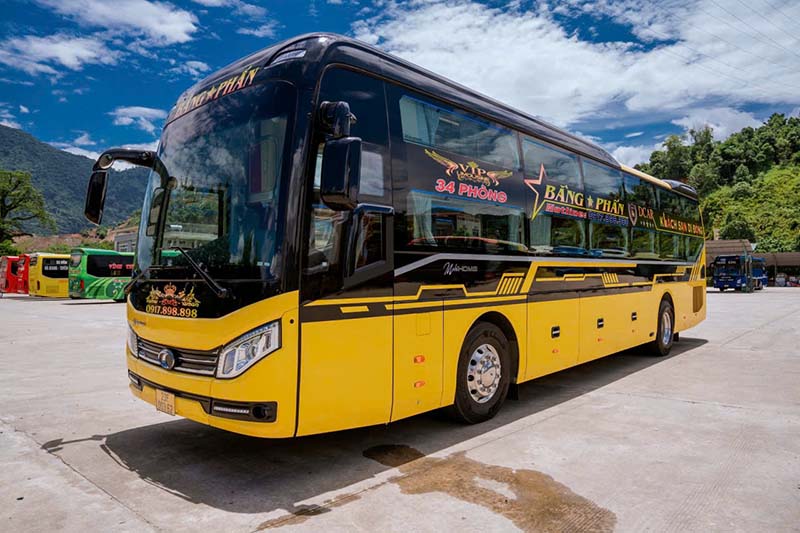
This is how the vast majority of backpackers and Loop riders make the trip. Overnight sleeper buses leave Hanoi in the evening and arrive in Ha Giang City before sunrise, which means you lose zero daylight to transit.
Price: ~$15–20 USD (350,000–500,000 VND) one-way
Time: 6.5–8 hours overnight
Best for: Budget and mid-range travelers, solo riders joining a Loop tour
Night buses typically depart between 8:15 PM and 10:00 PM, arriving in Ha Giang early the next morning. Buses pick up from several points around Hanoi's Old Quarter and the main stations – My Dinh, Gia Lam, Giáp Bát, Nước Ngâm, and Yên Nghiĩa are the usual departure hubs. Reputable operators can be compared and booked online through ticket platforms before you pay.
Sleeper buses run overnight, so you arrive in Ha Giang without losing a day of your trip
Limousine Van or VIP Cabin Bus (More Comfort, Same Route)
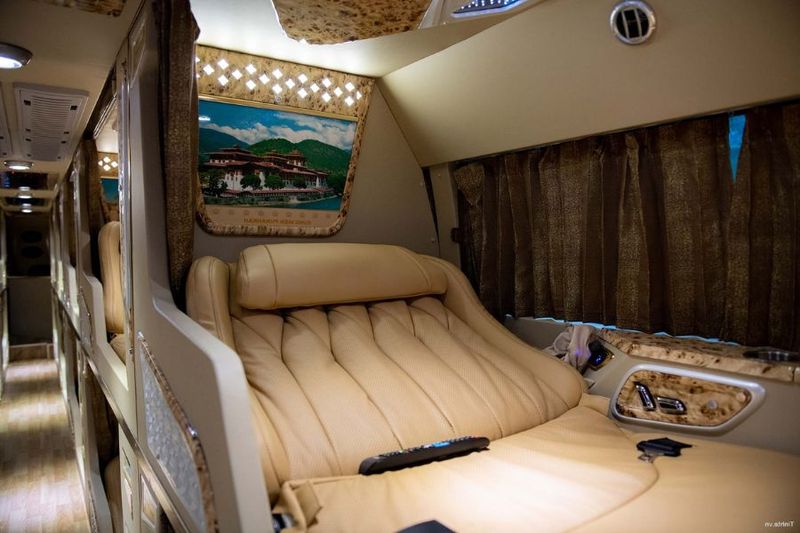
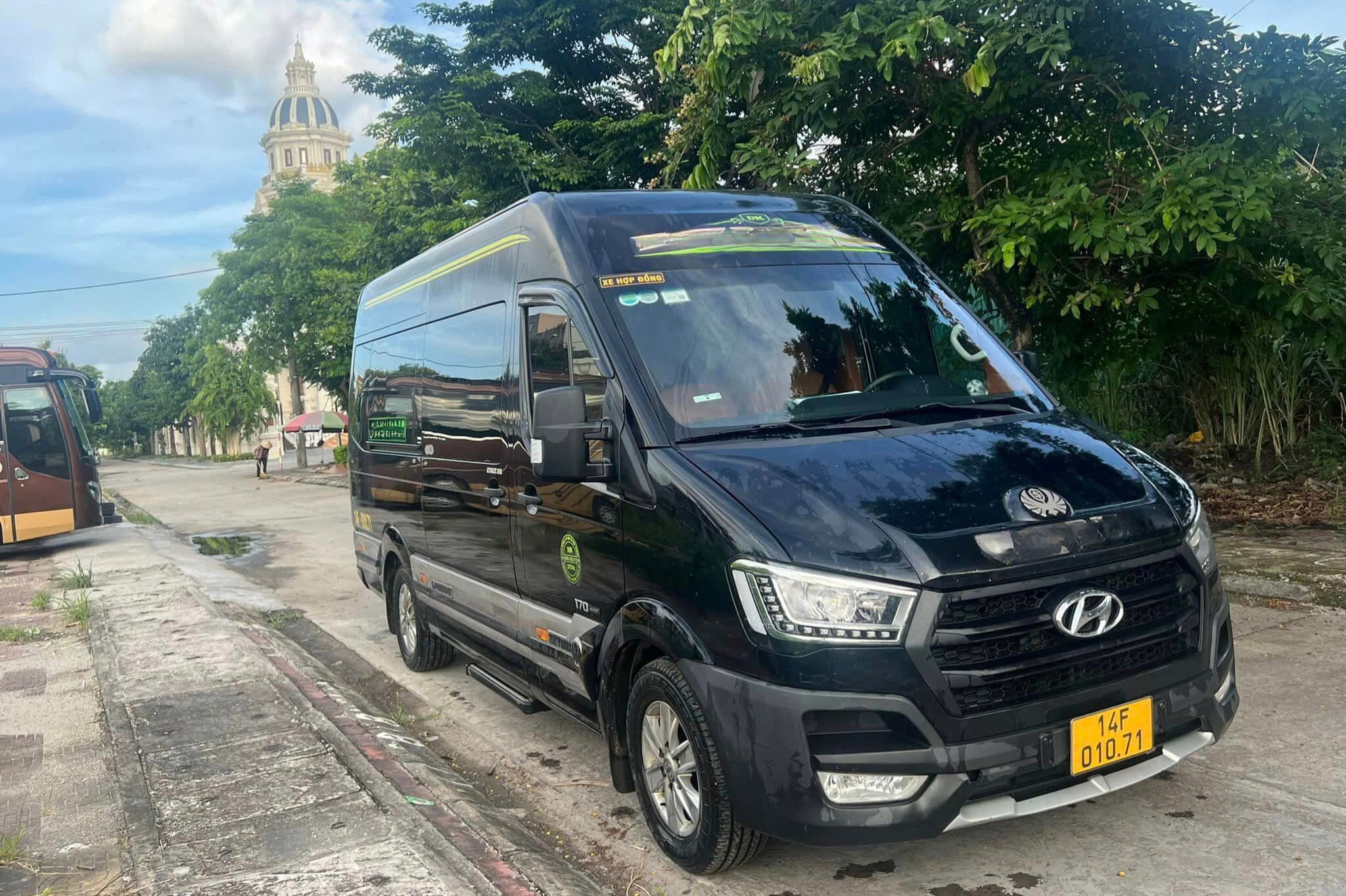
If a shared sleeper bed sounds claustrophobic, limousine vans and VIP cabin buses run the same route with fewer, larger seats and a bit more privacy – some cabin buses even curtain off individual pods.
Price: ~$18–26 USD (400,000–600,000 VND) one-way
Time: 6–7 hours
Best for: Couples or travelers who want daytime departures and a smoother ride
Day departures run roughly hourly through the morning, so you're not locked into an overnight schedule if you'd rather arrive in daylight and start exploring right away.
Private Car (Maximum Flexibility)
For groups of four or more, a private car often works out close to bus prices per person while cutting the travel time and letting you stop for photos along the way.
Price: ~$100–200 USD per vehicle, one-way, depending on car size
Time: ~6 hours, fewer stops than a public bus
Best for: Families, small groups with luggage, or anyone wanting a same-day connection from Hanoi's airport
This works out economically for a group of four or more, and many Ha Giang tour operators can arrange the transfer as part of a Ha Giang Loop package rather than booking it separately.
Self-Drive Motorbike (Experienced Riders Only)
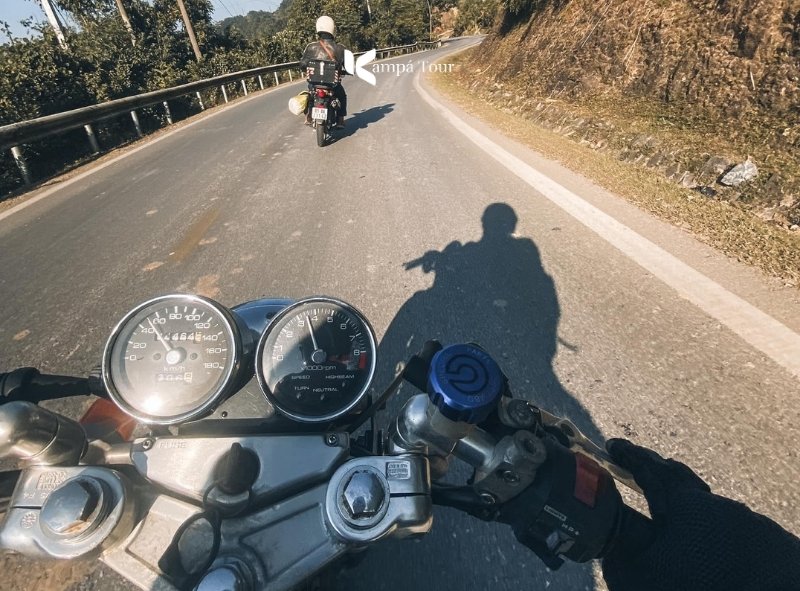
Some riders choose to ride the entire way from Hanoi rather than taking a bus with their rented bike loaded on top. It's doable, but it's a long, unglamorous highway slog before you even reach the scenic part of the Ha Giang Loop.
Price: Motorbike rental from ~$15–20/day, plus fuel
Time: 7–9 hours of riding
Best for: Confident riders with a valid international driving permit who want to skip the bus entirely
Most visitors instead take an overnight bus to Ha Giang City and rent or start their motorbike loop from there – it saves a full day of tarmac riding for the mountain roads that actually make the trip worthwhile.
Keep in mind that to legally rent and ride a motorbike in Vietnam, foreign visitors generally need a valid International Driving Permit (IDP) that is recognized under the 1968 Vienna Convention, together with their home country's motorcycle licence. Without the appropriate licence, you may face fines, have limited insurance coverage, and rental companies may refuse to rent you a bike.
Mode
Price (USD)
Time
Best For
Sleeper Bus
$15–20
6.5–8 hrs
Budget travelers
Limousine / VIP Cabin
$18–26
6–7 hrs
Comfort seekers
Private Car
$100–200/vehicle
~6 hrs
Groups, families
Self-Drive Motorbike
$15–20/day + fuel
7–9 hrs
Experienced riders
Getting from Noi Bai Airport to Ha Giang
If you're flying straight into Hanoi and skipping the city center, a few operators offer direct airport pickup for the Ha Giang route, though seats are more limited than the city-center departures.
Most travelers still transfer into Hanoi first, since the majority of buses and private cars depart from Old Quarter pickup points. If your flight lands in the afternoon, booking an overnight sleeper bus the same evening is the most efficient way to avoid an unnecessary hotel night in Hanoi.
Noi Bai International Airport
When You Get There: What the Journey Is Building Toward
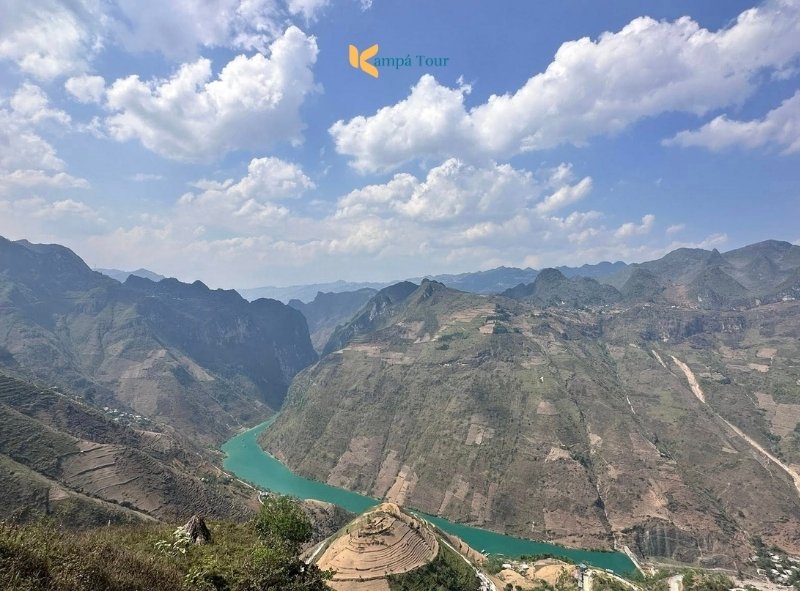
The drive itself is mostly flat highway until you're well past Ha Giang City. The real scenery – the switchbacks of Ma Pi Leng Pass, the terraced valleys around Hoang Su Phi, and the stone plateau villages near Dong Van – sits inside the Dong Van Karst Plateau, Vietnam's first UNESCO Global Geopark, recognized in 2010.
The park is dominated by limestone formations covering roughly 60% of the region, with a geological history spanning more than 550 million years, and it's officially documented on UNESCO's Global Geoparks page. That's the landscape the long bus ride up from Hanoi is buying you access to – it starts well after the city limits, not on the highway itself.
Ha Giang vs. Sapa: A Quick Note
Travelers often debate whether to spend their limited days in Sapa or Ha Giang. They're different trips – Sapa is more developed and easier to reach, while Ha Giang is rawer and better suited to multi-day motorbike loops. If you're still deciding, our Sapa or Ha Giang comparison breaks down which one fits your travel style.
Practical Tips for the Journey
Book sleeper buses a few days ahead during flower season (roughly September–November) and around Tet, when seats sell out fast and prices can spike.
Bring a light jacket even on a summer bus – overnight air conditioning on sleeper coaches runs cold.
Confirm your exact pickup point. Some operators collect from your hotel in the Old Quarter; others require you to reach a specific station.
Pack light for the overnight ride. Luggage space on sleeper buses is limited, and you'll want a small daypack accessible for the ride.
If riding a motorbike, carry an International Driving Permit. Checks on foreign riders have increased in recent years, particularly around border areas like Ha Giang.
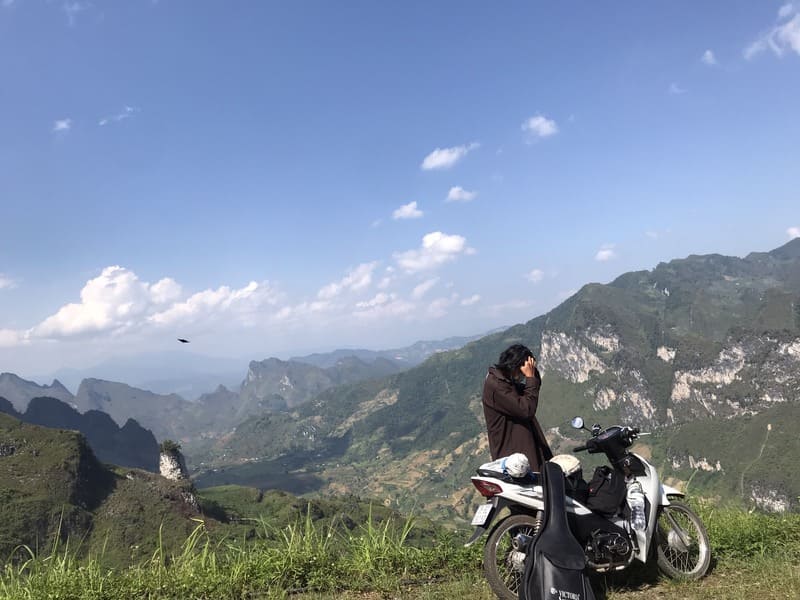
The road up from Hanoi is the gateway to the Ha Giang Loop
Frequently Asked Questions
How long does it take to get from Hanoi to Ha Giang? Around 6.5 to 8 hours by sleeper bus, or roughly 6 hours by private car or limousine van, depending on traffic and weather.
Is there a train or flight to Ha Giang? No. Ha Giang province has no airport and no train station – road transport is the only option, with the nearest railway station in Lao Cai about 200 km away.
What's the cheapest way to get from Hanoi to Ha Giang? A standard sleeper bus ticket, typically $10–15 USD one-way, is the most affordable option and the one most backpackers use.
Can I ride my own motorbike the whole way from Hanoi? Yes, but most riders take an overnight bus to Ha Giang City instead and start their loop from there, saving a long day of highway riding for the scenic mountain roads.
Should I book my Ha Giang transport with a tour operator? Booking through a tour operator, especially if you're already arranging a Ha Giang Loop tour, is often more reliable than booking transport separately, since pickup times are coordinated with your itinerary.
Whichever transport you choose, treat the ride up as a transition, not a highlight – the real reason to make this trip is what's waiting past Ha Giang City: the Hmong villages, terraced valleys, and switchback passes that have made the Ha Giang Loop one of the most talked-about rides in Southeast Asia.
✈️Explore other attractions in the north of Vietnam:
Planning your trip?
Save time and get expert advice for FREE!
✅ 15 years of local experience
✅ Save up to 40 hours of planning
✅ Travel stress-free from start to finish
Book your free consultation today!






















 Our team
 Our team
 Our team
 Our team



(1).jpg)


 Other
Other Add us as a preferred source