16 Best Souvenirs to Buy in Vietnam: A Local Shopping Guide
Finding things to buy in Vietnam is easy. Deciding what truly deserves space in your suitcase is harder.
A good souvenir should be more than inexpensive or recognizably Vietnamese. It should suit the person receiving it, be worth the price and survive the journey home. Some of the most appealing purchases also require a closer look, as materials, craftsmanship and quality can vary considerably between sellers.
From everyday gifts to regional crafts and more valuable purchases, this guide will help you decide what is genuinely worth bringing home, what to check before buying and which souvenirs may be better left in the shop.
Written by Oliver PHUNG (Tour Guide)
Updated on Jul 30, 2026
8 comments
Oliver Phung is a Northern Vietnam-based tour guide and blogger. His favorite topics to write about include cuisine, culture, travel, and under-the-radar experiences. Oliver possesses a deep, detailed understanding of the region, from the indigenous culture of the Hmong in the Northwest to the highland lifestyle of the Tay in the Northeast. Whether he is exploring ancient architecture or geological landscapes, he is always eager to share his insights with his readers.
Beyond his work at Kampá Tour, he produces specialized travel content on platforms such as Reddit, Instagram, LinkedIn, and various other publications.
In a hurry? Choose coffee and a phin for an easy gift, supermarket snacks for colleagues, tailored clothing for something practical, indigo textiles for a handmade keepsake or lacquerware for the home.
Price note: The ranges below are broad shopping guides checked in July 2026. Actual prices vary according to material, craftsmanship, size, seller and customization.
Best things to buy in Vietnam at a glance
What to buy
Broad price guide
Best for
Coffee and a phin filter
100,000–500,000 VND
An easy gift for almost anyone
Tea, snacks or spices
30,000–300,000 VND
Colleagues and small gifts
Silk scarf or accessory
150,000–1,000,000 VND
Something light and wearable
Tailored clothing or áo dài
500,000–4,000,000 VND+
A personal, practical purchase
Indigo textiles or embroidery
120,000–2,000,000 VND+
A meaningful handmade item
Leather goods
300,000–2,500,000 VND+
A useful souvenir from Hoi An
Lacquerware or ceramics
100,000–3,000,000 VND+
Home décor and tableware
Lanterns, prints or dó paper
50,000–500,000 VND
Lightweight decoration
Pearls or jewelry
From 500,000 VND
A premium gift
Food and drink souvenirs
Vietnamese coffee and a phin filter
For most travelers, Vietnamese coffee and a small phin filter are the easiest souvenirs to recommend. They are widely available, closely connected to local daily life and simple to pack.
Traditional Vietnamese coffee is often made with Robusta beans, which produce a stronger and more bitter cup than Arabica. Pure Robusta suits someone who enjoys dark, intense coffee. For a milder flavor, choose Arabica from Đà Lạt or a Robusta-Arabica blend.
Ground coffee is the most convenient option for someone who wants to recreate Vietnamese-style coffee at home. Whole beans are better for people who own a grinder, while instant sachets work well as inexpensive gifts for colleagues.
Add a small metal phin, the filter used to make Vietnam’s slow-drip coffee. A single-cup model is enough for everyday use.
A Vietnamese phin filter is compact, inexpensive and easy to use at home.
Before buying, check:
Whether the coffee is ground, whole bean or instant
The bean composition
The roast level
The production date
Whether the package is properly sealed
Be cautious with inexpensive products labeled “weasel coffee.” Many are flavored imitations, while genuine civet coffee can raise concerns about traceability and animal welfare.
Vietnamese tea
Tea takes up almost no suitcase space and may suit someone who finds traditional Vietnamese Robusta too intense.
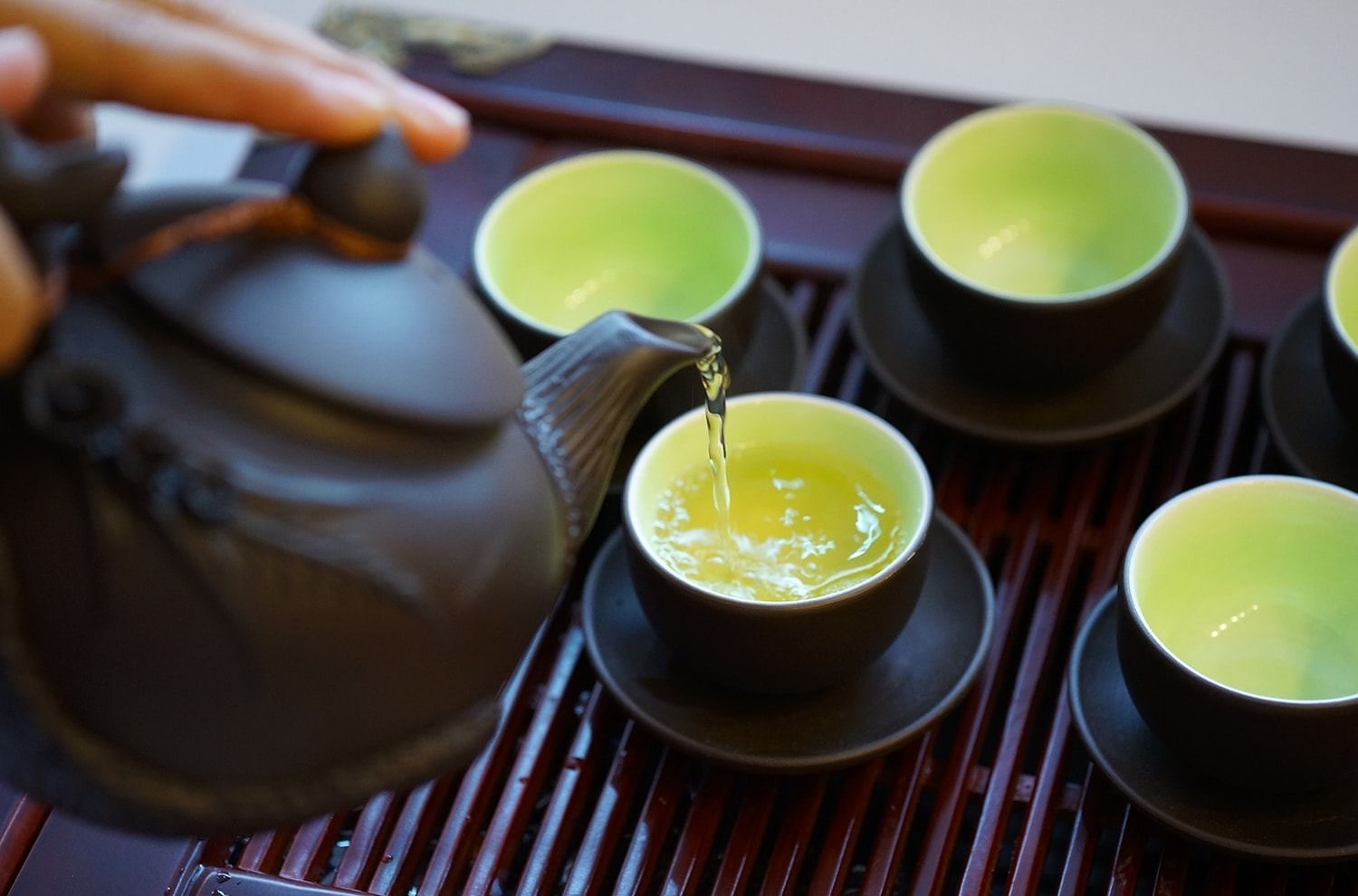
Thái Nguyên green tea has a strong, slightly astringent character. Lotus tea is more aromatic and often sold as a premium gift. Jasmine tea is familiar and accessible, while artichoke tea from Đà Lạt has a mild, earthy flavor.
Vietnamese tea ranges from strong green tea to fragrant lotus, jasmine and artichoke varieties.
The price of lotus tea varies widely. Everyday flavored tea and tea scented repeatedly with fresh lotus flowers are very different products, even when their packaging looks similar.
Choose tea in a sealed bag or tin. For an expensive variety, ask where it was produced, how it was scented and whether you can taste it before buying. Learn more in our guide to Vietnamese tea.
Vietnamese supermarket gifts
When several inexpensive presents are needed on the final day of a trip, a supermarket is often more useful than a tourist market.
Prices are displayed, labels are usually clearer and there is no need to bargain. Good options include:
Coconut candy
Mung bean cakes
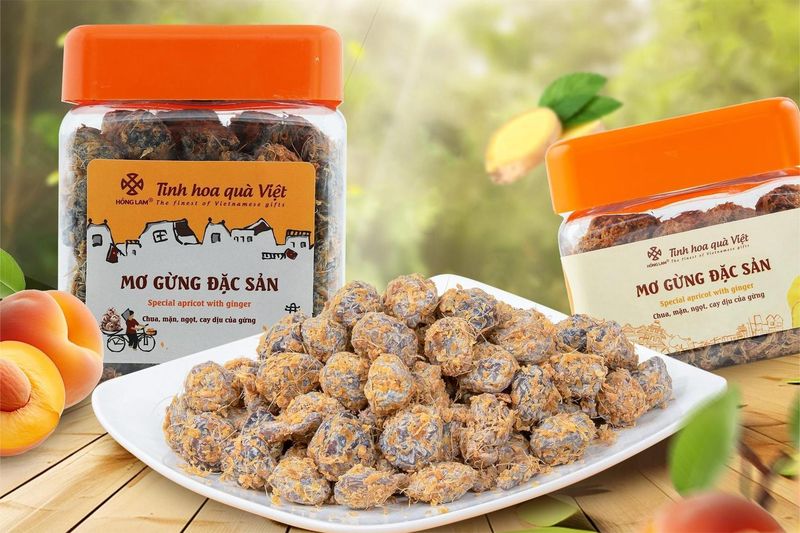
Ô mai, or seasoned preserved fruit
Cashews and roasted lotus seeds
Dried mango and jackfruit
Coconut crackers
Rice-paper snacks
Instant noodles
Seasoning packets for phở, bún bò Huế or bánh xèo
Vietnamese chocolate
Ô mai and other packaged specialties are easy to share and usually travel well.
Check the manufacturing date as well as the expiration date, particularly for coconut candy, nuts and dried fruit.
Products containing meat, egg, seafood or fresh ingredients may face stricter customs rules than ordinary dry snacks. Read the ingredient list before buying them for an international flight. Our guide to Vietnamese desserts offers more ideas for regional sweets.
Regional spices and seasonings
Phú Quốc pepper is the most familiar choice, but some of Vietnam’s most distinctive seasonings come from the northern mountains.
Cinnamon and star anise are practical gifts for anyone who enjoys making broths, baked dishes or mulled drinks. For something less expected, look for:
Mắc khén: citrusy, fragrant and lightly numbing
Hạt dổi: usually toasted before being added to meat or dipping sauces
Chẩm chéo: a seasoning mixture associated with northwestern Vietnam
Muối tôm Tây Ninh: a savory chili salt commonly eaten with fruit
These products are more memorable than a generic packet labeled “phở spices,” although it helps to include a simple recipe for the recipient.
Choose sealed packaging with a clear ingredient list. Whole spices generally retain their aroma longer than unidentified powders sold in open containers.
Clothing, textiles and leather goods
Vietnamese silk
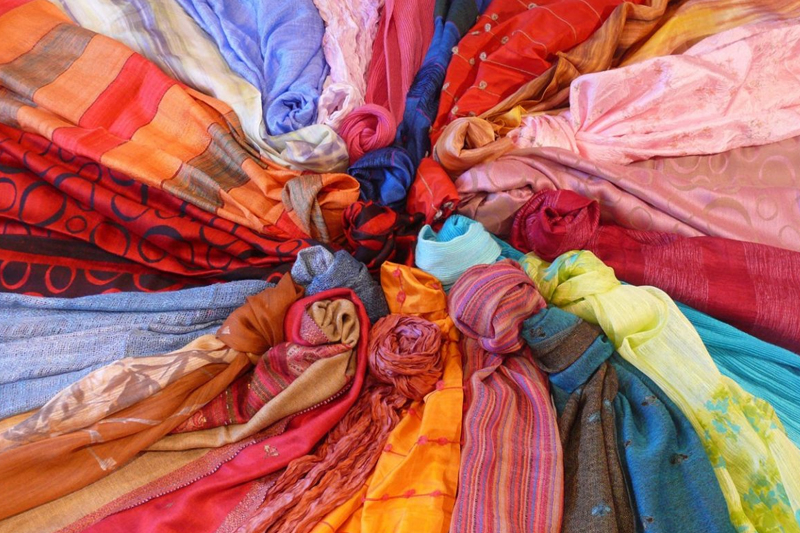
Silk is easy to find in Vietnam. Knowing exactly what you are buying is more difficult.
A scarf or small accessory is usually a safer purchase than several meters of fabric when you do not already know what you plan to make. Prices vary according to fiber content, weave, weight, dyeing process and place of production.
Ask for the exact fiber composition before paying a premium price for silk.
Ask for the exact composition rather than accepting a general assurance that an item is “Vietnamese silk.” Synthetic blends are not necessarily poor products. They can be affordable, durable and easier to care for, but they should not be sold as pure silk.
Compare several pieces in natural light. When buying an expensive item, ask for the material to be written on the receipt.
A famous market, street or craft village may offer many silk products, but its reputation does not guarantee the quality of every seller.
Tailored clothing in Hoi An
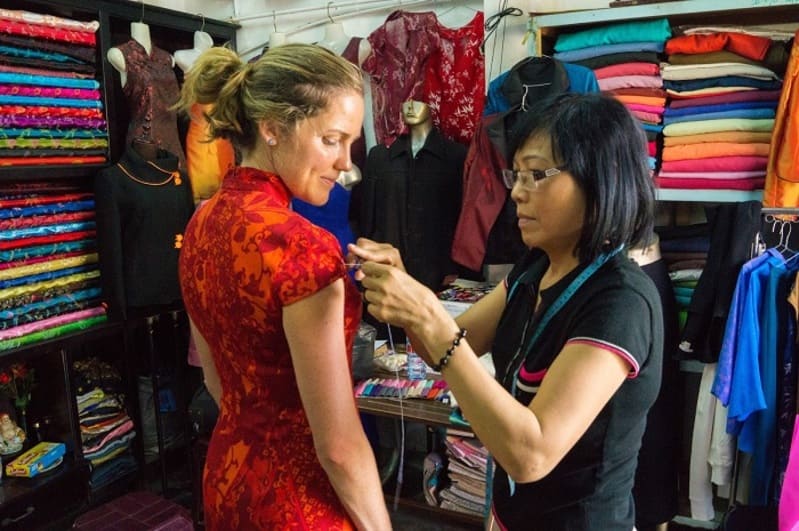
Tailoring in Hoi An can be worth the money, but only when your schedule allows time for fittings and final alterations.
A shirt, dress or simple pair of trousers is easier to complete well than a structured jacket or formal suit. Speed is part of Hoi An’s appeal, but the shortest turnaround does not necessarily produce the best result.
Order early enough to allow time for at least one fitting and final alterations.
Bring clear reference photos showing the front, back and important details. Explain whether you want the garment fitted or relaxed, ask for the fabric composition and confirm what the price includes.
Place the order early in your stay. Before accepting the garment, check:
Seams and hems
Buttons and zippers
Lining
Sleeve and trouser length
Comfort when sitting and walking
How the fabric falls around the shoulders, waist and hips
A final fitting is more valuable than a promise that everything can be completed in 24 hours.
Áo dài
The áo dài is the most culturally distinctive clothing purchase, although its close-fitting cut makes accurate measurements particularly important.
A ready-made version may work for a photo session or occasional event. A custom piece will usually fit more comfortably and can be adjusted to the intended fabric, length and level of formality.
A custom áo dài requires accurate measurements because of its close-fitting cut.
Many affordable ready-made garments use synthetic blends. These may be easier to maintain than silk, but the material should be clearly identified.
When buying for another person, measurements are more reliable than choosing a familiar S, M or L size. Vietnamese clothing sizes vary considerably between sellers.
Indigo textiles and hand embroidery
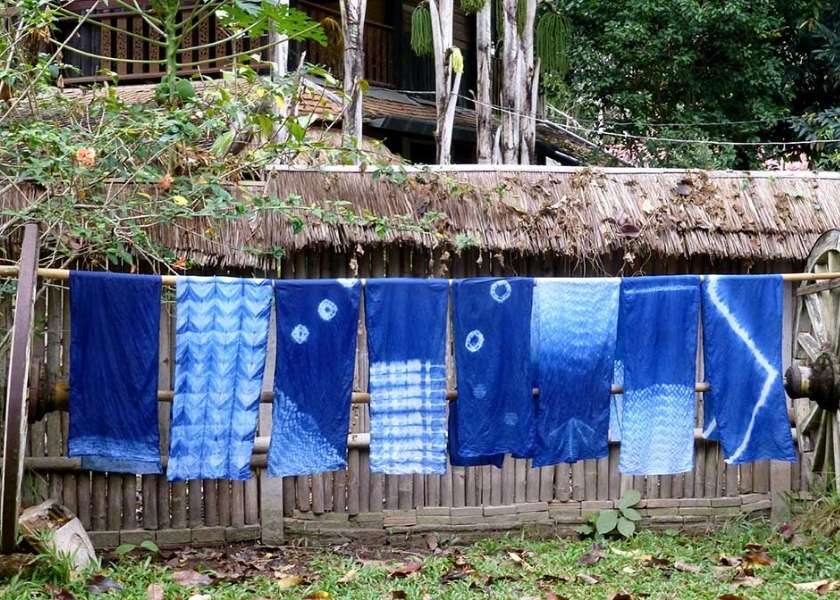
In Sapa and Hà Giang, a small indigo purse or embroidered cushion cover often carries more of the region’s character than the generic souvenirs sold in town-center shops.
Among Hmong communities in the northern mountains, fibers such as hemp, flax or cotton may be prepared, woven and colored with dyes derived from local plants. Flowers, animals and geometric motifs can reflect cultural heritage, community identity and daily life.
Traditional motifs can carry cultural meaning, but a motif alone does not prove local or handmade production.
A traditional motif alone, however, does not prove that a product was locally or manually made.
Small items are generally easier to use and carry than blankets or fitted garments. Consider:
Purses
Cushion covers
Scarves
Table runners
Fabric panels
Small bags
Coasters
Handmade textiles may show variations in stitching, dye or pattern, but imperfections alone do not prove that something was made by hand.
A stronger sign of responsible buying is a seller who can explain who made the product, where it came from and how it was produced. Workshops, cooperatives and social enterprises may charge more than anonymous market stalls, but they can provide better traceability.
Leather goods in Hoi An
A wallet, belt or well-made pair of shoes is more likely to stay in use than a conventional souvenir from Hoi An.
The town has many shops offering ready-made and custom leather products, but quality varies. Hoi An’s reputation for leatherwork should not be treated as a guarantee.
Kampá’s local team has used Hoi An Leather and confirmed that the shop offers products made from genuine cowhide. Ready-made wallets and belts are relatively straightforward purchases. Custom bags and shoes require closer inspection.
For bags, check:
Even stitching
Reinforced strap connections
Smooth-running zippers
Cleanly finished edges
Secure hardware
Neat lining
For shoes, examine the soles, heel alignment and symmetry between both feet. Try them while standing and walking, preferably with the type of socks you will wear at home.
Ask what kind of cowhide is used for the specific item. “Genuine leather” means the material is real leather, but it does not explain its grade, finish, thickness or durability.
Crafts and decorative souvenirs
Vietnamese lacquerware
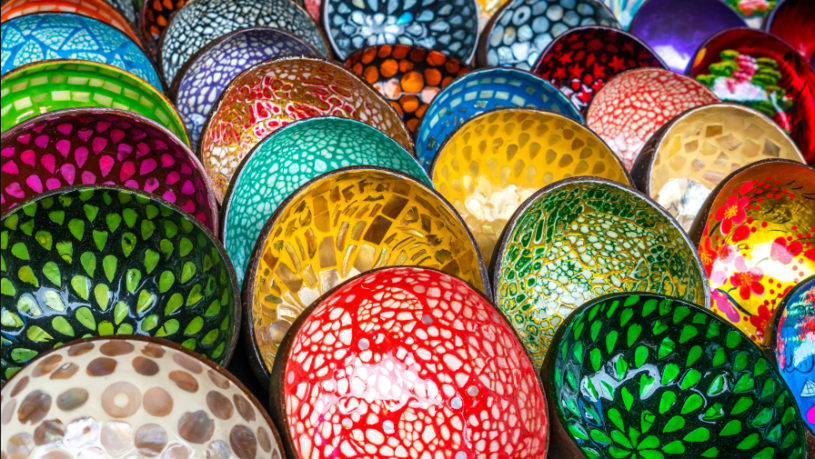
Lacquerware can be an inexpensive decorative gift or a premium work of craft, depending on how it was made.
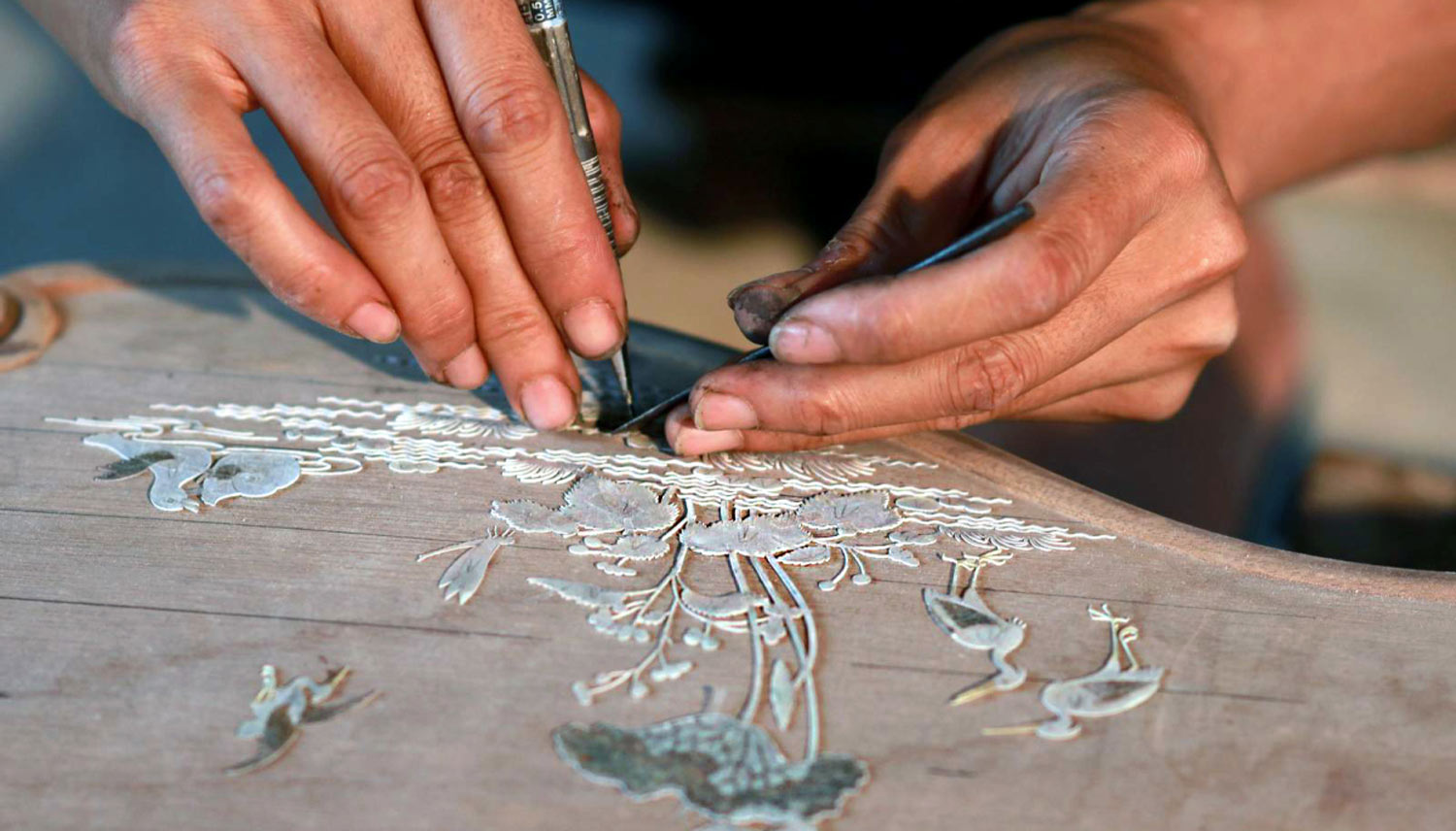
Small boxes, trays and coasters are easy to carry. Larger bowls and wall panels may involve techniques such as eggshell or mother-of-pearl inlay.
Lacquerware varies greatly according to its base, decorative technique and finishing process.
A simple glossy finish on a lightweight base is not the same as a piece built through repeated layers of natural lacquer, sanding and polishing.
Look at the edges and underside, not only the polished front. Check for bubbles, cracks, peeling and rough finishing.
For an expensive item, ask:
What the base is made from
Whether the design is painted, printed or inlaid
How the object should be cleaned
Whether prolonged heat or moisture may damage it
Vietnamese ceramics
A small ceramic cup, bowl or tea set will usually be easier to use and transport than a large decorative vase.
Bát Tràng near Hanoi is one of Vietnam’s best-known pottery villages, while Thanh Hà near Hoi An offers another opportunity to learn about local ceramic production.
Before buying tableware, ask whether it is intended for food and hot drinks. Examine the glaze, check that the piece sits flat and look for cracks around handles, rims and bases.
Ask the seller to wrap the item properly. A small piece placed in the center of a hard-sided suitcase is a sensible purchase. A large vase at the beginning of a multi-stop trip may not be.
Đông Hồ prints and dó-paper products
Paper artwork is one of the easiest ways to bring a piece of Vietnamese visual culture home without sacrificing much luggage space.
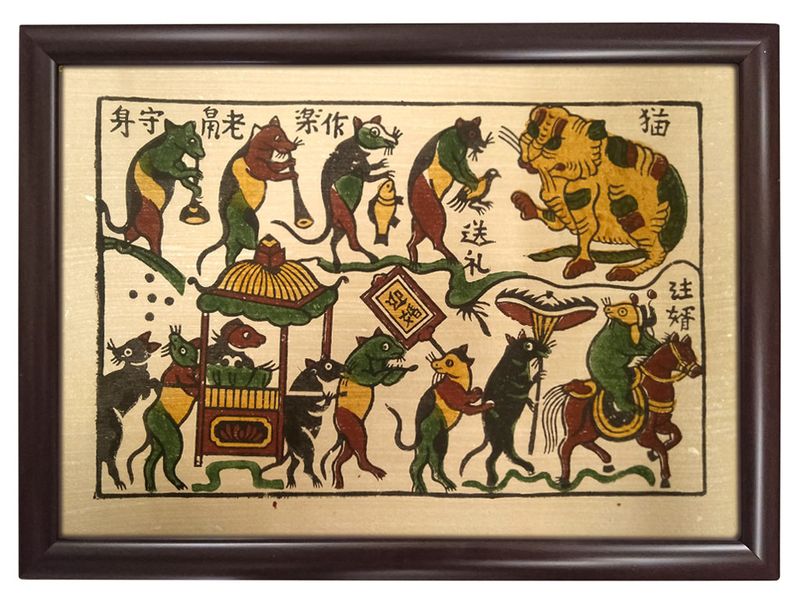
Đông Hồ prints are associated with a traditional woodblock-printing craft from Bắc Ninh. Their paper is traditionally coated with điệp, a mixture containing finely crushed, weathered seashells that creates a subtle shimmer beneath the image.
The Mouse Wedding is one of the best-known subjects in the Đông Hồ folk-printing tradition.
Each color is traditionally applied using a separate woodblock. Pigments may come from natural materials such as indigo leaves, red ochre, gardenia fruit, burnt bamboo leaves and rice straw. Subjects range from village life and festivals to wishes for happiness, prosperity and a successful harvest.
Dó-paper notebooks, cards and bookmarks are even easier to give. Contemporary prints and poster reproductions suit travelers who prefer a more modern style.
Place paper artwork between two clean sheets of cardboard instead of rolling it. When buying an original or limited-edition work, ask whether it is signed, numbered or accompanied by information about the artist.
Hoi An lanterns
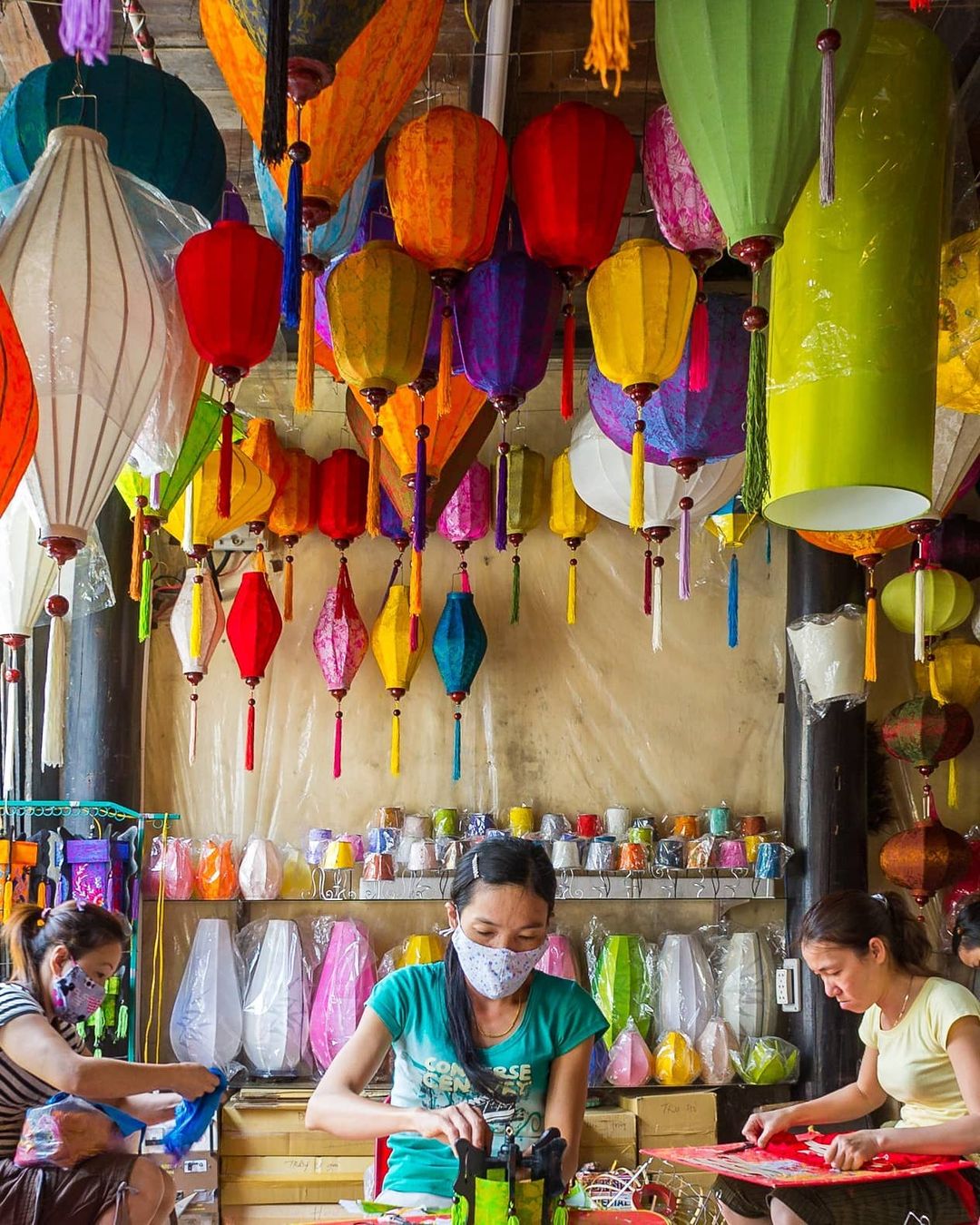
Hoi An lanterns look delicate, but foldable models are surprisingly easy to carry home.
Traditional lantern-making begins with bamboo shaped into a frame, which is then covered with fabric, commonly silk. The craft remains part of Hoi An’s cultural identity, and visitors can join workshops to see how the frame is bent, covered and decorated.
Traditional Hoi An lanterns use a bamboo frame covered with fabric, commonly silk.
The frame is more important than the color. Open and close the lantern before buying it to make sure it collapses evenly.
Medium-sized garlic or diamond shapes are generally easier to pack than rigid round models. Check the fabric for tears, loose glue and uneven seams.
Lanterns may be sold without electrical fittings. This allows the buyer to install a socket and bulb that meet the voltage and safety standards at home.
Woven crafts
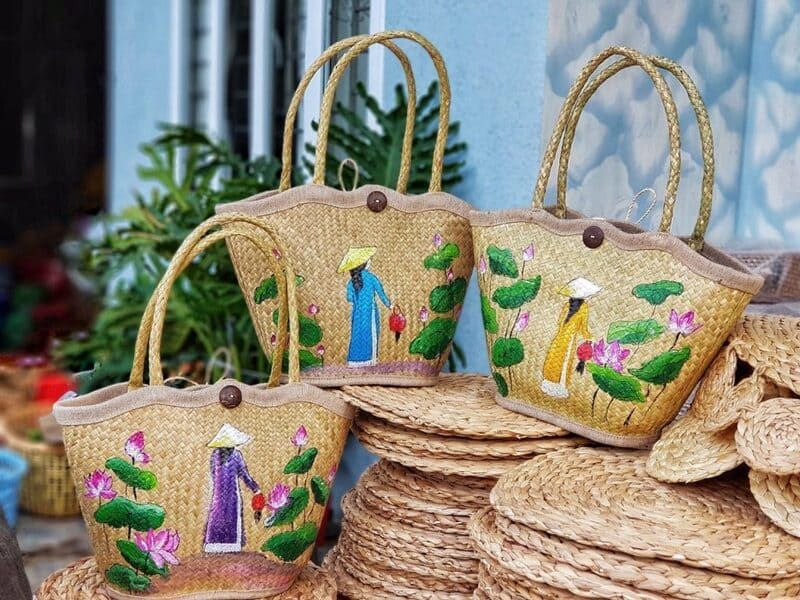
Woven baskets and water-hyacinth bags often look irresistible in a market and much less convenient beside an already full suitcase.
Choose woven products according to their condition, construction and the space available in your luggage.
Small placemats, coasters, trays and stackable baskets are safer choices than large storage baskets or rigid beach bags.
Check for:
Mold or damp smells
Visible insects
Rough edges
Loose weaving
Weak handles
A size that fits inside your luggage
Natural fibers may react to very humid or dry climates, so ask about care when buying a higher-quality product.
Conical hats
The nón lá is Vietnam’s most recognizable souvenir, but one of the most awkward to pack.
A good hat should feel balanced and hold its shape. Check the bamboo frame, leaf arrangement and stitching.
The nón lá is iconic, but its full size makes it one of the least convenient souvenirs to pack.
Many souvenir hats come with a rough synthetic chin strap. Ask whether it can be replaced with a softer fabric strap if you plan to wear the hat.
In Hue, travelers may find the finer nón bài thơ, or poem hat, which reveals decorative images or verses when held against the light.
Local expert note from Oliver Phung, Kampá Tour: In Hue, hold a nón bài thơ toward the light before buying it. The images or verses are placed between the leaf layers and may remain almost invisible when the hat is viewed normally. This hidden detail distinguishes Hue’s poem hat from an ordinary souvenir nón lá.
A full-sized hat is difficult to place inside a suitcase without crushing it. Buy one when you genuinely want to wear or display it, not simply because it is inexpensive.
Pearls and locally made jewelry
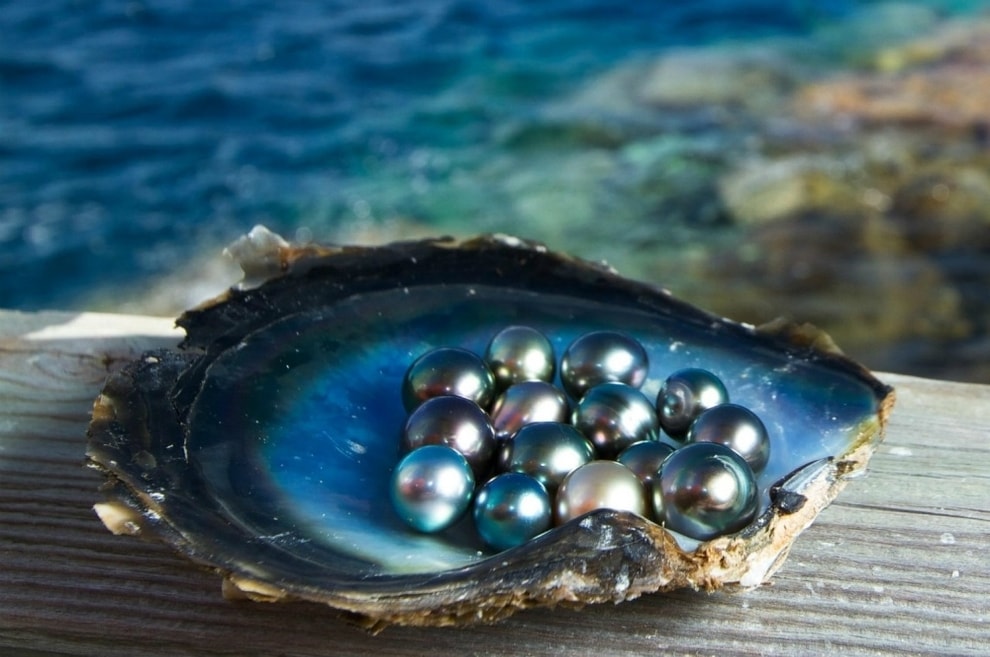
Pearls should only be bought from a seller who can clearly document the product.
Phú Quốc is associated with cultured pearl farms, and visitors will find everything from small earrings to expensive necklaces.
High-value pearl jewelry should come with a detailed receipt and clear product information.
Price depends on:
Pearl type
Size
Shape
Surface
Luster
Treatment
Metal and setting
Ask whether the pearls are freshwater or saltwater, whether they have been treated and what metal is used in the setting.
A high-value piece should come with a detailed receipt and appropriate documentation. Do not rely on common tricks such as rubbing two pearls together, as these tests are not enough to establish quality or origin.
Locally designed silver or contemporary jewelry can be a more accessible choice, but the metal content and return policy should still be clear. See our guide to jewelry in Vietnam for more buying advice.
What to buy in each Vietnamese destination?
Destination
Best things to buy
Hanoi
Coffee, tea, silk, lacquerware, ceramics, prints and dó paper
Hoi An
Tailored clothing, leather goods and foldable lanterns
Sapa and Hà Giang
Indigo textiles, embroidery and regional seasonings
Hue
Áo dài, conical poem hats and local crafts
Mekong Delta
Coconut candy, woven products and regional food gifts
Phú Quốc
Pepper and cultured pearls
Ho Chi Minh City
Supermarket gifts, contemporary local brands and a broad selection of crafts
A few responsible places to shop
Travelers who want clearer information about where a product comes from may prefer a social enterprise, artisan-led boutique or specialist craft project.
The following addresses were checked in July 2026:
Responsible-shopping projects often connect traditional techniques with practical contemporary products.
Craft Link, Hanoi: 43–51 Văn Miếu Street. This non-profit, fair-trade organization works with ethnic minority communities, people with disabilities and traditional craft groups. Its shops carry textiles, accessories, ceramics and other handicrafts.
Zó Project, Hanoi: 2nd floor, 17 Hàng Gai Street, or 189 Trích Sài Street. The project specializes in Vietnamese handmade paper and sells notebooks, prints, stationery and decorative objects.
Indigo Cat, Sapa: 039A Fansipan Street. This Hmong family-owned boutique works with artisan families from ethnic communities in northern Vietnam and offers textiles, clothing, accessories and workshops in batik, embroidery and natural dyeing.
Mekong Quilts: 2 Hàng Ngang Street in Hanoi and 85 Pasteur Street in Ho Chi Minh City. The social enterprise sells handmade quilts, cushions, bags and accessories while supporting employment for women artisans.
Opening hours, workshop schedules and product availability can change. Check directly with the shop before making a special journey.
Supermarkets are best for packaged food and fixed prices. Markets are useful for variety and inexpensive souvenirs, although quality may vary between stalls.
Specialist boutiques make more sense for silk, lacquerware and jewelry. Workshops and craft villages are the better choice when understanding how a product was made matters as much as the object itself.
Bargaining may be normal at some market stalls, but not in supermarkets, fixed-price boutiques or social enterprises. Compare products before negotiating and do not assume that every opening price should automatically be cut in half.
Rather than buying counterfeit Western labels, consider Vietnamese fashion, footwear, skincare and lifestyle brands. Try clothing on instead of relying only on international size labels.
What should you avoid buying in Vietnam?
Think carefully before buying:
Counterfeit designer products
Wildlife products made from coral, ivory, reptile skin or unidentified animal materials
Antiques without information about their age, origin or export requirements
Expensive silk, pearls or jewelry sold without clear documentation
Medicines intended for import into another country
Fragile objects that cannot be packed properly
Foods and liquids that may be restricted at the destination
A product does not become a good purchase simply because it is cheap or described as handmade. A reliable seller should be able to answer basic questions about its material, origin and care.
Packing souvenirs and checking customs
Coffee, tea, sealed spices, textiles, packaged snacks and flat prints are generally easy to carry.
Ceramics and lacquerware need more protection. Ask the shop to wrap them and place them in the center of a hard-sided suitcase surrounded by soft clothing.
Conical hats, rigid lanterns and large woven baskets are difficult because of their shape rather than their weight. Compare them with the dimensions of your luggage before paying.
Liquids such as fish sauce and alcohol involve two separate sets of rules:
Airlines determine whether they can travel in cabin or checked baggage.
Customs authorities determine whether they can enter the destination country.
Fresh fruit, meat, seeds, homemade food, medicines and animal-derived products deserve particular attention. Check the official customs or agricultural authority of your destination before buying them.
Pack food separately so that it is easy to declare and inspect. Double-bag any permitted liquid where possible.
Final thoughts
The best thing to buy in Vietnam is not always the object that looks most Vietnamese in the shop.
A good souvenir has a clear connection to the place, a quality you can understand and a purpose once you return home. Coffee, tea, spices and packaged food are the easiest choices for most travelers. Tailoring, leather goods and regional textiles can offer more lasting value when selected carefully.
Buy fewer things, ask better questions and leave enough room in both your itinerary and your luggage.
I will be visiting Hanoi and Sapa in Oct. please recommend a good tailor in Hanoi. Also restaurants in both places.
Any trekking company to recommend in Sapa for easy treks?
0Reply
K
Kampá Tour04 Sep 2026
Hello, thanks so much for reaching out! 😊
For restaurants, we’d recommend checking out our guides:
Văn Hùng Tailor – 36 Ngõ Thọ Xương, Hoàn Kiếm, Hanoi
Carlo Pham Bespoke Tailoring Service – 09 Hàng Mành, Hoàn Kiếm, Hanoi
And yes, we’d be very happy to help with the trekking in Sapa! We offer tailor-made trekking tours, so we can customize the experience based on what you’re looking for. Here are a few of our trekking itineraries for inspiration:
If you share your dates in October and roughly how easy/active you’d like the trek to be, we’d be happy to put together something that suits you! 😊
0Reply
P
Pooja19 Jul 2026
What would be the cost of traditional dress ao dai in indian rupees
0Reply
O
Oliver Phung - Kampá Tour30 Jul 2026
Hello Pooja!
It depends! 😊 You can find ready-made áo dài for around ₹500, but if you want one that's custom-tailored with high-quality silk, prices can go well beyond ₹12,000. It's definitely worth it if you're looking for something special.
Hope it helps!
0Reply
A
Ariana08 Oct 2025
Hello! I’m going to Vietnam in 3 days and I would like to know where you recommend I buy the traditional Vietnamese women’s áo dài: Hanoi, Hue, or Hoi An? Since I’ll be visiting all three cities, I don’t mind waiting to buy it in whichever city you recommend.
Thank you so much!
0Reply
Nhu PHAM08 Oct 2025
Although you can find quality traditional Vietnamese costume in all three cities (Hanoi, Hue and Hoi An),Hoi An is very famous among tourists for its tailoring workshops where you can order a custom-made "áo dài", with a variety of fabrics and modern or traditional styles. The process is quite quick and tailors are experts at working with visitors, making it the most popular and recommended option. (More information: Guide to making custom-made clothes in Hoi An)
You can visit BeBe Tailor in Hoi An (Hours: 08:00 - 20:00. Address: C/Hoang Dieu, 05-07, Cam Chau, Hoi An - Google Maps)
0Reply
A
Anabella19 Sep 2025
Are Halong jewelry stores good places to shop? I want to know your opinion.
0Reply
Kampá Tour25 Sep 2025
Hi Anabella, jewelry stores in Halong are good options to shop, especially if you are looking for authentic pieces such as pearls and typical Vietnamese handicrafts. It is recommended to choose recognized stores and ask for certificates of authenticity to ensure quality. It is a suitable place to buy special Vietnam souvenirs, always taking care to avoid scams and compare prices.
Planning your trip?
Save time and get expert advice for FREE!
✅ 15 years of local experience
✅ Save up to 40 hours of planning
✅ Travel stress-free from start to finish
Book your free consultation today!












 Our team
 Our team
 Our team
 Our team
.jpg)

.jpg)


 Other
Other Add us as a preferred source









Hello, thanks so much for reaching out! 😊
For restaurants, we’d recommend checking out our guides:
For tailoring in Hanoi, you could try:
And yes, we’d be very happy to help with the trekking in Sapa! We offer tailor-made trekking tours, so we can customize the experience based on what you’re looking for. Here are a few of our trekking itineraries for inspiration:
If you share your dates in October and roughly how easy/active you’d like the trek to be, we’d be happy to put together something that suits you! 😊
Hello Pooja!
It depends! 😊 You can find ready-made áo dài for around ₹500, but if you want one that's custom-tailored with high-quality silk, prices can go well beyond ₹12,000. It's definitely worth it if you're looking for something special.
Hope it helps!
Although you can find quality traditional Vietnamese costume in all three cities (Hanoi, Hue and Hoi An), Hoi An is very famous among tourists for its tailoring workshops where you can order a custom-made "áo dài", with a variety of fabrics and modern or traditional styles. The process is quite quick and tailors are experts at working with visitors, making it the most popular and recommended option. (More information: Guide to making custom-made clothes in Hoi An)
You can visit BeBe Tailor in Hoi An (Hours: 08:00 - 20:00. Address: C/Hoang Dieu, 05-07, Cam Chau, Hoi An - Google Maps)
Hi Anabella, jewelry stores in Halong are good options to shop, especially if you are looking for authentic pieces such as pearls and typical Vietnamese handicrafts. It is recommended to choose recognized stores and ask for certificates of authenticity to ensure quality. It is a suitable place to buy special Vietnam souvenirs, always taking care to avoid scams and compare prices.