Vietnam in January: Weather & 11 Best Places to Go!
Do you want to hunt for cold clouds in the mountains or swim in turquoise beaches? In Vietnam in January, you don't have to choose. You get both. Often called the 'Goldilocks Month,' January brings the perfect balance. The dry season is in full swing, humidity is low, and the festive pre-Tet atmosphere is electric. Here is why this is the best month for your adventure.
Written by Oliver PHUNG (Tour Guide)
Updated on Dec 05, 2025
0 comment
Oliver Phung is a Northern Vietnam-based tour guide and blogger. His favorite topics to write about include cuisine, culture, travel, and under-the-radar experiences. Oliver possesses a deep, detailed understanding of the region, from the indigenous culture of the Hmong in the Northwest to the highland lifestyle of the Tay in the Northeast. Whether he is exploring ancient architecture or geological landscapes, he is always eager to share his insights with his readers.
Beyond his work at Kampá Tour, he produces specialized travel content on platforms such as Reddit, Instagram, LinkedIn, and various other publications.
Oliver's advice: "Don't let the 'Rainy Season' label in Central Vietnam scare you. By January, the heavy rains have mostly stopped, leaving behind a fresh, green landscape perfect for photography. However, if a beach vacation is your priority, head South to Phu Quoc for the guaranteed sunshine, as the Central coast waves can still be too strong for a relaxing swim."
1.1 Pros & Cons of Visiting in January
✅ PROS (Why you'll love it)
The "Goldilocks" Weather: Southern Vietnam is perfectly dry and sunny, while the North is moody and romantic.
Festive Vibe: Witness the country transforming for Tet (Lunar New Year). Streets are decked out in red, and flower markets (Kumquat & Peach blossoms) appear on every corner.
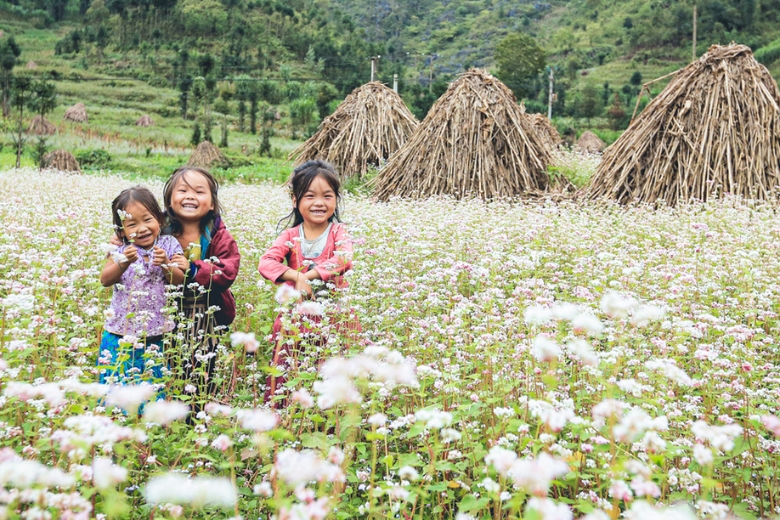
Flower Season: It is the best month to see flowers blooming in Moc Chau (Plum flowers) and Sa Dec (Flower village).
❌ CONS (Things to consider)
The "Bone-Chilling" North: Don't let the 15°C fool you. The high humidity creates a damp cold that seeps into your bones, which feels very different from the dry cold in the West.
Pre-Tet Surcharge: As demand peaks before the holiday, expect slight price increases for hotels and transportation (book your domestic flights at least 3 weeks ahead to avoid sold-out signs!).
2. Vietnam weather in January
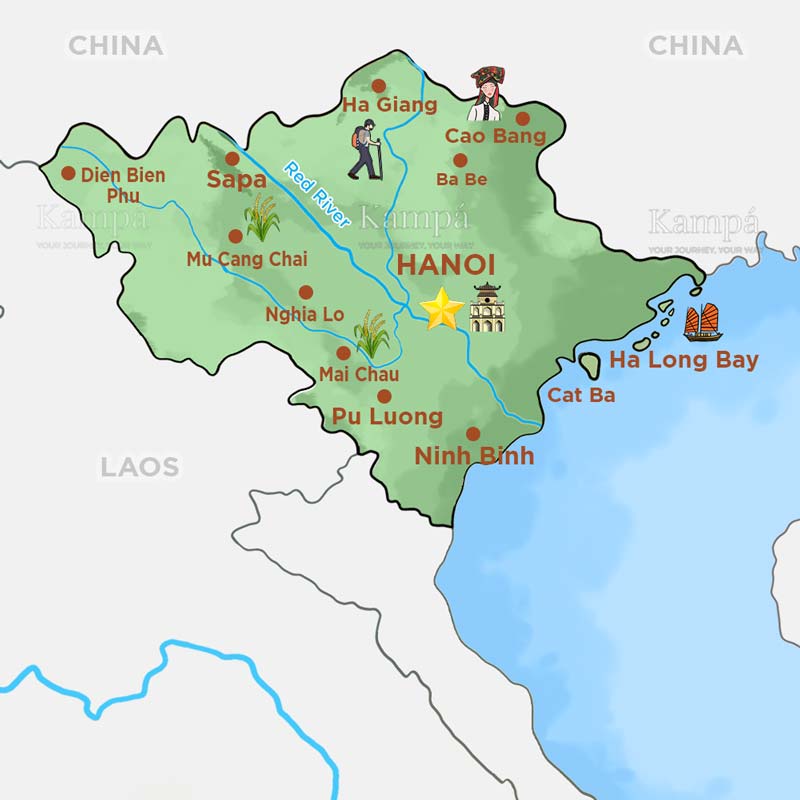
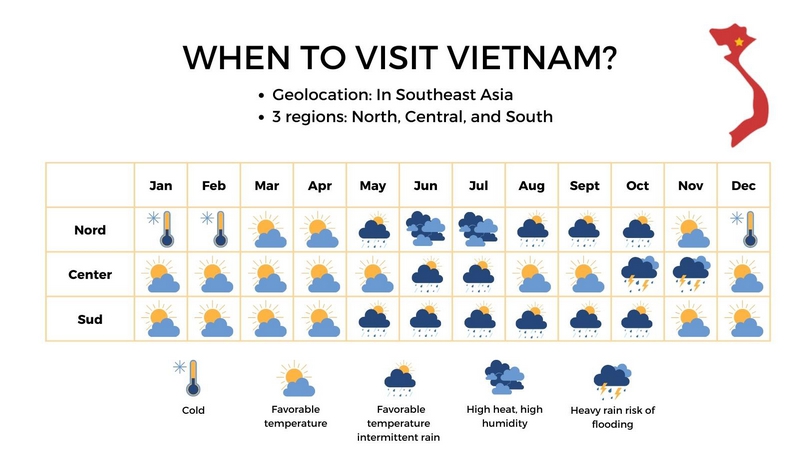
An overview of the weather will help you plan your trip to Vietnam more easily. This country is divided into three distinct geographical regions: north, central and south, each with its own characteristic climate. The north has four seasons: winter, summer, autumn, and spring, while the center and south experience two seasons a year: the rainy season and the dry season.
Below is the map of the three regions of Vietnam to make it easier for you to visualize:
2.1 Northern Vietnam
Don't let the thermometer fool you! While 15°C - 18°C might sound mild to Westerners, the high humidity in Northern Vietnam creates a "bone-chilling" damp cold that cuts right through your clothes. This is not the crisp, dry winter of Europe; it is a moist chill that seeps in.
Warning: In high mountains like Sapa or Ha Giang, temperatures can drop close to 0°C. Roads can be slippery with spring's drizzle, so trekking requires caution.
Light Down Jacket: Essential for blocking the damp wind.
Waterproof Walking Shoes: A must-have! The "drizzle" (mưa phùn) makes the ground constantly wet and slippery.
Thermal Layers (Heattech): Wear these underneath to trap body heat effectively.
Scarf & Beanie: Crucial if you plan to go cloud hunting in the mountains.
2.2 Central Vietnam
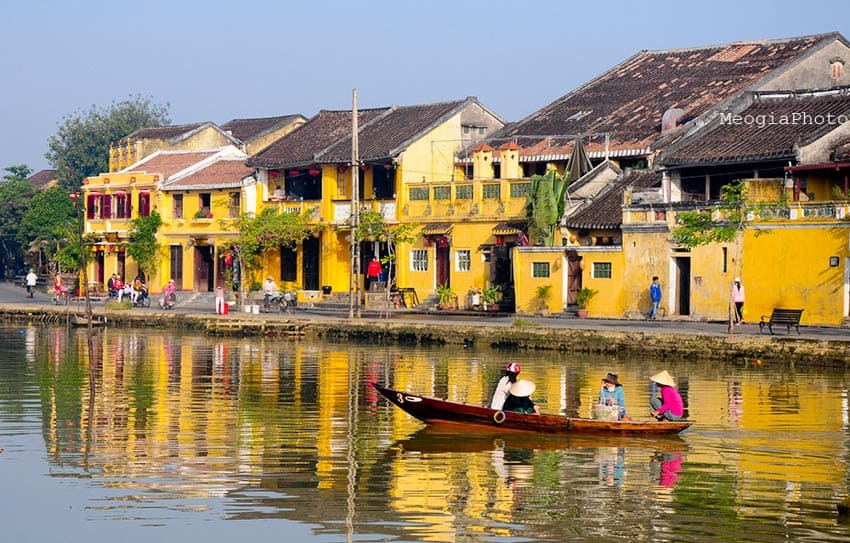
Central Vietnam in January is a bit of a mixed bag, but mostly in a good way. The heavy storms are gone, leaving you with cool, comfortable air (20°C - 24°C). Honestly, this is the best time to walk around Hoi An because you won't be dripping in sweat like you would in the summer. Just keep a small umbrella handy; you might still get caught in a quick, light drizzle.
💡 Real Talk (Expert Insight):I see a lot of travel blogs promising "sunny beach days" in Da Nang right now. That is risky advice. The winter monsoon still kicks up strong waves offshore. You will likely see Red Flags (No Swimming) planted on the beach. My advice? Come for the culture and the food, not for the tan.
A Light Jacket/Windbreaker: Trust me, riding a motorbike over the Hai Van Pass gets windy and cold.
Umbrella: For those random 10-minute showers.
2.3 Southern Vietnam
Let's go to the region enjoying the best weather in Vietnam in January. While the North is shivering in the mist, the South is basking in 100% sunshine with zero rain. The humidity drops to its yearly low, making the 26°C - 32°C heat feel pleasant and breezy, not sticky.
💡 Expert Advice: "Don't let the breeze fool you! The tropical sun is stronger than it feels. You might not feel the burn until it's too late. Also, keep mosquito repellent handy if you venture into the lush Mekong Delta forests."
3. Where to Travel in January: 12 Best Places to Visit
3.1 Hanoi(10 - 15°C)
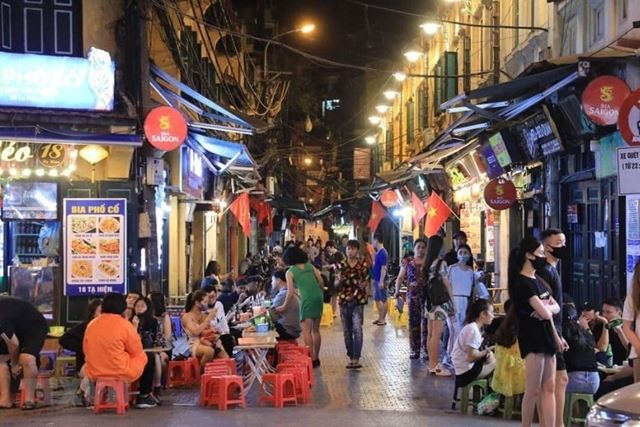
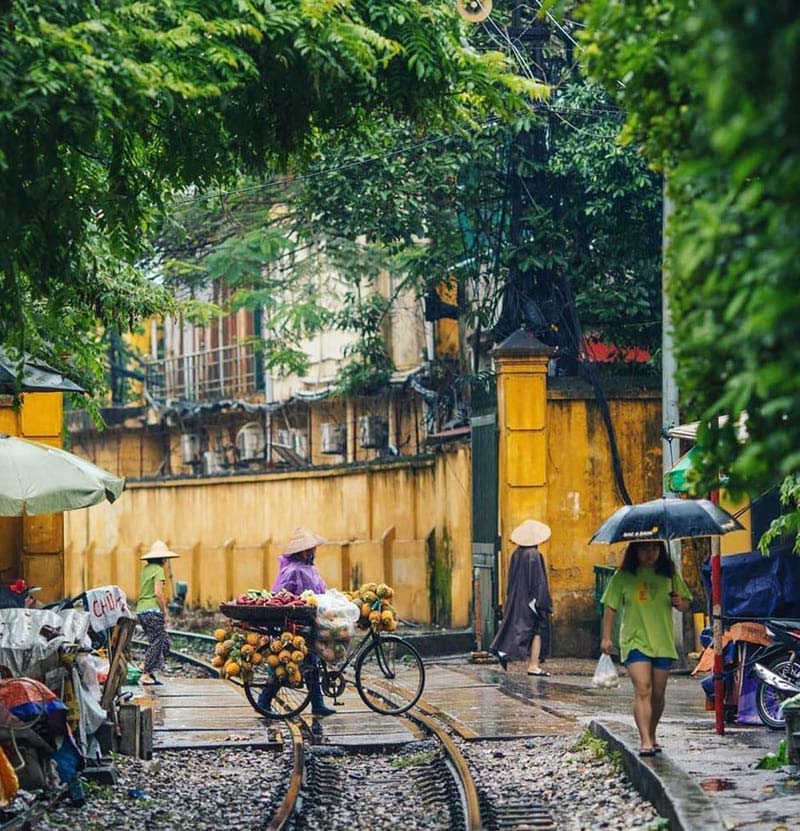
Hanoi in January is not just "cool and misty". It is electric. As the Lunar New Year approaches, the city transforms into a giant open-air market. You will see motorbikes carrying giant peach blossom trees (Dao) and kumquat bushes on the back, weaving through traffic like a moving forest.
Forget the usual sightseeing. This month is about walking the streets. Head to Hang Luoc Flower Market (Old Quarter) or drive out to Quang Ba Flower Market at 4 AM to see millions of flowers flooding into the city.
The ancestral atmosphere of Hanoi, the thousand-year-old capital of Vietnam
In addition, the chilly 15°C air is the perfect excuse to sit on a low plastic stool, cup a hot Egg Coffee in your hands, and watch the festive chaos unfold.
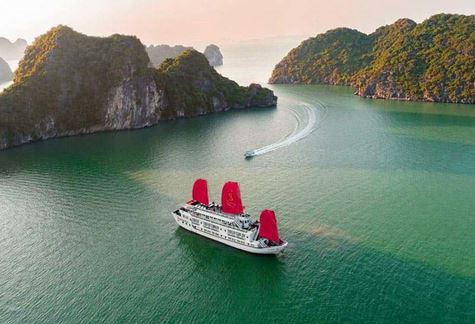
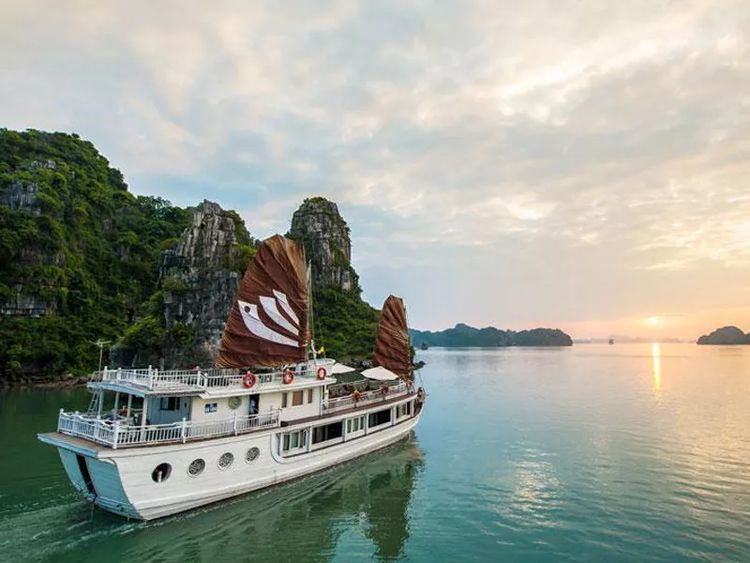
Let's be honest: January is not the best month for Ha Long Bay if you want sunny skies and a place to sunbathe.
Instead, January has a unique and dramatic beauty. The bay is often covered in a soft, ghostly mist that turns the tall limestone karsts into shadows and shapes. It looks less like a tropical beach and more like a scene painted in traditional Vietnamese watercolor.
The atmosphere is calm, thoughtful, and great for romance. The bay is less crowded right now because it's not peak beach season, which makes cruising more personal.
The Challenge: The temperature stays between 15 and 18 degrees Celsius, which is too cold for swimming or kayaking, and the fog makes taking pictures hard (but very moody).
3.2 Ninh Binh (15 - 20°C)
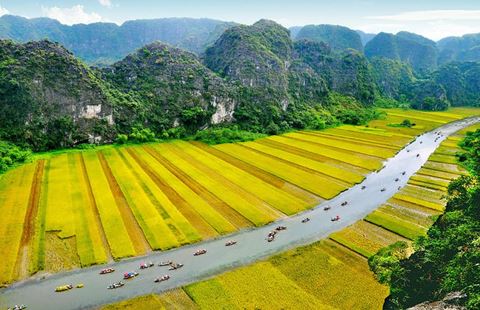
Roughly 60 miles (90 km) south of Hanoi, Ninh Binh is absolutely a must-see destination, especially in January. This spot truly wows visitors with its unique, sugarloaf-shaped rock formations that rise majestically from lush green rice fields and serene rivers.
In January, the weather is cool and often a bit foggy in the early mornings, which only adds to the mystique. If you're visiting this month, you can still fully enjoy the beauty of iconic spots like Tam Coc, Trang An, and Van Long.
Ninh Binh - The Terrestrial Halong Bay
3.3 Ha Giang (10 - 20°C)
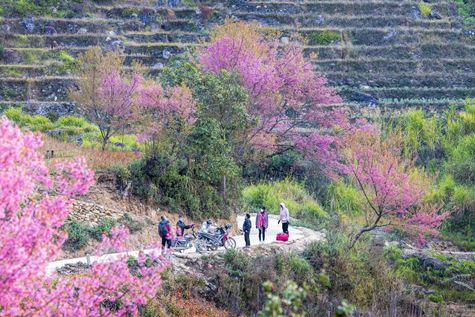
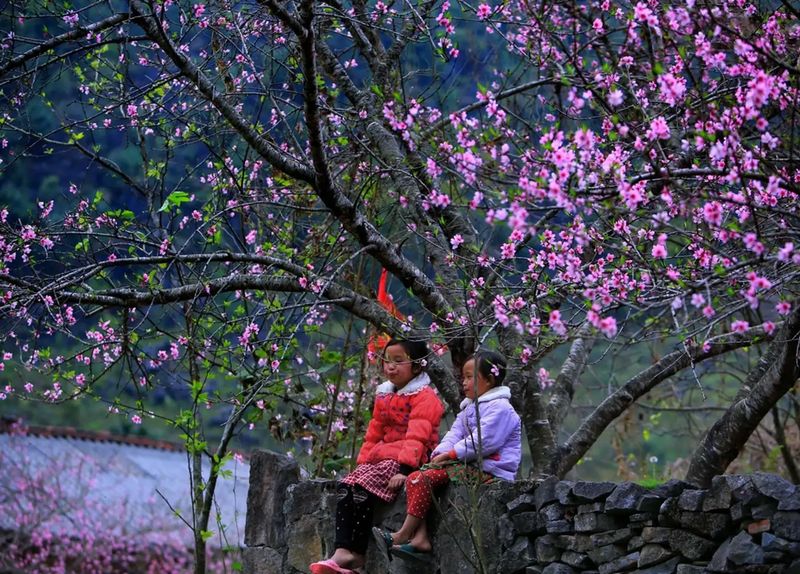
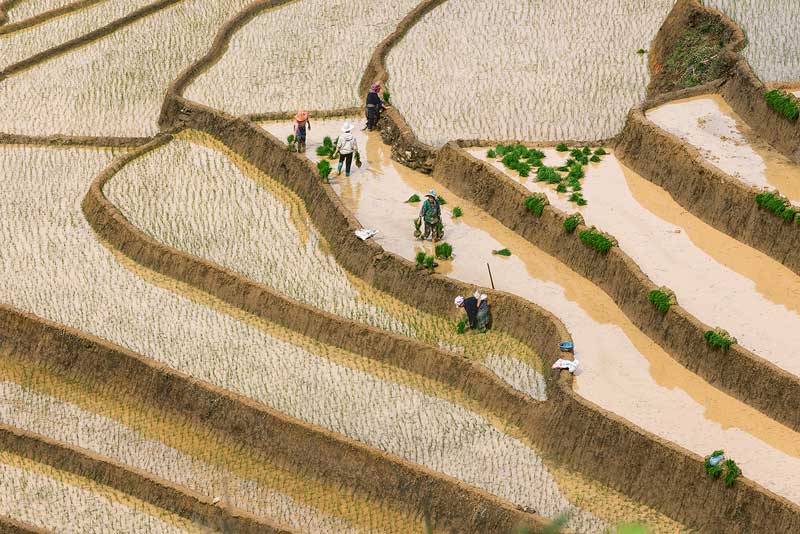
Unlike August or September, this month is not the best month to admire the impressive rice terraces, but it is the best to enjoy the beauty of nature. During January, the region is filled with color with plum and peach blossoms in full bloom, creating an idyllic landscape among majestic mountains.
Visitors have the opportunity to meet indigenous communities, such as the H'mong, Tay, and Dzao, and learn about their customs and traditions. In addition, January is a month full of local festivities, allowing tourists to immerse themselves in the vibrant culture of the area. The combination of natural landscapes and cultural experiences makes a trip to Ha Giang in this month truly memorable.
3.4. Hue (18 - 22°C)
Hue, the ancient capital, is a destination renowned for its deep wealth of historical and cultural values. As a UNESCO World Heritage Site, Hue offers fascinating exploration for history buffs and local culture enthusiasts.
It's the perfect place to delve into the history of a Vietnamese feudal dynasty and explore the majestic tombs of the kings.
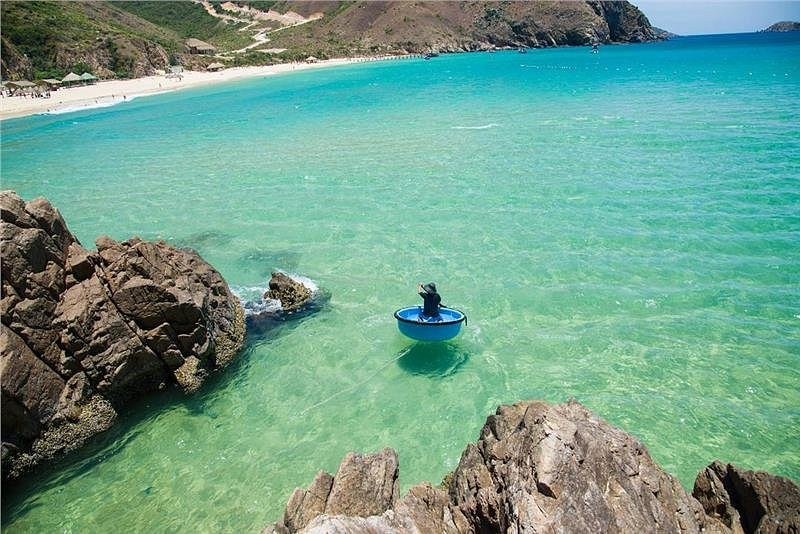
In addition to exploring the city center, don't miss the authentic surrounding villages, such as Thanh Ha village, famous for its ceramics, Tra Que, known for its organic herb and vegetable cultivation, where you can also take a cooking class, and Cam Chau, who specializes in lantern making. The Bay Mau coconut forest is a must-see experience that you can explore by basket boat in Hoi An.
Hoi An Old Town
>>> Worth knowing
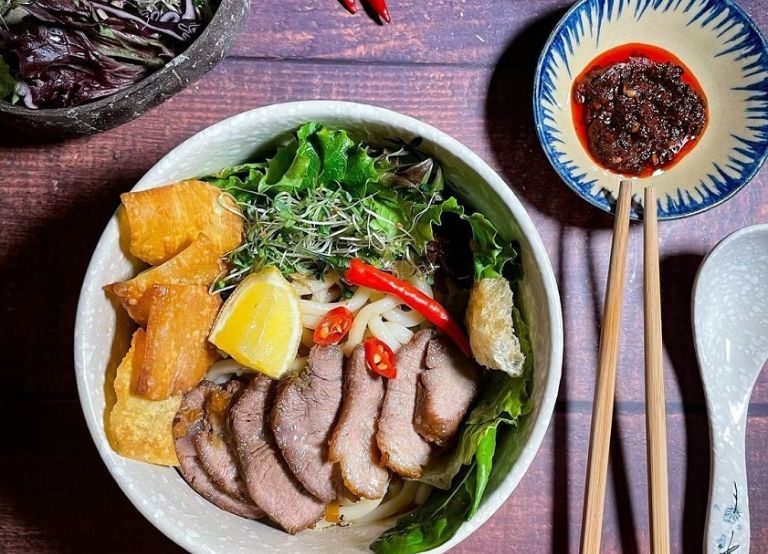
What we really like during our stay in Hue and Hoi An is the local cuisine. According to our local guide, this is a 'noble' cuisine favored by kings, royals and mandarins in Hue. Don't miss Bun bo Hue and Cao Lauduring your trip to the region!
3.6. Buon Ma Thuot or the highlands (18 - 25°C)
Buon Ma Thuot, in the highlands of Vietnam, is located approximately 600 kilometers from Hue and Hoi An. It is home to ethnic groups such as the Ê Đê and M'nông, which gives it a rich cultural diversity and fascinating traditions. This destination is little known to tourists, but it is really worth visiting for its natural beauty and the tranquil atmosphere of the highlands.
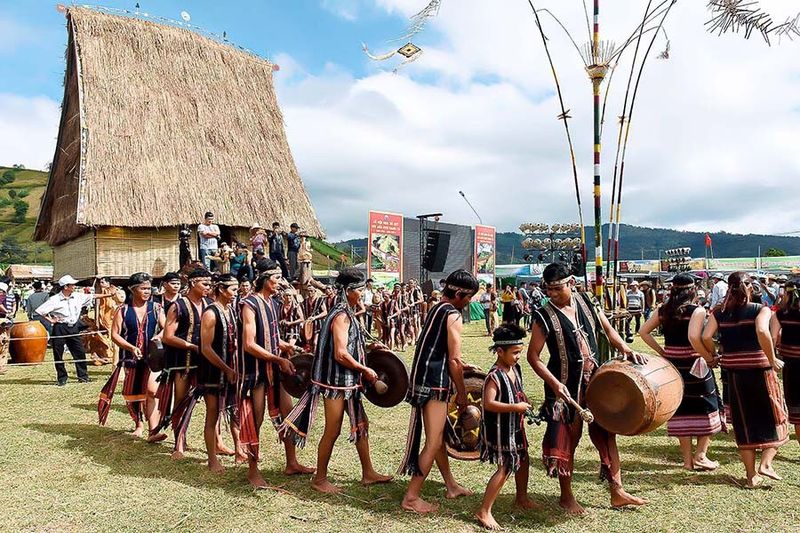
Previously, Buon Ma Thuot was famous for offering the unique experience of elephant riding, although this activity is no longer available. In January annually, the inhabitants of the indigenous communities celebrate several traditional festivals, including the Gong Drumming Festival, which highlights the cultural identity of the Tây Nguyên (the highlands), giving visitors the opportunity to experience unique customs and participate in a vibrant festive atmosphere.
3.7. Nha Trang and its surroundings (22 - 28°C)
Nha Trang in January boasts a fantastic climate, with average temperatures hovering between 70-79°F (21-26°C). It's the start of the dry season, making it absolutely perfect for all sorts of outdoor fun. What's great about Nha Trang is it's known as an affordable beach destination that doesn't skimp on services. From the city center, you can chill out right on Tran Phu Beach, or if you're looking for something a bit more exclusive, head over to the stunning Ninh Van Bay, which is only about 12 miles (20 km) away.
Ninh Van Bay truly shines with its natural beauty and crystal-clear waters. It's an ideal hideaway for anyone craving a peaceful vibe, far from the city's hustle and bustle. While there, visitors can kick back by the sea, try activities like scuba diving, or just explore the surrounding nature.
3.8. Mui Ne (24 - 30°C)
Mui Ne in January serves up a hot and dry climate, with temperatures typically ranging from 75-86°F (24-30°C). This makes it a fantastic time to get out and enjoy all sorts of outdoor activities. Throughout the month, visitors can kick back on the beautiful beaches, jump into water sports like surfing and scuba diving, or simply soak up the sun on the soft, white sand. Plus, hitting the Mui Ne Sand Dunes is an absolute must-do! You can slide down the dunes and capture some truly stunning photos there.
With its great weather and a vibe that's usually much calmer than the busy high season, Mui Ne really shapes up as the perfect spot for anyone planning a chill January getaway.
3.9. Mekong Delta (25 - 30°C)
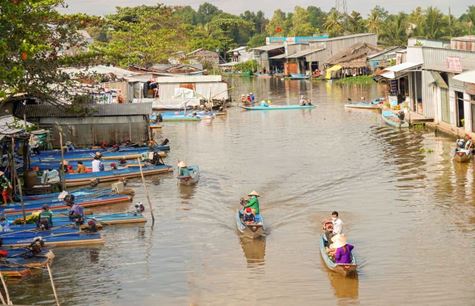
The Mekong Delta is a captivating world where land and water seamlessly intertwine, defined by an intricate network of canals stretching across southern Vietnam. January emerges as the quintessential time to visit this mesmerizing region, thanks to its exceptionally favorable weather. The oppressive heat of other seasons is absent, and the skies remain clear of rain, creating the perfect conditions for every kind of discovery and adventure.
Our travelers on a Mekong Delta tour
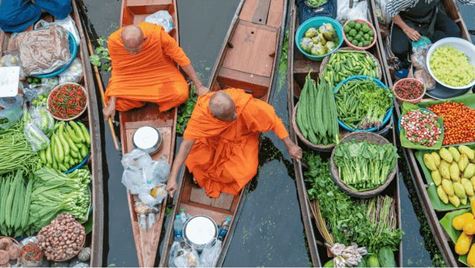
Beyond the ideal climate, January bathes the Mekong Delta in vibrant color as the Tet festival approaches. This is a bustling period when local farmers diligently harvest an abundance of flowers, preparing them for sale during the festive season. The atmosphere hums with a lively energy, particularly at the famous floating markets, where boats brim with goods and the air resonates with cheerful bartering. A boat trip here is an absolute must: navigating the winding canals beneath the cool shade of coconut trees offers a truly peaceful, authentic,
3.10 Con Dao Island (21 - 31°C)
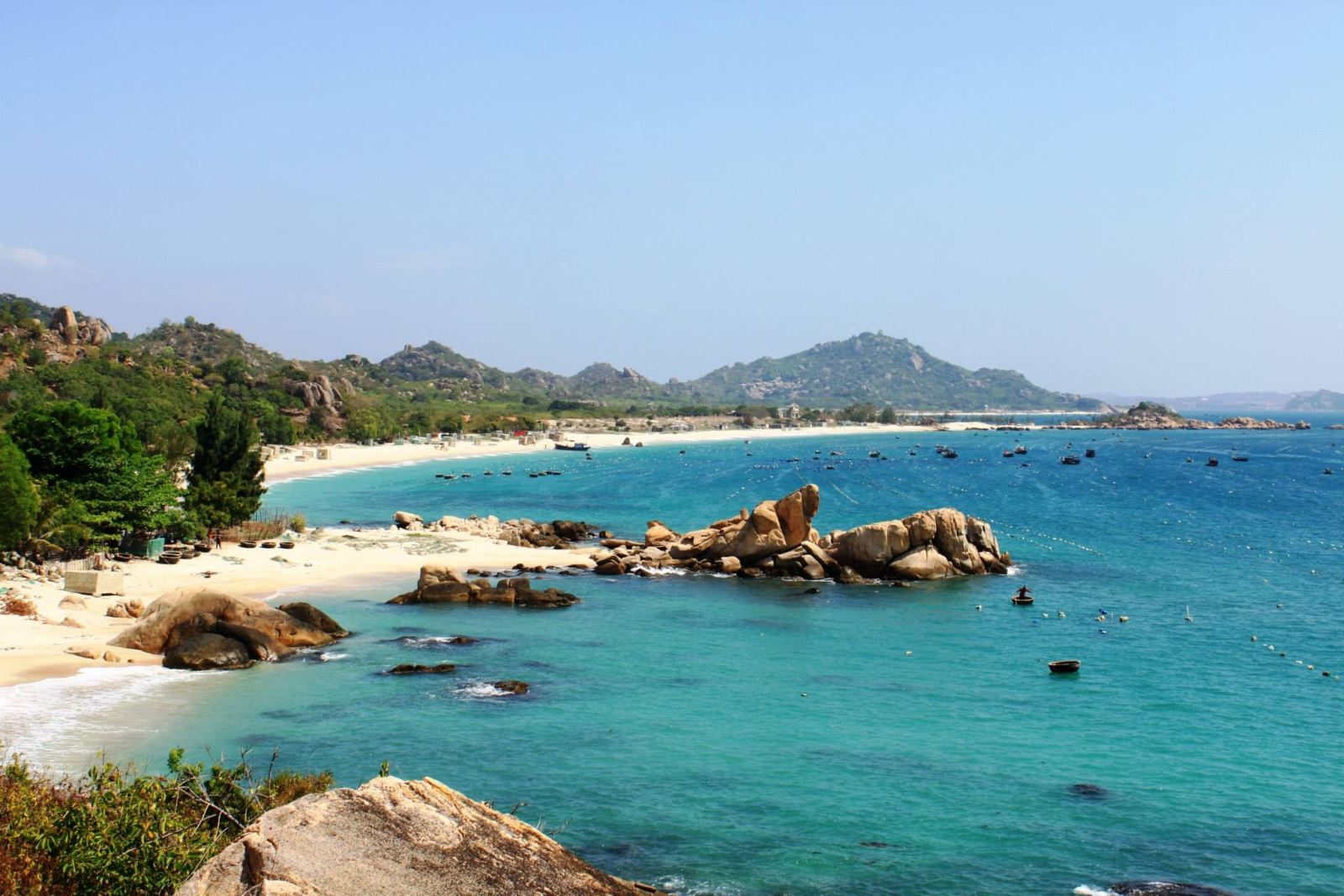
January is the best time to explore Con Dao, thanks to its dry climate and pleasant temperatures, ranging from 21°C to 31°C. This month is the driest of the year, although it’s important to note that strong winds and waves can make boating activities difficult.
During this time, visitors can enjoy various activities on the beach, such as relaxing in its crystal-clear waters, swimming, watching the sunset, and snorkeling. Con Dao is also known as a historical destination full of spirituality. If you're interested in learning about the history or the Vietnam War, this place is perfect for you.
3.11 Phu Quoc Island (24 - 30°C)
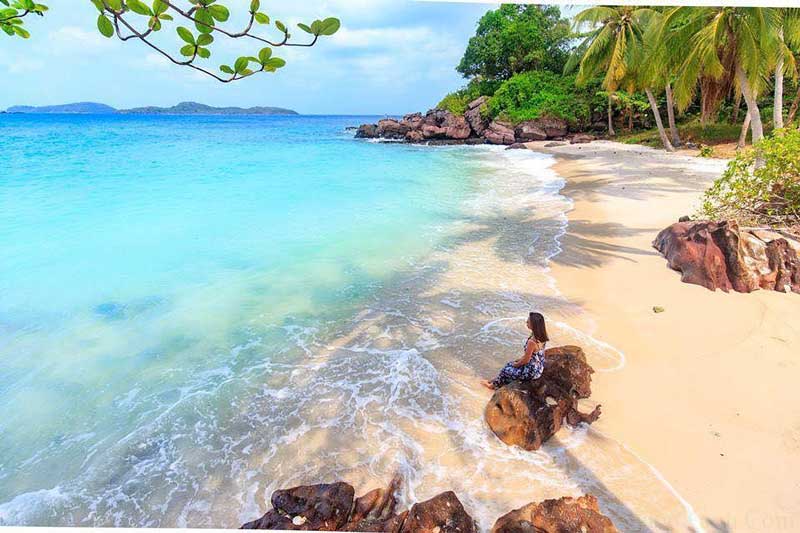
Phu Quoc, nicknamed the "Emerald Pearl" in the Gulf of Thailand, is famous for its crystal clear jade waters. This island is a popular destination for seaside vacations, as it offers magnificent white sand beaches lined with coconut palms, such as Bai Sao, Bai Dai, Ganh Dau, among others.
January days in Phu Quoc are pleasant, with temperatures around 27°C, light sunshine, and little chance of rain or clouds. It is therefore an ideal time to dive. The marine life of the island is waiting for you to live an incredible experience!
4. Suggested itinerary for a trip in January
January is an ideal time to travel from north to south, thanks to its favorable weather conditions and festive atmosphere. Here are some recommendations for itineraries for 10, 12 or 15 days:
Vietnam itinerary in 10 days:
If you have 10 days in Vietnam, it is advisable to visit the most iconic places in the three regions of the country:
Flights: Prices vary by origin, ranging from $520 (UK stopover) to $3,067 (direct US flights). Book early for the best deals. (Learn more: Vietnam Travel Cost)
Accommodation:
Budget: $35–$41/night (2-star hotels).
Mid-range: $45–$55/night (3-star hotels).
Luxury: $90–$334/night (4–5-star hotels and Halong Bay cruises).
Transport:
Buses and trains: $27–$64 (budget-friendly, scenic).
Private cars: Convenient but pricier.
Flights: $86–$97 for interregional routes like Hanoi–Hue.
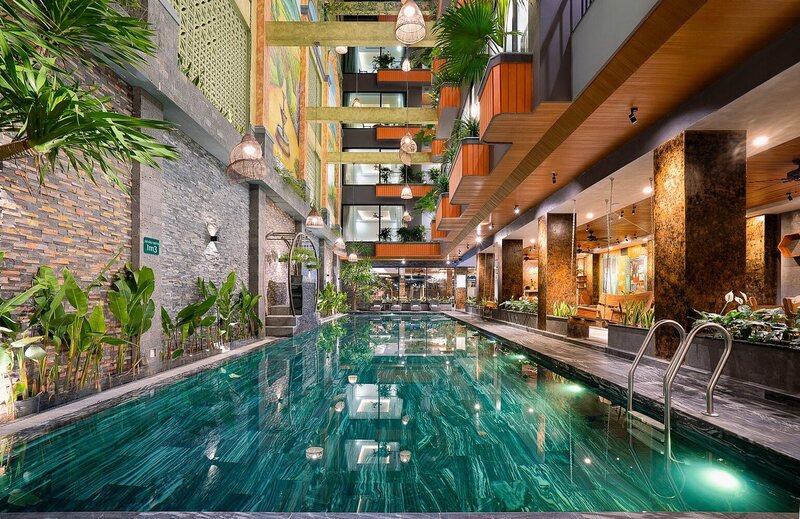
You can experience 3-star service at a very good price in Vietnam
Food:
Street food: $4–$5/dish.
Restaurant meals: $6–$10/person.
Drinks: Coffee ($2), beer ($1.5).
Excursions: Entrance fees $5–$16; private tours from $80/day (groups of 2+).
Tipping: Guides $5–$7/day; drivers half that.
6. Tips for a successful trip
What to Wear?
In January, Northern Vietnam is typically cold, with temperatures often below 15°C (59°F). Pack a thick coat and other warm clothes. Central and Southern regions are warmer, but light layers are still advisable for cool nights.
Vietnamese New Year (Tet Festival) Note
Late January usually marks the Tet Festival. Be prepared that some shops may close during the holidays. It's wise to plan ahead for sightseeing and make reservations for tours or popular attractions.
Passport & Visa
Ensure your passport is valid for at least 6 months before entry. Check visa requirements for your country and prepare accordingly. Consult official sources for the visa application process.
Money & SIM Card
Exchange some Vietnamese Dong (VND) for small expenses before your trip. Consider buying a travel SIM card at the airport or an eSIM online to stay connected. SIM packages are usually affordable, facilitating communication and internet access. For more info: Vietnam SIM Card (Travel Guide).
7. FAQs
Is January a good time to travel to Vietnam?
Yes, January is a fantastic time to visit Vietnam. The weather is generally cool and dry, with pleasant temperatures in the north, mild conditions in central regions, and warm, tropical weather in the south. It's an ideal month for sightseeing and outdoor activities, especially with fewer rain disruptions.
Additionally, the Lunar New Year (Tết) brings vibrant cultural celebrations and festive atmospheres, although some services may be limited. Overall, January offers comfortable weather and unique cultural experiences across the country.
How cold is Vietnam in January?
In January, central Vietnam enjoys pleasant weather with temperatures around 18-20°C (65-70°F) and dry conditions, perfect for sightseeing in cities like Hue and Phong Nha Ke Bang National Park. In northern Vietnam, it can get quite cold, with temperatures in areas like Sapa dropping to 0°C (32°F) or lower, especially in the mountains. Meanwhile, southern Vietnam remains warm and tropical, with temperatures ranging from 25-30°C (77-86°F), making it ideal for beach activities and outdoor exploration.
Is Vietnam expensive in January?
Yes, January can be relatively expensive to visit Vietnam, as it falls within the high season due to its favorable weather in both the north and south. With clear skies and dry conditions, many travelers choose to visit during this time, leading to higher prices for accommodation, flights, and tours. While July and August are the peak months, January still sees an increase in costs compared to the rainy season, especially around Lunar New Year (Tết), when demand for services and accommodations rises.
Can you swim in Vietnam in January?
Yes, January is a great time to swim in Vietnam, especially in southern Vietnam. Phu Quoc Island offers ideal conditions with temperatures between 25-28°C and low humidity, making it perfect for swimming, snorkeling, and diving. While the weather in the north, like Ha Long Bay, can be cooler, it's still possible to swim on milder days, especially since the area is less crowded in January. Overall, the south is the best region for beach activities during this month.
What should I wear in Vietnam in January?
In January, you should pack accordingly for varying weather conditions across Vietnam. For northern Vietnam, especially in Sapa, where temperatures can drop near freezing, bring warm layers, a jacket, gloves, and a beanie. In central Vietnam, pack light layers as temperatures are mild. For southern Vietnam, where temperatures remain warm, lightweight clothing, sunglasses, and sunscreen are recommended.
Our last words,
We hope that the information you found in this article will help you better prepare for your trip to Vietnam in January. Whether you have chosen to explore the mountains of the North, explore the treasures of the Center, or relax on the beaches of the South, Vietnam has a multitude of exciting destinations in store for you to explore at the start of the year!
>>> See more about things to do in Vietnam by month:
Planning your trip?
Save time and get expert advice for FREE!
✅ 15 years of local experience
✅ Save up to 40 hours of planning
✅ Travel stress-free from start to finish
Book your free consultation today!







 Our team
 Our team
 Our team
 Our team

.jpg)
.jpg)
.jpg)
.jpg)
.jpg)
(1).jpg)



 Other
Other Add us as a preferred source