North Vietnam Tours

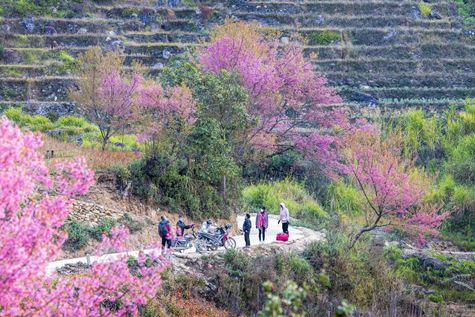
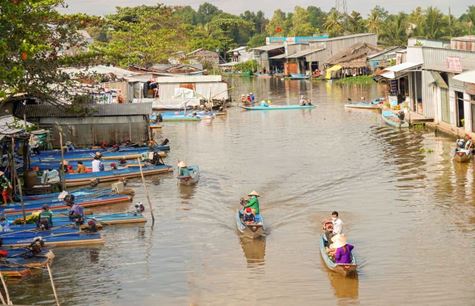
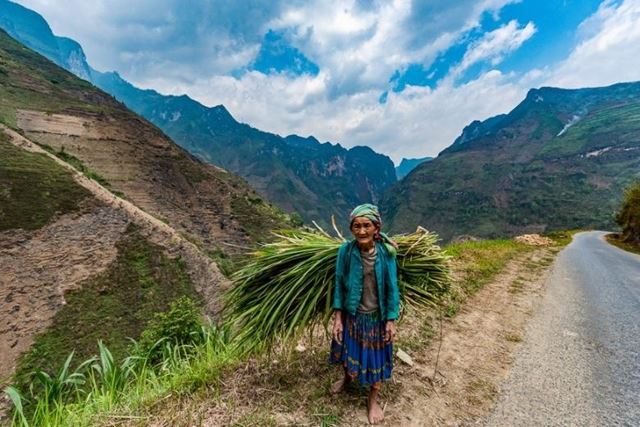
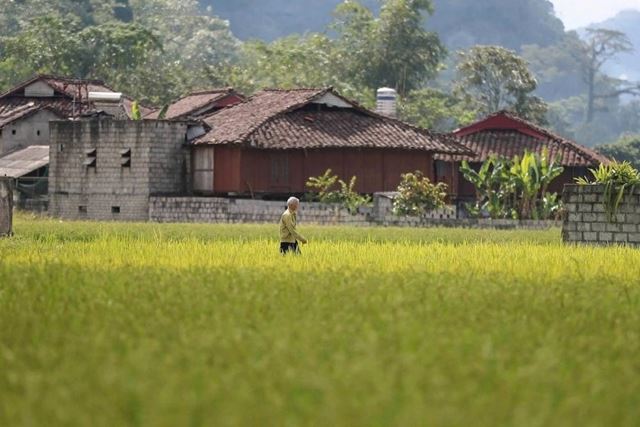
The northern part of Vietnam is, arguably, the most wonderful land ever. It’s famous for popular tourist destinations such as the Capital of Hanoi, which is rich in history and culture; the most impressive mountain hill stations like Sapa, Bac Ha, or the Ha Giang Loop; or one of the Seven Natural Wonders: Ha Long Bay. This is also true for less-traveled places with rich ethnic cultures in the northern mountain regions like Ninh Binh, Mai Chau, Moc Chau, Cao Bang, and more. In art as in love, instinct is enough, so let a tailor-made Northern Vietnam tour satisfy your wanderlust.
Filter
Reset filter
OVERVIEW

Northern Vietnam

  • Area: Approximately 100,000 km²
  • Population: Around 20 million
  • Climate: Tropical, with cooler weather in mountainous regions
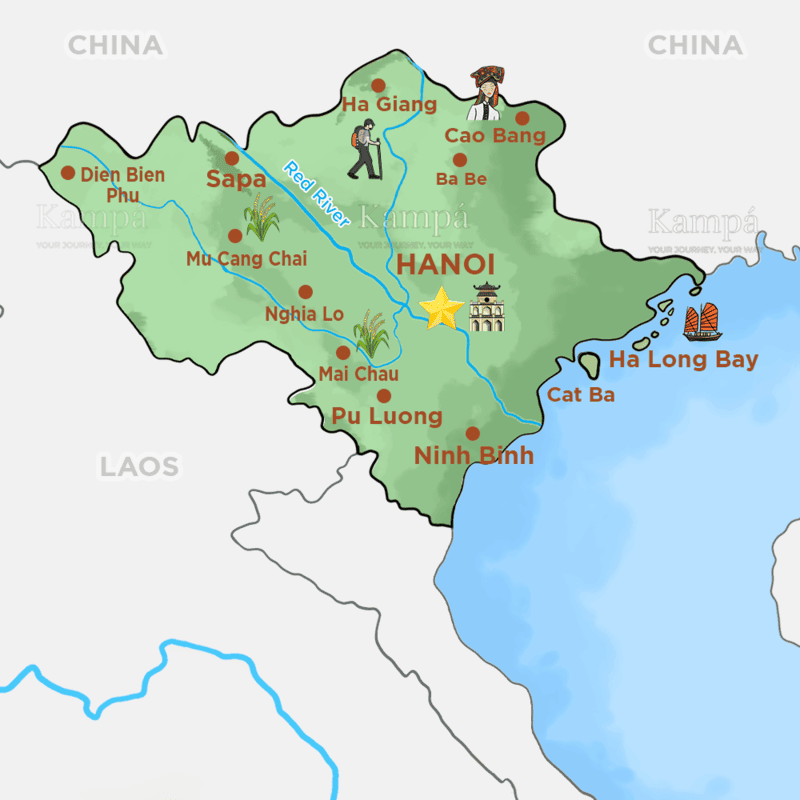
  • Geographical location: Located in the northern part of Vietnam, bordered by China to the north, and the Red River Delta to the east.
  • Regions: Northern Vietnam
  • Capital: Hanoi
  • Economic center: Hanoi and surrounding areas
  • UNESCO World Heritage Sites: Ha Long Bay, Trang An (Ninh Binh), and the Imperial Citadel of Thang Long (Hanoi)
Northern Vietnam
Expand map
INSPIRATION

Majestic, Scenic, Adventurous

Thom Doan, 31 years old
Travel Consultant
Considering personalizing your itinerary?
Get a free quote
or text us now:
FAQ

Frequently asked questions

1. What kind of wildlife can I see on tours in Northern Vietnam?

Northern Vietnam itineraries offer opportunities to see a variety of wildlife in different natural settings. In the national parks such as Cuc Phuong and Ba Be, you can encounter diverse flora and fauna, including rare species like the Delacour's langur and numerous bird species. Halong Bay is home to marine life, and while cruising, you might spot dolphins, fish, and various seabirds. In the rural and mountainous regions, you can see water buffalo, traditional livestock, and sometimes even wild pigs. These wildlife experiences add a unique dimension to your tour, allowing you to connect with Vietnam's natural heritage.

2. What are the highlights of North Vietnam trips?

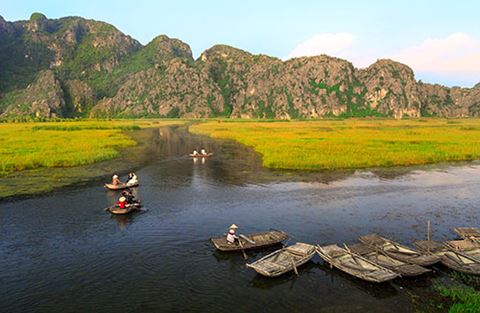
North Vietnam trips offer a rich array of highlights, including the vibrant capital city of Hanoi, with its bustling Old Quarter and historical sites such as the Ho Chi Minh Mausoleum and the Temple of Literature. Another must-see is Halong Bay, renowned for its stunning limestone karsts and emerald waters, perfect for a scenic cruise. Sapa, with its terraced rice fields and ethnic minority villages, provides a glimpse into rural life and breathtaking landscapes. Additionally, the ancient city of Ninh Binh, often referred to as "Halong Bay on land," offers stunning scenery and the historic Trang An complex.

3. What kind of accommodations can I expect on those tours?

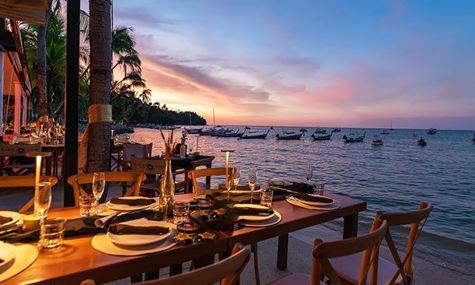
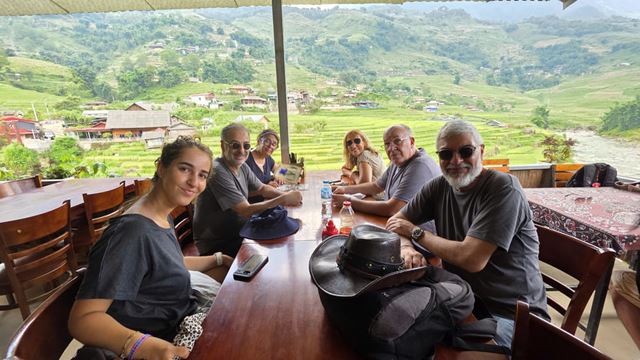
Accommodations on those adventures range from luxury hotels to budget-friendly guesthouses, providing options to suit various preferences and budgets. In major cities like Hanoi, you can find high-end hotels with modern amenities, as well as charming boutique hotels that offer a more personalized experience. In places like Halong Bay, you might stay on a traditional junk boat, enjoying a unique overnight cruise. In Sapa and other rural areas, homestays with local families are the best-seller choice, offering an authentic cultural experience and a chance to connect with the local community. No matter where you stay, our accommodations are selected to provide comfort and convenience throughout your tour.

4. When is the best time to visit Northern Vietnam?

Autumn, from September to November, is the most reliable season. The summer heat and humidity drop, the skies clear and the mountain roads are dry. Timing matters if you want the golden rice harvest: the terraces around Sapa turn gold roughly from 1 September to 5 October, and Mu Cang Chai peaks slightly later, from about 15 September to 10 October. October and November also bring buckwheat flowers to the Ha Giang plateau. Spring, from February to April, is the alternative, with festivals and blossom but more mist and low cloud.

5. How many days do you need for a North Vietnam trip?

Ten to twelve days is the length that works best. In five days you can cover Hanoi plus one nearby area such as Ninh Binh, Mai Chau or Pu Luong. Seven days lets you add Ha Long Bay or reach Sapa. From ten days you can combine the capital, the bay and a proper stay in the mountains without spending most of the trip on the road. Ha Giang on its own needs about four days because of the distances involved.

6. How physically demanding are the trekking tours?

It depends on the route, and the route is chosen once we know who is travelling. Before building an itinerary our travel consultants ask about fitness, ages, any health conditions and what you want from the walking. A family travelling with children of ten to twelve, for example, would normally be given routes of around 10 to 15 km rather than the longer mountain sections. If a walk turns out to be too much on the day, the itinerary is adjusted.

7. How do you travel between Hanoi and the northern mountains?

By private car with a driver, in vehicles of six to fourteen seats depending on the size of the group. Distances in the north are longer than most visitors expect, so the driving is planned into the itinerary rather than squeezed around it. For Sapa, the overnight train from Hanoi to Lao Cai can be arranged instead if you would rather travel while you sleep.

Have more questions? Contact us
TESTIMONIALS

What our customers say about us

BLOG & NEWS

Looking for inspirations

See more articles
Contact us Get a free quote
Contact WhatsApp