Vietnam Travel Guide for First-Timers: The 2026 Local Edition by Kampa Tour
So, you’ve booked the ticket, but now you’re staring at the map wondering, "Where do I even start?"
I get it. The internet is full of noise, over-the-top advertisements, and generic advice that causes more headaches than help. You don't need another list of pretty photos; you need a strategy.
You’ve come to the right place. I’m Oliver Phung, and with 7 years of experience in the industry, I wrote this article to be the ultimate Vietnam travel guide I wish I had when I started. I’ve put myself in your shoes to compile a brutally honest overview of logistics, costs, and safety.
This isn't a sales pitch, and it’s not sponsored fluff. It is just unbiased, professional experience to help you navigate the chaos. It is a detailed read, so feel free to use the Table of Contents below to jump straight to what you need.
Written by Oliver PHUNG (Tour Guide)
Updated on Apr 10, 2026
0 comment
Oliver Phung is a Northern Vietnam-based tour guide and blogger. His favorite topics to write about include cuisine, culture, travel, and under-the-radar experiences. Oliver possesses a deep, detailed understanding of the region, from the indigenous culture of the Hmong in the Northwest to the highland lifestyle of the Tay in the Northeast. Whether he is exploring ancient architecture or geological landscapes, he is always eager to share his insights with his readers.
Beyond his work at Kampá Tour, he produces specialized travel content on platforms such as Reddit, Instagram, LinkedIn, and various other publications.
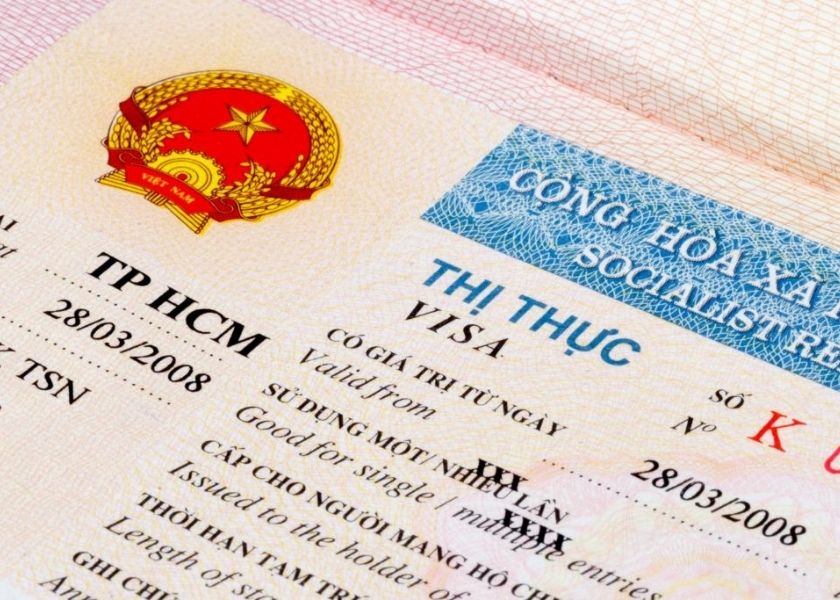
Vietnam currently grants a 45-day visa exemption to citizens of several countries, including Germany, France, Italy, Spain, the UK, Switzerland, Japan, and South Korea, among others.
Citizens of ASEAN countries can generally stay up to 30 days without a visa, depending on nationality.
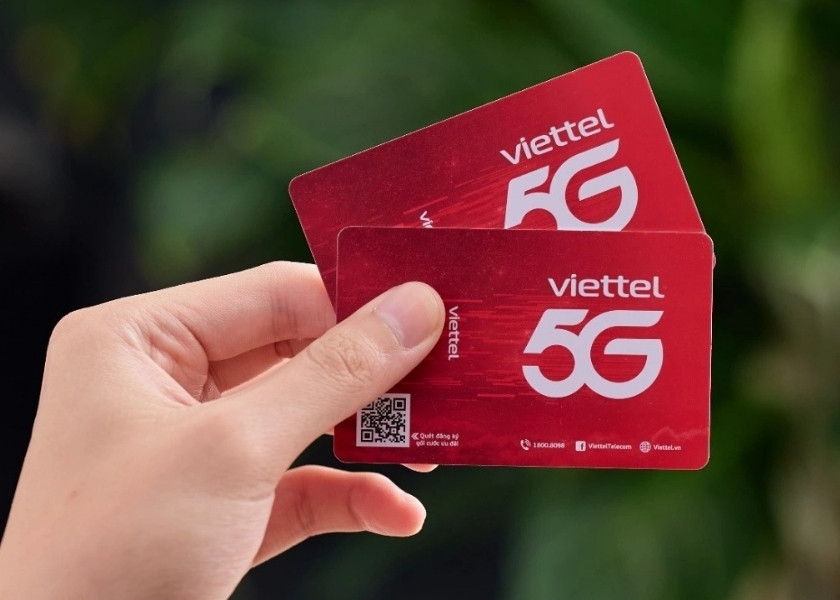
Staying connected in Vietnam is cheap and easy. You can find free Wi-Fi in almost every cafe and hotel, but having mobile data is essential for maps and translation.
The Top 3 Mobile Carriers:
Viettel: The largest network with the best coverage nationwide. This is the #1 choice if you plan to travel to remote mountainous areas like Sapa, Ha Giang, or Cao Bang.
Vinaphone: The second-largest provider, offering very stable speeds in major cities and tourist hubs.
Mobifone: A reliable option for urban areas and coastal destinations.
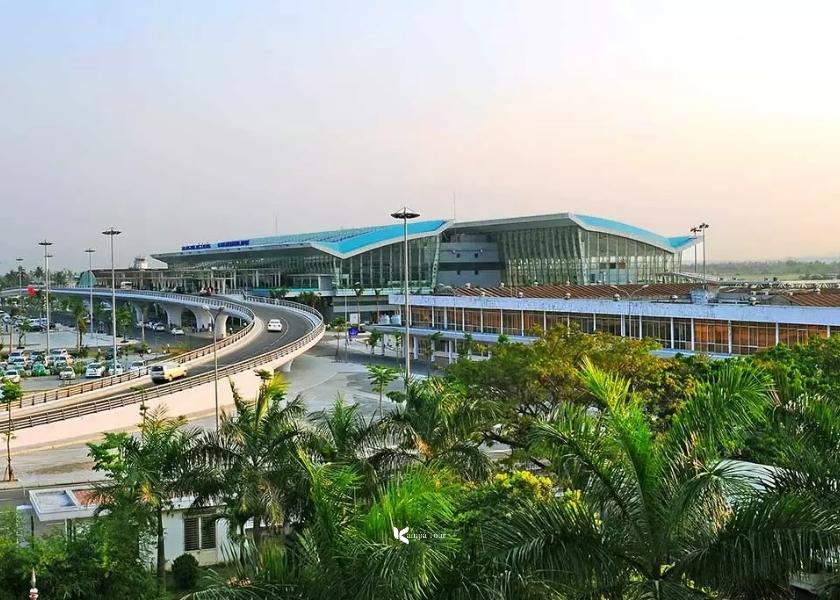
Honestly, just grab your Vietnam SIM card at the airport arrival hall immediately upon landing.
Sure, you might pay a few dollars more than in the city (usually $10 - $15 USD at the airport vs. cheaper street prices), but trust me, it is worth every penny for the convenience. The airport staff speak excellent English and will register and activate everything for you in 5 minutes. If you try to find a shop in the city later, the language barrier during registration can be a real headache!
In addition, I always recommend Viettel. Whether I am trekking in the mountains of Ha Giang or relaxing on a remote island, Viettel always has the strongest and most stable signal.
2. Best Time to Visit Vietnam
2.1. Best time to visit overall
October to April is the best window to travel throughout Vietnam. During this period, the weather aligns perfectly across all three regions, making it ideal for a cross-country adventure.
Here is why this timeframe wins:
North: Cool and dry (15°C - 25°C). It is perfect for trekking and cruises, though Dec–Jan can be misty and chilly.
Central: The rainy season ends in January. By February, you get warm sunshine and calm beaches (23°C - 30°C).
South: It is the dry season, with guaranteed blue skies and comfortable humidity (25°C - 32°C).
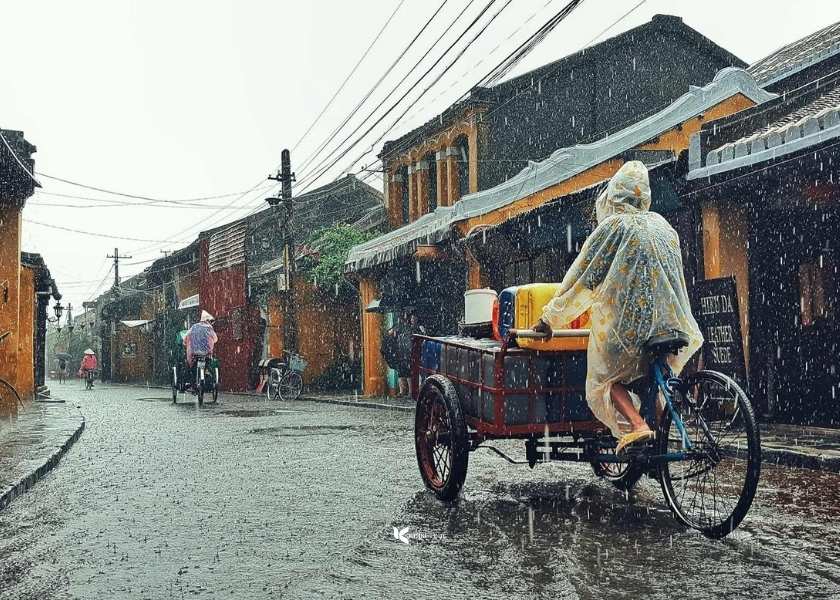
💡 Oliver's Insight:Don't be afraid of the words "Monsoon" or "Rainy Season" in the South. Unlike European rain, Vietnamese tropical rain usually comes in short bursts (30–60 minutes) in the late afternoon. It rarely ruins a whole day of travel!
Traveling during the rainy season in Vietnam still has its own unique charm
4 Seasons. Winters (Dec-Feb) can be misty & cold (down to 10°C) – Cruises may be foggy.
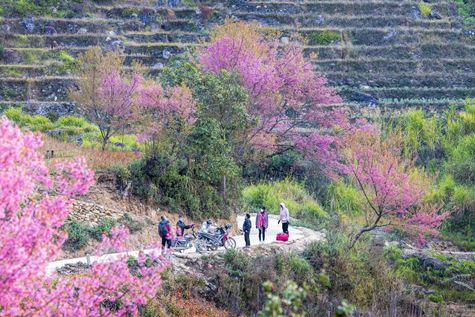
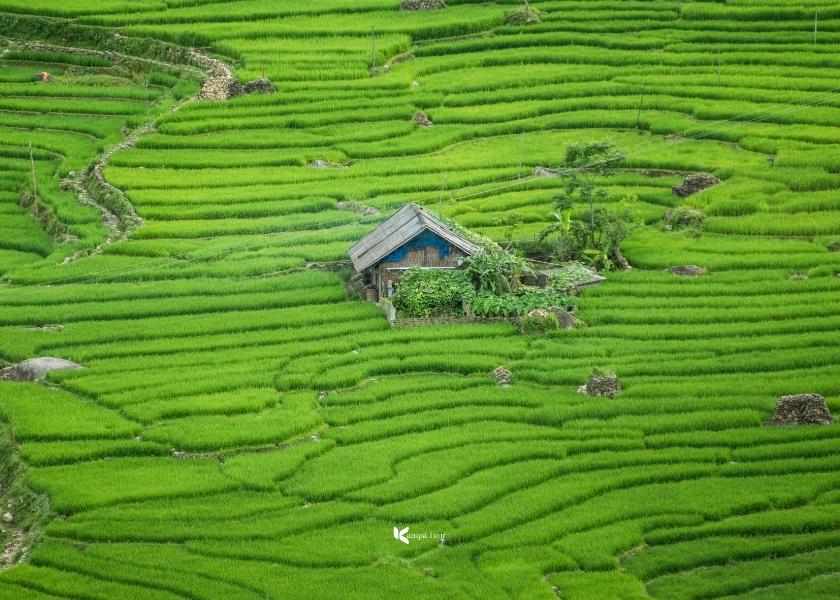
🌾 Tip: Sep-Oct is the Golden Rice Harvest in Sapa.
Central Vietnam
Hoi An, Da Nang, Hue, Phong Nha
January – August
September – November (Typhoon Season)
Hot & Dry. Peak heat (35°C+) in Jun-Jul. Great for beaches.
⚠️ Warning: Avoid Oct-Nov due to heavy storms & potential flooding in Hoi An.
Southern Vietnam
Ho Chi Minh City, Mekong Delta, Phu Quoc
November – April
May – October
Tropical Climate. Warm year-round (25-35°C). The rain usually comes in short 1-hour bursts in the afternoon (it rarely ruins the day).
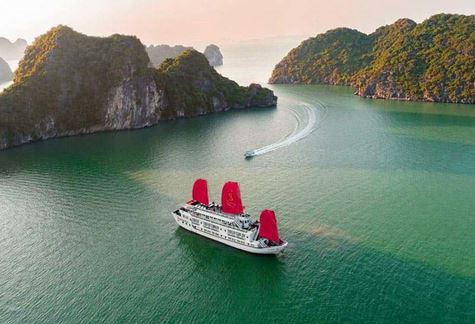
💡 For Halong Bay lovers:If you want to visit Halong Bay, try to avoid July and August. This is the peak of the storm season, and cruises can be cancelled at the last minute due to bad weather. October and November are the absolute best months for a cruise! - (Oliver Phung)
2.3. Tet Holiday & Public Holidays
Tet Nguyen Dan (Tet holiday) is the biggest, most important festival in Vietnam. It is equivalent to Christmas and New Year combined in the West.
📅 Mark your calendar: The next Tet Holiday falls on February 17, 2026 (Year of the Horse).
Should you visit Vietnam during Tet?
It depends on your travel style. Here is the honest breakdown:
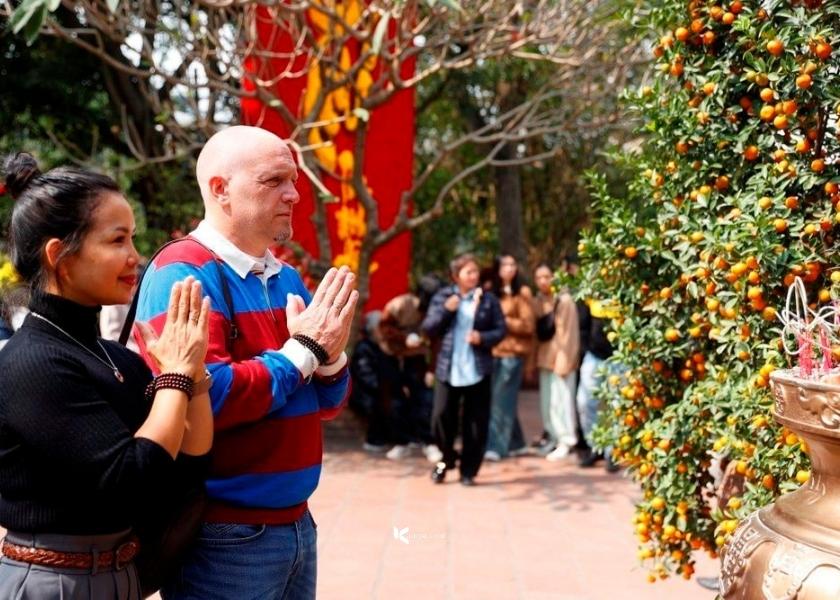
Experience a rare "Ghost City" vibe as chaotic streets become silent and peaceful. Meanwhile, temples bustle with locals praying for luck amidst colorful flower markets.
Most museums and offices close for 3-5 days. However, tourist restaurants remain open but often add a 10-20% holiday surcharge.
Vietnam is a long, narrow country (over 1,650km). A common mistake first-timers make is trying to "see it all" in a few days, spending more time on buses than enjoying the views.
So, to help you plan, Kampá Tour has designed 4 optimized routes based on your timeframe and travel style. These are our top-rated tours for 2026.
3.1. 10 Days in Vietnam: The "Greatest Hits"
If you only have 10 days, focus on the "Big 6" destinations. This route balances culture, nature, and city life without rushing.
The Route: Hanoi → Halong Bay → Hue → Hoi An → Ho Chi Minh City → Mekong Delta
Thẻ tour 4819
3.2. 2 Weeks in Vietnam: The Balanced Journey
With 14 days, you can bridge the gap between North and Central.
The Route: Hanoi → Sapa → Ninh Binh → Halong Bay → Hue → Hoi An → Da Nang
Thẻ tour 8324
3.3. 3 Weeks to 1 Month: The Deep Dive Adventure
This is the ultimate Vietnam experience. Go off the beaten path to see the raw beauty that short-term tourists miss.
The Route: Hanoi → Pu Luong → Ninh Binh → Halong Bay →Hue → Hoi An → Ho Chi Minh City → Mekong Delta → Phu Quoc island
Thẻ tour 4856
3.4. Vietnam with Kids: A Family-Friendly Route
Traveling with kids in Vietnam is rewarding but challenging due to the heat and traffic. The key here is "Slow Travel".
The Strategy: Minimize long car rides. Choose hotels with swimming pools. Focus on interactive activities (Pottery making, Bamboo basket boat rides).
Recommended Stops: Hanoi → Pu Luong (nature and rice field) → Halong Bay (Overnight boat) → Hoi An (Beach & Old Town) → Phu Quoc Island (Resort relaxation)
For your first time in Vietnam, especially in the North, you can't miss the "Big 5", the benchmark for Vietnamese tourism.
4.1. Hanoi: The heart of Vietnam
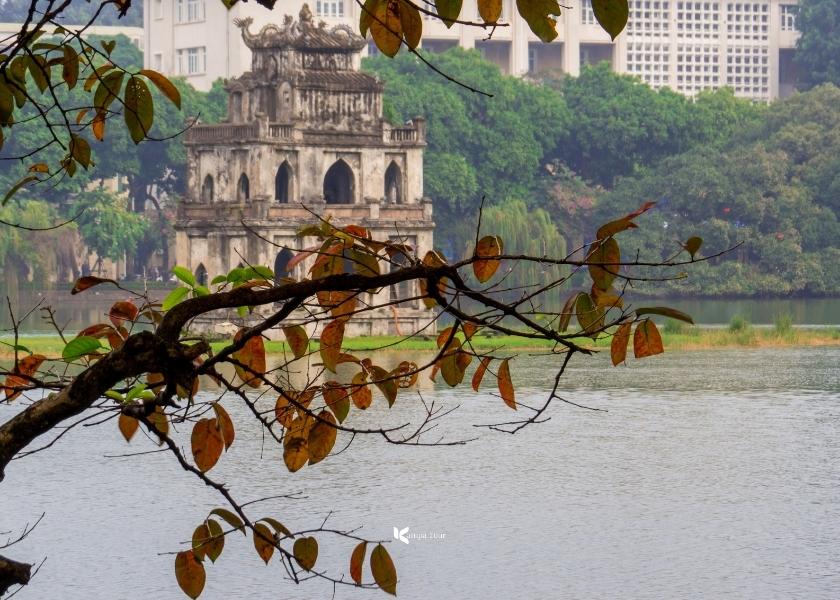
Hanoi is a sensory overload in the best way possible. As the gateway to Northern Vietnam, this 1,000-year-old capital is a mesmerizing blend of towering modern skyscrapers and ancient feudal architecture. It is the perfect crash course in Vietnamese culture, serving as the nerve center of the country while retaining its traditional soul.
To truly understand the pulse of the city beneath the chaos, here are the three experiences I recommend to every traveler:
4.1.1. Things to do in Hanoi
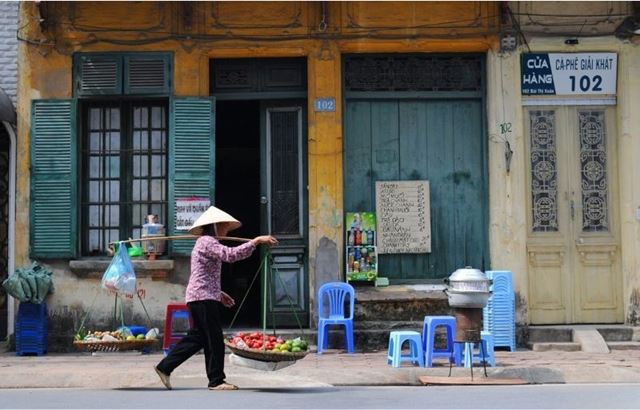
Hanoi Old Quarter (36 Streets): This is the heart of the city. Don't just look at the map; look at the street names. Historically, each street sold one specific item, so you will find yourself on "Hàng Bạc -Silver Street" or "Hàng Tre - Bamboo Street".
Feel the Rush at Train Street: Sipping an egg coffee just inches away from a moving train is a thrill unique to Hanoi. It is loud, it is close, and it is unforgettable.
Taste "Liquid Tiramisu" (Egg Coffee): You cannot leave Hanoi without trying Cà Phê Trứng. Invented in 1946 when milk was scarce, this creamy blend of Robusta coffee and whipped egg yolk tastes exactly like liquid tiramisu.
Thẻ Media Gallery things-to-do-in-hanoi
Oliver's Advice:
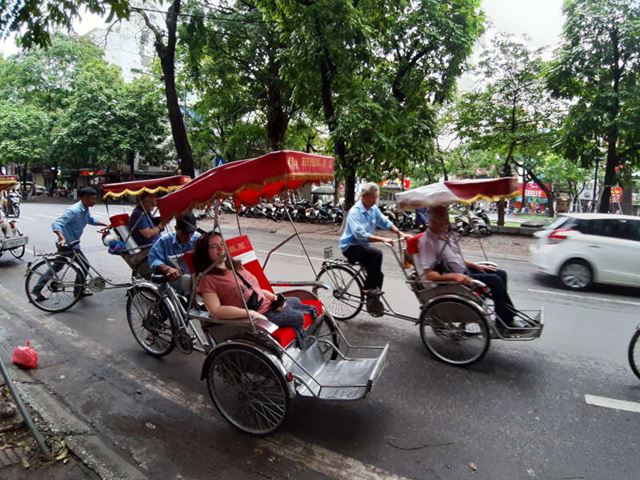
Hanoi traffic is legendary. To survive the chaos, time your Cyclo ride between 9-11 AM or 3-5 PM to dodge the rush hour madness.
Police strictly control entry, so you must be escorted by a cafe owner. Pro tip: Phung Hung is for the classic photo, but Le Duan is the secret spot to escape the crowds.
Skip the modern franchises. Taste the original egg coffee at Cafe Giang (the birthplace) or climb the hidden stairs of Cafe Dinh for a rustic lake view.
I recommend staying in the Old Quarter as it's the best option, since you can easily access Hanoi's main tourist attractions from there.
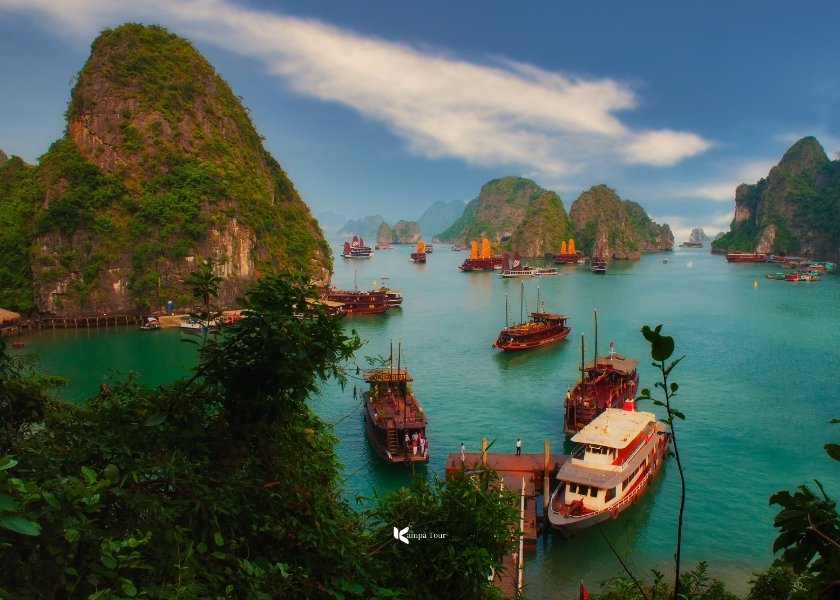
Ha Long Bay isn't just a destination; it is one of the New 7 Wonders of Nature. But here is my honest advice: Don't rush it.
I see too many travelers making the rookie mistake of booking a day trip. Trust me, spending 6 hours on a bus for only 4 hours on a boat is exhausting. To truly experience the magic, drifting past floating villages and waking up surrounded by thousands of limestone pillars, an Overnight Cruise is mandatory. It’s the only way to beat the crowds and see the bay when it’s most peaceful, at sunrise and sunset.
4.2.1. Halong Bay, Lan Ha Bay, and Bai Tu Long Bay
Halong Bay (The Classic Choice): This is the core UNESCO World Heritage site.
Pros: It has the most iconic spots, like Sung Sot Cave (a massive walkable cave) and Ti Top Island (for panoramic hiking).
Cons: It is heavily visited. You will see hundreds of other boats, and swimming is restricted to specific crowded beaches.
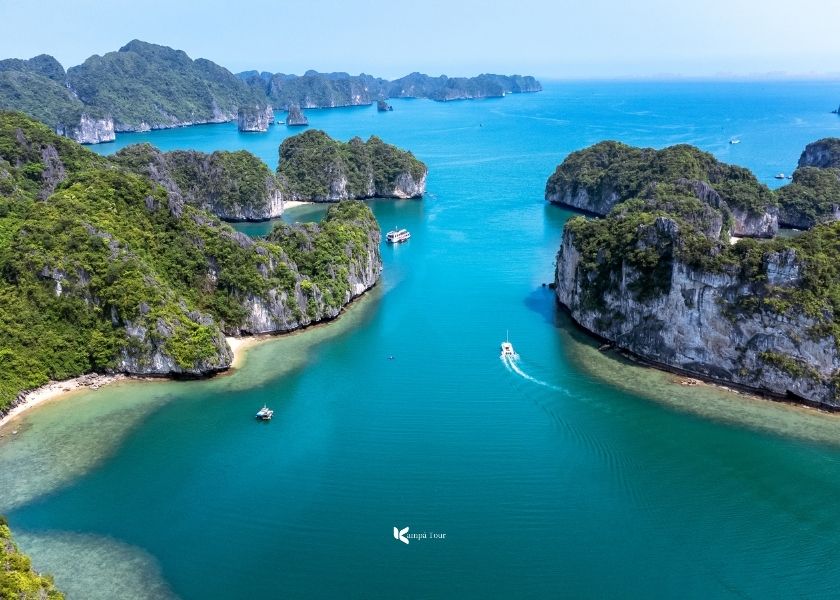
Lan Ha Bay (The Hidden Gem): Located south of Halong Bay (bordering Cat Ba Island).
Pros: It is much cleaner, quieter, and greener. You can jump off the boat to swim anywhere. It is perfect for kayaking through "water caves" (like Dark & Bright Cave).
Cons: It lacks the massive "dry" caves for walking that Halong Bay has.
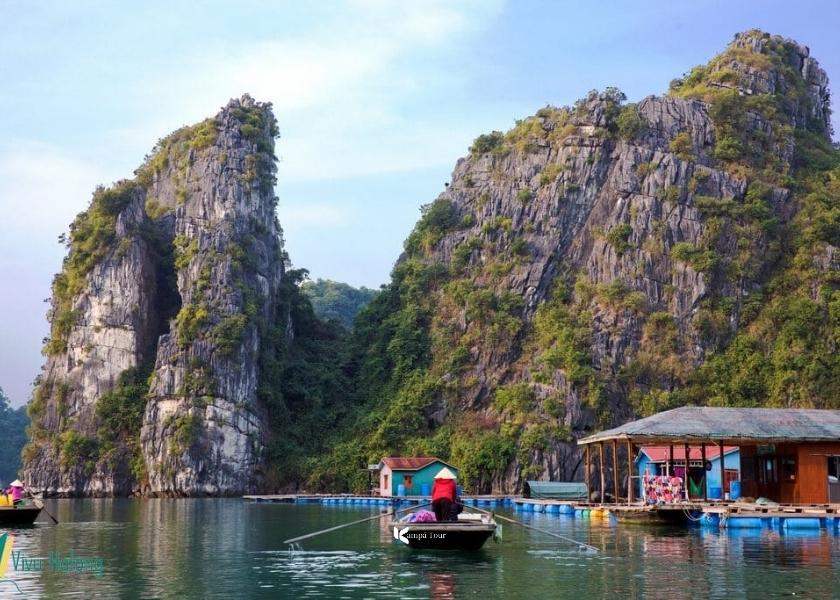
Bai Tu Long Bay (The Primitive Choice): Located northeast of Halong Bay.
Pros: This is the wildest and most peaceful option. You will see almost no other tourists. It is famous for authentic fishing villages (like Vung Vieng) and pristine, untouched nature.
Cons: It is further away, so the journey takes a bit longer. There are fewer cruise options compared to the other two bays.
Having personally explored every corner of these waters over the last decade, here is my honest verdict to help you decide quickly:
Choose Halong Bay if it's your first time and you want those iconic, bucket-list photos.
Choose Lan Ha Bay if you love swimming and kayaking (This is Kampá Tour's top recommendation for active travelers).
Choose Bai Tu Long Bay if you want absolute silence and to escape the modern world entirely.
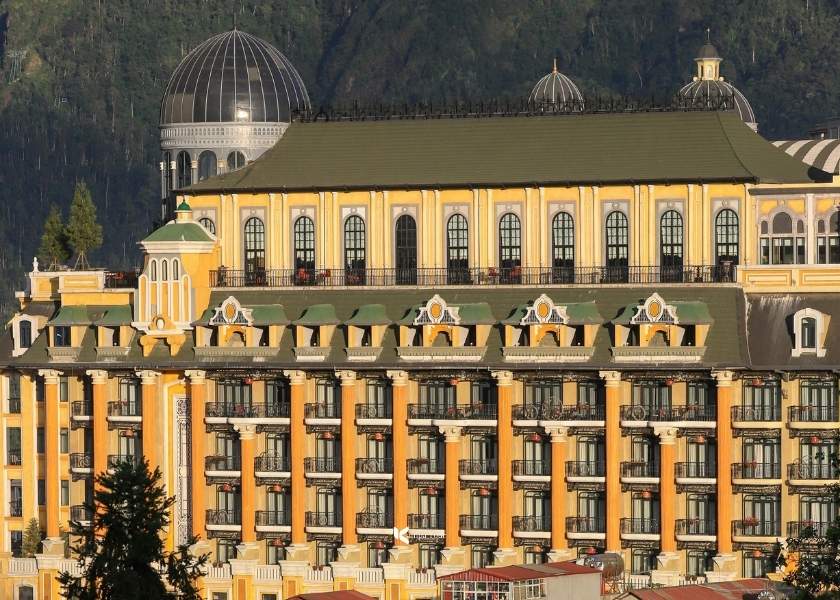
4.3. Sapa & Ha Giang
Northern Vietnam offers the most spectacular mountain scenery in Southeast Asia. However, travelers often get confused between the two giants: Sapa and Ha Giang.
While both feature rice terraces and ethnic minorities, the experience is completely different. Here is the breakdown to help you choose:
Think of Sapa as the accessible beauty. It’s famous for a reason. You get the rolling emerald rice terraces of Muong Hoa Valley and the misty charm of the Fansipan mountain without sacrificing comfort, or deeply experience the life of the Red Dao and Black Hmong in Ta Van and Lao Chai villages.
If Sapa is the soft rolling hills, Ha Giang is the jagged edge. Often called “cao nguyên đá - rocky plateau”, this is Vietnam’s final frontier. It’s raw, dramatic, and surprisingly quiet. The scenery here isn’t just beautiful; it’s aggressive, sharp limestone peaks and the terrifyingly deep Nho Que River canyon and Ma Pi Leng pass.
4.4. Ninh Binh
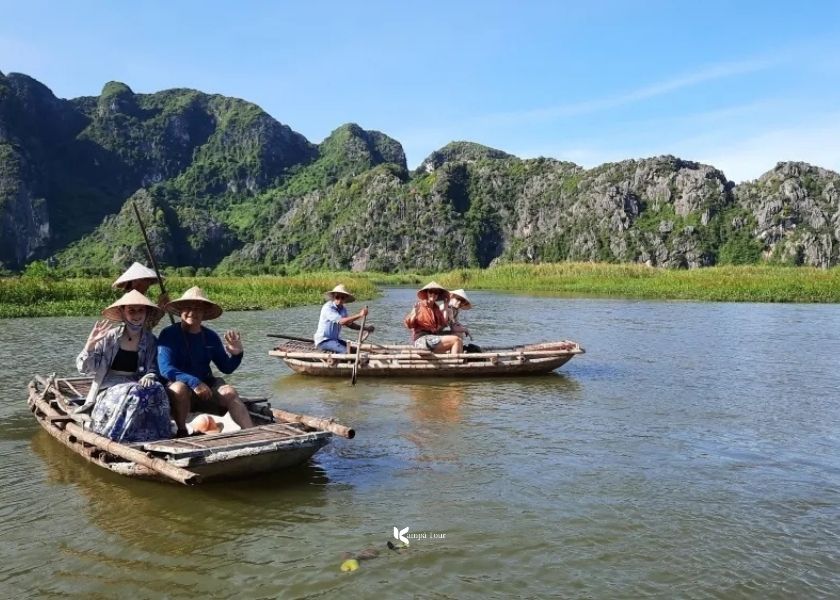
"Halong Bay on Land” isn't just a catchy nickname; it is actually accurate. Just two hours south of Hanoi, you get the same dramatic limestone cliffs, but instead of choppy water, you are floating through serene rice paddies in Ninh Binh. The real dilemma here is choosing your boat route.
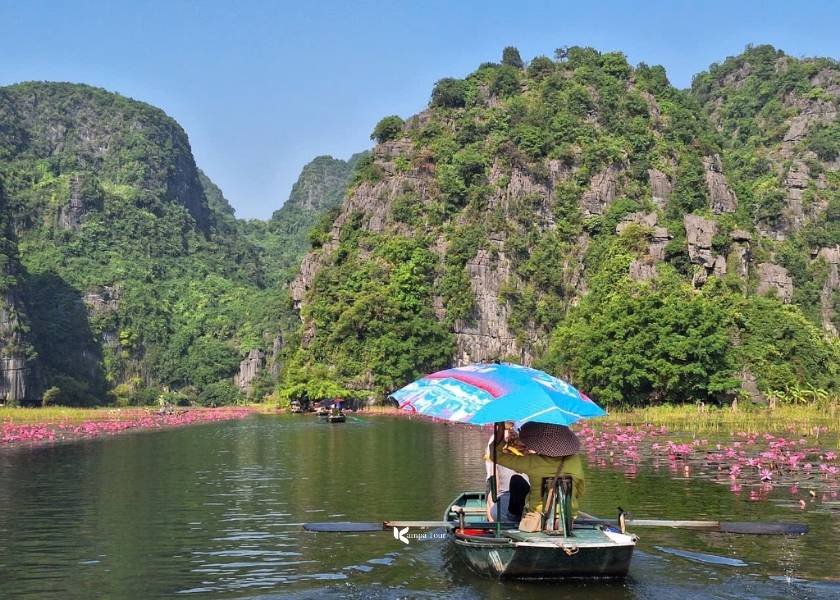
Trang An in the season of water lilies
While Tam Coc gets the fame for its golden harvest season (and locals rowing with their feet), Trang An often feels less chaotic and offers far more impressive cave systems. Whatever you pick, do not skip the sweaty 500-step climb up Mua Cave, it is hands-down the best viewpoint in the entire region.
Central Vietnam is the heritage heavyweight of the country. This narrow strip of land packs in the highest concentration of UNESCO World Heritage sites, ranging from the world’s largest cave system in Phong Nha to the lantern-lit streets of Hoi An. If the North is about dramatic mountains and the South is about bustling energy, the Center is where you find the country’s soul, along with its best beaches.
5.1. Phong Nha Ke Bang
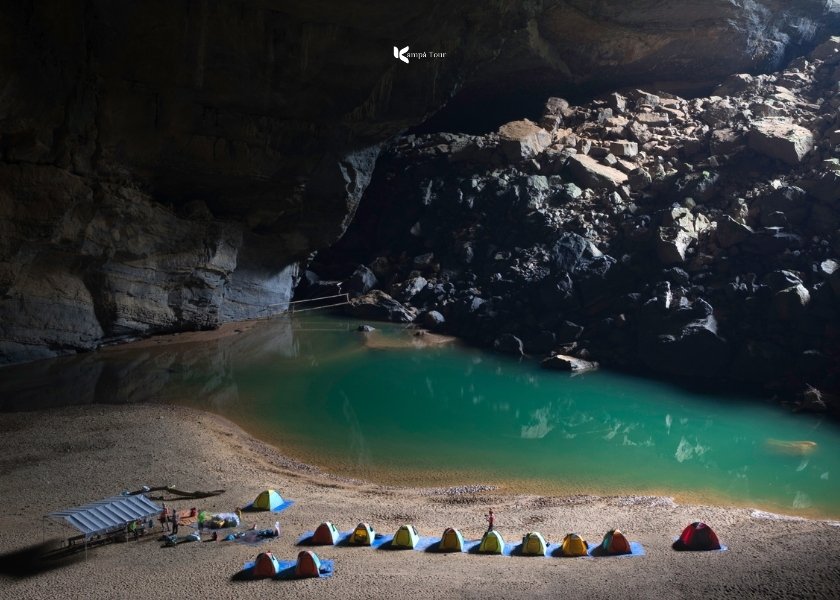
This place gives off serious Jurassic Park vibes. We are talking about 400-million-year-old limestone karsts slicing through thick jungle, creating an ecosystem that feels completely untouched by the modern world. It is famous for housing Son Doong, the largest cave on the planet. But to be honest: expeditions there cost $3,000 and are currently sold out through 2027.
Yet! You do not need to be a millionaire to be blown away here. My top pick for most travelers is Paradise Cave. It is breathtakingly massive, so large you could fit a jumbo jet inside, yet accessible enough to explore via a wooden boardwalk without specialized gear. For a wetter adventure, grab a boat into Phong Nha Cave to see the underground river systems up close.
If Hanoi is the adrenaline, Hue is the exhale. This former capital is moody, poetic, and arguably the food capital of Vietnam. The massive Imperial Citadel gets all the fame, but the real architectural flex here is the Royal Tombs.
You essentially have two choices: the peaceful, forest-like grounds of Minh Mang or the dark, gothic concrete of Khai Dinh, which looks more like a French castle than a Vietnamese temple. And please, forget Pho for a second. Hue is the birthplace of Bun Bo Hue, a spicy lemongrass beef noodle soup that punches way harder than its northern cousin.
5.3. Hoi An Ancient Town
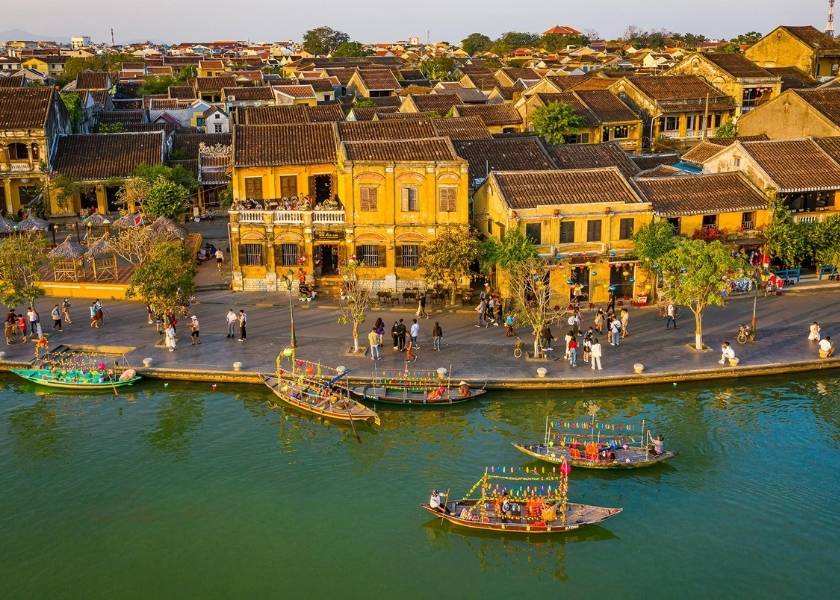
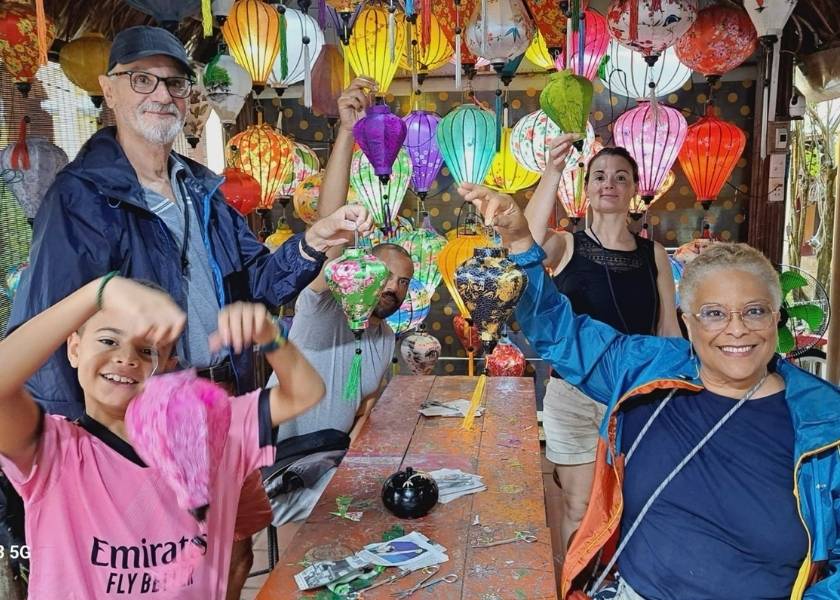
Stepping into Hoi An feels less like visiting a modern city and more like wandering onto a movie set from a bygone era. The Old Town is a maze of mustard-yellow shophouses and faded Chinese temples that look their absolute best at dawn, long before the tour buses roll in. By night, the vibe shifts completely as the electric streetlights cut out, replaced by the glow of thousands of silk lanterns reflecting off the Thu Bon River. It is undeniably touristy, but the magic is real.
Beyond the atmosphere, this is the place to upgrade your wardrobe. The town is famous for its lightning-fast tailors who can turn a Pinterest screenshot into a custom-fitted dress or suit in under 24 hours. For food, do not leave without grabbing a crispy Banh Mi or a bowl of Cao Lau noodles, chewy and smoky, and found nowhere else in Vietnam.
5.4. Da Nang
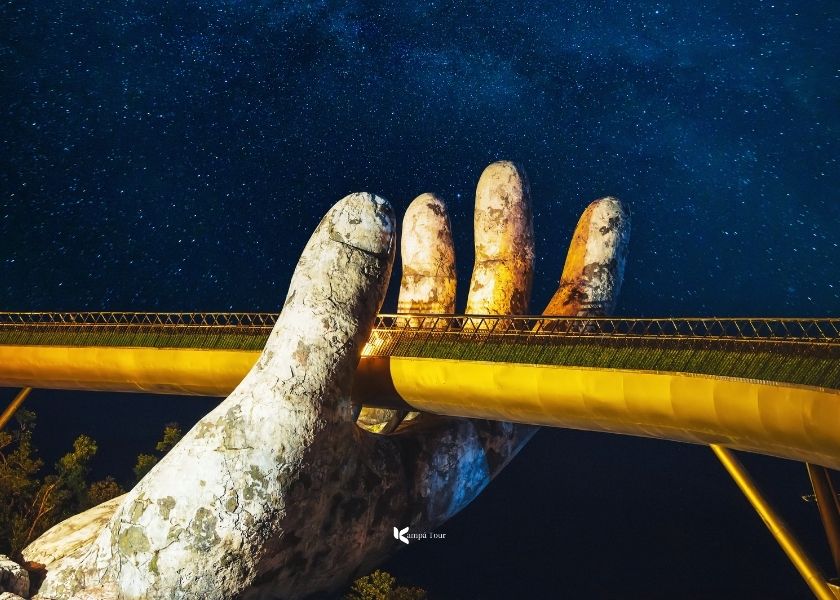
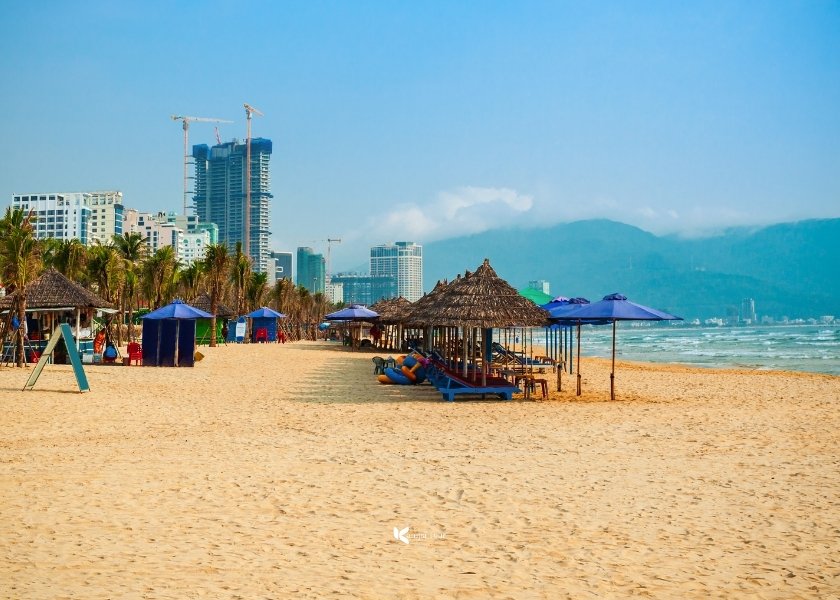
Da Nang feels like the Miami of Vietnam, with wide boulevards, towering high-rises, and a massive stretch of white sand right in the city center. While the Golden Bridge gets the Instagram fame, just be warned that it is inside a crowded theme park called Ba Na Hills, the real relaxation happens at My Khe Beach.
It is surprisingly clean, uncrowded, and lined with seafood shacks where you can dine with your toes buried in the sand. Back in the city, the real show happens on weekends when the massive Dragon Bridge literally breathes fire and water at 9 PM. It is kitschy, loud, and absolutely fun.
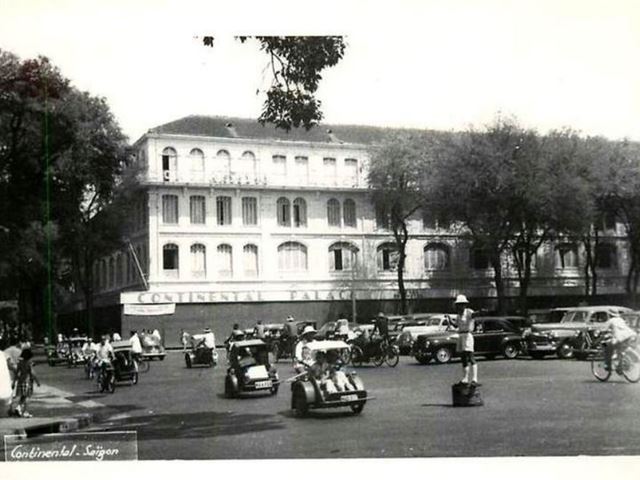
Locals still call it Saigon, and it is the absolute opposite of Hanoi. If the capital is a graceful old lady sipping tea, Saigon is a young entrepreneur on a caffeine high. It is loud, chaotic, and unapologetically modern.
6.1.1 War History & Modern Vibes
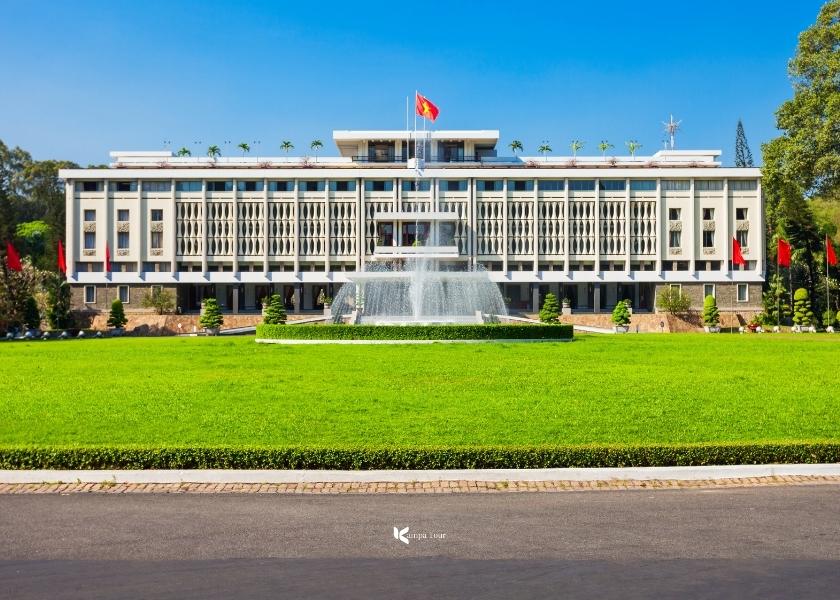
Saigon is a city of emotional whiplash. You start your morning confronting the brutal reality of the "American War" at the War Remnants Museum, which is a gut-wrenching but essential stop to understand what this country endured. Just blocks away, you can stand at the gates of the Reunification Palace where tanks crashed through in 1975 to end the conflict. But the city doesn't dwell in the past.
To shake off the heavy history, you head straight into the chaos of the present at the Cafe Apartment (No. 42) on Nguyen Hue Street, a rundown block reborn as a vertical hipster mall. By nightfall, the skyline rivals Bangkok, and you can wash down the day’s lessons with a cold beer on a rooftop while a river of motorbikes flows below.
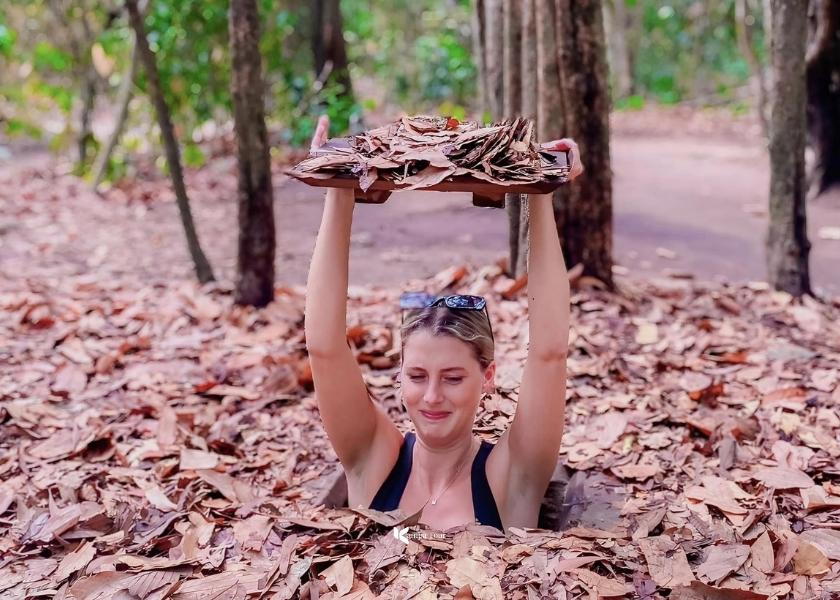
Just an hour outside the city lies a 200km underground network that once housed entire Viet Cong villages. It is an engineering marvel, but a tight squeeze. You will get a chance to crawl through the Cu Chi tunnels, but if you are claustrophobic, stay above ground and watch the trapdoor demonstrations instead.
6.2. Mekong Delta
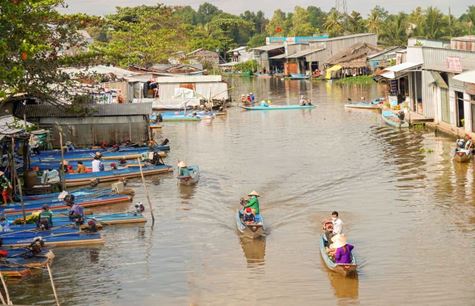
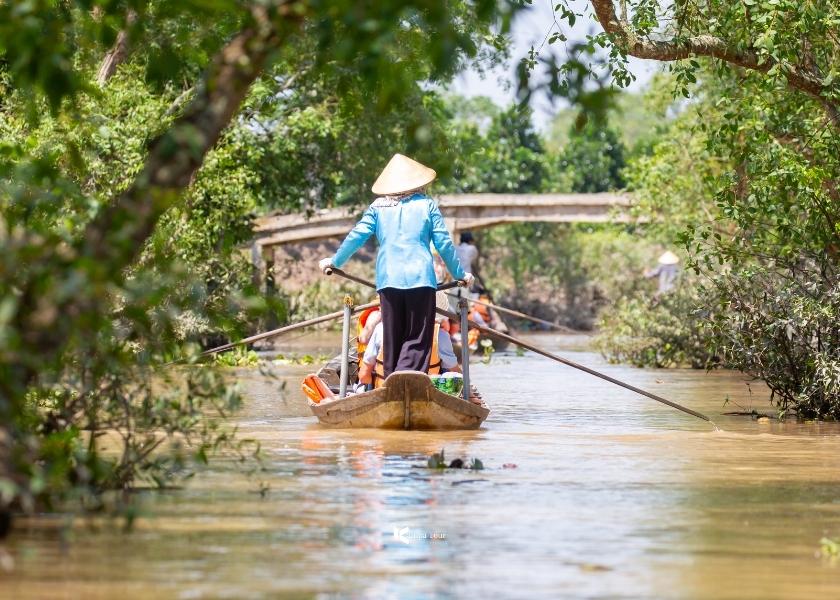
Just two hours south of Saigon, the landscape shifts dramatically. You trade skyscrapers for endless green paddies and winding canals. This is the Mekong Delta, where life happens on the water.
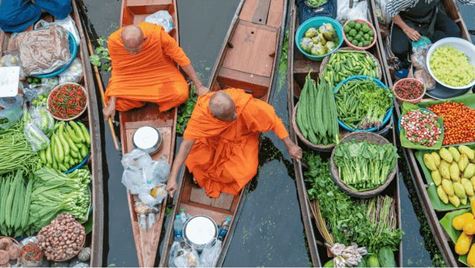
Many travel agencies will tell you this is a must-visit, but they often omit one crucial detail: if you take a day trip from Saigon, you will arrive at 11:00 AM, when the market is already dead. The real action happens between 5:30 AM and 7:00 AM, when wholesalers are throwing watermelons and pineapples from boat to boat.
So, do not try to hack it with a day trip. Stay overnight at a homestay in Can Tho. There is nothing quite like waking up on the river and slurping a bowl of Hu Tieu right from a sampan at sunrise.
Bonus: the "Real" Delta Experience
If the floating market is the chaos, the narrow canals are the zen. But here is the trick: most tour buses dump everyone in My Tho, turning it into a tourist circus. For the actual lush, green delta vibe, push further to Ben Tre (the Coconut Kingdom). Ditch the van and hop on a hand-rowed sampan or a Xe Loi (motorized rickshaw).
6.3. Phu Quoc Island
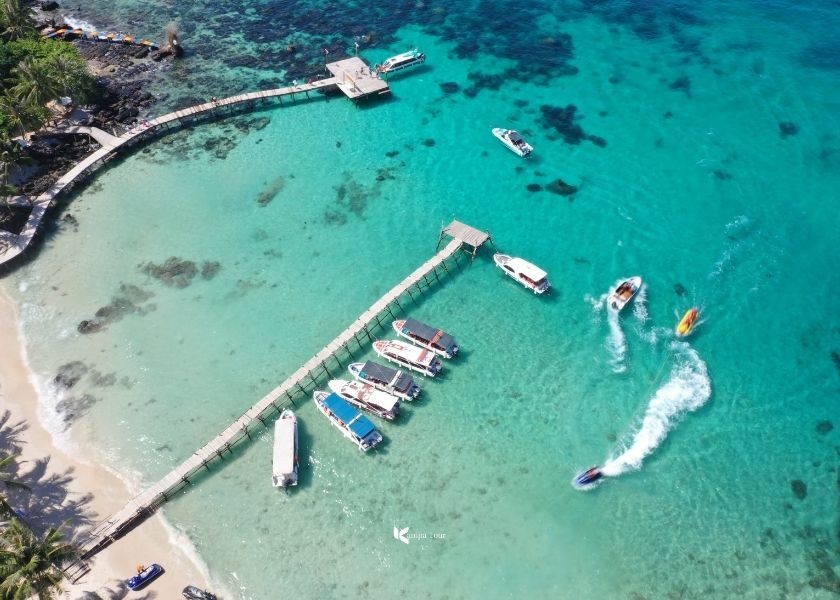
If Vietnam is a sensory overload, Phu Quoc island is the deep exhale. This island is Vietnam’s answer to the Maldives, a masterpiece of powdery white sands and water so clear you can count your toes. You come here to lounge on Sao Beach, which looks legitimately Photoshopped, and to soar over the jungle-clad An Thoi archipelago on the Hon Thom Cable Car, a ride that offers arguably the best ocean views in Southeast Asia.
In addition, it is the only spot inVietnam with a 30-day visa exemption if you fly direct. No paperwork, just paradise. It is the perfect, lazy ending to your adventure.
7. What to eat in Vietnam?
Forget bland food. Vietnamese cuisine is an explosion of fresh herbs, pungent fish sauce, and complex broths that will ruin takeout for you forever. With over 3,000 recorded dishes, this country is arguably the best food destination in Southeast Asia.
But it is not just about Pho. The flavors shift dramatically as you move down the map, from the savory purity of the North to the spicy kick of the Central coast and the sweet, herb-loaded richness of the South. You did not just come here to see the landscapes. You came here to feast.
7.1. Must-Try Vietnamese Dishes
Vietnamese Pho: The national soul. Whether you prefer the clear, minimalist Northern style or the herb-heavy Southern version, this noodle soup is the undisputed king of breakfast.
Bun Cha: Hanoi’s lunch obsession. Smoky charcoal-grilled pork patties floating in a savory dipping sauce. Yes, this is the dish Obama and Anthony Bourdain made famous.
Bun Bo Hue: The spicy heavyweight. Originating from the Imperial City, this beef noodle soup packs a lemongrass and chili punch that is far bolder than Pho.
Banh Mi: The world’s best sandwich. A crispy French baguette loaded with pâté, cold cuts, and pickled veggies. It is the perfect $1 meal on the go.
Bun Rieu: The crab lover's dream. A tangy tomato and crab paste broth that offers a unique, rustic flavor profile distinct from other noodle soups.
Cao Lau: Hoi An’s exclusive legend. You can only find this in Hoi An. Think chewy, udon-like noodles topped with smoky pork and crispy crackers, no broth, just pure flavor.
Com Tam (Broken Rice): The taste of Saigon. "Broken" rice grains served with grilled pork ribs and fish sauce. It used to be a poor man's meal; now it is a southern icon.
Spring Roll: The perfect crunch. Called Nem Ran in the North and Cha Gio in the South, these crispy, golden rolls are the ultimate side dish for any meal.
Bun Dau Mam Tom: The daredevil’s choice. Crispy tofu and boiled pork dipped in fermented shrimp paste. It smells strong, tastes intense, and is the ultimate badge of honor for adventurous eaters.
Thẻ Media Gallery vietnamese-cuisine
7.2. Vietnamese coffee
Vietnam runs on high-octane Robusta fuel, beans that pack double the caffeine of your average Arabica. Forget watery Americanos. The brew here is thick, dark, and intense. The daily ritual is Cà Phê Sữa Đá, iced coffee with condensed milk, a potent mix that perfectly balances bitterness with sugary bliss.
In Hanoi, you cannot missEgg Coffee, known locally as Cà Phê Trứng. Do not let the name scare you. This frothy mix of whipped yolk and sugar tastes shockingly like liquid tiramisu. For a tropical twist, grab a Coconut Coffee slushy. It is the ultimate heat-beater on a humid afternoon.
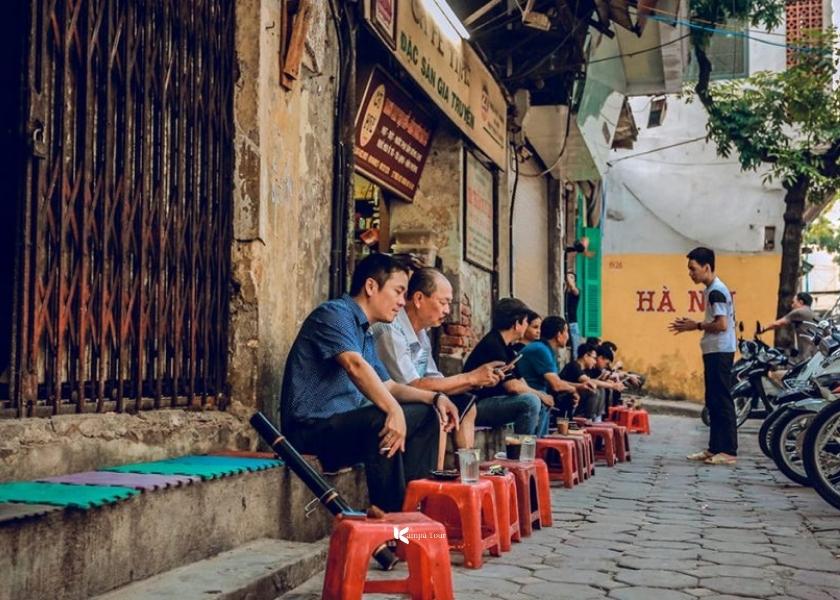
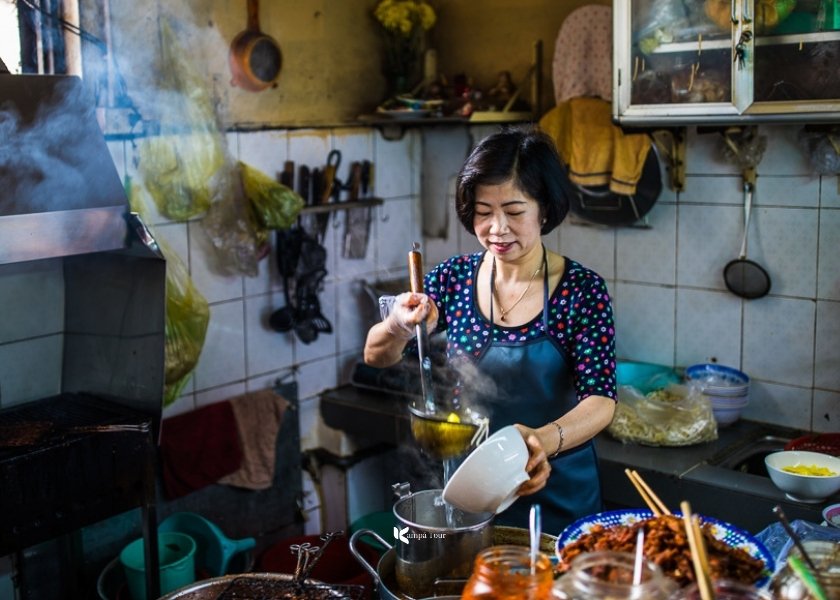
Let’s be real: the best food in Vietnam is on the sidewalk, not in your hotel restaurant. But nobody wants to spend their vacation hugging a toilet. The secret to staying safe is simple: follow the locals. If you see a stall packed with Vietnamese people slouching over tiny plastic stools, that is your green light.
High turnover means the ingredients are fresh and have not been sitting out for hours in the heat. Avoid empty places like the plague. Also, a classic local trick is to wipe your chopsticks with a slice of lime before eating to sanitize them. Stick to food that is cooked right in front of you. If it is steaming hot, it is safe.
Thẻ Brevo: form - Vietnam
8. How to get around Vietnam?
Vietnam looks small on a map, but it is a deceptively long, S-shaped country of over 1,600 km. Moving from North to South is not a quick hop. It is a logistical puzzle. Here is how to navigate it without losing your mind.
8.1. Domestic Flights: The Time Saver
If you have less than two weeks, fly. Roads can be slow, and trains are intentionally leisurely. You essentially have two main choices.
Vietnam Airlines: The national carrier and the most reliable option. Expect full service, checked luggage included, and generally good punctuality. Tickets cost more, but you get what you pay for.
VietJet Air: The budget option. Prices are incredibly low, but delays are common. Many travelers jokingly call it “Delay Airlines.” If you have a connecting international flight, do not take the risk with a budget carrier.
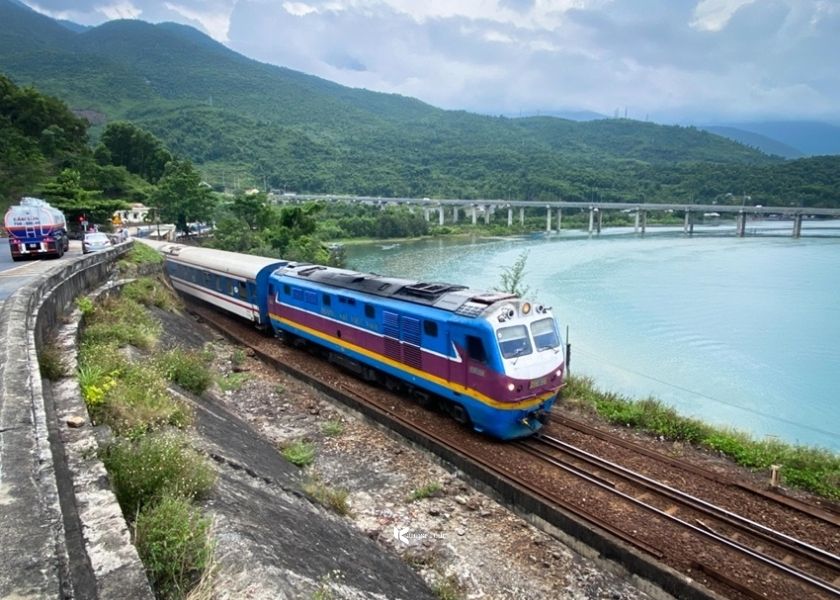
The Reunification Express runs the entire length of the country. Is it fast? Absolutely not. Locals often joke that it should be called the “Great Vibration Train” because the tracks are old and bumpy.
You do not take the train for speed. You take it for the view.
Sleeper cabins are a reasonable way to save on a hotel night for long journeys, such as Hanoi to Sapa. That said, the absolute must-do leg is Hue to Da Nang. The train hugs the cliffs of the Hai Van Pass and delivers ocean views you simply cannot get from a plane or bus.
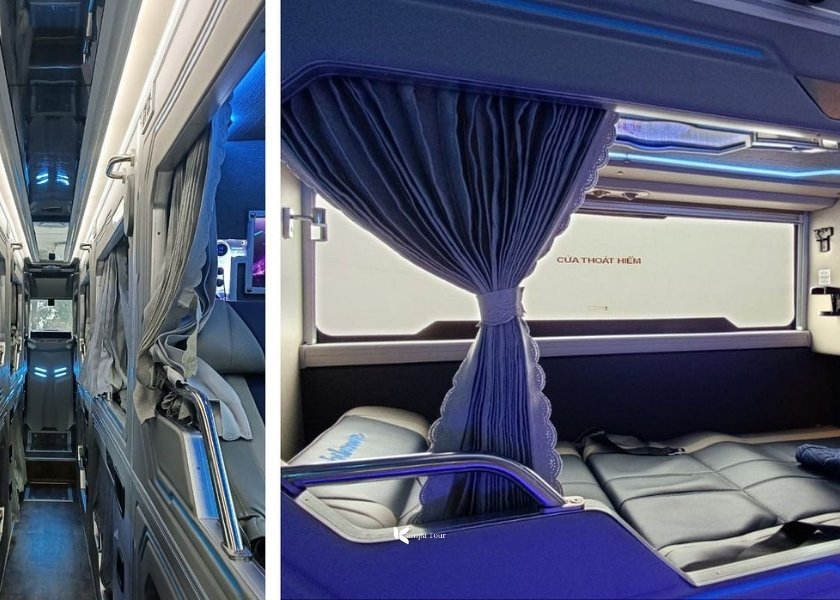
Sleeper buses are a backpacker staple. They are cheap, brightly lit, and an experience in themselves. Drivers can be aggressive, but they work fine for long distances if you are on a tight budget.
Here is my tip for you: for scenic short distances, especially the Hue to Hoi An route, book a private car.
Because buses use the tunnel to save time, which means you miss the views entirely. With a private car from Kampá Tour, you drive over the Hai Van Pass, stop for coffee at the summit, and take photos whenever you want. It is safer, more comfortable, and the only way to truly see the coastline.
8.4. Getting Around Cities: The “Uber” Rule
Crossing the street in Vietnam feels like an extreme sport, and transport works the same way.
Download Grab: This is the Southeast Asian equivalent of Uber, and it is non-negotiable. You can book cars or motorbike taxis, prices are fixed, and you do not need to speak Vietnamese.
Avoid Random Taxis: Unless it is a reputable company like Mai Linh or Vinasun, skip taxis waiting on street corners. Meter tampering still happens. Stick to Grab and you will avoid almost all scams.
👉 More transport hacks: How To Get Around Vietnam?
9. How much does cost to travel in Vietnam?
9.1. Currency & ATMs
The currency is the Vietnamese Dong (VND). Get ready to feel rich: $1 USD ≈ 25,500 VND. Most banknotes are polymer (plastic), so they don't tear.
Note: The 20,000 VND (blue) and 500,000 VND (also blue) look dangerously similar. Always check the zeros before you hand over cash! ATMs are everywhere, but typically have a withdrawal limit of 5 million VND per transaction. While hotels accept cards, cash is absolute king on the street.
9.2. Estimated Daily Budget
Traveler Style
Daily Budget
What You Get
Backpacker
$25 - $40
Dorm beds ($5-$15), street food ($3-$8/meal), and sleeper buses.
Mid-range
$50 - $80
Private 3-star hotel rooms ($20-$60), mix of street food & restaurants, and Grab taxis.
Luxury
$150+
4-5 star resorts ($100+), fine dining ($35+), and private car transfers.
9.3. Tipping Etiquette
It is not mandatory, but highly appreciated. Vietnam doesn't have a rigid tipping culture like the US. However, wages in the service industry are low, so a small gratuity goes a long way.
Restaurants: Leave 5-10% of the bill if you enjoyed the service.
Guides: Aim for $5 - $8 per person/day for small groups.
Drivers: Usually half of what you tip the guide (around $2 - $4/day).
10. Safety & Practical Tips
You can leave your paranoia at home. Vietnam is safer than most Western cities. However, being street-smart never hurts.
10.1. Is Vietnam Safe for Travelers?
Yes, absolutely. Vietnam is widely considered one of the safest countries in Southeast Asia for travelers, including solo female adventurers. Violent crime against tourists is extremely rare. Your biggest enemies here are the tropical heat and the chaotic traffic, not criminals.
10.2. Common Tourist Scams to Avoid
While safe, petty scams do exist in major tourist hubs. Here are the top ones to watch out for:
The "Fast Meter" Taxi: Some dodgy taxis have meters that jump faster than your heart rate. Solution: Only use reputable companies like Mai Linh (Green) or Vinasun (White), or better yet, just book a Grab to see the fixed price upfront.
The Shoe Shine Trap: In Hanoi, a street vendor might point at your shoes, claim they need fixing, and start gluing or polishing them without your permission, then demand an exorbitant fee. Solution: A firm "No" and keep walking. Do not stop.
10.3. Local Cultural Do's and Don'ts
Vietnamese people are forgiving, but following these simple rules will earn you instant respect:
Dress Modestly at Temples: This is non-negotiable. Cover your shoulders and knees when visiting pagodas or temples. No tank tops or short shorts.
Remove Your Shoes: If you enter a local home (or some hostels or shops), look for a pile of shoes at the door. If you see one, take yours off.
Keep Your Cool (Save Face): Getting angry or yelling in public is considered a loss of face. It will not get you what you want; a smile and patience work much better.
11. Hotels or Homestays in Vietnam?
This is probably the main thing you are considering when planning your trip. To put it simply, you should embrace both options, but allocate your choices based on the location.
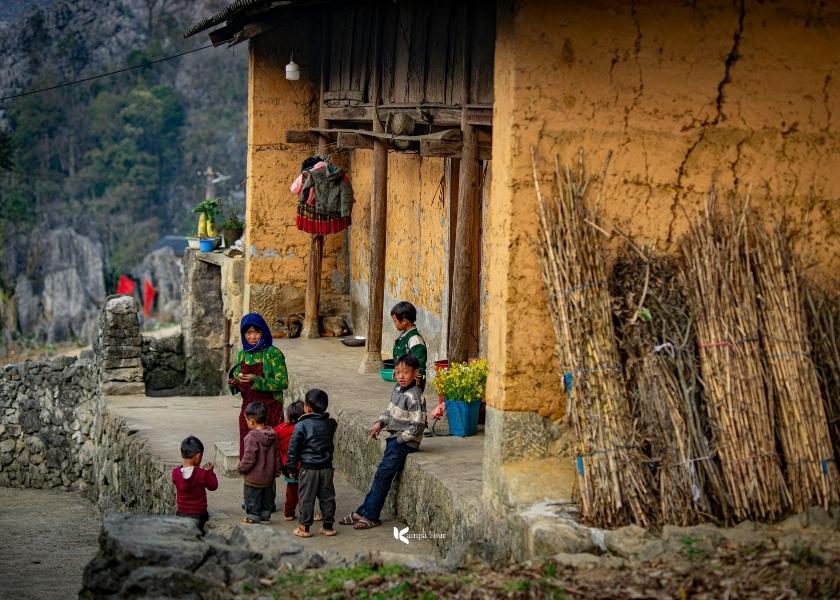
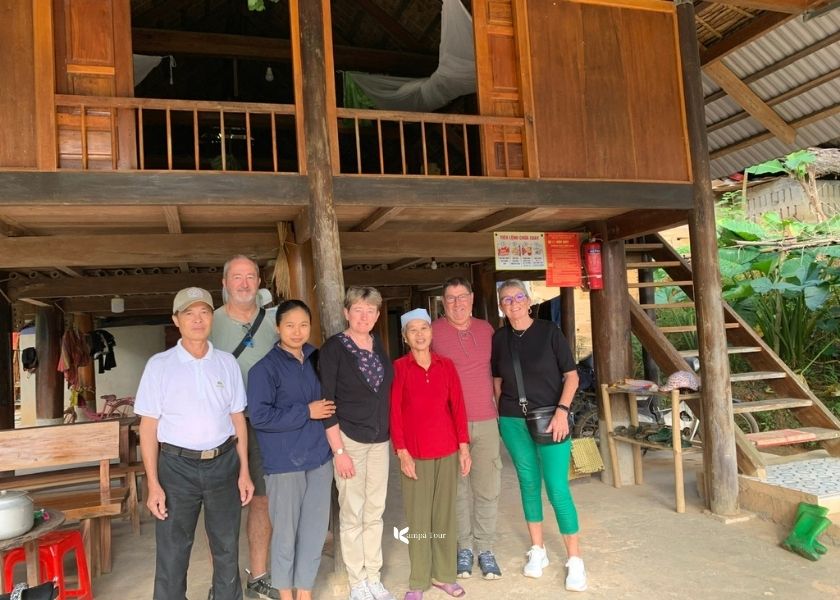
For culturally rich areas like Cao Bang, Ha Giang, and Sapa, I strongly recommend choosing homestays. In these regions, you aren't just booking a room; you are staying with a local family. It isn't just about sleeping overnight; it is about experiencing the authentic life of a local (and discovering the unique cultures where the surname "Nguyen" isn't actually that common!).
My tourists on a trip to Pu Luong
However, when you reach major cities like Hanoi, Ho Chi Minh City, Da Nang, and Phu Quoc, I recommend switching to hotels. In these locations, your focus will be on enjoyment, so what could be better than a hotel with full amenities and a professional, luxurious feel? It offers a significant and comfortable contrast to the simple, authentic homestay experience.
Logistically, hotels usually have websites for easy booking. While this isn't as common for remote homestays, you can still connect with many of them through online platforms like Booking.com or Airbnb.
Conclusion
Vietnam is not just a destination; it is an emotion. It is the thrill of merging into traffic in Hanoi, the silence of drifting through a limestone cave in Halong Bay, and the first sip of iced coffee that wakes up your soul. Yes, it can be loud, hot, and overwhelmingly chaotic at times. But that is exactly why you come here, to feel alive.
Whether you plan to motorbike the length of the country or relax in a 5-star resort on Phu Quoc, the only mistake you can make is rushing it. Take your time. Eat everything. And when the logistics get too complicated (because they will), remember that Kampá Tour is just a message away to untangle the mess for you today.
Planning your trip?
Save time and get expert advice for FREE!
✅ 15 years of local experience
✅ Save up to 40 hours of planning
✅ Travel stress-free from start to finish
Book your free consultation today!






 Our team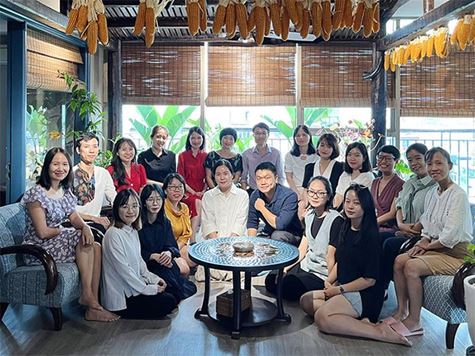
 Our team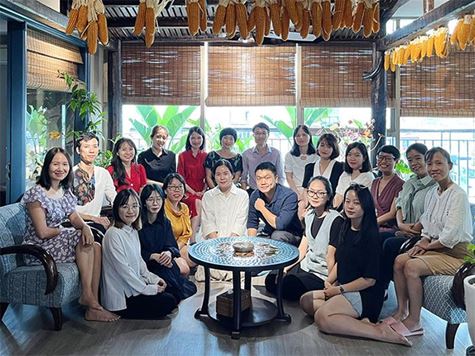
 Our team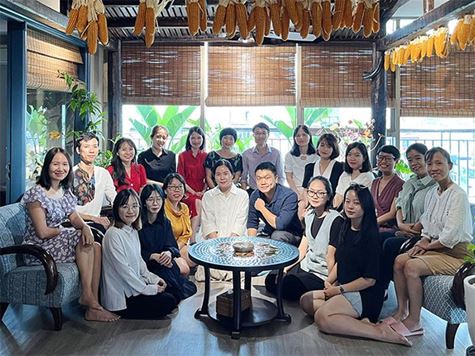
 Our team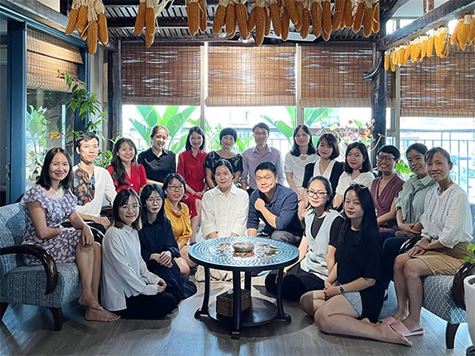

.jpg)


 Other
Other Add us as a preferred source