Stopover in Vietnam: Visa, Luggage and What To Do During a Long Connection?
A stopover in Vietnam can be a great chance to discover Hanoi, Ho Chi Minh City or Da Nang for a few hours before your next flight. But before leaving the airport, you need to check three things first: your entry requirements, your baggage arrangement and whether your layover is long enough.
Some Vietnam stopovers are very simple: you stay in the international transit area, your baggage is checked through, and you wait for your next flight. Others require more planning, especially if you have separate tickets, need to collect checked luggage, take a domestic flight in Vietnam or want to visit the city.
This guide explains the most common Vietnam stopover situations, from visa rules and airport procedures to realistic short itineraries.
Written by Oliver PHUNG (Tour Guide)
Updated on Jun 22, 2026
0 comment
Oliver Phung is a Northern Vietnam-based tour guide and blogger. His favorite topics to write about include cuisine, culture, travel, and under-the-radar experiences. Oliver possesses a deep, detailed understanding of the region, from the indigenous culture of the Hmong in the Northwest to the highland lifestyle of the Tay in the Northeast. Whether he is exploring ancient architecture or geological landscapes, he is always eager to share his insights with his readers.
Beyond his work at Kampá Tour, he produces specialized travel content on platforms such as Reddit, Instagram, LinkedIn, and various other publications.
Quick Answer: Can You Leave The Airport During A Vietnam Stopover?
Yes, you can leave the airport during a Vietnam stopover if you are allowed to enter Vietnam and have enough time to clear immigration, travel into the city, return to the airport and pass security again.
If you stay in the international transit area and your baggage is checked through to your final destination, you may not need to enter Vietnam. But if you collect luggage, take a domestic flight, use separate tickets or leave the airport, you will normally need to pass immigration and meet Vietnam’s entry requirements.
Stopover, Layover Or Transit: What Is The Difference?
Travelers often use the words stopover, layover, transit and even transfer in different ways. In everyday travel language, these terms can overlap, especially when people are talking about connecting flights.
A layover usually means a short waiting time between two flights. For example, you may have an 8-hour layover in Ho Chi Minh City before flying to Singapore. During a simple layover, many passengers stay inside the airport and wait for their next flight.
A stopover is often a longer planned break, sometimes long enough to leave the airport, rest overnight or visit a city before continuing your journey. For example, you may plan a 2-day stopover in Hanoi before flying on to Thailand.
Transit means passing through a place on the way to another destination. You may transit through Vietnam while staying in the international transit area, or you may need to enter Vietnam depending on your itinerary.
A transfer usually means changing from one flight to another. This can be simple if both flights are on the same ticket and your baggage is checked through. It can be more complicated if you need to change terminals, collect luggage or check in again.
For a Vietnam stopover, the practical question is not the word you use. It is: Can you stay airside, or do you need to pass immigration? If you collect luggage, use separate tickets, take a domestic flight or leave the airport for a city visit, your situation is different from someone who simply waits in the international transit area.
Do You Need To Pass Immigration During A Vietnam Stopover?
This is the most important point to check before planning anything outside the airport.
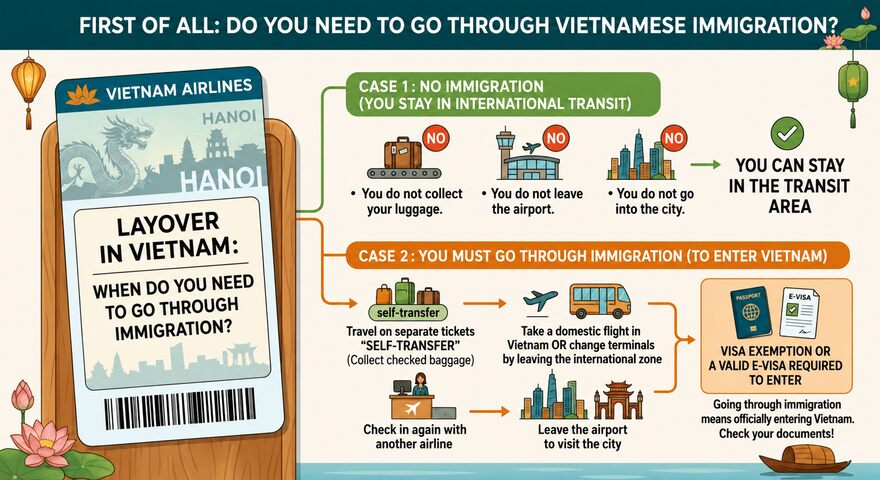
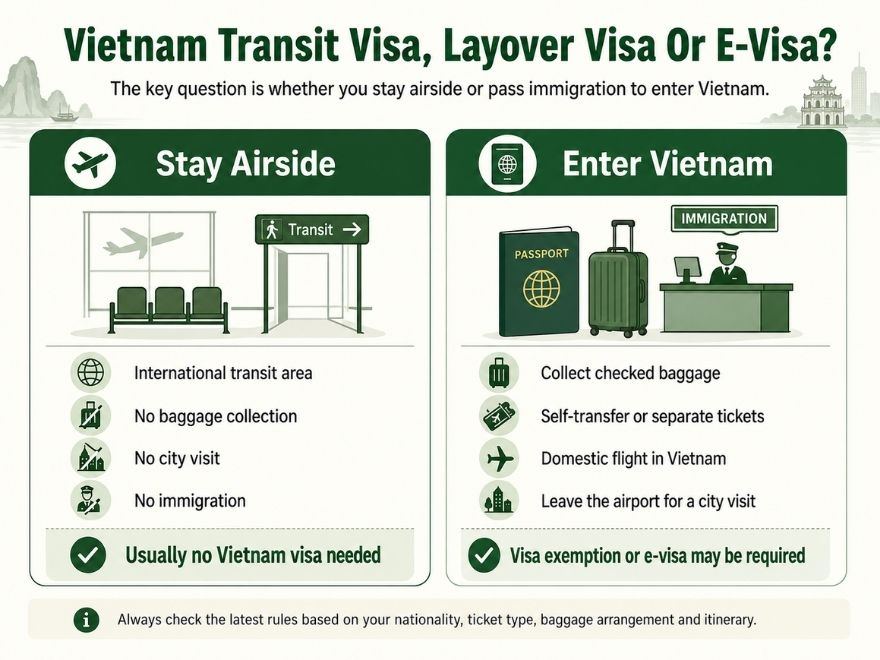
If you remain in the international transit area, do not collect checked luggage and do not leave the airport, you usually do not pass Vietnamese immigration.
However, you will need to pass immigration if you have to:
travel on two separate tickets or make a self-transfer;
collect your checked luggage in Vietnam;
take a domestic flight within Vietnam;
change terminals in a way that requires entering the public area;
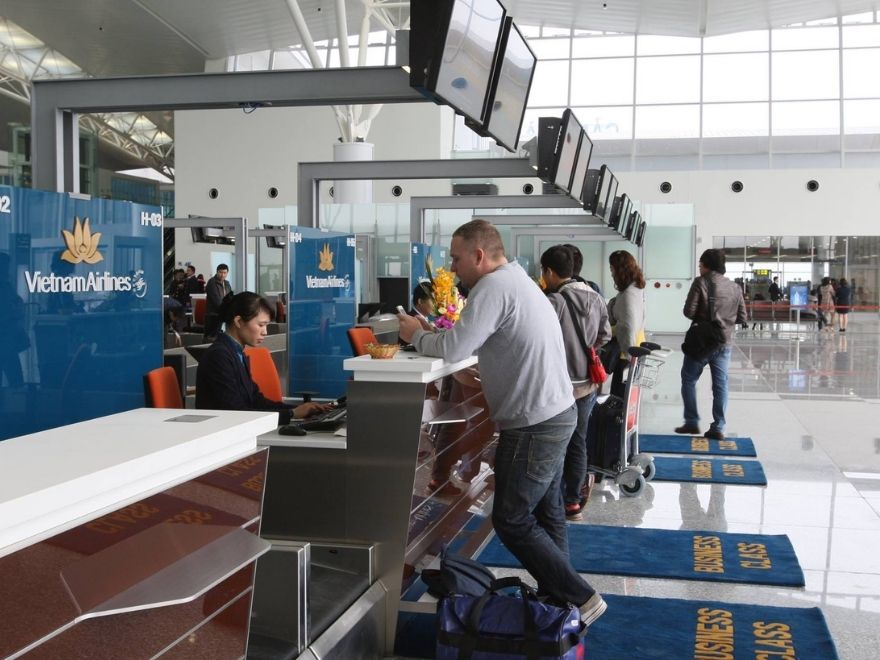
check in again with another airline;
leave the airport to visit the city.
Check whether you can stay in the international transit area or need to pass immigration before leaving the airport in Vietnam.
Passing immigration means officially entering Vietnam. In that case, you must be allowed to enter the country, either through a visa exemption or with a valid Vietnam e-visa.
Do You Need A Visa For A Vietnam Stopover?
Visa requirements depend on your nationality, passport, ticket type, baggage arrangement and what you plan to do during the stopover.
Some nationalities can enter Vietnam visa-free for a limited period. This can make a long stopover easier, especially if you want to leave the airport for a short city visit.
If your nationality is not visa-exempt, you will usually need a valid e-visa if you must pass immigration. This may apply if you want to visit the city, collect checked luggage, make a self-transfer or take a domestic flight within Vietnam.
Whether you need a visa for a Vietnam stopover depends on your nationality, ticket type, baggage arrangement and whether you need to pass immigration.
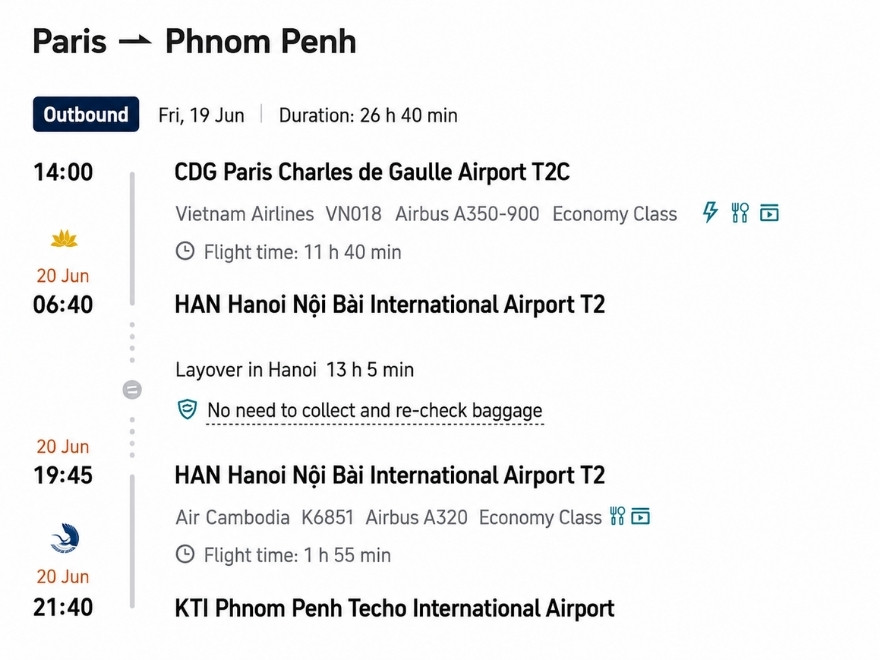
For example, if you fly from Paris to Hanoi and then continue to Bangkok on one ticket, with your baggage checked through to Bangkok, your stopover is usually straightforward. You can stay in the international transit area without entering Vietnam.
In that case, a Vietnam visa may not be necessary, as long as you do not pass immigration.
However, if your baggage is not checked through to your final destination, you will need to collect it in Vietnam. This means passing immigration, entering the public area and checking in again for your next flight.
The same applies if you want to use a long stopover to visit the city. In both cases, you must be allowed to enter Vietnam. That means you either need a visa exemption or a valid Vietnam e-visa before departure.
>>> Important:Always check the latest rules based on your passport before travelling. Use the official Vietnam e-visa portal and the Vietnam Immigration Department website rather than relying only on forum advice or old travel blogs. Visa policies can change, and airline staff may check your documents before boarding.
Vietnam Transit Visa, Layover Visa Or E-Visa?
Many travelers search for a “Vietnam transit visa” or “Vietnam layover visa”. In practice, the real question is whether you need to enter Vietnam.
If you stay airside in the international transit area, your situation may be different from a traveler who leaves the airport. But if you pass immigration, collect baggage, take a domestic flight or go into the city, you must meet Vietnam’s entry requirements.
This is especially important if your itinerary includes a domestic flight within Vietnam. Vietnam Airlines advises passengers to review transit visa requirements when their itinerary includes a Vietnam domestic segment, because restrictions may vary from time to time. You can check the airline’s latest advice on its Travel Documents and Visa Requirement page.
For most short tourist-style entries, travelers usually check whether they are eligible for visa exemption or apply for a Vietnam e-visa before departure through the official Vietnam e-visa portal.
What About Airline Transit Tour Programs?
Some airline-operated transit programs may be available for eligible passengers on selected routes, but these are separate from planning an independent Vietnam stopover. Eligibility usually depends on the airline, ticket type, ticket number, route, booking class, transit time and advance registration.
For example, Vietnam Airlines has a Transit Tour service for eligible passengers on selected Vietnam Airlines itineraries. This type of service can include airport assistance, immigration support, hotel rest, meals or a city tour depending on the route and transit time.
If you are not eligible for an airline transit program, you can still plan an independent Vietnam stopover. However, you must check your visa or visa exemption, baggage arrangement, airport timing, terminal changes and return buffer yourself before leaving the airport.
Single Ticket Vs Separate Tickets: Why It Matters
Your ticket type can completely change your Vietnam stopover experience.
With a single ticket, the connection is usually easier. Your checked baggage may be transferred to your final destination, especially when the airlines have an interline agreement.
With separate tickets, the situation can be more complicated. The first airline takes you to Vietnam, and its responsibility often ends there. You may need to collect your baggage, enter the public area and check in again for your next flight.
This is often called a self-transfer. It can be cheaper, but it usually requires more time, more attention and sometimes a visa.
Situation
Immigration Needed?
Visa Or Exemption Needed?
Same ticket, baggage checked through, international transit
Usually no
Usually no
Separate tickets with checked baggage to collect
Yes
Yes, unless visa-exempt
International flight then domestic flight in Vietnam
Yes
Yes, unless visa-exempt
Leaving the airport to visit the city
Yes
Yes, unless visa-exempt
Single-ticket Vietnam stopover itinerary showing no need to collect and re-check baggage in Hanoi
If your baggage is checked through to your final destination, you normally do not need to enter Vietnam just to collect and recheck your bags. You can usually remain in the airport transit area.
But if your stopover is long and you want to visit Vietnam for a few hours, you will need to pass immigration. In that case, you need the right entry documents before you travel.
The time you need depends on the airport, traffic, immigration queues, baggage, terminal changes and your next flight’s check-in time.
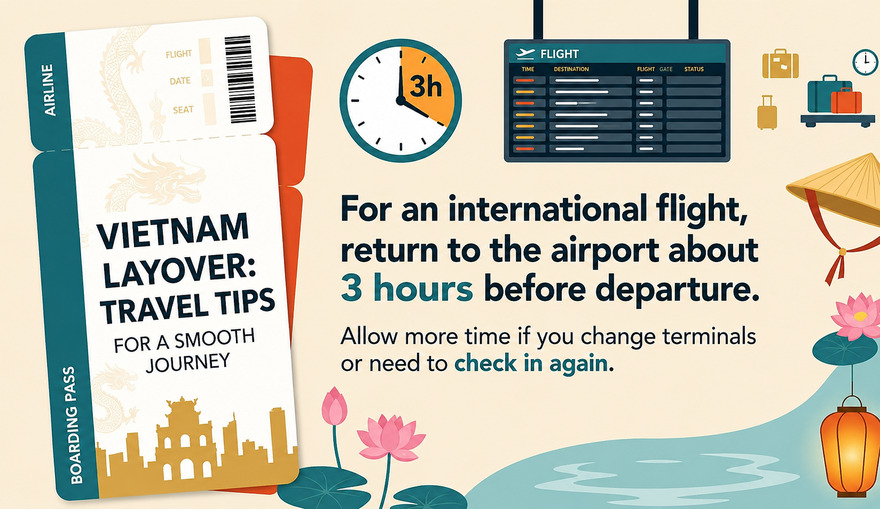
As a general rule, it is better not to leave the airport if your layover is under 6 hours. Even when the city looks close on the map, you still need to count the time for disembarkation, immigration, luggage if needed, transport both ways, security and boarding.
Oliver’s advice:Your total layover is not your real sightseeing time. Before planning a city visit, subtract the time for getting off the plane, immigration, luggage if needed, airport transfer both ways, check-in, security and boarding. This is your usable stopover time.
Stopover Length
Best Advice
Under 3 hours
Stay in the transit area.
3–5 hours
Stay at the airport unless the connection is extremely simple.
6–7 hours
A very short visit may be possible in Ho Chi Minh City or Da Nang, but only with caution.
8–10 hours
A short city visit becomes more realistic.
10–12 hours
You can plan a local meal, coffee stop or compact city route.
More than 12 hours
A proper city break, short tour or airport hotel rest becomes more comfortable.
24–48 hours
Best for a real mini-stay in Vietnam.
Hanoi Stopover: What To Do From Noi Bai Airport
Noi Bai International Airport is around 30 km from Hanoi city center. The journey to the Old Quarter often takes around 45 minutes to 1 hour, and sometimes longer depending on traffic.
For this reason, Hanoi is not always the easiest option for a very short layover. But with 8 to 10 hours or more, a short visit can be very rewarding.
For a first Vietnam stopover in Hanoi, it is better to stay around the Old Quarter and Hoan Kiem Lake. This keeps the route simple and avoids wasting time in traffic.
You can walk around Hoan Kiem Lake, visit Ngoc Son Temple, explore a few streets in the Old Quarter, try an egg coffee, then have a quick bowl of pho, bun cha or a banh mi before returning to the airport.
>>> Oliver’s advice: Hanoi is a beautiful choice if you want culture, street life and atmosphere. But for a short layover, keep the plan compact. The Old Quarter and Hoan Kiem Lake area are usually enough for a first taste of the city.
Ho Chi Minh City Stopover: The Most Practical Short City Visit
Tan Son Nhat Airport is much closer to the city center than Hanoi’s airport. District 1 is only around 6 to 8 km away. When traffic is light, the journey can be quick, but during rush hour it can take much longer.
For many travelers, Ho Chi Minh City is the easiest place for a short Vietnam stopover, especially if you have around 6 to 8 hours and your visa situation is clear.
For a first visit, stay in District 1. This keeps the route simple and makes it easier to return to the airport on time.
You can see the Central Post Office, Ben Thanh Market, the Notre-Dame Cathedral area and Dong Khoi Street, then stop for a Vietnamese coffee, banh mi or hu tieu before heading back to the airport.
Da Nang Stopover: What To Do During A Short Break
Da Nang is one of the easiest cities in Vietnam for a short airport break. The airport is close to the city center, the beach is easy to reach, and the overall rhythm feels more relaxed than Hanoi or Ho Chi Minh City.
If you have around 6 hours between flights, your real free time outside the airport may only be about 2–3 hours after immigration, luggage, transport and the return airport buffer. That is enough for a simple plan, but not enough for a far trip.
For a short Da Nang stopover, keep your route close and easy. You can go to My Khe Beach for fresh air, walk along the Han River, see Dragon Bridge, stop at Han Market.
If your bags are not checked through to your final destination, try not to carry them around the city. Check whether luggage storage, a nearby hotel or a private transfer can help you move more comfortably during your layover.
Avoid distant attractions during a short layover. Ba Na Hills, Hoi An or longer countryside trips need much more time and can create unnecessary stress before your next flight. For a 6-hour layover, staying within Da Nang is usually the safer choice.
Be Careful With Terminals
Always check the exact terminal of your next flight. International and domestic flights may use different terminals, and terminal changes can take extra time.
If your connection involves a domestic flight, allow a larger buffer. Do not plan a city visit unless your layover is long enough and your documents are in order.
Oliver’s advice:For first-time visitors with only 8–10 hours, Ho Chi Minh City is often easier than Hanoi because the airport is closer to the main city sights. Still, traffic can be unpredictable, so a private transfer or a very simple route is safer than trying to fit in too much.
Day-Use Hotel, Luggage Storage Or City Tour?
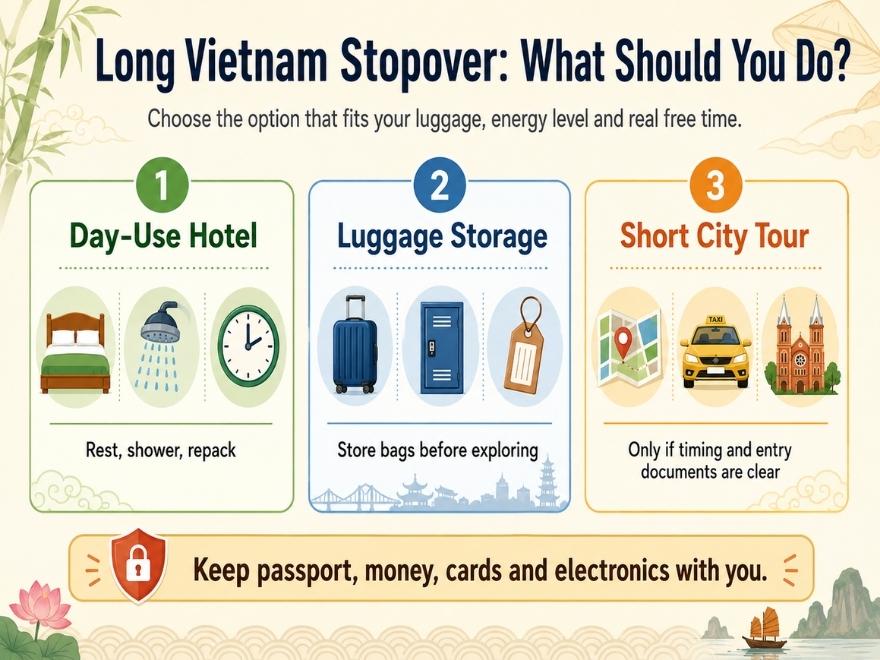
During a long Vietnam stopover, the best option is not always to rush straight into a city tour. Before planning what to see, think about three practical questions: where your luggage will be, how tired you are and how much real free time you have before your next flight.
If you are tired after a long-haul flight, a day-use hotel or an airport hotel may be more useful than sightseeing. It gives you a place to shower, rest, repack your bags and continue your journey feeling fresher. This can be especially helpful if you are travelling with children, older family members or arriving early in the morning after a night flight.
If your checked baggage is not transferred to your final destination, deal with luggage first. Many hotels can keep bags before check-in or after check-out, but this is not automatic everywhere. It is better to ask in advance about storage, fees, opening hours and security. If you are not staying at a hotel, you can also check airport luggage storage, train station lockers, luggage storage apps or a private transfer that can keep your bags in the vehicle during a short visit.
A short city tour makes sense only when your entry documents are clear, your luggage is handled and your timing is comfortable. For most travelers, this means choosing a simple route near the airport or city center, not trying to cover too many places. One local meal or two nearby highlights can be enough for a pleasant stopover.
Situation
Best Option
You arrive before hotel check-in
Ask your hotel about early luggage drop-off
You check out early but fly late at night
Hotel luggage storage, late check-out or a day-use room
You are tired after a long-haul flight
Day-use hotel or airport hotel
Your bags are not checked through
Luggage storage before any city visit
You have 8–12 hours and clear entry documents
Short city visit with airport pickup
You carry valuables
Keep passport, money, cards and electronics with you
For safety, never leave passports, cash, bank cards, medication or electronics inside stored luggage. Keep your most important items with you, and check how your bags will be tagged or identified before you leave.
Oliver’s advice:A good stopover plan should make your journey easier, not more stressful. If your bags are not handled properly, even a simple city visit can become tiring. Start with luggage, then decide whether you want to rest, explore or do a little of both.
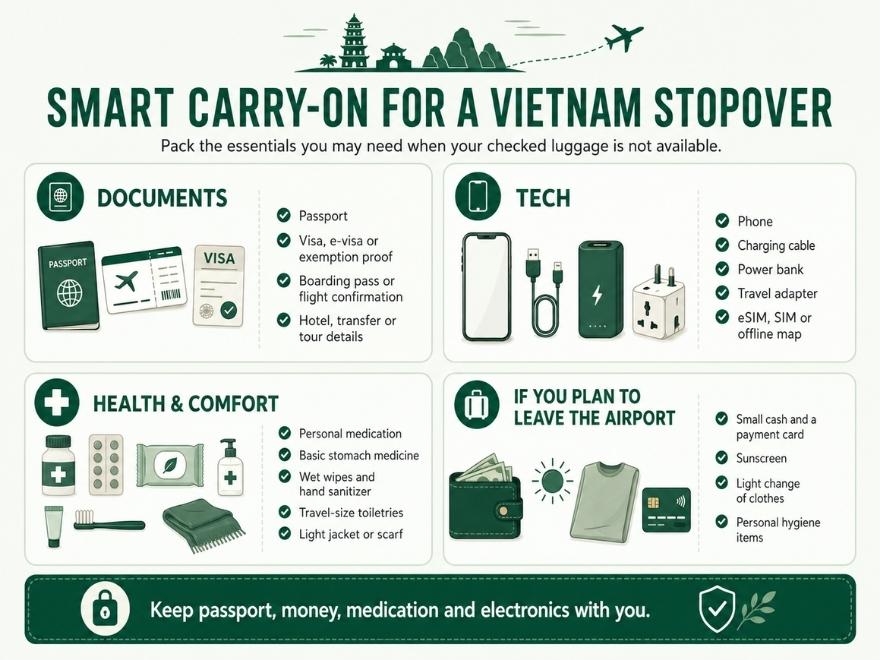
What To Pack In Your Carry-On For A Vietnam Stopover
For a Vietnam stopover, pack your carry-on as if you may not see your checked luggage until your final destination. This is especially important if your baggage is checked through, your connection is delayed or you only have a few hours to leave the airport and return.
A smart carry-on is not about packing more. It is about keeping the things you may need during the few hours when your large suitcase is not available.
Documents
Passport
Visa, e-visa or visa exemption proof if required
Boarding pass or flight confirmation for your next flight
Hotel, transfer or tour contact details
Travel insurance details if you have them
Tech
Phone and charging cable
Power bank
Travel adapter
eSIM, SIM card details or offline map
Headphones or earbuds for a long airport wait
Health And Comfort
Personal medication
Basic stomach medicine and oral rehydration salts
Pain relief or cold medicine you normally use
Wet wipes, tissues and hand sanitizer
Travel-size toothbrush, toothpaste and basic toiletries
A light jacket or scarf for cold flights and strong airport air-conditioning
If You Plan To Leave The Airport
Small cash and a payment card
Sunscreen if you go out during the day
Small insect repellent, especially in hot or humid weather
One light change of clothes for an overnight stopover
Any personal hygiene products you specifically prefer
Keep your passport, money, bank cards, medication, electronics and important documents with you at all times. Do not leave them in checked luggage, airport storage or a hotel luggage room.
>>> Oliver’s advice:Your carry-on should make the stopover easier, not heavier. Focus on documents, phone battery, medication and comfort items first. Clothes and basic toiletries are useful, but the most important things are the items that protect your timing, health and next flight.
What If You Cannot Leave The Airport?
If you do not have a visa, are not visa-exempt or simply do not have enough time, staying at the airport is the safest option.
This does not have to be a bad experience if you prepare well. Keep the following in your cabin bag:
a power bank;
a travel adapter;
a light jacket or scarf;
a few snacks;
personal medication;
your next boarding pass or flight details;
a copy of your visa, e-visa or onward destination documents.
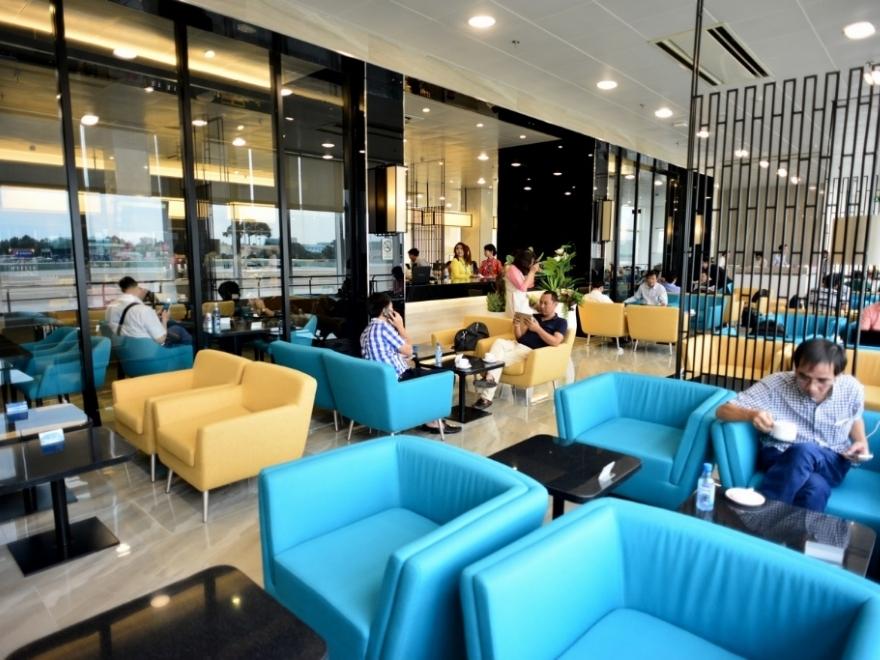
Major airports in Vietnam usually have cafés, restaurants, lounges and some rest areas. However, options can be more limited at night or in certain transit zones.
If your stopover is very long and you are allowed to enter Vietnam, a nearby airport hotel can be much more comfortable than spending the night on an airport seat.
If you cannot leave the airport, staying in the transit area is usually the safest option when you prepare your carry-on well.
Is A Vietnam Stopover Worth It?
A Vietnam stopover is worth it when it makes your journey smoother and more enjoyable, not when it turns your connection into a race against time. With enough hours, clear entry documents and a simple plan, even a short break in Hanoi, Ho Chi Minh City or Da Nang can give you a memorable first taste of Vietnam.
It is usually worth it if you have at least 8–12 hours between flights, your visa or visa exemption situation is clear, your luggage is checked through or safely stored, and you are happy with a compact plan such as one local meal, one coffee stop or a short walk near the city center.
It may not be worth it if your layover is under 6 hours, you need to collect luggage and check in again, your entry documents are unclear, or you arrive late at night, during rush hour or too tired after a long-haul flight. In that case, staying at the airport or booking a nearby hotel is usually the safer choice.
Thẻ tour 10313
Where To Stop Over On The Way To Vietnam?
If you are flying long-haul to Vietnam, you may want to turn the journey into a short mini-break instead of rushing straight through. This can be a good idea if you want to rest, reduce jet lag or enjoy another city for 1–3 days before arriving in Vietnam.
The best stopover on the way to Vietnam is not always the most famous city. It depends on your flight route, budget, travel style, visa or transit rules, baggage arrangement and how much energy you want to save for Vietnam itself.
If You Want...
Consider...
A smooth Southeast Asia connection
Singapore, Bangkok or Kuala Lumpur
A short food and city break
Bangkok, Singapore, Hong Kong or Kuala Lumpur
To break up a long UK or Europe flight
Doha, Dubai or Istanbul
An East Asia route before Vietnam
Seoul, Tokyo, Taipei or Hong Kong
A beach rest before arriving in Vietnam
Bangkok plus a nearby Thai beach, if you have several days
The simplest overall choice
The hub with the best flight time, clear entry rules and least extra stress
For many travelers, Singapore and Bangkok are easy choices because they combine good flight connections with food, hotels and short city experiences. Middle Eastern hubs such as Doha, Dubai or Istanbul can work better if you mainly want to divide a long journey into two more comfortable parts.
Before booking, always check current flight times, baggage rules and visa or transit requirements for your chosen stopover city. A stopover should help you arrive in Vietnam fresher, not make the route more complicated.
>>> Oliver’s advice:If Vietnam is the main purpose of your trip, keep the stopover simple. Choose a city that makes the journey easier, gives you enough rest and still leaves your best energy for Vietnam.
Private Vietnam Stopover Tour: When It Makes Sense
A private stopover tour can be useful if you have enough time to leave the airport but do not want to manage traffic, timing, taxis and sightseeing on your own.
It is especially helpful if this is your first time in Vietnam, if you have 8–12 hours and want a safe compact plan, or if you are travelling with children or older family members.
It can also make sense if you have luggage to manage, want airport pickup and drop-off arranged in advance, or simply want to avoid the stress of returning late for your next flight.
A good stopover plan should not try to cover everything. It should focus on a few nearby highlights, a local meal and a safe return to the airport with enough buffer time.
Have a long layover in Hanoi, Ho Chi Minh City or Da Nang? Our local team can help you plan a private Vietnam stopover experience with airport pickup, realistic timing and a safe return before your next flight.
Conclusion
A stopover in Vietnam can be a simple wait at the airport or a memorable first taste of the country. The right choice depends on your visa situation, baggage arrangement, ticket type, airport, traffic and available time.
If you need to collect luggage, take a domestic flight or leave the airport, check Vietnam’s entry requirements before departure. If your layover is short or your documents are uncertain, staying at the airport is usually the safer option.
But with enough time and a clear plan, a Vietnam stopover can be a rewarding way to enjoy a local meal, explore a city center or simply rest before continuing your journey.
Can I go out of the airport during a layover in Vietnam?
Yes, you can go out of the airport during a layover in Vietnam if you are allowed to enter the country and have enough time to pass immigration, travel into the city, return to the airport and clear security again. If you leave the international transit area, you will need to pass immigration, so your visa or visa exemption situation must be clear before departure.
Do I need a visa for a stopover in Vietnam?
It depends on whether you need to enter Vietnam. If you stay in the international transit area, do not collect checked luggage and continue on a connecting international flight, you may not need a Vietnam visa.
However, if you pass immigration, leave the airport, collect luggage, make a self-transfer or take a domestic flight within Vietnam, you must meet Vietnam’s entry requirements. Depending on your passport, this may mean using a visa exemption or applying for a Vietnam e-visa before departure.
Always check the latest rules with your airline, the official Vietnam e-visa portal and the Vietnam Immigration Department website before you travel, because visa requirements depend on your nationality, itinerary, ticket type and baggage arrangement.
Is 6 hours enough to leave the airport in Vietnam?
In most cases, 6 hours is tight. It may be possible in Ho Chi Minh City or Da Nang in very smooth conditions, but you must consider immigration, traffic, security and boarding time.
Is 8 hours enough for a Ho Chi Minh City layover?
An 8-hour layover in Ho Chi Minh City can be enough for a short visit to District 1 if your visa situation is clear, your luggage is handled and traffic is reasonable.
Which is better for a stopover: Hanoi or Ho Chi Minh City?
Ho Chi Minh City is usually easier for a short stopover because the airport is closer to the city center. Hanoi offers more atmosphere and culture, but the airport is farther away, so you need more time.
Do I need a Vietnam transit visa if I stay airside?
If you remain in the international transit area, do not collect checked luggage and do not pass immigration, you may not need a Vietnam visa for a simple international connection. Always check with your airline and official immigration sources before travelling.
What should I do with luggage during a Vietnam stopover?
First, check whether your checked baggage is transferred to your final destination. If not, you may need to collect it and find a storage solution, use a nearby hotel or arrange a private transfer that can keep luggage in the vehicle.
Can Indian passport holders transit through Vietnam without a visa?
Indian passport holders may be able to transit through Vietnam without a visa if they stay in the international transit area, do not pass immigration, do not collect checked luggage and continue on a connecting international flight.
However, if you leave the airport, collect luggage, make a self-transfer, check in again or take a domestic flight within Vietnam, you must meet Vietnam’s entry requirements. In that case, you should check whether you need to apply for a Vietnam e-visa before departure.
Always confirm your case with your airline and the official Vietnam e-visa portal before travelling, especially if your flights are on separate tickets.
Can Pakistani passport holders transit through Vietnam without a visa?
Pakistani passport holders should be especially careful before transiting through Vietnam. If you remain airside in the international transit area and your baggage is checked through to your final destination, a visa may not be needed for a simple international connection.
But if you need to pass immigration, collect luggage, leave the airport, make a self-transfer or take a domestic flight in Vietnam, you must meet Vietnam’s entry requirements before travel. Do not assume that a short layover automatically means you can enter Vietnam without a visa.
Before booking, check with your airline and the official Vietnam e-visa portal. Airline staff may verify your documents before allowing you to board the flight to Vietnam.
Should I book an airport hotel during a long Vietnam layover?
An airport hotel can be a good idea if your Vietnam layover is very long, overnight or if you are too tired for a city visit. It gives you a place to shower, sleep, repack your bags and continue your journey feeling more comfortable.
It is especially useful if you are travelling with children, older family members, arriving late at night or flying again early the next morning. If your visa or entry documents are unclear, staying airside or choosing an airport transit option may be safer than leaving the airport.
If you are allowed to enter Vietnam and have enough time, a nearby hotel can be more comfortable than waiting for many hours on an airport seat. Just make sure you leave enough time to return, check in again and clear security before your next flight.
Planning your trip?
Save time and get expert advice for FREE!
✅ 15 years of local experience
✅ Save up to 40 hours of planning
✅ Travel stress-free from start to finish
Book your free consultation today!






















 Our team
 Our team
 Our team
 Our team

.jpg)







 Other
Other Add us as a preferred source