Vietnam in summer: How to Handle the Heat and Stay Cool?
Vietnam’s hot season can feel intense, especially if you are not used to tropical humidity. The challenge is not only the temperature. It is the heavy air, the strong midday sun, sudden showers and short walks that feel longer than they look on the map. This is where many travelers misjudge the season. They prepare for “hot weather”, but not for how the heat changes the rhythm of a travel day.
In our experience, Vietnam is not usually “too hot” for travel. The real problem is planning the day as if the heat were not there. This guide explains when Vietnam feels hottest, why the heat can feel stronger than expected, how to plan your days, what to wear, what to pack and where to go for a more comfortable summer itinerary.
Written by Oliver PHUNG (Tour Guide)
Updated on Jul 02, 2026
0 comment
Oliver Phung is a Northern Vietnam-based tour guide and blogger. His favorite topics to write about include cuisine, culture, travel, and under-the-radar experiences. Oliver possesses a deep, detailed understanding of the region, from the indigenous culture of the Hmong in the Northwest to the highland lifestyle of the Tay in the Northeast. Whether he is exploring ancient architecture or geological landscapes, he is always eager to share his insights with his readers.
Beyond his work at Kampá Tour, he produces specialized travel content on platforms such as Reddit, Instagram, LinkedIn, and various other publications.
You may look at the weather forecast and think the temperature seems manageable. But Vietnam’s heat often feels stronger than the number on the screen because of humidity.
When the air is humid, sweat does not evaporate as quickly, so your body cools down less easily. This is why a summer day in Vietnam can feel heavier than the same temperature in a dry climate.
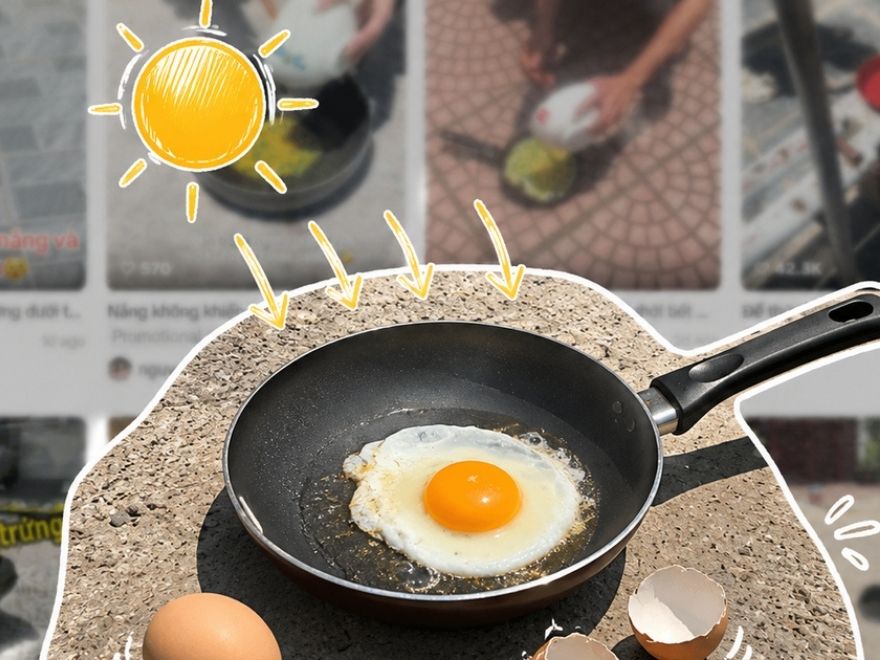
Vietnam is so hot that you can make a fried egg without using a stove.
The tiring part is often the build-up of small moments: a short walk in direct sun, a street with little shade, a few minutes waiting for a car, then another outdoor visit. By midday, your energy can drop faster than expected.
A place may look close on Google Maps, but under humid heat, 10 or 15 minutes outside can take more effort than you think. This is why planning by distance alone does not always work in Vietnam’s hot season.
When Is the Hot Season in Vietnam?
Vietnam’s hot season does not feel the same everywhere. Because the country stretches from north to south, heat, humidity, sunshine and rainfall vary by region.
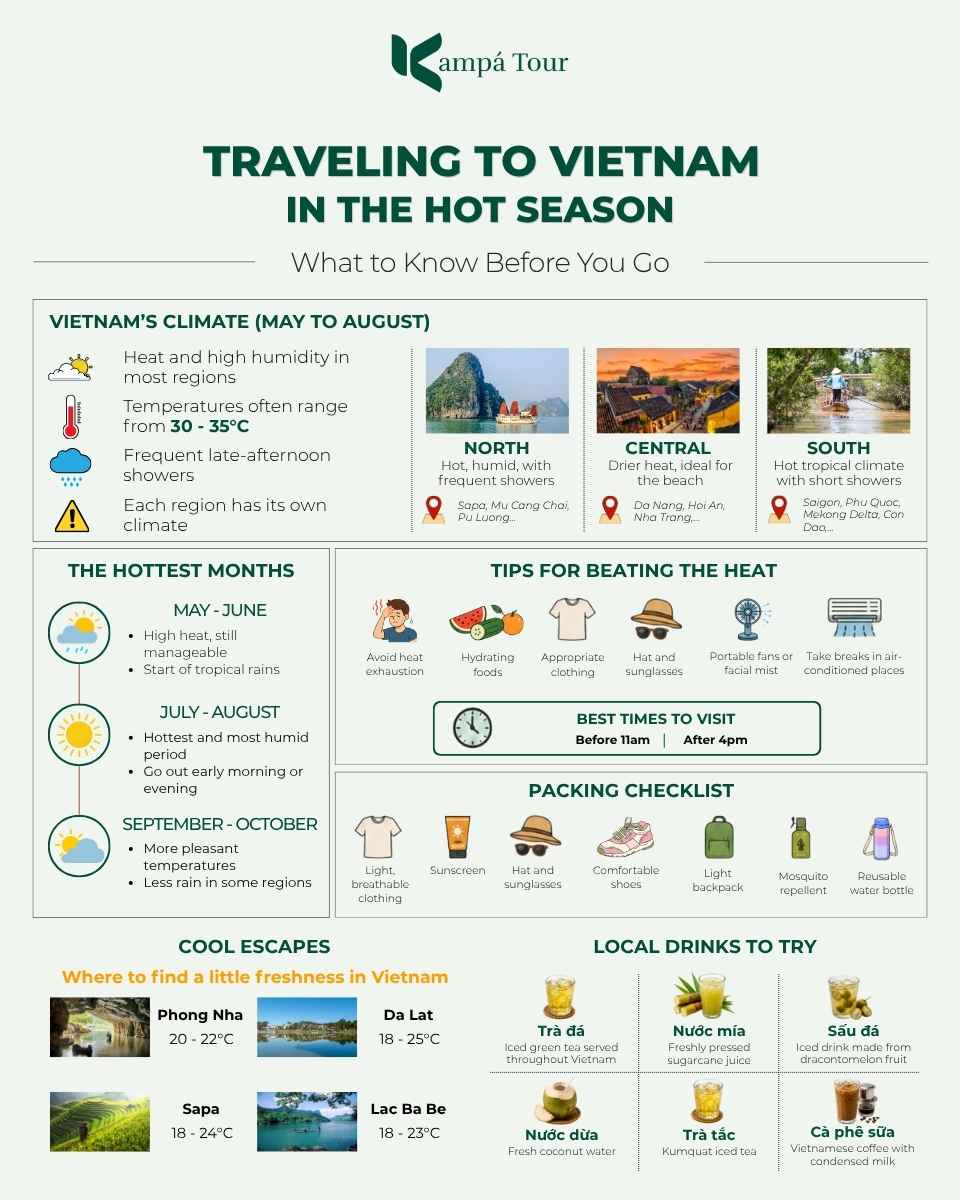
In general, many visitors feel the strongest heat between May and August. In many lowland areas, daytime temperatures are often around 30–35°C, and they can feel higher because of humidity. The best way to understand the season is to look at each region separately.
Northern Vietnam
In northern Vietnam, including Hanoi, Ninh Binh, Halong Bay, Sapa, Pu Luong and Ha Giang, the hottest and most humid period is usually from May to September.
In lowland areas such as Hanoi and Ninh Binh, daytime temperatures are often around 30–40°C in the hot season. Humidity, traffic, concrete streets and limited shade can make the heat feel heavier than the temperature suggests.
Mountain areas in northern Vietnam usually feel more comfortable than the lowlands thanks to higher elevation, greener surroundings and more open landscapes. However, humidity and strong sun can still affect walks and outdoor visits, especially around midday.
Central Vietnam
Central Vietnam, including Hue, Da Nang, Hoi An, Nha Trang and Quy Nhon, is often sunny and hot during the summer months. Daytime temperatures can often be around 32–38°C, especially in inland areas or heritage sites exposed to direct sun.
The heat can feel drier than in the north or south, especially along the coast. This makes Central Vietnam a strong region for summer beach stays, but exposed sites such as Hue’s imperial monuments and parts of Hoi An’s old town still need careful timing.
Southern Vietnam
Southern Vietnam, including Ho Chi Minh City, the Mekong Delta, Phu Quoc and Con Dao, is warm throughout the year. Temperatures are often around 30–34°C, but the humidity can make the air feel heavier, especially during the rainy season.
Afternoon showers are common in some months and may cool the air briefly, but humidity often remains. In Ho Chi Minh City, traffic, buildings and walking distances can make the heat feel stronger.
The Warmest Months at a Glance
May and June: Often very hot across much of Vietnam. In many lowland areas, daytime temperatures are commonly around 30–35°C, sometimes higher. Central coastal areas may feel sunnier and drier, while the north and south can feel more humid.
July and August: Among the hottest and most humid months in many regions. If you are sensitive to heat, plan outdoor activities in the morning or late afternoon, and keep midday for shaded or air-conditioned places. For month-specific planning, see our guides to Vietnam in July and Vietnam in August.
September and October: The heat may ease slightly in northern and southern Vietnam, with many areas feeling closer to 28–32°C. However, weather varies by region. Central Vietnam can become wetter, so plan by destination rather than assuming the whole country follows the same pattern.
Is Vietnam Too Hot to Visit?
No, Vietnam is not too hot to visit, even during the summer months. But it is important to be honest: traveling here in June, July or August does not feel the same as traveling in a cooler or drier climate.
The mistake is not visiting Vietnam in summer. The mistake is planning the day as if it were spring.
If you walk too much at midday, visit open sites back to back, or plan every hour too tightly, the heat can quickly become the main memory of the day.
That does not have to happen. Beaches, mountain areas, cruises, shaded cafés, food tours and evening walks can still be very enjoyable. The key is to build your day differently: one strong morning visit, a real break in the middle of the day and a softer activity later on.
Vietnam’s hot season is not a reason to cancel your trip. It is a reason to plan your trip with more care.
Plan Your Day Around the Heat
In Vietnam’s hot season, comfort often depends less on how many places you visit and more on when and how you visit them. The same itinerary can feel much easier if outdoor visits are planned early, midday is used for cooling breaks, and long walks are avoided during peak heat.
Most Vietnamese people do not try to push through the heat all day. They work around it: early mornings, slower middays and livelier evenings. Travelers who follow this local rhythm usually enjoy the hot season much more comfortably.
A simple hot-season day rhythm can look like this:
Time of day
Best use
Early morning
Markets, old quarters, temples, pagodas, boat trips, countryside walks
Late morning to mid-afternoon
Museums, cafés, spas, cooking classes, hotel rest, pool time, transfers
Late afternoon
Viewpoints, beach walks, village visits, light sightseeing
Evening
Food tours, night markets, riverside walks, lantern streets, sunset cruises
Visit Outdoor Sites in the Cooler Hours
The best time for outdoor sightseeing is usually early morning or late afternoon. Before the heat becomes too strong, you can enjoy markets, old quarters, temples, pagodas, countryside walks, boat rides, viewpoints and village visits with more energy.
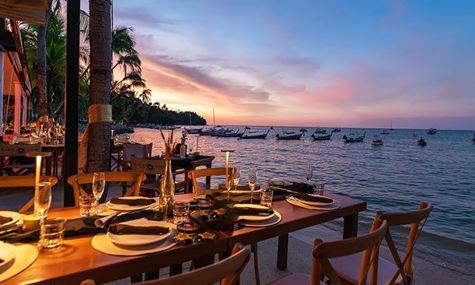
Late afternoon and evening are often the most pleasant moments of the day. This is when food tours, night markets, riverside walks, Hoi An’s lantern streets, beach walks and sunset cruises feel easier to enjoy.
In beach towns such as Da Nang, the local rhythm is very clear. The beach is lively early in the morning, quiet during the hottest hours, then active again near sunset. Follow that rhythm: go out early, slow down at midday, then enjoy the evening.
Make Peace with the Midday Break
In Vietnam, a midday break is not wasted travel time. During the hottest months, it is often what makes the rest of the day enjoyable.
Between late morning and mid-afternoon, choose museums, shaded cafés, spas, cooking classes, covered markets, hotel rest, pool time, slow lunches or transfers between destinations.
A café break is not just a way to escape the heat. It is part of daily life in Vietnam. Sitting down for an iced coffee, fresh juice or tea in a shaded café lets you rest, cool down and watch the city from a more comfortable place.
The travelers who enjoy summer in Vietnam the most are usually not the ones who do the most. They are the ones who choose the right timing.
Do Not Walk Everywhere
This is one of the easiest mistakes to make in Vietnam: judging distance only by Google Maps.
A 10-minute walk in Vietnam at midday can feel very different from a 10-minute walk in a cooler country. In humid heat, even a short walk can leave you tired before the visit begins.
This does not mean you should avoid walking completely. Save longer walks for shaded streets, early mornings or evenings. During the hottest hours, use short taxi rides, ride-hailing apps such as Grab or private car transfers.
Taking a quick ride is not “missing the experience”. Sometimes, it is what helps you enjoy the experience properly.
Use Shade and Umbrellas Strategically
Shade is not a small detail in Vietnam’s hot season. It is part of your travel strategy.
When walking, move from shade to shade, choose tree-lined streets when possible and avoid standing still under direct sunlight. A UV umbrella is useful for both strong sun and sudden tropical rain.
You can also use cafés, convenience stores, museums, hotel lobbies and shaded restaurants as short cooling stops throughout the day.
The goal is not to avoid the outdoors completely. The goal is to enjoy the outdoors at the right moment, with enough shade and rest built into the day.
Stay Hydrated and Choose Light, Refreshing Food
Feeling tired in Vietnam’s hot season is not always about fitness. Humidity, sweating and long hours outdoors can drain your energy faster than expected, especially if you are walking in cities, visiting open-air sites or carrying a daypack.
Drink regularly, before you feel thirsty. Always keep a bottle of water with you during sightseeing, even for short visits. If you are traveling with children or senior travelers, check more often that everyone is drinking enough.
On very hot days, or when your itinerary includes walking, cycling, hiking or long outdoor visits, electrolytes can be useful. You can bring electrolyte tablets from home or find isotonic drinks in convenience stores and supermarkets in Vietnam. They can support hydration on active days, but they should not replace water.
For a refreshing break, you can try:
Fresh coconut water
Sugarcane juice
Fresh fruit juice or smoothies
Iced tea
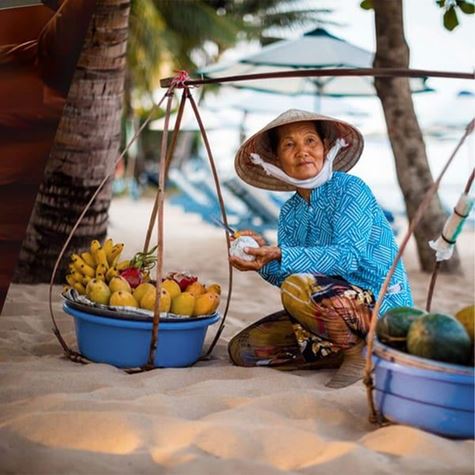
Watermelon, orange, mango or dragon fruit
Fresh spring rolls
Vermicelli bowls
Light soups
Vietnamese iced coffee is a must-try, especially on a hot day, but coffee is not a substitute for water. Avoid drinking too much alcohol during the strongest heat of the day, as it can make dehydration worse.
Most importantly, listen to your body. If you feel dizzy, weak, nauseous, unusually tired or unable to cool down, stop your activity and rest in a shaded or air-conditioned place. Drink water slowly and give yourself time to recover. If symptoms do not improve or feel serious, seek medical help.
This article provides general travel advice, not medical advice.
What to Wear and Pack for Vietnam’s Hot Season
Pack for humidity, not just heat. Clothes that feel comfortable in a dry climate can become heavy and sticky very quickly in Vietnam, especially if you are walking in cities, visiting outdoor sites or moving between several places in one day.
For clothing, choose light and breathable pieces:
Lightweight cotton or linen clothes
Quick-dry shirts for active days
Breathable underwear
Loose trousers, skirts or dresses
Light long sleeves for sun protection (prefer black clothing, even though it might make you feel hot, black is the best at protecting against UV rays.)
Modest clothing for temples and pagodas
Comfortable sandals or walking shoes
Breathable socks if you wear sneakers
Avoid thick fabrics, tight jeans and clothes that take a long time to dry. Comfortable sandals are especially useful because you may need to slip your shoes on and off during the day, especially at temples, homes, homestays or some local spaces.
Beachwear is fine at the beach or pool, but it is better to dress more respectfully when walking around town, visiting cafés, shops, local neighborhoods or religious sites.
For your daypack, bring:
Sunscreen SPF 30 or higher (at least twice a day, and every 2-3 hours, if you spend a lot of time outdoors)
Wide-brimmed hat
Sunglasses
UV umbrella
Reusable water bottle
Electrolyte tablets or powder (electrolyte tablets or powder, or bottled electrolyte drinks such as Pocari Sweat or Revive.)
Portable fan or small water mist
Small towel or face cloth
Light rain poncho
Mosquito repellent
Small daypack for daily visits
Sunscreen is available in Vietnam, but it can be more expensive or less convenient to find in some tourist areas. It is better to bring a bottle you already trust.
Where to Go in Vietnam During the Hot Season
Choosing the right destinations can make a big difference when traveling in Vietnam’s hot season. Some places feel more comfortable thanks to higher elevation, sea breezes or shaded landscapes. Others are still hot, but remain very rewarding if you visit them at the right time of day.
Not every beautiful destination in Vietnam is a place to escape the heat. This is important to understand when planning a summer itinerary. A good hot-season route should balance cooler mountain areas, beach breaks, shaded cultural visits and enough time to rest.
Mountain Escapes in Northern Vietnam
If you feel tired after a few hot city days, the mountains of northern Vietnam can give your itinerary a welcome change of rhythm.
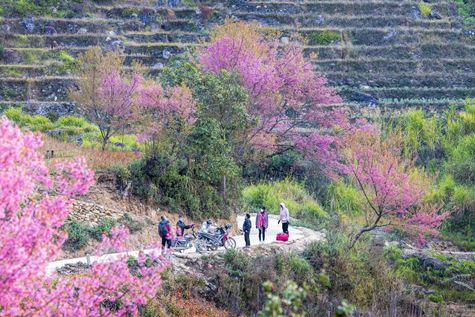
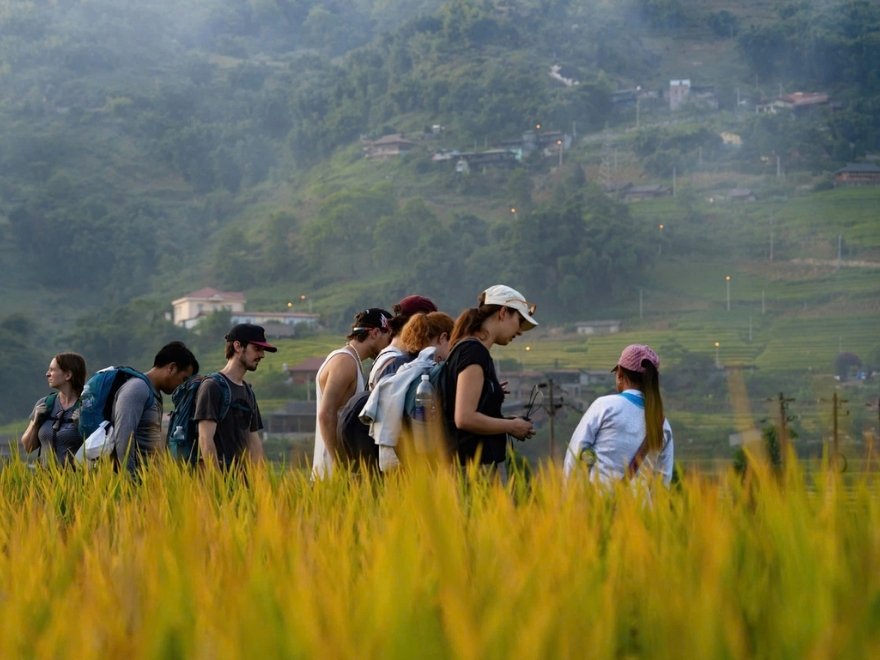
The mountainous regions of Vietnam are the best choice for escaping the heat in the North.
Summer is also one of the most beautiful times to see northern Vietnam in deep green. In some rice terrace areas, May and June can bring the water season, while July often turns valleys and hillsides into wide layers of green.
That said, cooler air does not mean you should trek at any hour. We still prefer lighter walks in the morning or late afternoon, especially for children, senior travelers or anyone sensitive to heat.
Beach Breaks in Central Vietnam
Central Vietnam is one of the best regions for combining summer travel with beach time. Da Nang, Hoi An’s beaches, Nha Trang and Quy Nhon are good options if you want to balance sightseeing with time by the sea.
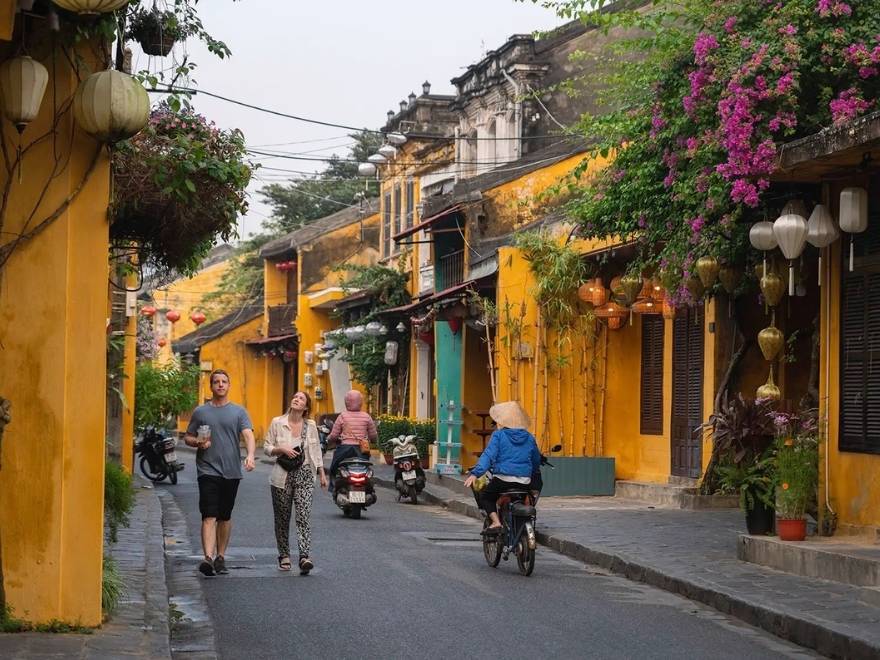
In hot weather, the beach can become part of the daily rhythm, not just a place to rest at the end of the trip. You can visit Hoi An’s old town early in the morning, relax near the beach at midday, then return to the lantern streets in the evening when the air feels softer.
Hoi An is quiet and cool in the early morning.
From June to August, Da Nang and much of the central coast often have long sunny days, which is good for beach time. But the midday sun can be intense, so it is better to enjoy the coast like locals do: early, late, and with shade in between.
Highlands and Island Retreats
For cooler air, Da Lat is one of the most useful additions to a summer itinerary. Thanks to its elevation, the city often feels more comfortable than Vietnam’s lowland cities. It is a good choice for travelers who want a slower pace, garden visits, waterfalls, cafés and a break from intense urban heat.
For island relaxation, Phu Quoc, Whale Island and Con Dao can also work well, especially if your hotel has shaded areas, a pool or direct beach access. These islands are not always cooler in temperature, but the sea, open space and slower rhythm can make the heat easier to enjoy.
Whale Island Resort is the best destination to escape the heat and crowds.
During rainy months, island weather should be checked carefully, especially if beach time is important to your trip.
Rewarding Places That Need Careful Timing
Some of Vietnam’s most important destinations are not exactly places to escape the heat, but they are still worth visiting with the right rhythm. This includes Hanoi, Hue, Ho Chi Minh City, the Mekong Delta and Ninh Binh.
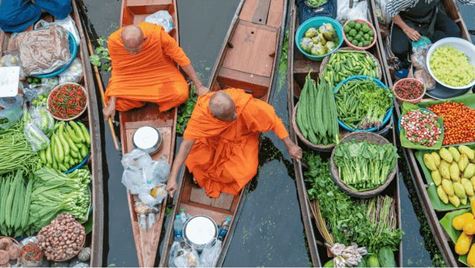
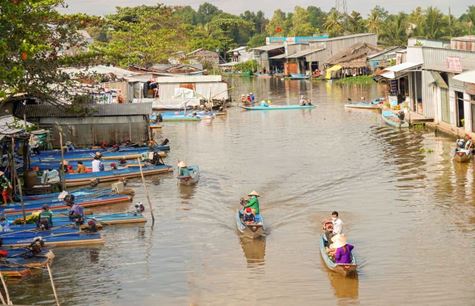
The Mekong Delta is a good example. It is not a cool destination. It is hot and humid. But when boat trips, markets and garden visits are planned early in the morning, the experience can still feel calm, local and very rewarding.
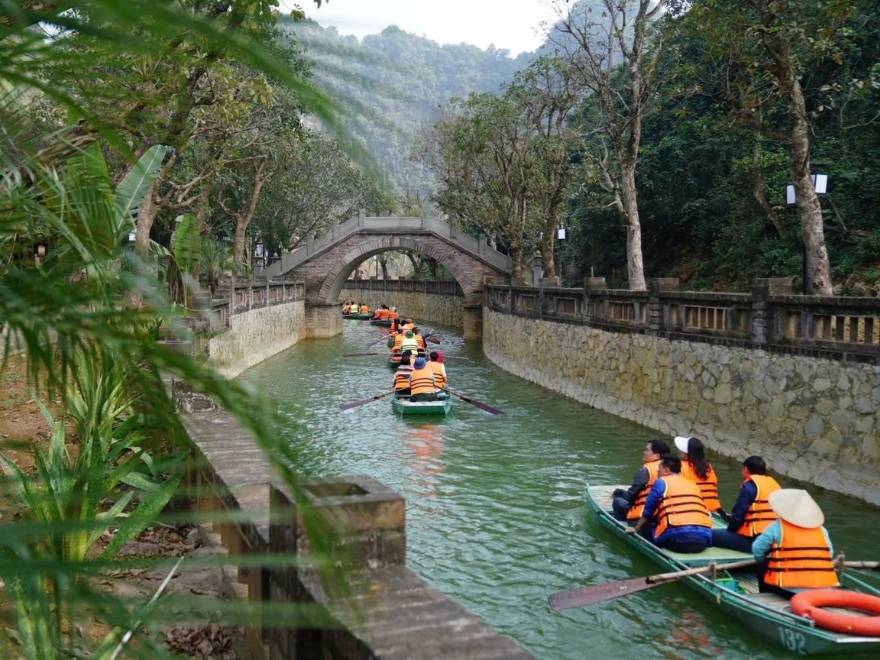
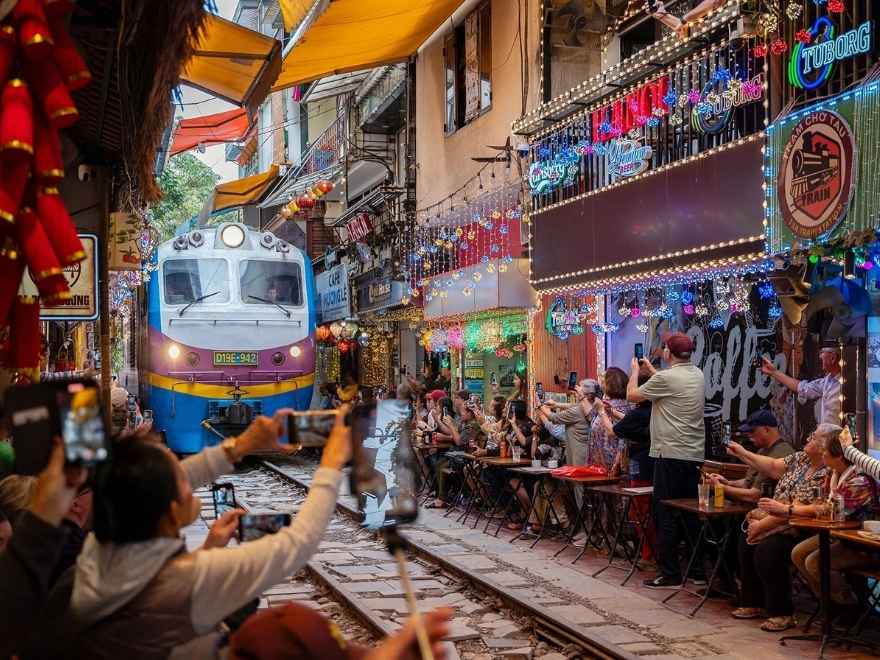
In Ninh Binh, boat rides and viewpoints are much more enjoyable outside peak heat. In Hue, open imperial sites and royal tombs should be planned carefully because shade can be limited. In Ho Chi Minh City and Hanoi, short transfers can help you avoid tiring walks during the hottest hours.
The goal is not to avoid Vietnam’s warm places completely. The goal is to visit them at the right time, with enough space in the day to rest, drink, cool down and enjoy what you came to see.
Tips for Families and Senior Travelers
Vietnam’s hot season can still be suitable for families and senior travelers, but the itinerary should be designed more gently. In this case, comfort often comes from small planning decisions that may not look important on paper, but matter a lot during the trip.
A few details can make the whole day easier:
Choose hotels with a pool, shaded areas or a comfortable lounge.
Keep a private car, taxi or ride-hailing option nearby during hot hours.
Plan shaded lunch stops instead of rushing between visits.
Take a real break after the morning visit, not just a short pause.
Keep dinner close to the hotel after a long travel day.
Avoid long walking tours between late morning and mid-afternoon.
Choose easier walking routes in mountain areas, especially for children or senior travelers.
For this type of trip, we usually recommend one main outdoor visit in the morning, followed by lunch, rest and a lighter activity later in the afternoon. This is often more comfortable than a packed full-day schedule.
A slower rhythm does not make the trip less rich. It often makes the whole experience more enjoyable. If you are traveling with children or older relatives, a family-friendly Vietnam itinerary or a private Vietnam tour can make the hot season much easier to manage.
No, but you should travel differently. Start early, avoid long outdoor visits at midday, use cooling stops and choose destinations that fit the season.
What are the hottest months in Vietnam?
In many regions, the hottest period is from May to August. Northern Vietnam is hot and humid in summer, Central Vietnam can be sunny and intense, and Southern Vietnam is warm year-round.
Why does Vietnam’s heat feel so intense?
Humidity is the main reason. Sweat does not evaporate as quickly, so your body cools down less efficiently. Cities can also feel hotter because of concrete streets, traffic, direct sunlight and limited shade.
What is the hottest time of day in Vietnam?
The hottest period is usually from late morning to mid-afternoon, often between 11:00 and 15:00 or 16:00, depending on the region and season.
What should I wear in Vietnam’s hot season?
Wear lightweight, breathable and quick-dry clothing. Bring a hat, sunglasses, sunscreen, a UV umbrella, comfortable shoes and modest clothing for temples and pagodas. For more details, see our Vietnam Travel Guide.
Where can I go in Vietnam to escape the heat?
Cooler options include Sapa, Ha Giang, Pu Luong, Mai Chau, Cao Bang, Ba Be and Da Lat. Beach and cruise destinations such as Da Nang, Nha Trang, Quy Nhon, Halong Bay and Lan Ha Bay can also be comfortable if you plan activities in the morning or late afternoon.
Planning your trip?
Save time and get expert advice for FREE!
✅ 15 years of local experience
✅ Save up to 40 hours of planning
✅ Travel stress-free from start to finish
Book your free consultation today!










 Our team
 Our team
 Our team
 Our team





.jpg)

.jpg)


 Other
Other Add us as a preferred source