Vietnam on Screen: 16 Masterpieces That Shatter Every Cliché
Cinema is an uncompromising mirror. Unlike the glossy perfection of travel brochures, it captures what no Instagram filter can erase: the invisible scars of history, the stifling humidity of the cities, the heavy silence of tradition, and the fierce melancholy of the monsoon rains.
Editor’s Note: We are not professional film critics, nor is this a sponsored post. This curation is the result of 15 years of on-the-ground experience by the Kampá Tour team. We have cross-referenced our own insights with traveler feedback and cinephile analysis to offer you a list that is honest, diverse, and completely unfiltered.
Written by Oliver PHUNG (Tour Guide)
Updated on Jan 23, 2026
0 comment
Oliver Phung is a Northern Vietnam-based tour guide and blogger. His favorite topics to write about include cuisine, culture, travel, and under-the-radar experiences. Oliver possesses a deep, detailed understanding of the region, from the indigenous culture of the Hmong in the Northwest to the highland lifestyle of the Tay in the Northeast. Whether he is exploring ancient architecture or geological landscapes, he is always eager to share his insights with his readers.
Beyond his work at Kampá Tour, he produces specialized travel content on platforms such as Reddit, Instagram, LinkedIn, and various other publications.
The Vietnam conflict didn't just shape history; it birthed an entire cinematic genre. However, the lens shifts radically depending on who holds the camera: an American, a Frenchman, or a Vietnamese.
1. Apocalypse Now (1979) – Francis Ford Coppola
🏆 Palme d'Or (Cannes 1979) & Ranked #30 Greatest American Film by AFI
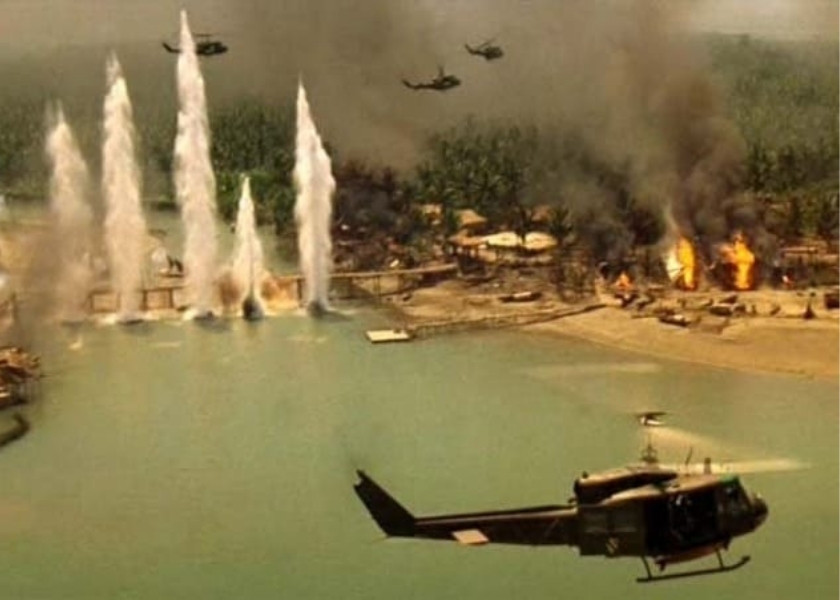
Set at the fever pitch of the Vietnam War, U.S. Captain Willard (Martin Sheen) is tasked with a classified mission: to journey upriver into Cambodia and "terminate" the rogue Colonel Kurtz (Marlon Brando). Kurtz, having descended into savage and unsound methods, has established himself as a demigod among a tribe of natives deep in the jungle.
Much more than a war movie, this is a psychedelic descent into human madness. Selected by the U.S. Library of Congress for its cultural significance, the film is a visceral masterpiece. Although filmed in the Philippines, Coppola captures the suffocating atmosphere of the conflict with terrifying precision, a landscape where the jungle seems to swallow men's sanity whole. It remains the ultimate hallucinatory journey into the "Heart of Darkness."
Apocalypse Now
📍 The Tourist Connection: Although not filmed on location, the atmosphere of the tropical rivers evokes the Mekong Delta or the remote areas of the Central Highlands.
2. Full Metal Jacket (1987) – Stanley Kubrick
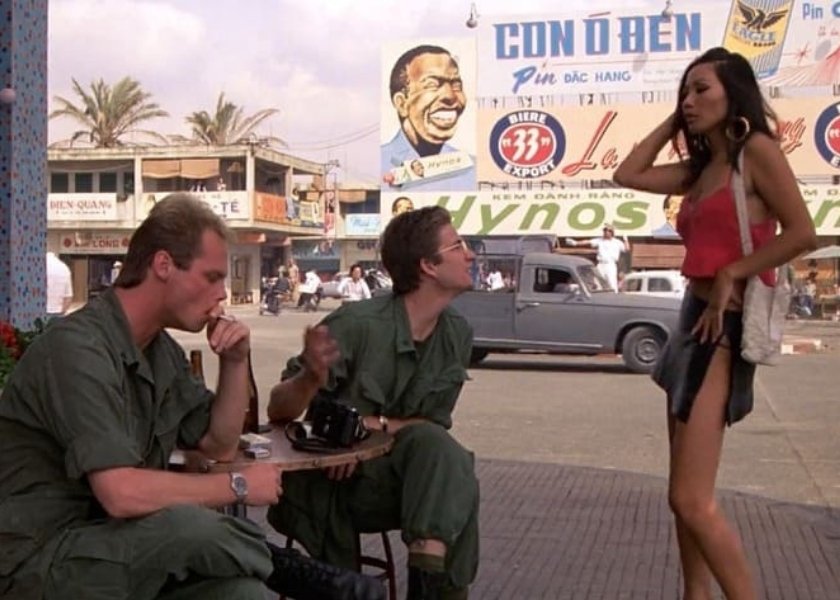
Stanley Kubrick delivers a surgical, cold, and brutal vision of dehumanization. While the first half focusing on Marine training is iconic, it is the second half that truly resonates with the discerning traveler. Kubrick recreates (on a soundstage in London!) the 1968 Battle of Hue during the Tet Offensive. Far from the usual jungle clichés, the film exposes the raw violence of urban warfare and the tragic destruction of imperial heritage. It serves as a stark reminder of exactly what the Citadel walls had to endure.
One of the most famous films of all time, it is considered a classic of Vietnam War cinema.
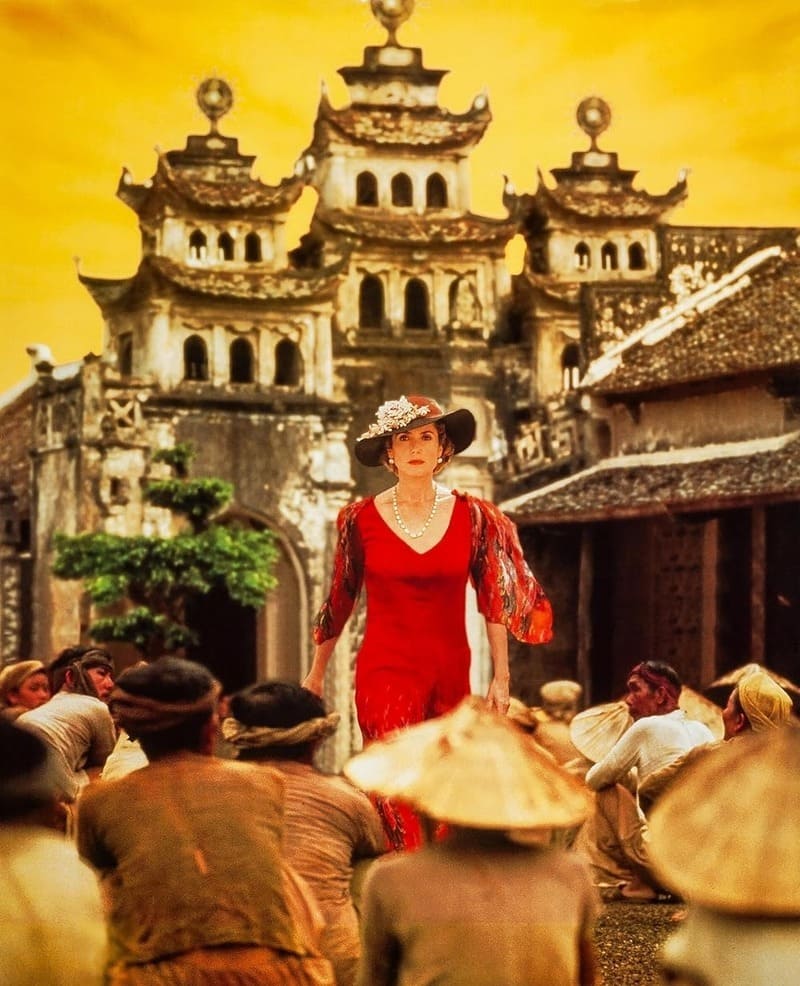
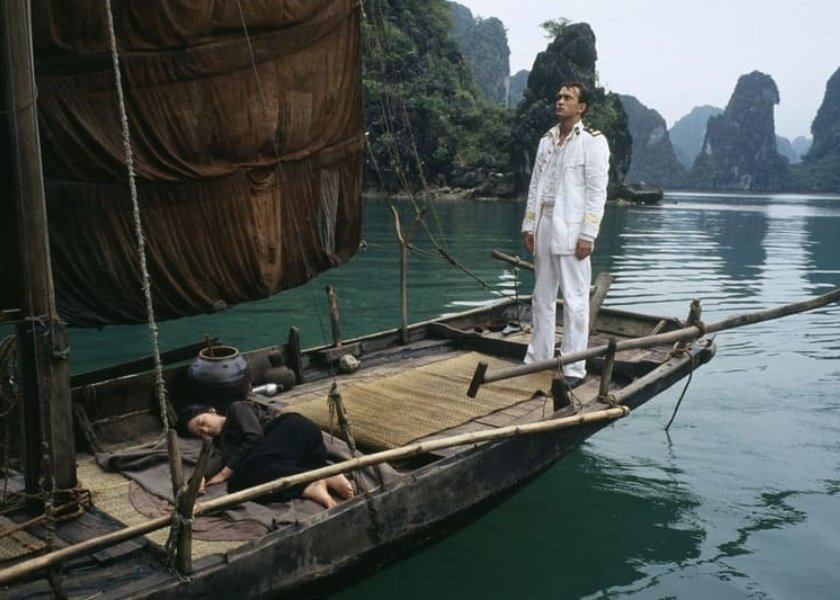
This is the sweeping romantic epic that captured the world's imagination. Through the intertwined fates of Eliane (Catherine Deneuve), a plantation owner, and her adopted daughter, the film recounts the painful demise of French Indochina. Beyond its unapologetic melodrama, the work holds immense merit for portraying the shift from the colonial system to the rise of nationalism. Visually, the misty cinematography of Halong Bay is so iconic that, 30 years later, it remains an absolute aesthetic benchmark.
Catherine Deneuve, a timeless icon of French cinema, whose elegance transcends eras.
Many were unable to hold back their tears while watching this scene
4. The Lover (L'Amant - 1992) – Jean-Jacques Annaud
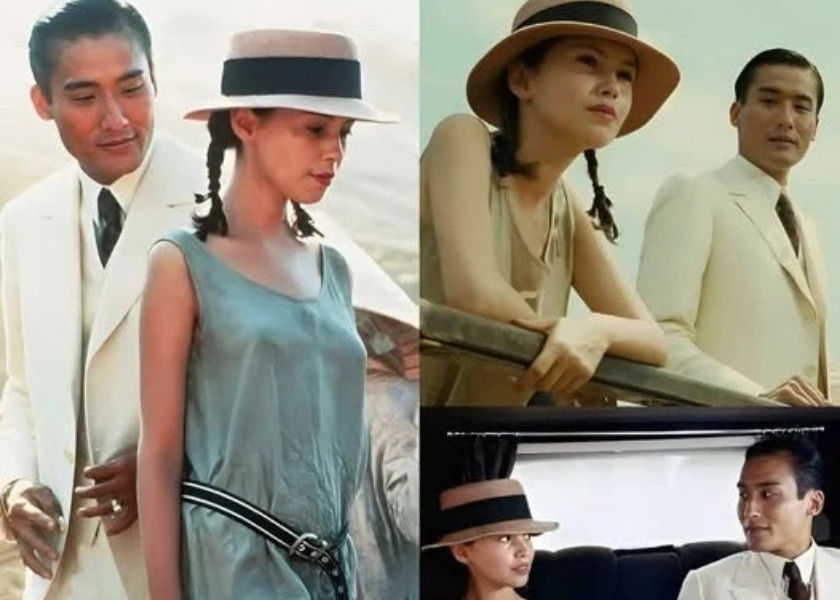
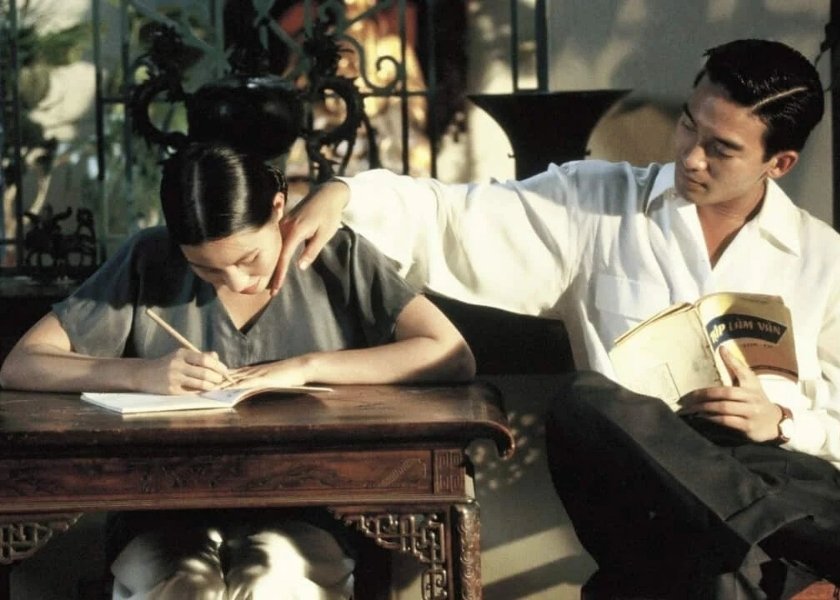
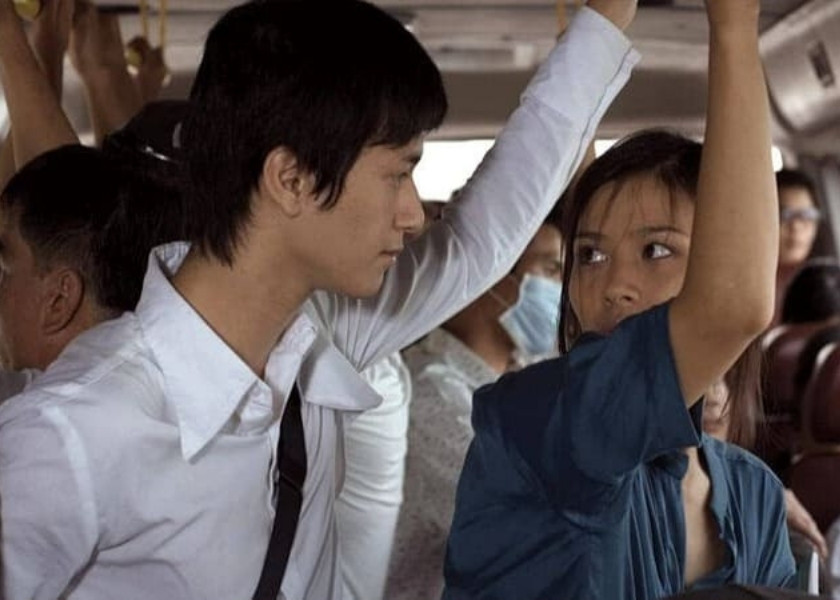
Jean-Jacques Annaud achieves a cinematic tour de force: he manages to film the heat itself. In adapting Marguerite Duras’ transgressive love story set in 1920s Vietnam, he captures an atmosphere that is intensely physical. The film practically sweats. You can feel the heavy humidity of the Mekong Delta, the incessant whir of ceiling fans, and the grit of dusty colonial buses. It is a meticulous reconstruction that lays bare, in unvarnished detail, the unspoken racial and social segregation of the colonial era.
In The Lover, every glance tells a story more than a dialogue.
📍 Filming locations: Sa Dec (The Ancient House of Huynh Thuy Le), Cholon (Ho Chi Minh City's Chinatown).
5. Dien Bien Phu (1992) – Pierre Schoendoerffer
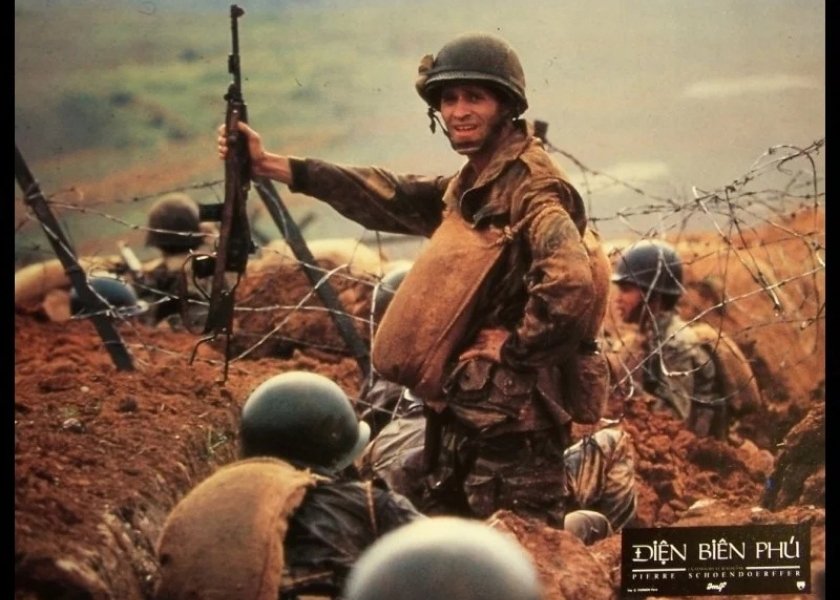
Pierre Schoendoerffer, a former war cameraman who was actually taken prisoner during the battle, rejects all Hollywood heroics here to deliver a film that feels like a quasi-documentary. There are no sweeping orchestral scores, no superstars coming to save the day. This is a film about the waiting, the mud, the relentless artillery, and the grim fatality of the 57-day siege that sealed the end of the French presence. It is stark, precise, and historically essential for understanding why France ultimately left the region.
A scene from the film Diên Biên Phu (1992), where the war is told from a human perspective, between waiting, fatigue and collective destiny.
📍 The real location: The Valley of Dien Bien Phu (Northwest Vietnam).
6. Mưa Đỏ (Red Rain - 2025) - Đặng Thái Huyền
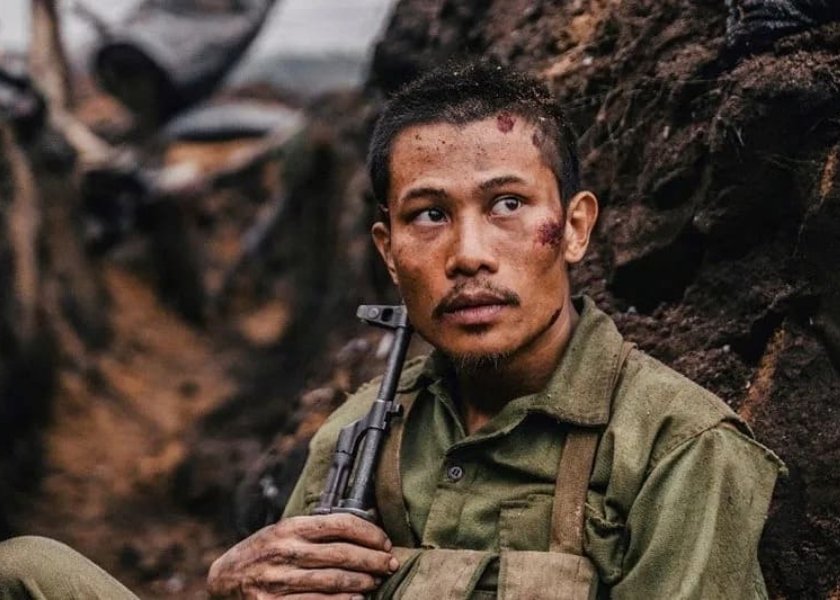
Spearheading the new wave of Vietnamese war cinema, this film revisits the fierce 1972 battle of the Quang Tri Citadel, where an unrelenting "rain" of bombs fell for 81 straight days. Stepping away from the technically limited propaganda of the past, Red Rain utilizes modern production values to deeply humanize the North Vietnamese soldier. These are not faceless killing machines; they are students, musicians, and poets sent to the front lines. It is a poignant tribute to the sacrifice of a lost generation.
The film's emotional impact is elevated by its theme song, "Nỗi đau giữa hòa bình" (Pain Amidst Peace), a haunting melody that perfectly captures the lingering melancholy of the post-war era.
📍 The real location: The Ancient Citadel of Quang Tri (Central Vietnam).
💡 Good to know: This film is a centerpiece of the upcoming national commemorations, marking the 80th Anniversary of Independence (1945-2025). It serves as a powerful reflection of how modern Vietnam honors its memory today.
Award-winning masterpieces from major film festivals
7. The Scent of Green Papaya (Mùi đu đủ xanh - 1993)
In 1950s Saigon, Mui, a young country girl, is hired as a servant for a merchant family whose fortunes are in decline. Through her innocent eyes, we bear witness to the household's silent dramas: a father who squanders the money, a mother who stoically endures, and sons who are coming of age. Ten years later, having blossomed into a graceful young woman, Mui enters the service of a refined pianist. There, amidst the household chores and musical notes, a wordless, delicate romance begins to bloom.
This is the film that introduced Vietnamese cinema to the global stage, yet it remains a beautiful paradox. Remarkably, this masterpiece was shot entirely on a soundstage in Paris. Director Tran Anh Hung did not seek to capture the real Vietnam, but rather to reconstruct a "spiritual Vietnam", an idealized, crystalline memory of childhood.
The camera floats like an unseen spirit, lingering on the "beauty of the gesture": the milky sap beading from a freshly grated papaya, the delicate quiver of an ant, the soothing rhythm of monsoon rain on terracotta tiles. It is a sensory, Zen-like experience, a hermetic sanctuary where the chaos of history and war is left at the doorstep. This is not Vietnam as it is, but as we dream it to be: silent and harmonious.
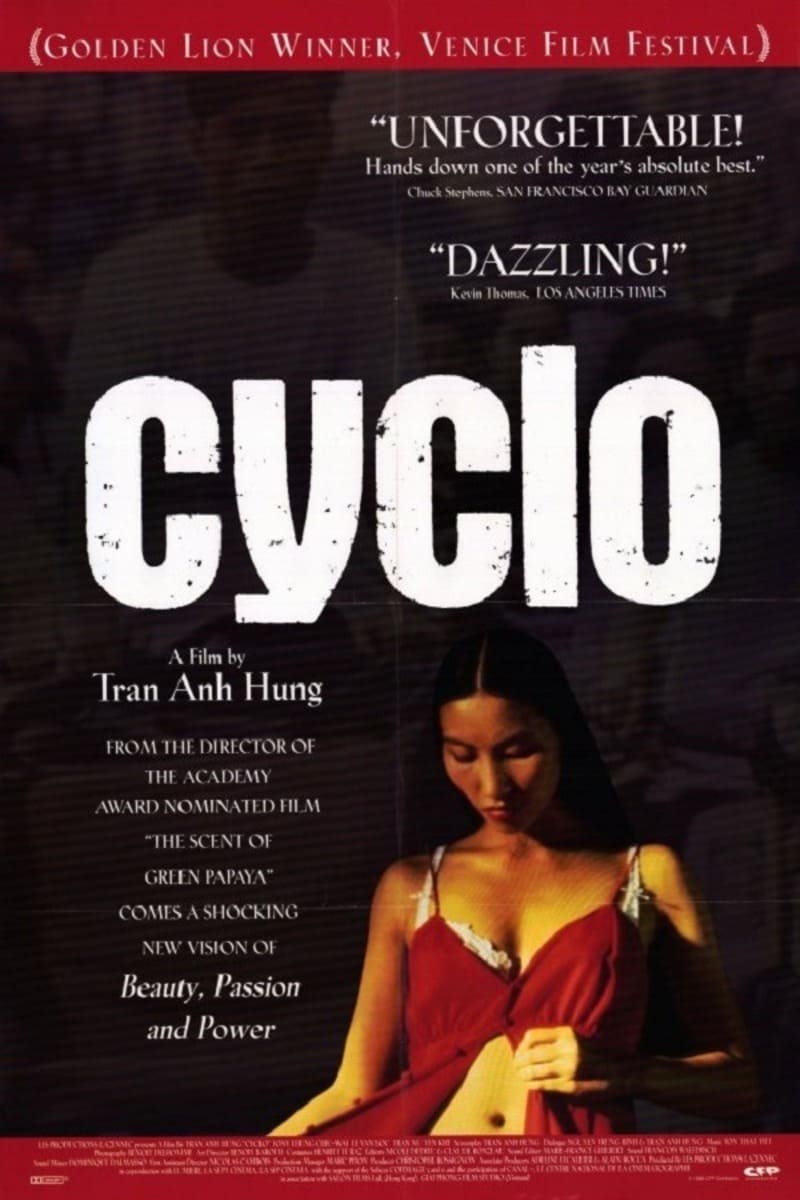
In the seething cauldron of 1990s Ho Chi Minh City, the nameless protagonist, known simply as "Cyclo," earns his meager living by the sweat of his brow. He is the sole provider for his impoverished family. When his livelihood, his pedicab, is stolen by a rival gang, his world collapses. Trapped by a ruthless boss to whom he owes a debt, he has no choice but to descend into the criminal underworld.
He falls under the sway of the enigmatic "Poet" (superstar Tony Leung), a gang leader who is as melancholic as he is dangerous. It is a fatal spiral: while Cyclo is forced into increasingly violent acts, vandalism, arson, protection rackets, and sinks into drug addiction, his own sister, pure and naive, is seduced by the Poet, who gently but inexorably pushes her toward prostitution. It is the tragedy of an entire family sacrificed at the altar of survival and easy money.
Brace yourself for an aesthetic and moral shock. If The Scent of Green Papaya was a Zen lullaby, Cyclo is a primal scream. Director Tran Anh Hung captures the precise moment Vietnam tipped into the market economy: a society losing its bearings, torn between traditional misery and modern violence.
Trần Nữ Yên Khê, lead actress in "The Scent of Green Papaya" and "Xích Lô".
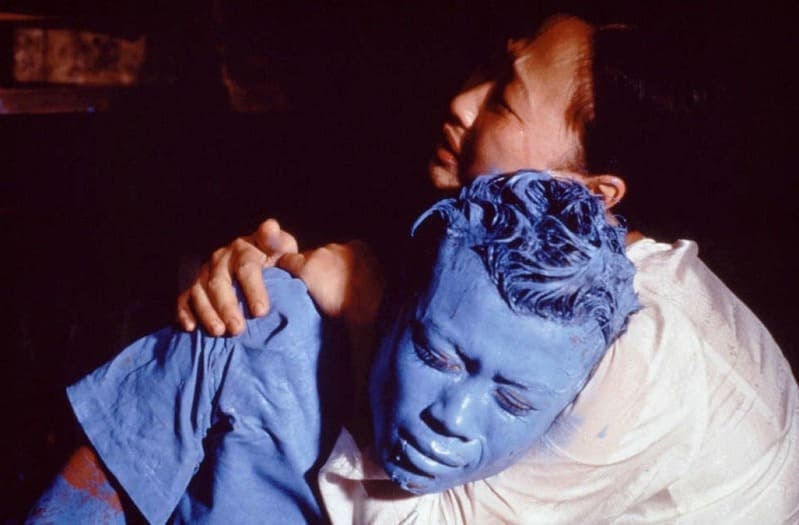
The film is a brutal sensory assault: the stench of gasoline, the visceral texture of fresh paint during a memorable scene of vandalism, the clash of blood and neon lights. The magnetic presence of Tony Leung, who embodies evil with a romantic face, makes this descent into the abyss fascinating. It is a visceral work that exposes the hidden, cruel, and oozing underbelly of the southern metropolis.
📍 The Atmosphere: The damp, gritty slums of Ho Chi Minh City.
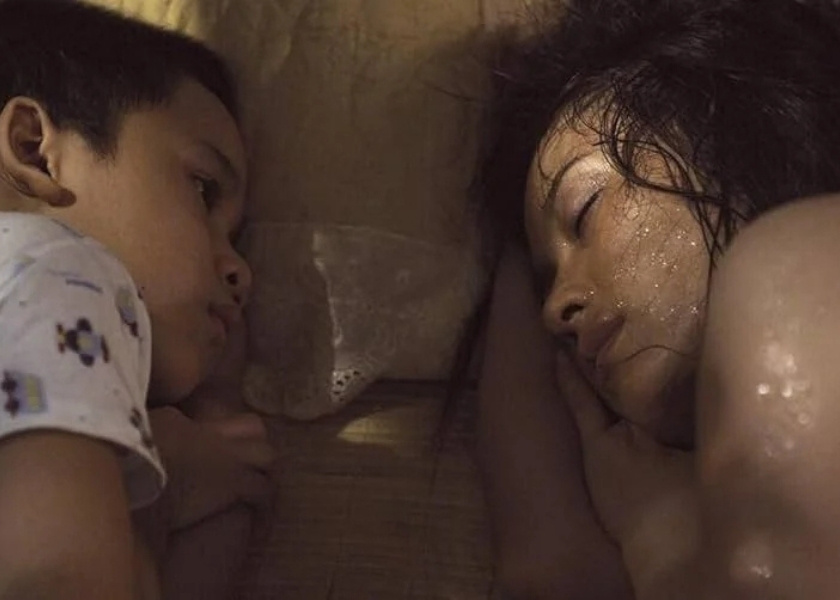
9. Bi, Don't Be Afraid! (Bi, đừng sợ! - 2010)
🏆 SACD Award & ACID Support (Critics' Week, Cannes)
Inside an old Hanoi house during a boiling summer, 6-year-old Bi watches the adult world unravel. His quiet life changes when his grandfather, seriously ill, returns from years of exile to spend his final days at home. The old man's presence exposes the cracks in the family: the father escapes his responsibilities through alcohol, the mother tries desperately to keep up appearances, and the unmarried aunt struggles with a suffocating loneliness and hidden desires. Meanwhile, Bi finds his own escape in simple things: leaves, rain, and the melting ice that fascinates him.
No one films heat quite like director Phan Dang Di. You can practically feel the sticky, oppressive humidity of a Hanoi summer clinging to your skin as you watch. The movie is famous for its brilliant use of ice as a metaphor. From giant blocks dragged through noisy streets by bicycle to the ice cubes the aunt uses to cool her suppressed passions, the cold is the only thing numbing the pain in a society where feelings are often left unspoken. It is a slow, daring look at the secrets hidden behind the closed doors of Northern families.
A scene from Bi, don't be afraid, where childhood silently observes the adult world.
📍 The Atmosphere: The humid, narrow "tube houses" of Hanoi.
10. In the Middle of Nowhere (Đập cánh giữa không trung - 2014)
🏆 Best Film (Venice International Film Critics' Week)
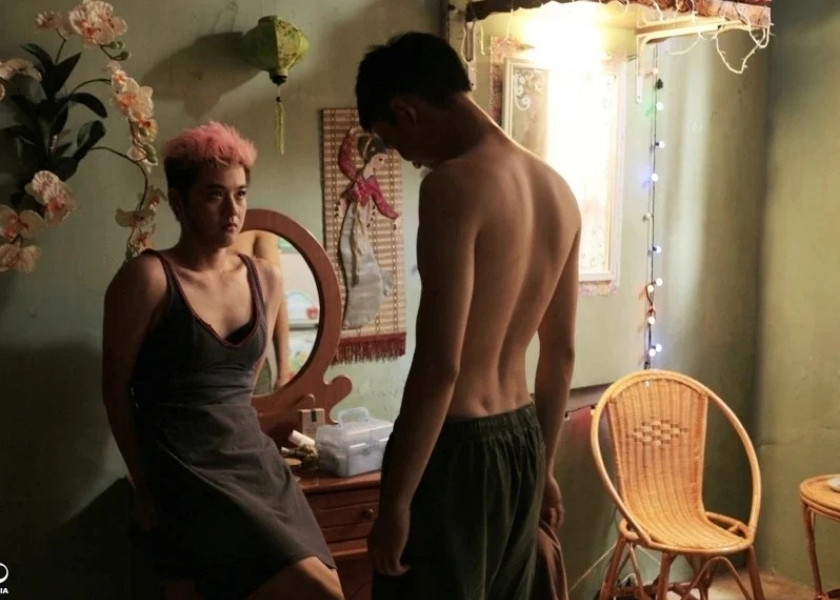
Huyen, a broke university student, finds herself pregnant by her boyfriend, Tung, a reckless young man more interested in cockfighting than fatherhood. Desperate for money to get an abortion, Huyen falls into a bizarre arrangement: she accepts paid dates with Hoang, a mysterious man with a fixation on pregnant women. Beside her through this chaos is Linh, her roommate, a transgender sex worker searching for a spark of genuine affection in a brutal city.
More than just a social drama, this is a visual poem about the dizziness of youth. Director Nguyen Hoang Diep captures a generation that feels "floating", suspended in mid-air, as the Vietnamese title suggests, grasping for anything real, be it money, sex, or identity. The film is visually striking, humid and sensual, but its heart lies with the outcasts. The character of Linh offers a rare, deeply human look at Vietnam's Queer community, stripping away caricatures to show a story of shared loneliness, where beauty somehow manages to bloom in the mud.
📍 The Atmosphere: The sharp contrast between the suffocating density of Hanoi and the misty, dreamlike roads of Tam Dao
11. Inside the Yellow Cocoon Shell (Bên trong vỏ kén vàng - 2023)
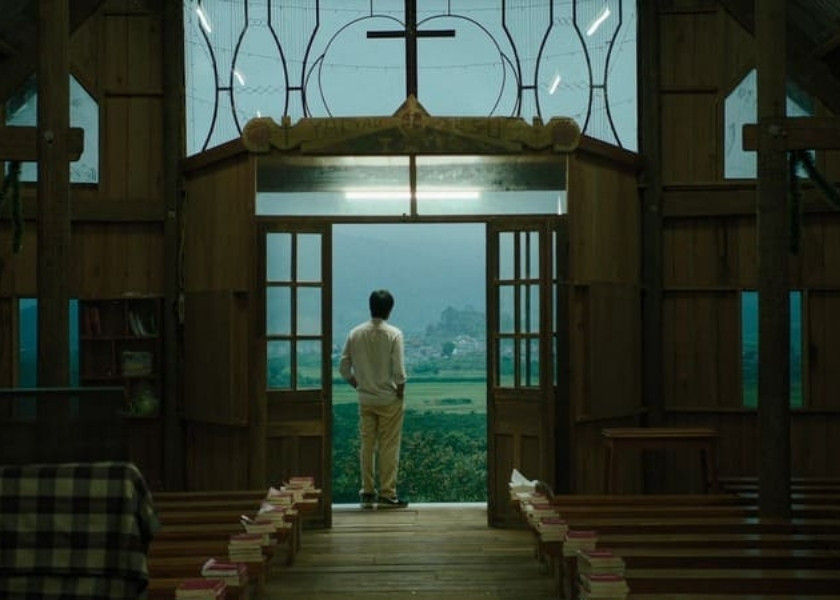
Following the sudden death of his sister-in-law in a motorcycle accident in Saigon, Thien is tasked with a solemn duty: to transport her body back to their rural hometown and care for his 5-year-old nephew, the tragedy’s sole survivor. What begins as a funeral procession slowly transforms into a mystical odyssey. As Thien ventures deeper into the mountains to locate his older brother, missing for years, he is forced to confront his own ghosts and grapple with a faith he thought he had long abandoned.
This film is a cinematic revelation, a truly hypnotic experience. Director Pham Thien An unveils a radical style that captivated audiences at Cannes: long, unbroken takes of breathtaking virtuosity that seem to stretch time itself into abstraction. The film dissolves the boundary between dream and reality. The highland mist, the relentless rain, and the imagery of Catholic rituals create a haunting, spectral atmosphere. It is not a movie you watch for the plot; it is a visual meditation you inhabit, one that makes you feel the weight of the soul and the invisible beauty of the world.
A slow pace, driven by a strong narrative cinematic dimension.
📍 The Atmosphere: The mystical, fog-drenched mountains of Bao Loc and Lam Dong (Central Highlands).
12. Song Lang (2018)
🏆 Over 50 International Awards (Beijing, Los Angeles, Golden Lotus)
In 1980s Saigon, Dung "Thunderbolt" is a brooding, violent debt collector feared by the streets. His path collides by chance with Linh Phung, the star tenor of a struggling Cai Luong (folk opera) troupe. What begins as a hostile shakedown evolves, over the course of a single sleepless night, into a profound spiritual connection. Two solitary souls from opposite worlds discover a shared resonance in their hidden pain and their devotion to art.
This is the crown jewel of modern Vietnamese cinema, frequently compared to the works of Wong Kar-wai for its lush, moody aesthetic. Director Leon Le doesn't just tell a story; he composes a vibrant love letter to a bygone era and a dying art form: Cai Luong.
The film carefully reconstructs the world of the ancient Cải Lương stages of South Vietnam
Visually, the film is a masterclass in nostalgia. The amber glow of streetlamps, the sequined stage costumes, the peeling paint of decaying walls... everything possesses a haunting, melancholic beauty. More than a drama, it is a meditation on destiny, redemption through art, and the fragile human bonds woven in silence.
📍 The Atmosphere: The sepia-toned alleyways of retro Saigon and the velvet-draped wings of the theater.
13. Children of the Mist (Những đứa trẻ trong sương - 2021)
🏆 Oscar Shortlist (Top 15 Best Documentary Feature) & Best Directing (IDFA)
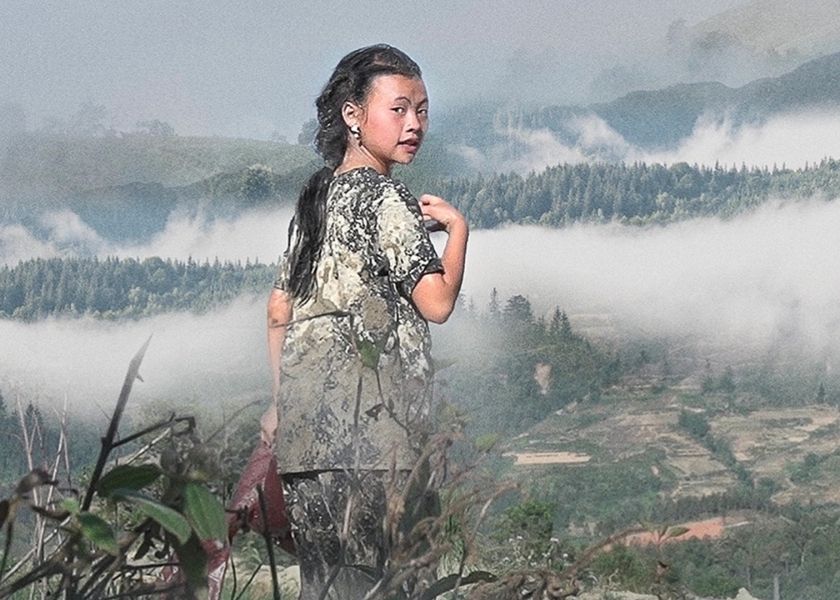
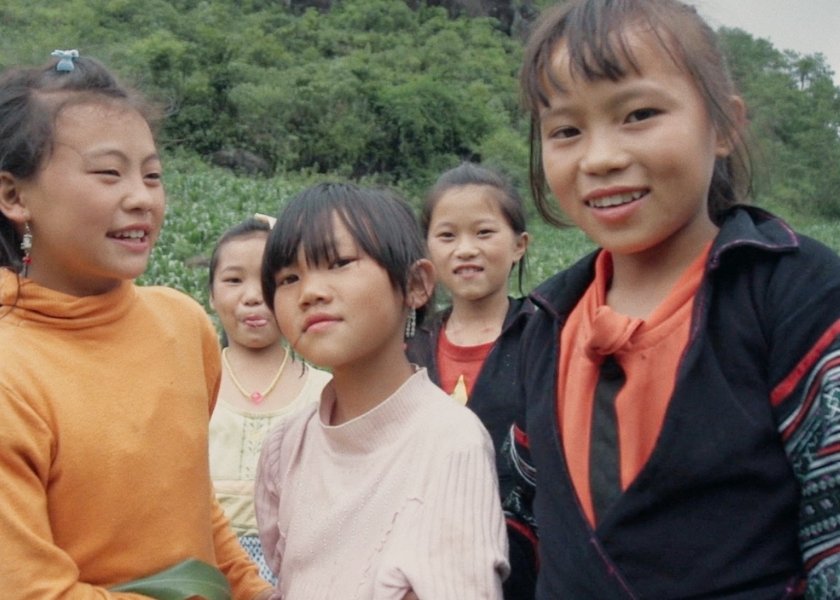
In the eternal fog of the northwestern mountains, Di, a 13-year-old Hmong girl, stands at the crossroads of childhood and adulthood. She belongs to the first generation of her tribe to have access to formal education and the internet. However, as the Lunar New Year approaches, Di faces the controversial tradition of "bride kidnapping" (tục kéo vợ). What starts as a playful courtship ritual turns into a harrowing tug-of-war between her desire to go to school and the crushing weight of age-old customs that threaten to force her into marriage.
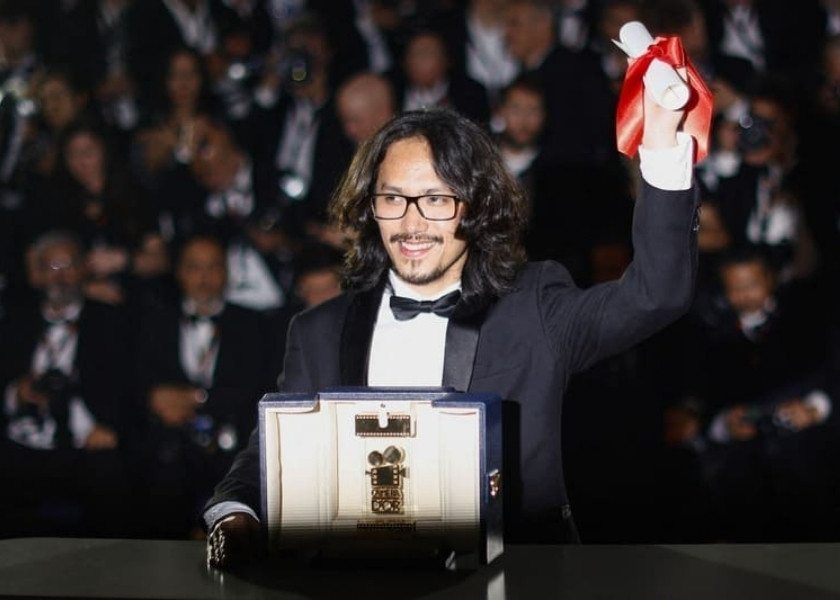
This is the film that made history as the first Vietnamese documentary to be shortlisted for an Oscar. Director Ha Le Diem delivers a work of startling intimacy. She doesn't just observe; she lives with the family, eventually being forced to drop the camera to intervene in the film’s heart-pounding climax.
The "mist" in the title is not merely atmospheric; it is metaphorical. It represents the haze of adolescence and the blurred lines between tradition and violation. Raw, unscripted, and emotionally devastating, the film peels back the romanticized tourist image of Sapa to reveal the complex, often painful reality of growing up as an ethnic minority woman.
📍 The Atmosphere: The haunting, fog-drenched mountains of Sapa (Lao Cai); far removed from the glossy resorts of the town center.
Famous films set in Vietnam
14. Kong: Skull Island (2017)
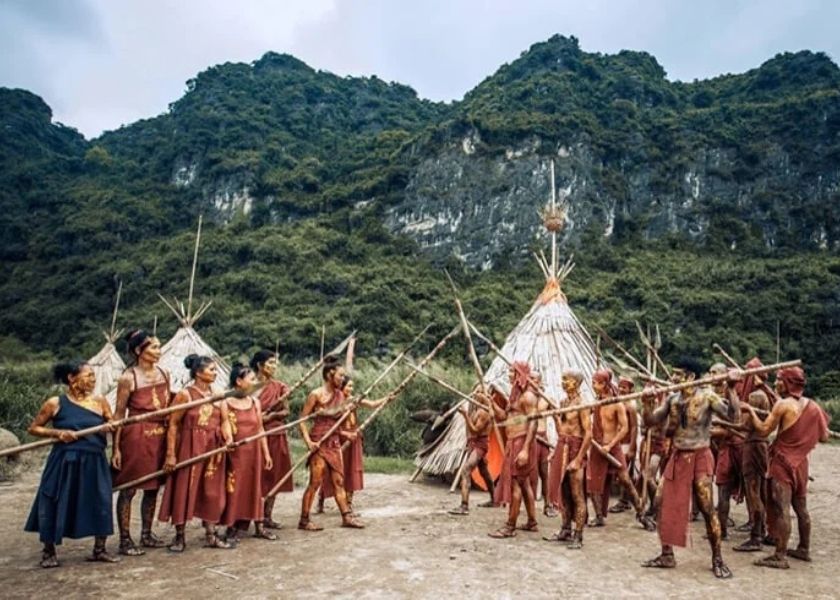
While the plot adheres to the classic "MonsterVerse" formula, the film’s true protagonist is neither the ape nor the A-list cast; it is the setting itself. Director Jordan Vogt-Roberts made a radical choice for a modern blockbuster: he eschewed the convenience of CGI green screens to shoot in practical, rugged locations. He scoured the country for a "Primordial Earth," a terrain that felt untouched by time.
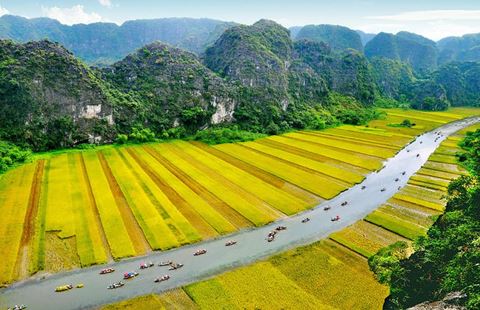
The result is visceral. The jagged limestone spires of Ninh Binh and the emerald expanse of Halong Bay merge to create a "Skull Island" of wild, almost alien beauty. The film serves as definitive proof that Vietnam’s prehistoric grandeur surpasses any special effect Hollywood can manufacture.
💡 Good to Know: The movie set known as "Kong Village" (the tribal huts) in Trang An was dismantled in 2019 following UNESCO's recommendation. This was a victory for preservation. The site has been restored to its wild, pristine integrity. You won't see fake polystyrene props today, just nature in its rawest, most impressive form.
15. A Tourist's Guide to Love (2023)
Marking a historic shift, this Netflix original is the first US production filmed entirely in Vietnam to completely bypass the narrative of war or trauma. It is an unapologetic, technicolor love letter to the country, breezy, vibrant, and relentlessly feel-good.
Admittedly, the film embraces the genre’s tropes, the impossibly available tour guide, the hyper-stylized Tet celebrations, but all is forgiven for the visuals. It serves as an exceptional showcase of the nation’s diversity. We follow the leads as they release lanterns on the Hoi An river, wander the ancient Cham sanctuary of My Son, and, crucially, venture onto the serpentine, majestic roads of Ha Giang, a region almost never captured in Western cinema.
For the hesitant traveler, this is the ultimate reassurance: Vietnam is presented not as a battlefield, but as a modern, joyous, safe, and infinitely welcoming playground.
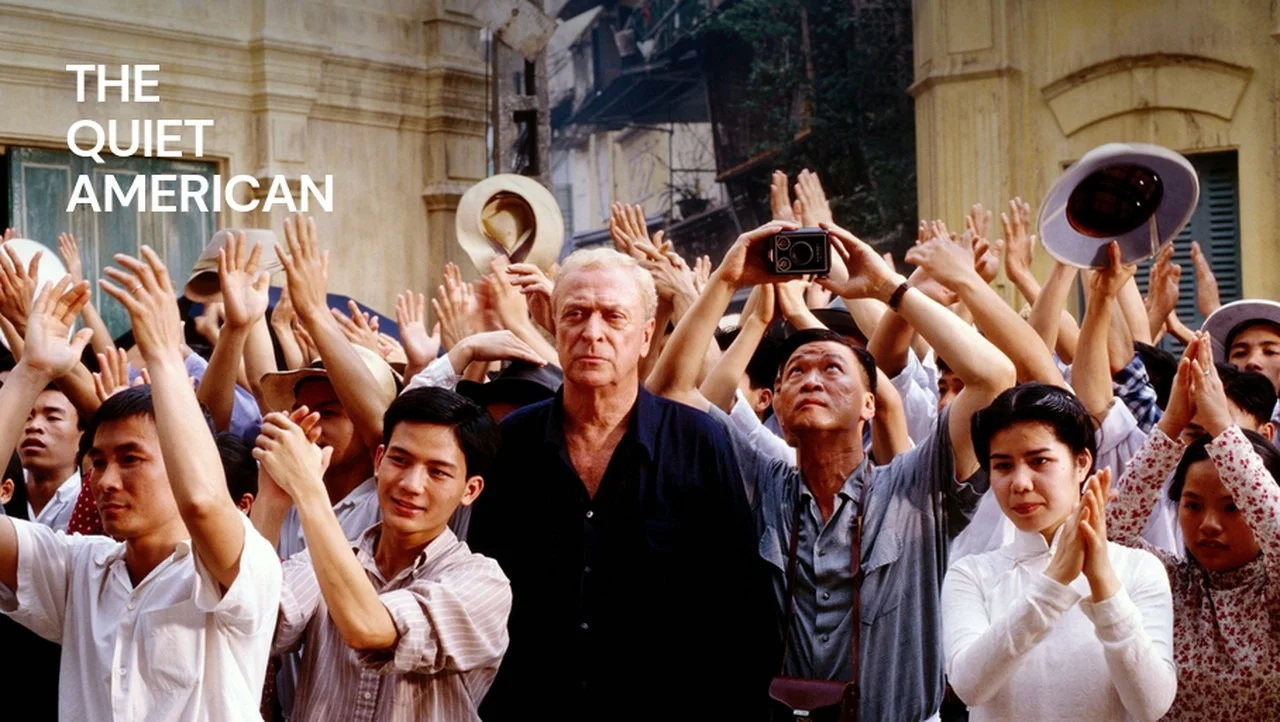
Widely regarded as the definitive adaptation of Graham Greene's prescient novel, this film is a work of rare elegance. Director Phillip Noyce steeps every frame in a golden, melancholic light that feels like a fading memory.
Beyond the romance lies a potent political allegory. Phuong (played by the sublime Do Thi Hai Yen) is not merely a femme fatale; she is the personification of Vietnam itself. She stands torn between the weary, decaying familiarity of the old colonial order (Fowler/Europe) and the brash, dangerous idealism of the new world (Pyle/The United States). Michael Caine delivers a career-defining performance as a man who realizes, too late, that one cannot remain "quiet" when the tides of history turn violent.
📍 Filming Locations: To recreate the Saigon of the 1950s (which is too modernized today), the production team filmed in the timeless streets of Hanoi's Old Quarter and the yellow alleyways of Hoi An. You will also recognize the iconic Continental Hotel in Ho Chi Minh City and the dramatic limestone landscapes of Ninh Binh.
Planning your trip?
Save time and get expert advice for FREE!
✅ 15 years of local experience
✅ Save up to 40 hours of planning
✅ Travel stress-free from start to finish
Book your free consultation today!







 Our team
 Our team
 Our team
 Our team


.jpg)
.jpg)
.jpg)


 Other
Other Add us as a preferred source