Is Mae Hong Son Thailand’s Best-Kept Secret? Your Ultimate Guide
Mae Hong Son, a mountainous province with majestic landscapes, captivates adventurers seeking authenticity. Nicknamed "the city of three mists," Mae Hong Son remains untouched by mass tourism. Its lush nature and the cultures of hill tribes coexist harmoniously, boasting treasures like Buddhist temples, terraced rice fields, limestone caves, and towering waterfalls. The local cuisine, a subtle blend of Thai and Burmese flavors, adds to the charm of this still-unknown destination.
Written by Preetika Narula (Local Expert)
Updated on Sep 19, 2026
2 comments
At 35 years old, Preetika is an enthusiastic explorer deeply connected to Thailand, Laos and Cambodia's rich heritage. As a Bangkoker, her local insights and experiences imbue authenticity into her narratives. She discovers solace within the pages of a book as much as amidst Southern Asian vibrant landscapes and bustling street markets. With an ardent passion for travel and a profound affection for literature, Preetika effortlessly integrates her personal adventures into captivating stories, providing a perspective uniquely rooted in local experience.
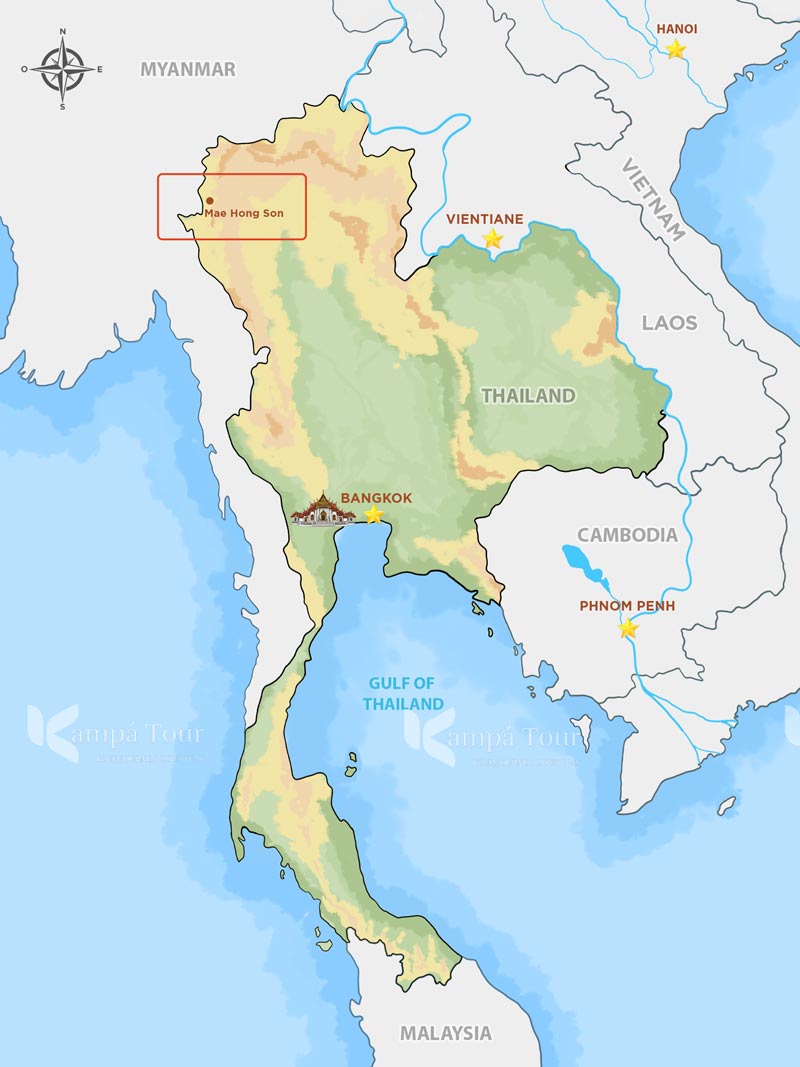
Mae Hong Son is a mountainous province in northwestern Thailand, bordering Myanmar. This peaceful provincial capital nestled in the mountains is about 924 km by road from Bangkok. Known as "the city of three mists" due to frequent fog, Mae Hong Son offers a guaranteed escape with its pristine primary forests and preserved nature.
Where is Mae Hong Son?
The population mainly comprises the Shan people and various hill tribes (Karen, Lisu, Lahu). Their unique cultures are reflected in the architecture, crafts, cuisine, and traditional festivals.
Numerous Burmese-style Buddhist temples bear witness to the neighboring cultural influence. Mae Hong Son will appeal to travelers in search of authenticity and off-the-beaten-path discoveries.
Mae Hong Son attracts tourists with its poetic and charming beauty
Highlights of Mae Hong Son:
Adventure and Escape: An enticing destination for those seeking adventure and a change of environment.
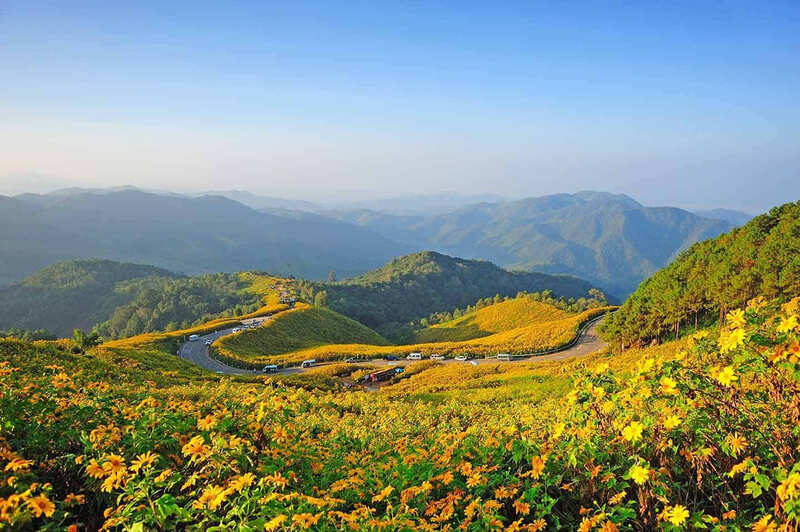
Stunning Natural Landscapes: High mountains, tropical forests, terraced rice fields, waterfalls, and caves.
Cultural Encounters: Different ethnic groups showcasing the unique culture of the Shan people through crafts, spicy cuisine, and traditional festivals.
Authenticity and Off-Tourist Circuits
2. Must-See Attractions
2.1 The City of Pai
Pai is a beautiful small town in Mae Hong Son, about 130 km from Chiang Mai. Surrounded by high mountains, Pai has a mild and pleasant climate year-round. In Pai, visitors can easily find shops and places associated with love, such as Coffee in Love, House of Love, Love Café, and Love Strawberry Pai, earning it the nickname "the city of love."
No one can resist the beauty of Pai
In addition to these charming spots, Pai Canyon is considered the soul of the beautiful city of Pai. Pai Canyon features narrow peaks with 20-meter-deep chasms on either side. Adventure lovers should visit Pai Canyon at least once for a thrilling experience.
Peaceful village in Pai, Sino-Thai tribes of Yunnan
Moreover, here you can enjoy exploring the two waterfalls Mo Paeng and Pam Bok, bathing in the hot springs, trekking, canyoning or exploring caves,…
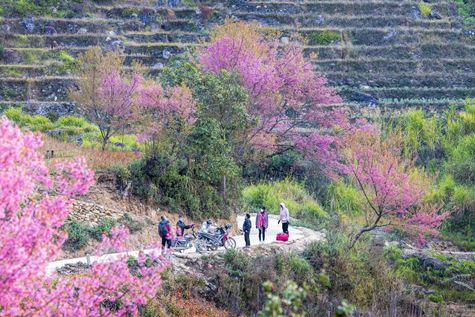
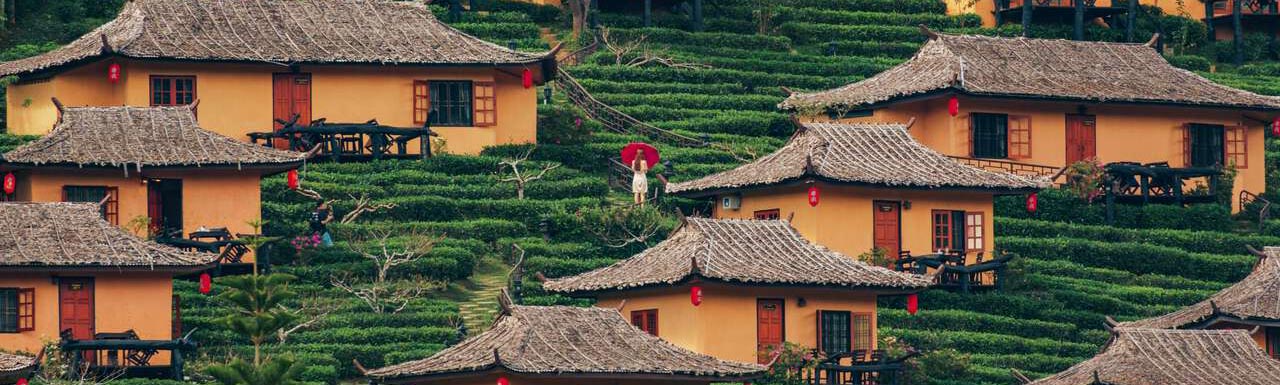
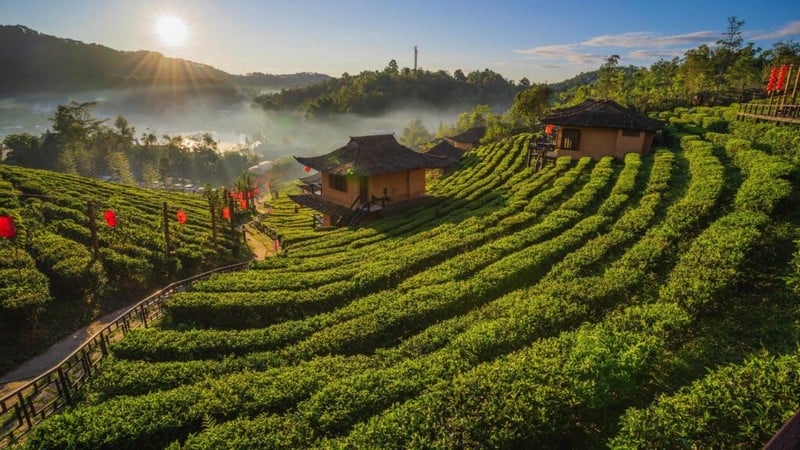
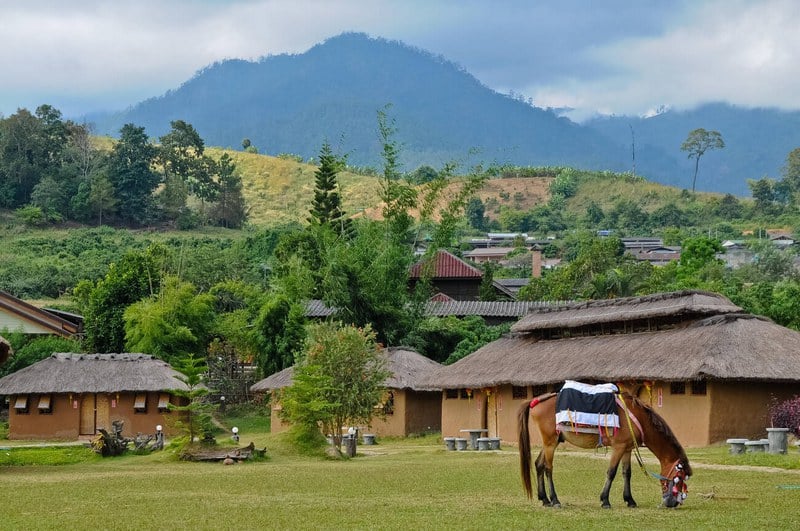
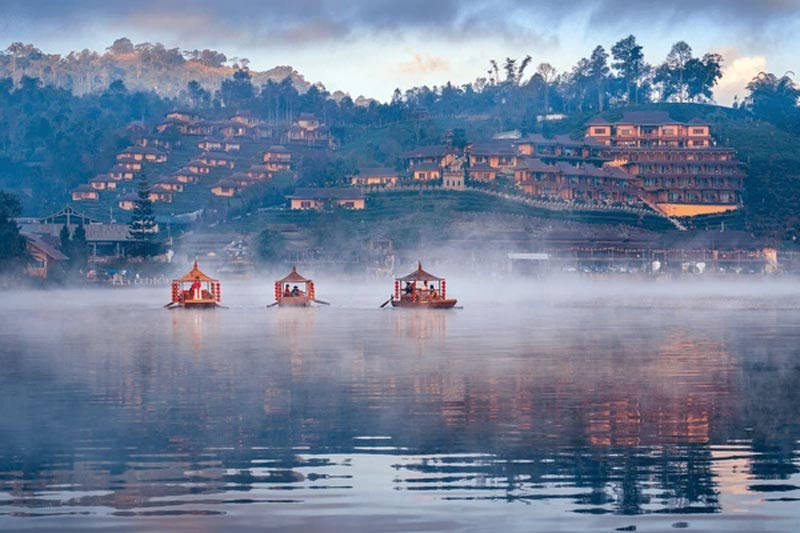
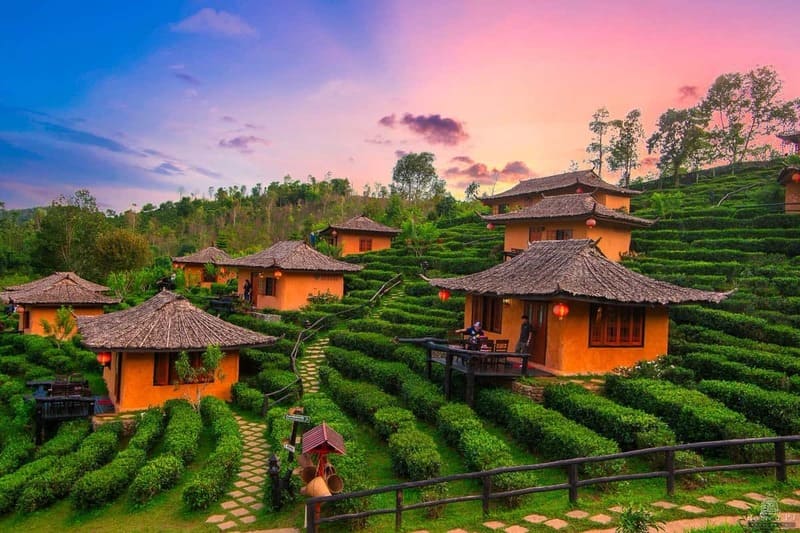
Ban Rak Thai is often considered the most beautiful village in Thailand. This small village is nestled in the highest area of Mae Hong Son province, only 1 km from the Thai-Myanmar border.
It is no exaggeration to say that Ban Rak Thai is the most beautiful village in Thailand.
The best time to travel to Ban Rak Thai is winter, from November to February. Besides enjoying hot tea and relaxing in cool weather, Ban Rak Thai offers activities like hiking, horse riding, and biking. Visitors can also observe the tea cultivation and harvesting process and participate in the annual tea-tasting festival in February.
About 6 km from Ban Rak Thai, Pang Ung is a pine-fringed royal-project reservoir, roughly 44 km from Mae Hong Son town, popular for camping and for photographing the morning mist over the water.
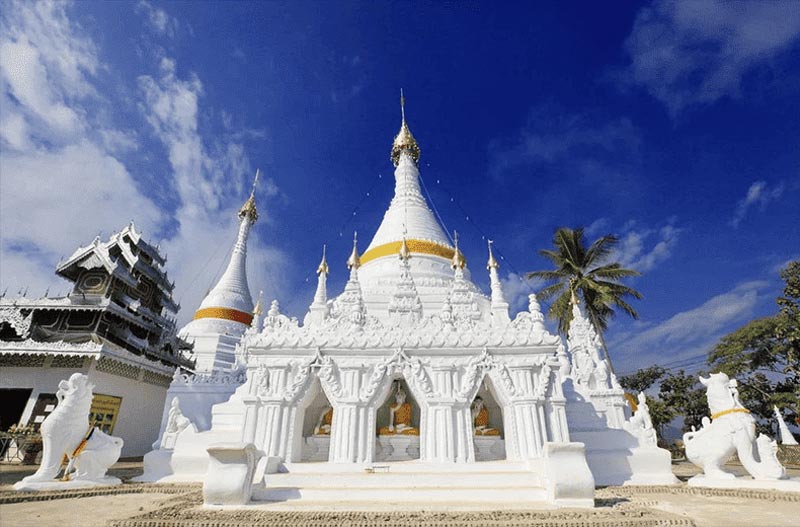
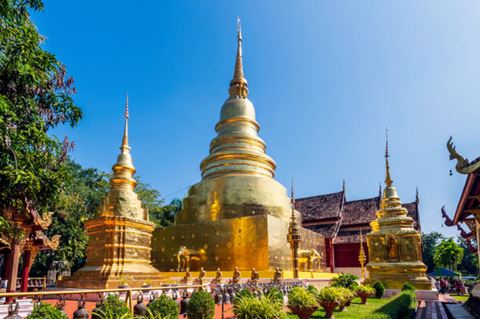
Located atop Kong Mu Hill, Wat Phra That Doi Kong Mu offers a panoramic view of the beautiful town.
Wat Phra That Doi Kong Mu
The surrounding landscape shrouded in mist gives the impression of being in a fairytale land. The temple's architecture is heavily influenced by Myanmar, featuring two white towers. The Great Tower was built in 1860, and the Small Tower in 1874. Entry is free, and donations are welcome.
Wat Phra That Doi Kong Mu offers panoramic views of the hillside, shrouded in mist
2.4 Su Tong Pae Bridge
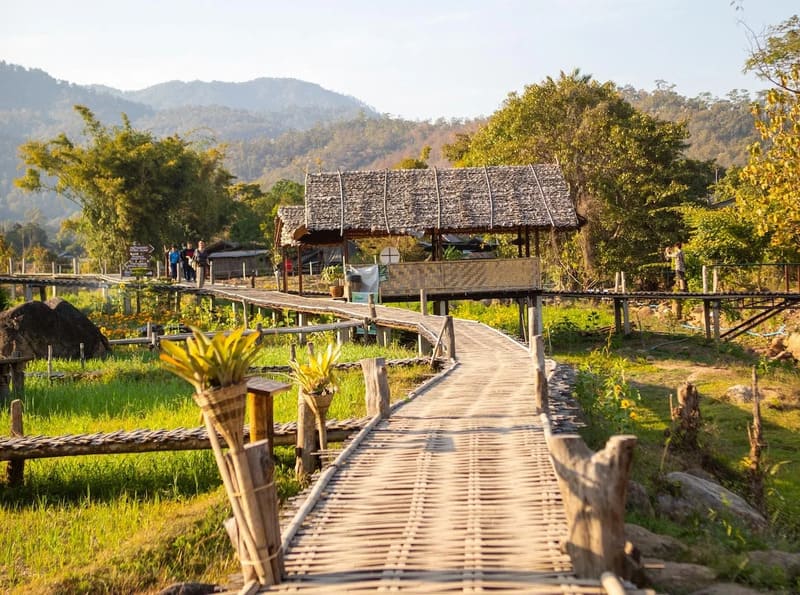
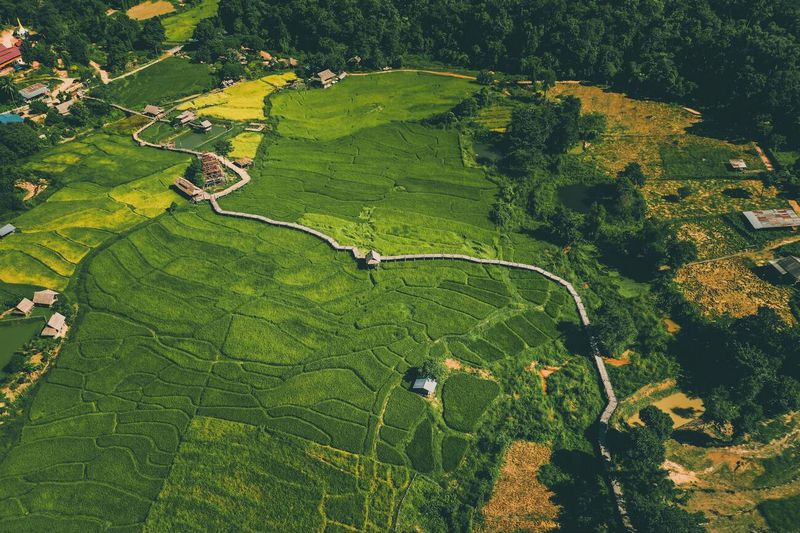
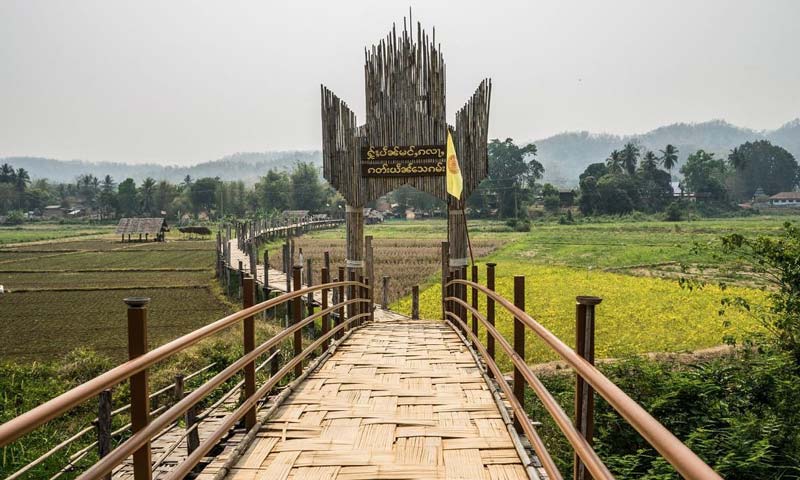
Su Tong Pae Bridge is a bamboo bridge about 2 meters wide and 500 meters long, built to allow monks from Tong Pae Pagoda to travel to town for the morning merit ceremony.
Su Tong Pae from above
The bridge stretches from Ban Gung Mai Sak to Wat Tham Poo Sa Ma and is considered a bridge of faith. Su Tong Pae bamboo bridge spans vast rice fields, offering visitors a chance to blend into the peaceful countryside. Entry is free, with a donation box to help pay for repairs.
Su Tong Pae bamboo bridge spans vast rice fields
The Tong Pae Pagoda is also worth a visit, housing numerous beautiful architectural works in various styles, as well as magnificent wooden sculptures.
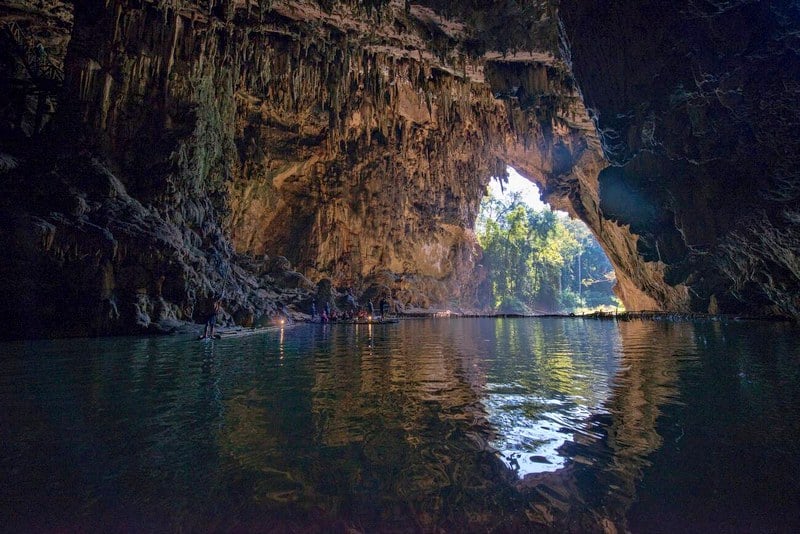
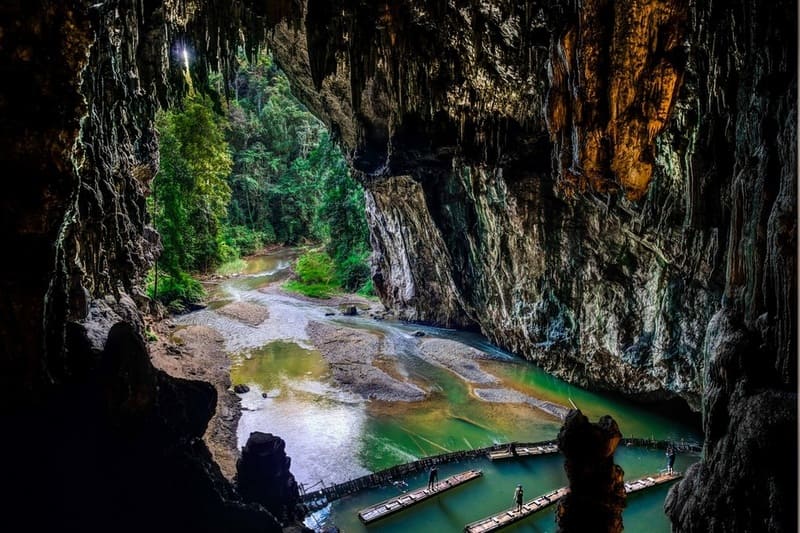
Tham Lod is one of the largest ancient caves in Thailand. The cave system measures 1,666 meters long near Sap Pong, in Pang Mapha district, Mae Hong Son province.
Tham Lod is one of the largest ancient caves in Thailand.
Before the entrance to Tham Lod Cave, visitors are greeted by a majestic natural panorama. As they venture deeper, they are captivated by the unfolding natural wonders. A local guide is mandatory, and reaching the deeper chambers involves a bamboo raft ride; depending on water levels, some chambers may be closed in the rainy season. The cave reveals stunning stalactites hanging above as they progress.
The impressive cave system of Tham Lod
Formed over millions of years by water and wind erosion, Tham Lod's stalactites reflect in the calm waters. The cave is also home to colonies of bats and birds. A visit to Tham Lod promises a fascinating experience in an enchanting underground world.
3. How is Shan Culture Expressed in Mae Hong Son?
3.1 The People and Language
The Shan people originate from the Shan region in Myanmar, as well as hill tribes living in isolated villages.
The Shan speak their own language, Shan, but some also speak Thai, Northern Thai, and Burmese. They mainly practice Theravada Buddhism and have developed a fascinating culture expressed through art, architecture, and traditions. Magnificent Shan-style pagodas, blending various influences, can be admired.
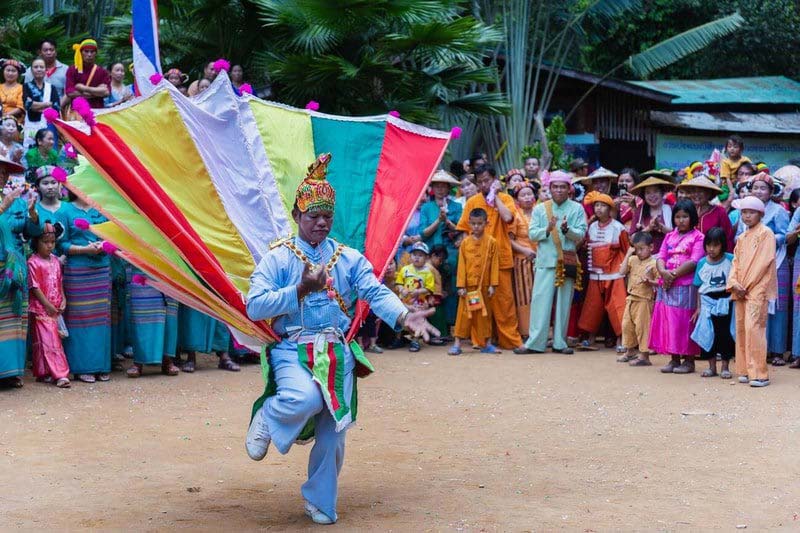
Shan people in ethnic dress dancing for Shan New Year
3.2 Local Festivals
Throughout the year, many festivals are held in Mae Hong Son, allowing tourists to discover the richness of local cultures. Dances, rituals, and gastronomy, each event has its unique characteristics.
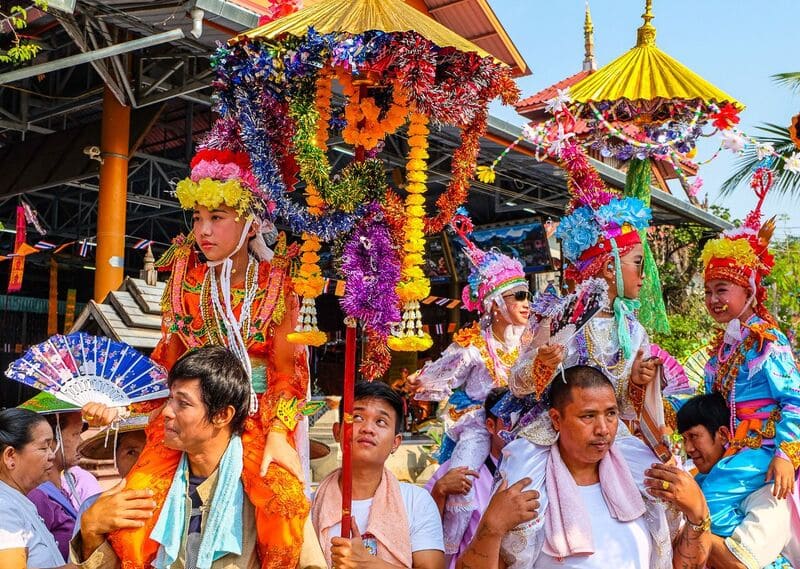
The most important festival for the Shan people is the "Poy Sang Long," an initiation ceremony for young boys held in March or April. The city is adorned with its finest decorations to celebrate this ancient tradition.
Poy Sang Long Festival of the Shan People
3.3 Local Crafts
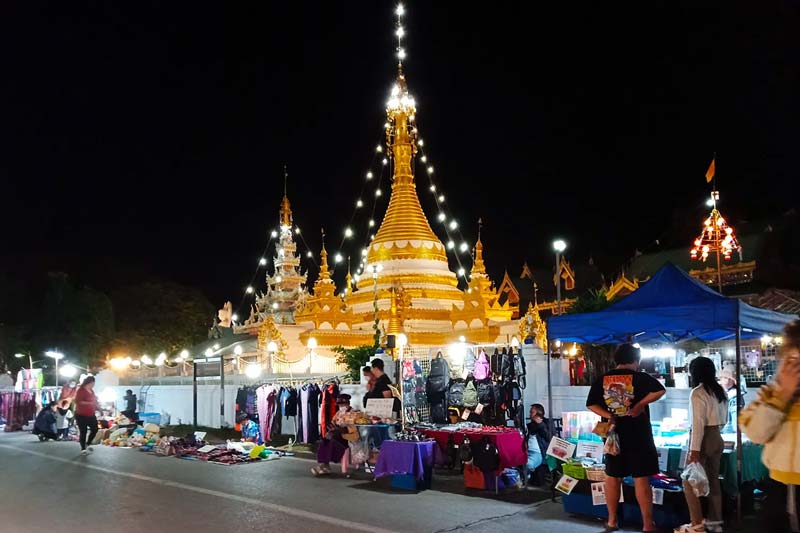
In Chong Kam Night market, many shops offer textiles, antiques, and hill tribe artifacts. The Singhanat Bamrung Road night market is also a great place to find Thai handicrafts.
Near the intersection with Khunlum Phraphat, traditional Shan teak houses showcase local architecture.
Among the must-see attractions is the visit to the villages of the long-necked Kayan women (often called "Padaung" by outsiders). These women, recognizable by their long necks stretched from childhood by brass rings, fascinate tourists who come to meet them and capture their unique style.
Mae Hong Son offers numerous opportunities to discover the crafts and cultures of the region's ethnic minorities in an authentic setting.
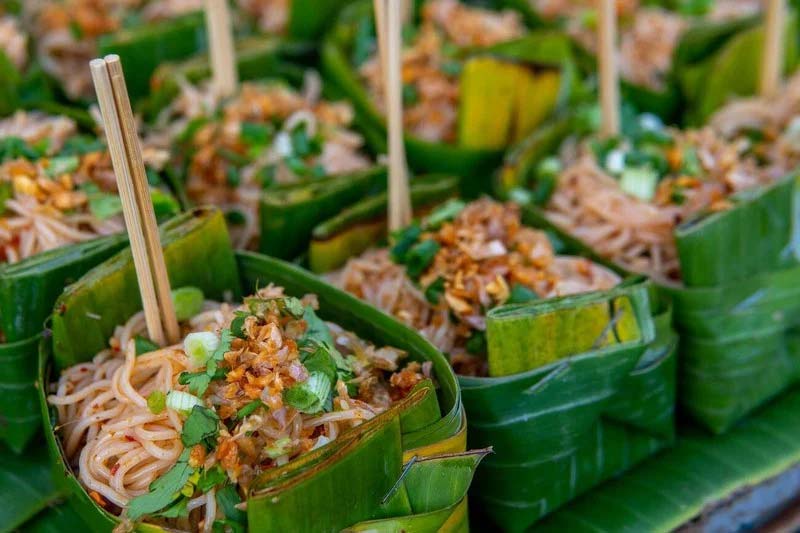
Though small in size, Mae Hong Son boasts a rich and diverse cuisine that will delight visitors' taste buds. Besides Northern Thai classics like Khao Soi or Gaeng Hinlay, unique specialties subtly blend Thai, Chinese, and Burmese flavors.
The popular dish in banana leaves in Mae Hong Son.
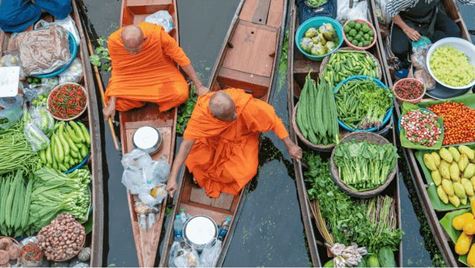
During cool summer evenings, don't miss the small night market around Nong Kham Lake. A paradise for street food lovers, where one can also explore local culture through the artisans present.
Despite its modest size, Mae Hong Son offers delightful gastronomic and cultural surprises. Its cuisine, reflecting the region's history, will satisfy foodies seeking authenticity.
The best time to visit Mae Hong Son is from February to June, offering stable prices and vibrant festivals in April. Its tropical climate, with temperatures between 14°C and 38°C, allows visits year-round, but it is advisable to avoid the high tourist season from November to February when costs increase.
>>> Good to know: From about February to April, agricultural burning can cause heavy smoke haze across northern Thailand, including Mae Hong Son, so check air quality forecasts before you go. From June to October, heavy rain can trigger landslides and flash floods on the province's mountain roads (Highway 108, for example, has been cut several times in recent months), so check local road conditions and allow extra time.
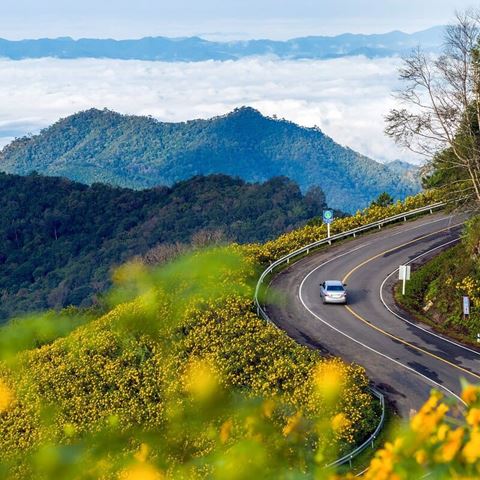
Mae Hong Son Loop
5. How to Get Around the Region?
Most travelers reach Mae Hong Son from Chiang Mai by road, as flights to Mae Hong Son Airport are limited.
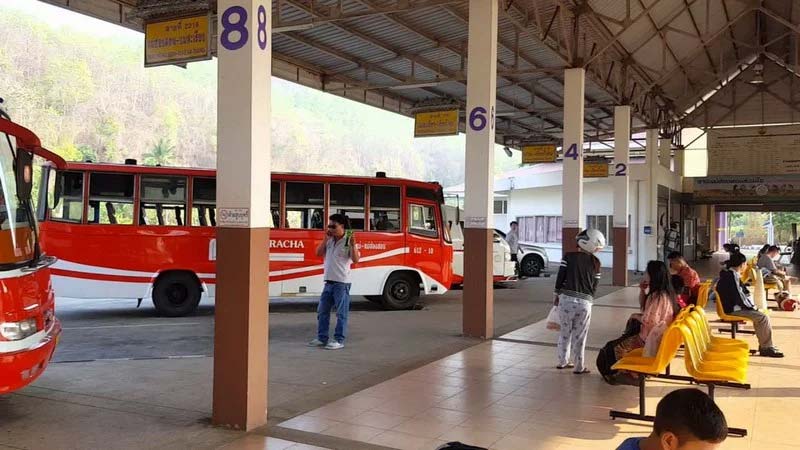
Minivan or bus: The main route from Chiang Mai follows Highway 1095 via Mae Rim, Pai and Pang Mapha, taking around 6 hours. Highway 108 via Mae Sariang takes around 8 hours.
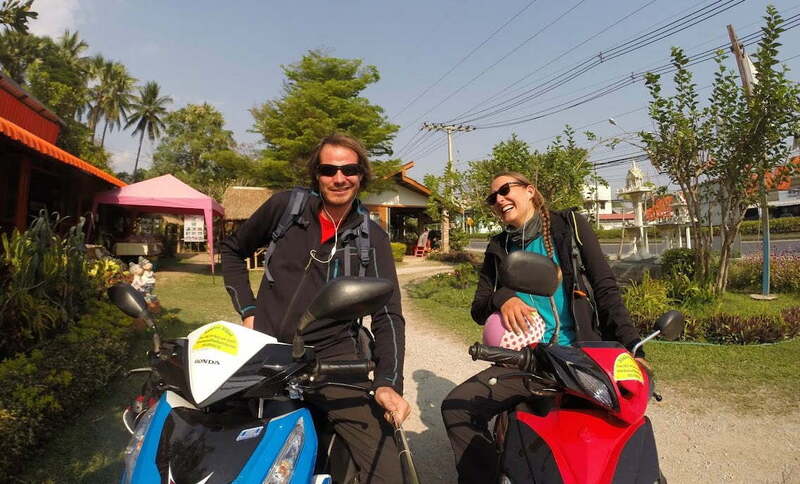
Car or motorbike: Renting a vehicle is popular for exploring the Mae Hong Son Loop, but the mountain roads are steep and winding.
From Bangkok: Direct buses take around 16–17 hours, or you can take an overnight train to Chiang Mai and continue by road.
On-site, opt for a taxi or motorbike for easy transportation. Taxis are more expensive but more comfortable. Renting a motorbike saves money; check the rental procedures and prepare your itinerary.
You can also consider renting a car for more flexibility and autonomy. Mae Hong Son is a hilly region, so check road conditions. Finally, organized tours from Chiang Mai offer a hassle-free way to explore the area.
Motorbike touring is an experience to try in northern Thailand
6. Practical Tips
Mae Hong Son offers numerous motels around the lake and hotels in town. If you have a vehicle, prefer stations outside the city. Check booking information carefully, as changes can occur.
For a Successful Trip:
Bring warm clothing, as the mountain climate is cold. Choose modest and sober attire for visiting temples, avoiding too short or colorful clothes.
Bring sunscreen and insect repellent. The altitude increases the risk of sunburn and insect bites.
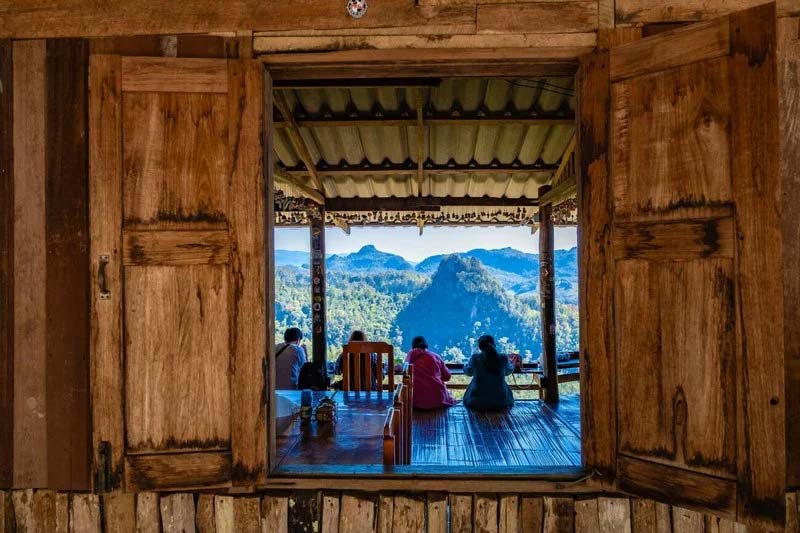
Ban Jabo house in Mae Hong Son.
Taste the local cuisine, known for its curries and exotic fruit salads. Discover traditional weaving and basketry crafts.
Check out festivals and celebrations during your stay, like the lentil festival or the fisherman's festival. Take the opportunity to immerse yourself in local traditions.
Conclusion
From the peaceful town of Mae Hong Son to the grandiose surrounding landscapes, you will have explored an authentic region off the beaten path. Encounters with ethnic minorities and their unique crafts will be etched in your memories. Mae Hong Son will have charmed you with its natural and cultural treasures. A timeless break in a preserved setting. So, tempted by the adventure?
>>> Every month, everything you need to know about Thailand:
Planning your trip?
Save time and get expert advice for FREE!
✅ 15 years of local experience
✅ Save up to 40 hours of planning
✅ Travel stress-free from start to finish
Book your free consultation today!








 Our team
 Our team
 Our team
 Our team

.jpg)
(3).jpg)


 Other
Other Add us as a preferred source





Děkujeme za Váš zájem. Omlouváme se, ale v současné době nabízíme pouze jednodenní výlety z Chiang Mai do Mae Hong Son.