What to do in Sapa in 2026: Top experiences recommended by a local
Having guided countless travelers through Sapa for the past 15 years, I can tell you that this place has a magic that never fades. Sapa’s golden season might steal the spotlight, with its rice terraces glowing in shades of yellow, but the beauty here lasts all year.
Yes, it does rain hard in the summer, but that’s part of the experience. The rest of the year is perfect for trekking, visiting local villages, and soaking in views that never get old.
For those who think Sapa is just a one-season wonder and a touristy place you visit once, trust me, it’s a place you can return to every year and always find something new to fall in love with.
Written by Jade NGUYEN, (local expert)
Updated on Jul 29, 2026
16 comments
Jade NGUYEN, also known as "Jade", has worked as a tourist guide and local expert for several years in Vietnam and the former Indochina countries (Thailand, Cambodia, Laos). It is in high demand and appreciated by our travelers, accompanying hundreds of them each year. With her experience in the field, particularly in the north and its mountains, she likes to share her knowledge with you through her articles on this blog. If you have any questions, don't hesitate to ask them in the comments below, she will be happy to answer you directly.
Location: A mountain town in northern Vietnam, roughly 320 km from Hanoi, close to the Chinese border
Known for: Terraced rice fields, ethnic minority villages, cool mountain air
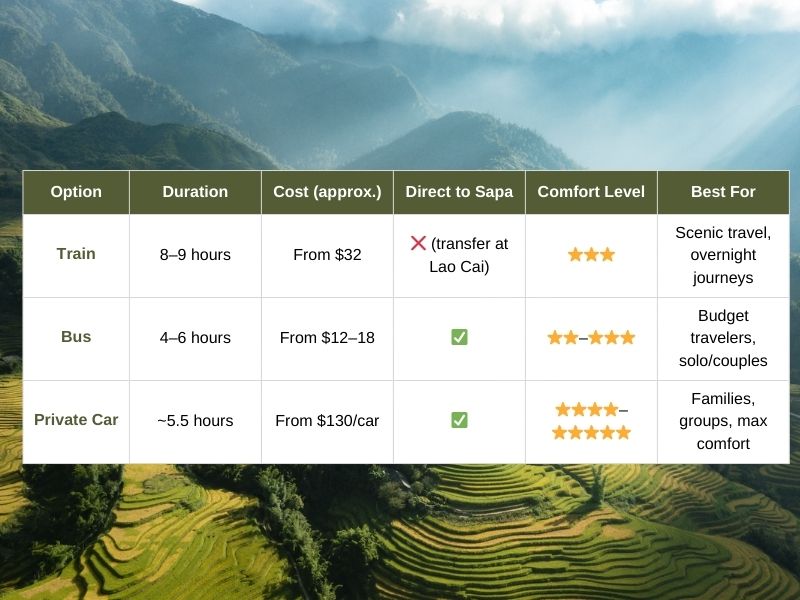
How to get there:
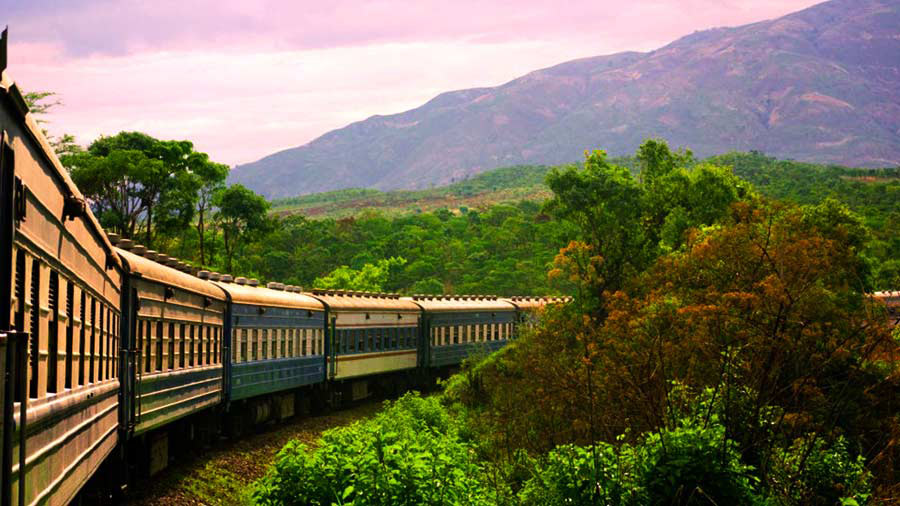
Overnight train to Lao Cai
Sleeper bus
Private car from Hanoi
Best time to visit:
August–September (rice fields at their peak)
March–May (mild, comfortable weather)
Recommended stay: 2–3 days for trekking, village visits, and Fansipan
What to do in Sapa?
Trek through Sapa's beautiful villages
If there's one thing I always tell people not to skip in Sapa, it's trekking. The best routes wind through villages like Lao Chai, Ta Van, Ta Phin, and Cat Cat, with sweeping views over the Muong Hoa Valley the whole way.
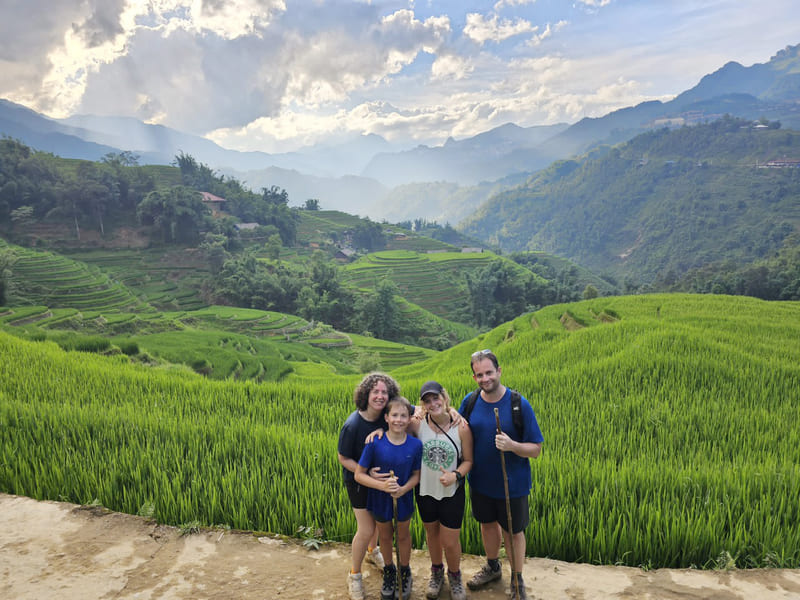
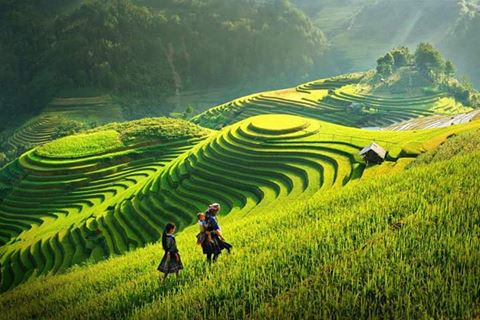
An unforgettable hike through the heart of the rice terraces (photo courtesy of our travelers)
Each village has its own personality, but they share the same unhurried atmosphere — rolling terraces, wooden stilt houses, and a real window into daily life for the Hmong, Dao, and Giay communities living there. If you'd rather skip the crowds, Hau Thao is still my go-to, particularly on mornings when the clouds roll low over the peaks.
Note: Don't stress too much about picking a one-way route. Even if you end up far from where you started, you'll almost always find a local with a motorbike nearby who can run you back into town for somewhere between 50,000 and 100,000₫, depending on the distance.
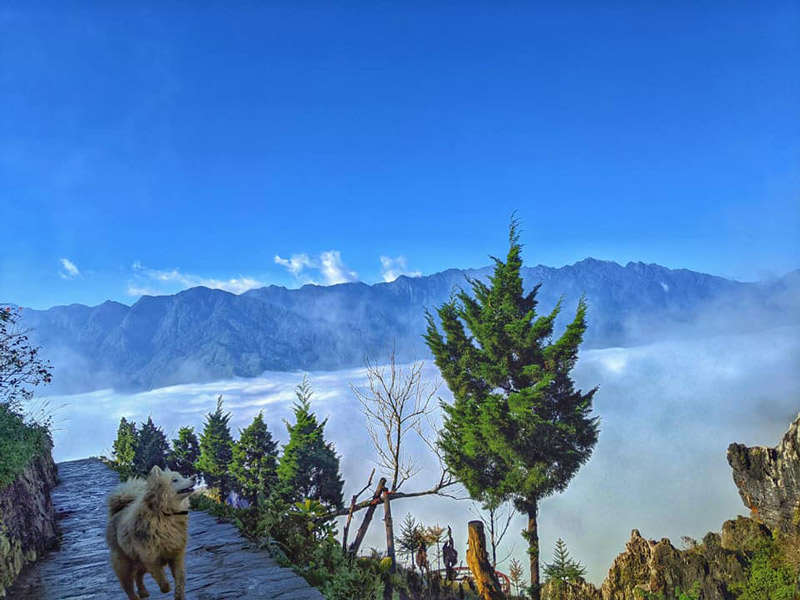
Hau Thao Village is a great spot for "chasing clouds"
Begin at Sapa Church and walk 2.2 km down to Cat Cat Village. Pick up an entrance ticket and take your time exploring, then continue 3 km through Muong Hoa Valley to Sin Chai Village.
Tram Ton Pass - Mount Fansipan
2 days, 1 night
11.2 km
Hard
Climb from Tram Ton Pass toward Fansipan Mountain, camp overnight around 2,800 meters, watch the sunrise, then push on to the summit — about 1.5 hours from camp.
Sapa - Love Waterfall - Silver Waterfall - Y Linh Ho - Ta Van
2 days, 1 night
20-30 km
Moderate
Day 1: Take a motorbike from Tram Ton Pass to Love Waterfall (1.1 km), continue on to Silver Waterfall, then settle into Sin Chai Village for the night at a homestay.
Day 2: Spend the day wandering through Y Linh Ho and Ta Van Village.
Sapa - Ta Phin - Ta Giang Phinh
3 days, 2 nights
43 km
Hard
Trek out to Ta Phin and Ta Giang Phinh, with the option to detour to Sin Suối Hồ — about 85-90 km (53-56 miles) from Sapa — if you're after somewhere truly remote and off-the-grid.
Fansipan sits just 9 kilometers from Sapa town, and at 3,143 meters it's the highest peak in all of Indochina. A 15-minute cable car ride gets you up there, unfurling wide views over the Hoang Lien Son range and Muong Hoa Valley along the way.
If time is tight — or you're simply not in the mood for a strenuous climb — the cable car is hands-down the easiest and most scenic route to the "Roof of Indochina." For those craving more of a challenge, guided treks up the mountain are also available.
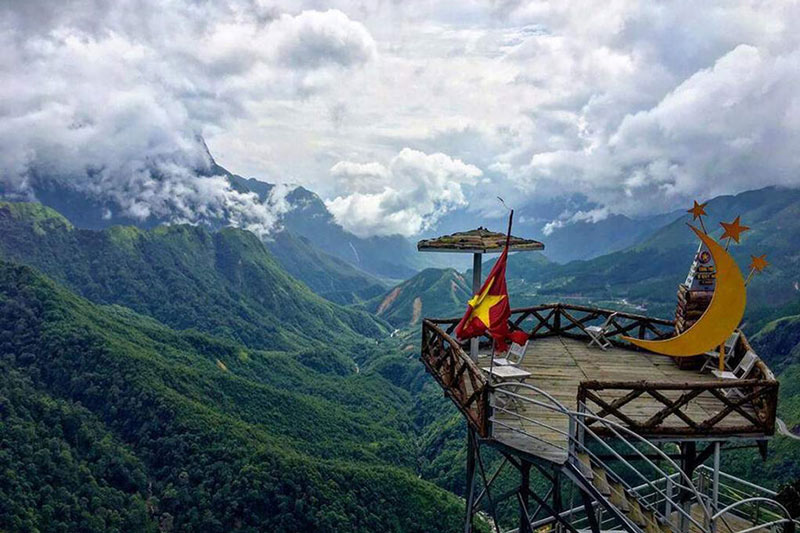
Suspended 2,200 meters above sea level near O Quy Ho Pass, this glass-bottomed bridge is the highest of its kind in Vietnam and delivers some genuinely breathtaking views across the Hoang Lien Son mountains.
While you're there, you can also try ziplining or bungee jumping nearby.
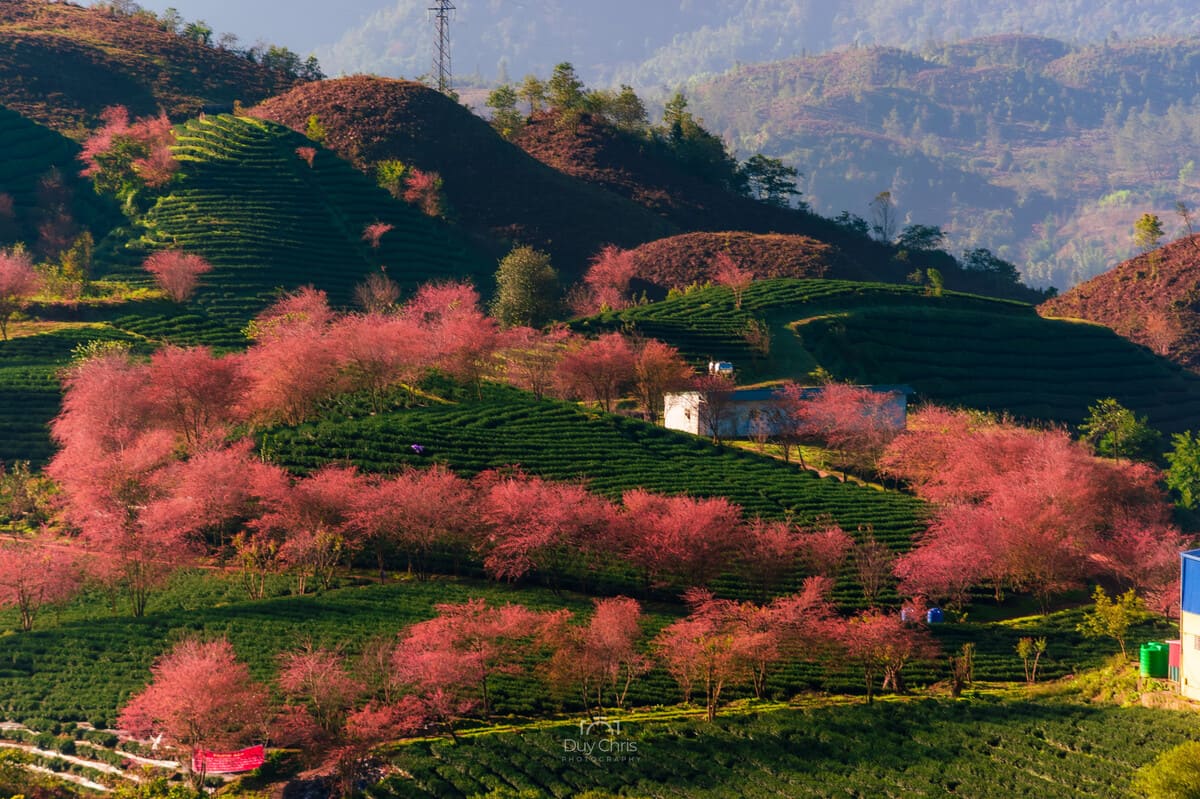
Just 4 kilometers outside Sapa, this quiet corner comes to life in mid-to-late December, when the tea hills are draped in soft pink cherry apricot blossoms, almost like something out of a Ghibli film.
These rolling hills are stunning once thousands of cherry apricot trees burst into bloom
Entrance ticket: $6, which includes a cup of oolong tea and a brief rundown of how it's made.
Note: This may be your last chance to see the Oolong Tea Hill as it is today. The area is slated to make way for apartments and a resort, and the tea hills won't be maintained after that.
Unwind at Silver Waterfall and Love Waterfall
Silver Waterfall (Thác Bạc): Tucked into the scenic O Quy Ho Pass just 12 km from Sapa, this 200-meter waterfall shimmers like a silver ribbon down the mountainside, and the drive there offers some lovely views of the Hoang Lien Son range.
Silver Waterfall is one of the region's most-visited spots
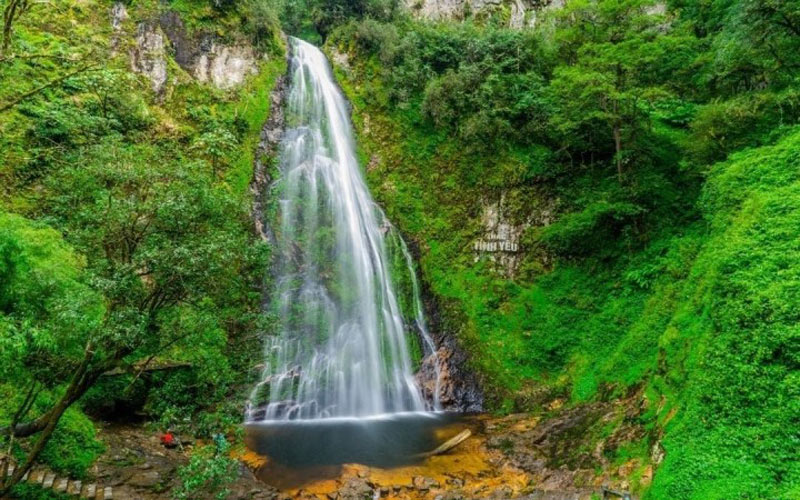
Love Waterfall (Thác Tình Yêu): Named for a local love legend, this pretty spot sits 14 miles from Sapa and is reachable via a short 1.5 km walk through Hoang Lien National Park.
Love Waterfall (Thác Tình Yêu)
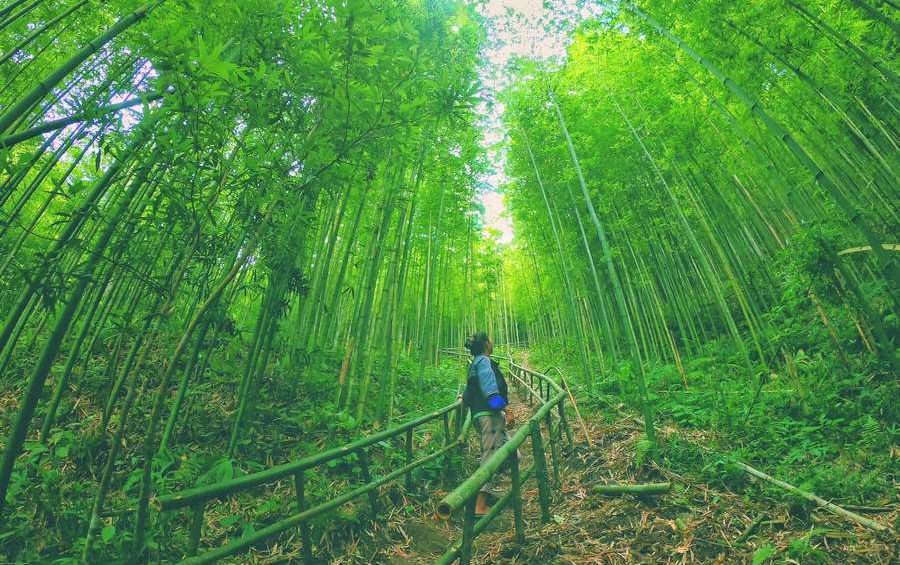
Wander the bamboo forest in Giang Ta Chai
For a bit of adventure, head to the bamboo forest between Giang Ta Chai and Ta Van. It's roughly a 2 km walk from Ta Van village, with the trail cutting straight through rice terraces along the way.
The forest itself is something of a hidden gem, so it's worth carving out time for if you can. On a clear day, it's an especially peaceful place to slow down and take in the scenery.
Staying with the locals
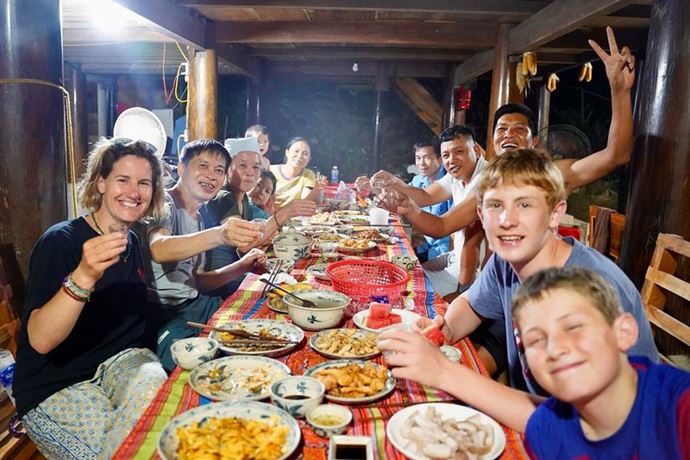
If there's one thing my travelers rave about more than anything else, it's the homestay experience. If your schedule allows, spend at least one night in a local home. Sharing a simple dinner, chatting quietly by the fire, and being welcomed so openly into someone's home — that's really where you feel the soul of Sapa.
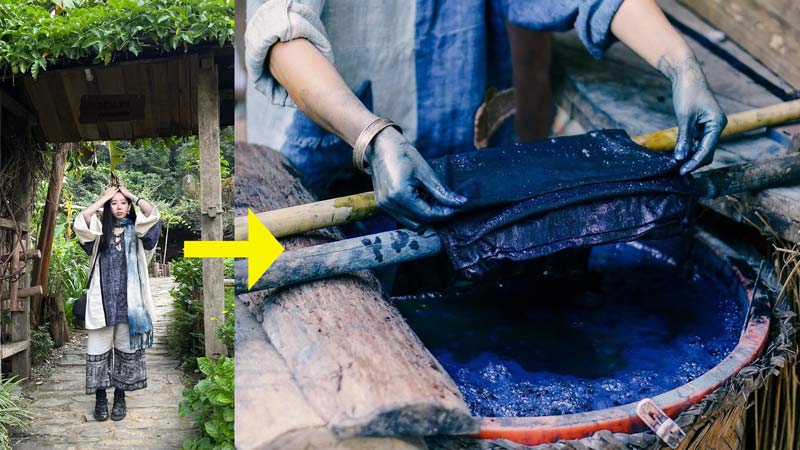
Sapa's batik pieces, with their striking hand-dyed indigo patterns, have quite a reputation. If you're hunting for the best prices, skip the shops in town and head instead to Lao Chai Village, where locally-made garments come at a much friendlier price. It's a quick trip from both Sapa and Ta Van, and locals are usually happy to point you the right way. Google Translate comes in handy here too!
Soak in a herbal bath
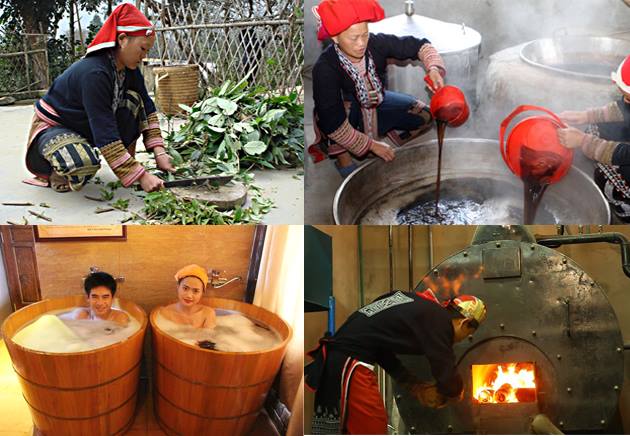
Over in Ta Phin village, Red Dao women prepare herbal baths using more than 100 forest ingredients. Soaking in one of these classic wooden tubs is deeply relaxing, and locals believe it carries genuine medicinal benefits too.
Relax with a Herbal Bath
Browse Sapa's markets:
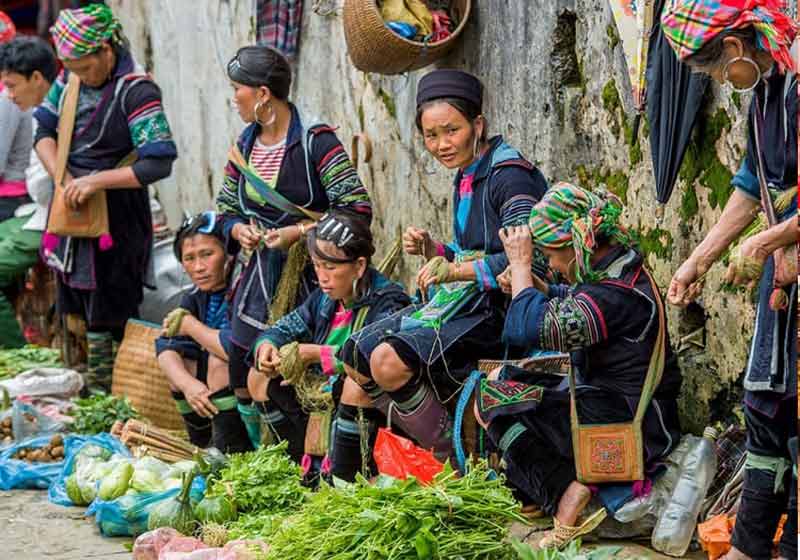
Did you know Sapa's lively local markets, called chợ phiên, offer a genuinely unique cultural experience? They're where ethnic minority communities gather to trade goods and share their way of life, all wrapped into one vibrant mix of tradition and daily commerce. Here are the top 10 markets in Sapa.
1. Sapa Town Market
Location: Sapa Town
Market Day: Every day
2. Love Market
Location: Sapa Town
Market Day: Saturday evening
3. Sin Cheng Market
Location: Sin Cheng Commune, Si Ma Cai District
Market Day: Wednesday
4. Muong Hum Market
Location: Muong Hum Commune, Bat Xat District
Market Day: Sunday
5. Coc Ly Market
Location: Coc Ly Commune, Bac Ha District
Market Day: Tuesday
6. Cao Son Market
Location: Lo Suoi Tung, Muong Khuong District
Market Day: Wednesday
7. Can Cau Market
Location: Can Cau Commune, Si Ma Cai District
Market Day: Saturday
8. Lung Khau Nhin Market
Location: Lung Khau Nhin Commune, Muong Khuong District
Market Day: Thursday
9. Sapa Night Market
Location: Dien Bien Phu Street, Sapa Town
Market Day: Every evening
🌾 Good to Know: Bac Ha, about 100 km from Sapa, is home to the region's largest ethnic market, drawing Red Dao, Black Dao, Tay, and Flower Hmong traders from across the area. Get there early, since it wraps up by around 10 AM, and double-check schedules if you're visiting around Tet or other holidays.
Sapa Market — also known as "Chợ Phiên"
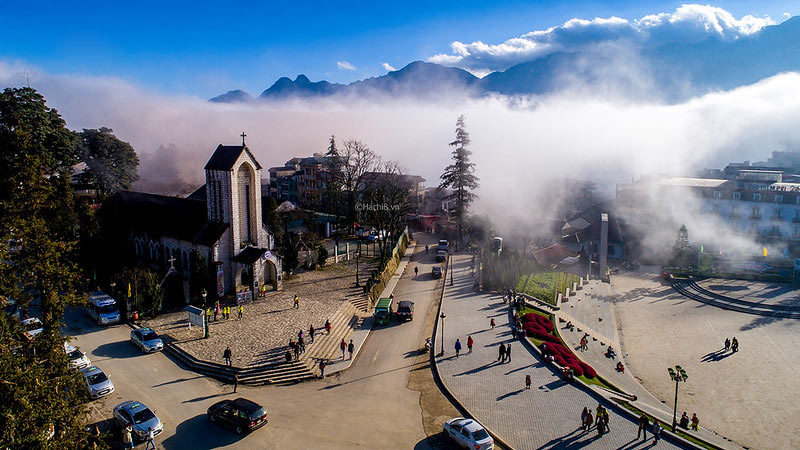
Visit Notre Dame Cathedral of Sapa (Sapa Stone Church)
Something of a landmark for the town, this stone cathedral becomes the gathering point for the Saturday evening Love Market, where dancing, singing, and traditions from various ethnic groups all come together in one lively scene.
Today, the old Sapa church still stands as a marker of Vietnam's history
Drive the O Quy Ho Pass
This scenic drive starts at the Sapa bus station and follows Dien Bien Phu Street past Silver Waterfall, roughly 18 km out from town. Keep climbing a few more kilometers toward the summit, and you'll be met with sweeping views of Mount Fansipan and the Hoang Lien Son range.
O Quy Ho Pass sits roughly 18 kilometers from Sapa town
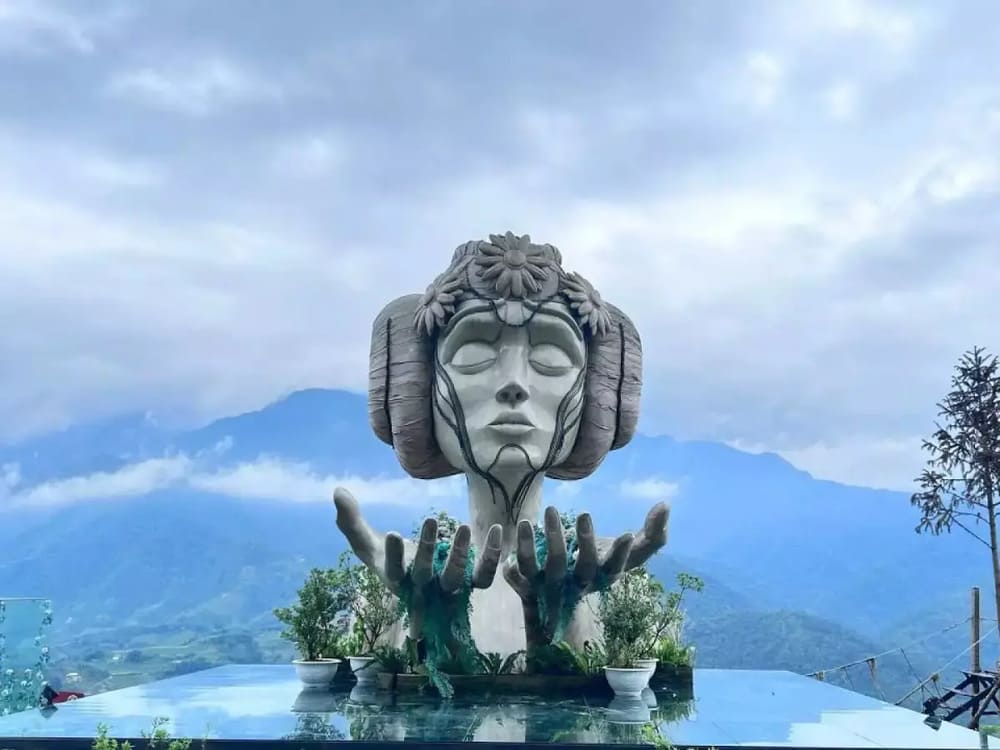
Moana Sapa is a newer photo spot just about 500 meters from the center of town. People often nickname it "mini Bali" thanks to its mountain backdrop and creative photo corners. It's an easy add-on if you're already wandering around town and looking for something nearby to fill the afternoon.
Address: 68 Violet Street, Cau May Ward, Sa Pa Town
Opening hours: 7:00 AM – 6:30 PM, daily
Ticket: 80,000 VND per person
Take in Sapa's festivals
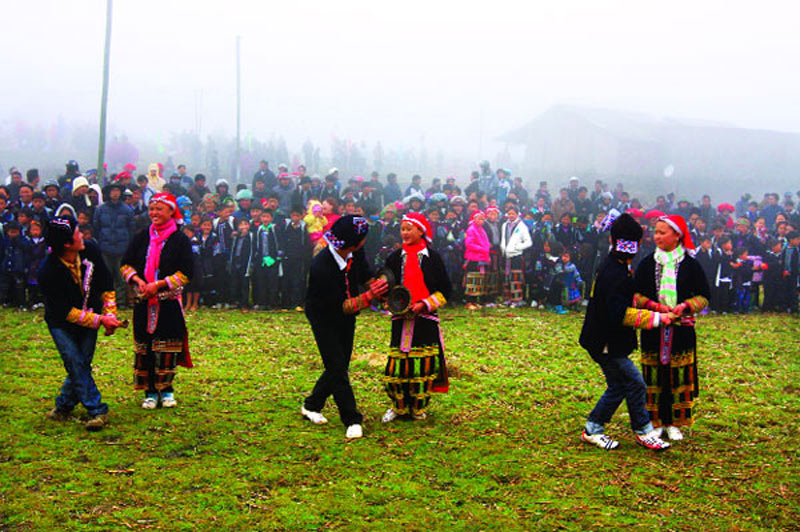
Sapa hosts a handful of lively events celebrating its many cultures. During the first two days of Lunar New Year, Ta Van holds the Tet Nhay Festival, featuring traditional Dao dances and costumes.
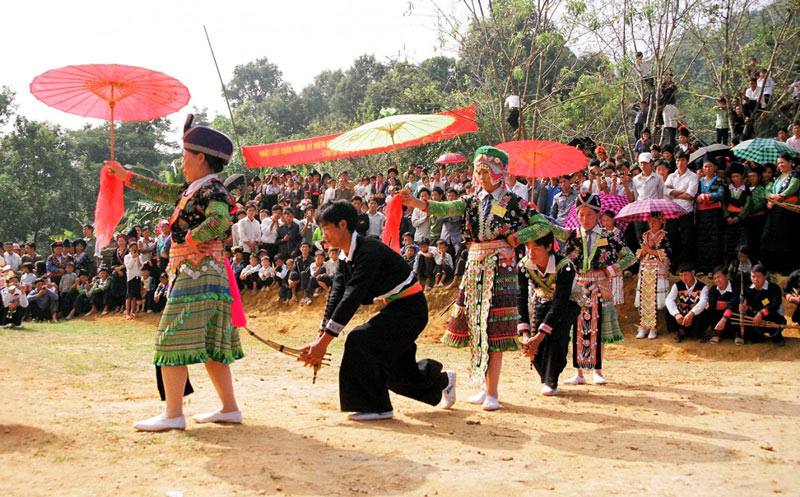
Then there's the H'mong Gau Tao Festival, held on Gau Tao hill from the second to the fourth day of the lunar new year, where prayers for a good year ahead double as a chance for young people to meet.
The Tet Nhay Festival (Dancing Tet) holds real cultural weight for the Dao community in Ta Van
And finally, the Nào Cống Festival at Ta Van Temple, held on Dragon Day in the sixth lunar month, is led by a Giáy shaman and brings together feasting, readings of village laws, and offerings made in hopes of peace and prosperity.
The Gau Tao Festival is an important event for the H'Mong community.
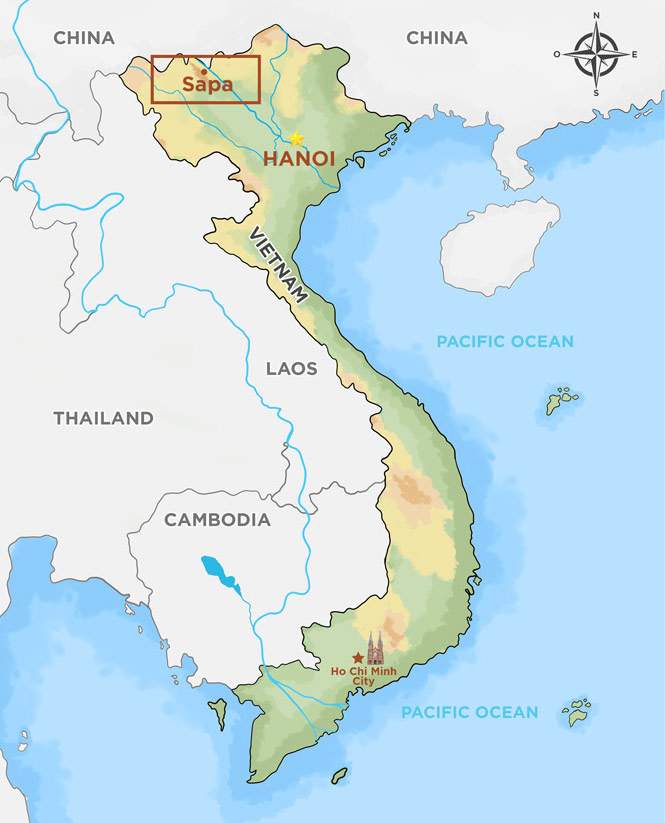
Planning a visit to this mountain town in northern Vietnam? Grab a map before you go — here's ours:
Click the "[ ]" icon in the top right for a bigger view.
Where is Sapa, Vietnam?
The location
Sapa is a scenic mountain town in Lao Cai Province, in the far northwest of Vietnam, close to the Chinese border. Set within the Hoàng Liên Sơn mountain range at 1,600 meters elevation, it sits roughly 320 kilometers from Hanoi, about a 5–6 hour drive.
Known as "Chapa" back in the French colonial era, the town has long served as a cool-climate escape from the heat below.
Is Sapa worth visiting?
In my view, Sapa is absolutely worth the trip if you're after mountain scenery, terraced rice fields, and hill-tribe culture. It's also considerably easier to reach from Hanoi than places like Ha Giang or Mu Cang Chai. And even with tourism on the rise, it hasn't lost its authentic villages or its spectacular natural setting.
Sapa sits in the mountainous north of Vietnam
📍 Did you know? The name "Sapa" comes from a Hmong word meaning "sandy beach," referring to the old market area where the town first took shape.
How to get to Sapa (the routes most travelers choose)
🚫 Note: Sapa itself has no train station. The nearest stop is Lao Cai Station, 35 kilometers away, from which you'll need a bus, taxi, or motorbike to finish the trip.
How to book: Travel companies such as Kampá Tour offer door-to-door packages with round-trip transportation included.
The best time to visit Sapa
To me, Sapa looks its best in August and September. August in particular has a certain charm — even with the occasional rain, the town feels quieter, the air is crisp, and the weather stays cool and pleasant, a contrast to the harsher sun you'll often find come September.
That said, Sapa actually experiences four distinct seasons worth knowing about:
Season
Months
What to expect
Winter
Dec to Feb
Cold and quiet, with a calm, still kind of scenery — ideal if you enjoy a peaceful winter mood.
Spring
Mar to May
Flowers in bloom and mild weather throughout. Early May is especially pretty as the rice season gets underway.
Summer
Jun to Sep
Warm and lush, with the rice fields at their greenest before turning gold in late August and early September.
Autumn
Sep to Nov
The main harvest has passed, but clear skies and cooler air still make for pleasant days.
>>> 🗺️For a fuller picture of these stunning spots, check out our Vietnam Tourist Map.
How many days should you spend in Sapa?
How long to stay really comes down to what you're after:
Trekking & Exploration: 2–3 days for hiking the terraces, visiting villages, and taking on Fansipan.
Cultural Immersion: 3+ days if you want to really connect with local communities and catch festivals or traditions.
Relaxation: 1–2 days works fine for a scenic, low-key trip with lighter activities like a village stop or the Fansipan cable car.
Our suggested itinerary
Day 1: Travel from Hanoi to Sapa, then swing by Sapa Stone Church and the Love Market to get a feel for the town's local rhythm.
Day 2: Trek into Muong Hoa Valley and explore the villages of Y Linh Ho, Lao Chai, and Ta Van. Spend the night at a homestay for a closer look at daily life in these ethnic communities.
Day 3: Ride the cable car up Fansipan Mountain, or spend the morning at Silver Waterfall and Love Waterfall before heading back to Hanoi.
Be respectful of the quiet atmosphere — take photos discreetly and avoid lingering shots of people.
Carry ID for check-ins, plus a driver's license if you're renting a motorbike.
ATMs are scarce in Sapa and nonexistent in the villages, so bring cash along in case digital transfers don't go through.
ATMs in Sapa
Important Contacts:
Lao Cai Police: 020 3869103
Sapa Post Office: 020 3871474
Sapa General Hospital: 020 3871116
What to eat in Sapa?
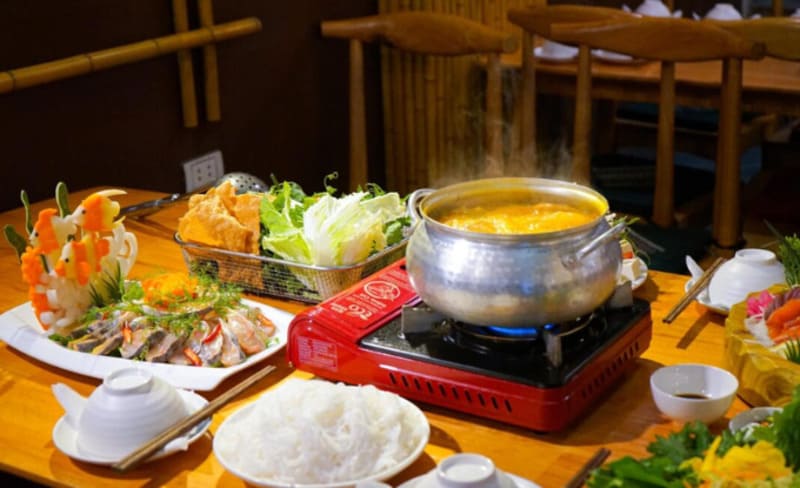
Sturgeon Hotpot (Lẩu cá tầm)
On a cool Sapa evening, there's nothing quite like gathering around a bubbling sturgeon hotpot.
The fish is raised in the region's fresh mountain streams, giving the meat a light pink color and a texture that's firm yet naturally sweet.
On a cool Sapa evening, nothing beats gathering around a steaming sturgeon hotpot.
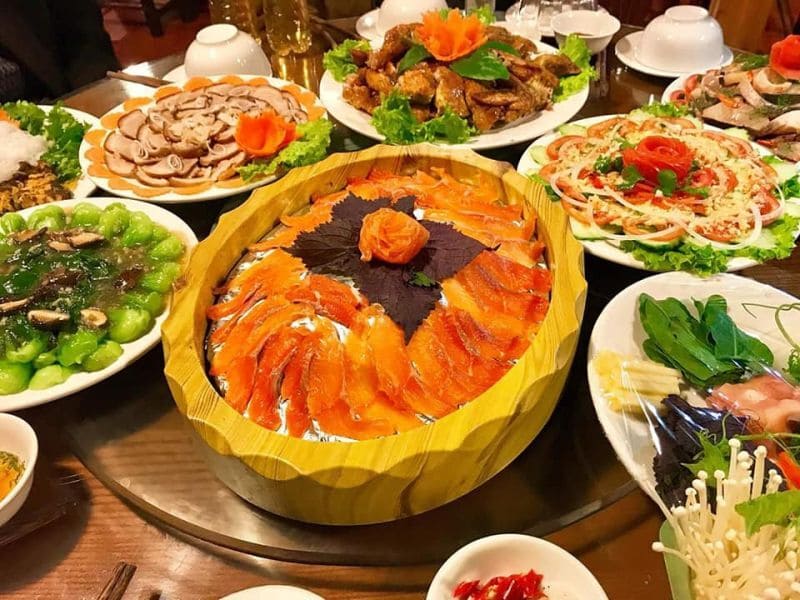
Sapa Salmon Sashimi
Fresh salmon might be the last thing you expect to find in Vietnam, but Sapa's icy winters — snow included — create just the right conditions for raising rainbow trout, which locals here simply call salmon.
What you get is firm, almost melt-in-your-mouth fish, served as sashimi so fresh it practically dissolves on your tongue.
The result is firm, melt-in-your-mouth fish served fresh as sashimi!
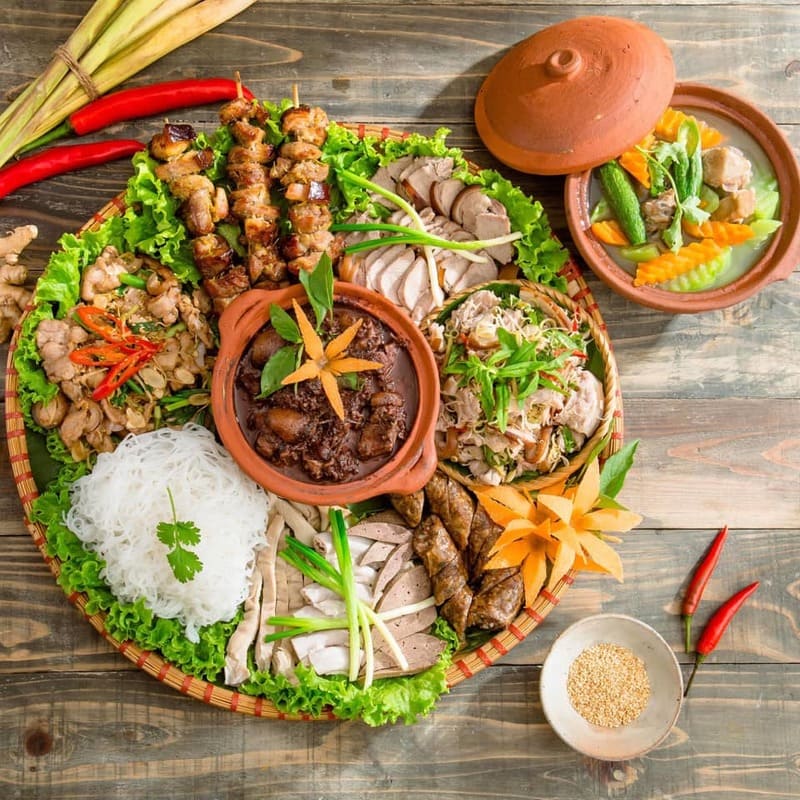
Seven Pork Dishes (Lợn 7 món)
A genuine feast for anyone who loves meat, this specialty serves up pork prepared seven different ways, often sourced from wild or native pigs raised by local families.
In a single meal you'll get to try pork boiled, grilled, steamed, stir-fried, braised in the "giả cầy" style, packed into sausages, and tossed into a fresh salad.
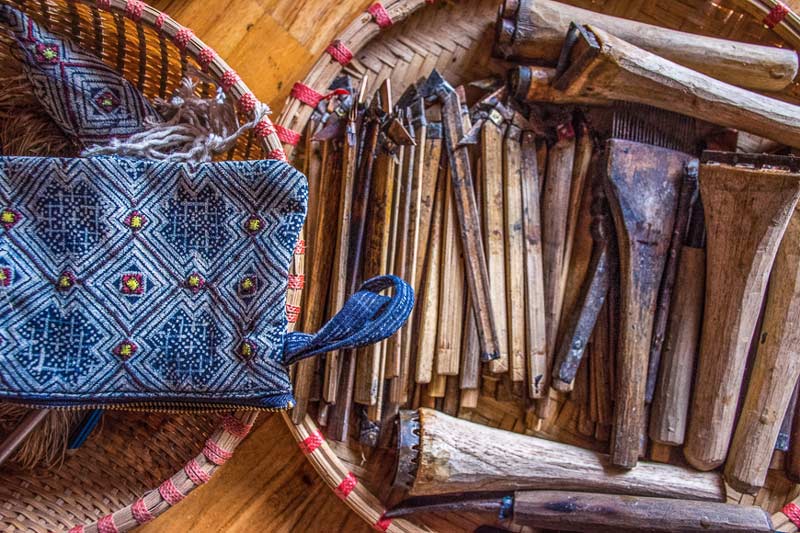
Head to the upper and back sections of Sapa Market for the best handcrafted pieces. It's a calmer setting than the bustle of the street vendors, giving you time to actually learn about the craft and make purchases that feel fair to everyone involved.
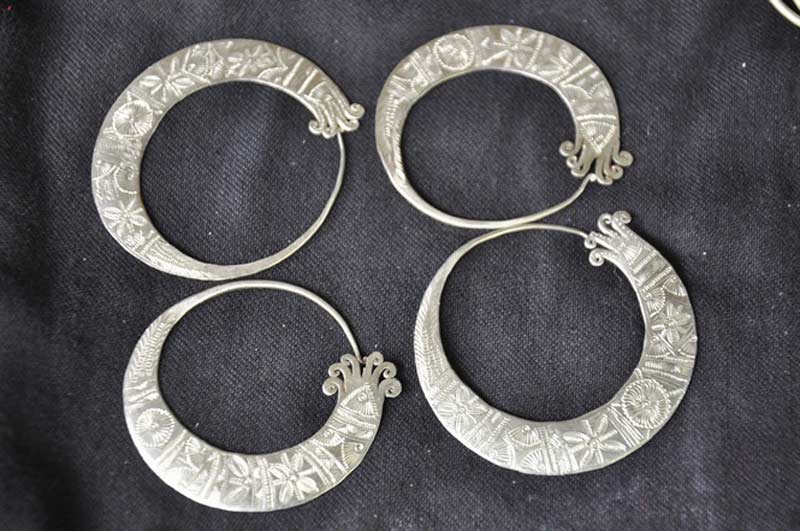
Silver Jewellery
That said, some of the best jewelry and bracelets are sold right on the street by local women. Since they typically wear these pieces themselves day to day, each one carries a bit of individual character you won't find on a market shelf.
Conclusion
Sapa may have grown into a well-known destination, but it hasn't lost its natural beauty or cultural depth in the process. The sweeping rice terraces, misty valleys, and mountain backdrops make for an unforgettable visit. And even as more visitors arrive each year, Sapa still delivers authentic experiences through its hill tribe villages, traditional crafts, and local food. Whether you're out trekking, sampling regional dishes, or simply getting to know the culture, Sapa earns its place on any trip through Vietnam.
Hello! I’m planning to travel to Vietnam in December and would like to know whether it’s still worth visiting Sapa at that time of year. Is it possible to explore the area independently, or is hiring a guide essential?
If December isn’t a good time for Sapa, could you recommend some similar destinations in northern Vietnam?
Thanks so much in advance!
0Reply
Trang Nguyen from Kampá Tour30 Jan 2026
Hi Blanche!
December can still be a nice time to visit Sa Pa, especially if you enjoy a quieter, more atmospheric setting. It can be quite cold and misty, and the rice terraces won’t be green, but the scenery has a unique charm.
You can explore the area independently, but if you’re interested in local culture and community-based travel, I’d recommend going with a local guide or joining a small tour. It makes the experience richer and more relaxed, allowing you to focus on understanding local life without worrying too much about logistics.
0Reply
G
Gordon11 Apr 2025
Hello, we will be in Sapa at the end of February or the beginning of March 2026. We would like to stay with locals. Where can I find the addresses and how can I book? Thank you in advance.
0Reply
Kampá Tour14 Apr 2025
Hello Gordon,
Thank you for reaching out! Staying with locals in Sapa is a wonderful way to truly connect with the culture and landscapes of northern Vietnam.
If you’d like to organize the trip on your own, you can find homestay options in villages like Ta Van, Lao Chai, or Ban Ho through platforms such as Agoda, Booking.com, or even Airbnb. Alternatively, if you'd prefer a fully organized experience, we’d be happy to help!
We work directly with trusted local hosts and can arrange everything—from accommodation to trekking and transportation.
Let us know what kind of experience you're looking for, and we’ll be happy to assist further!
Warm regards,
0Reply
H
Henry04 Jan 2025
Hi! It will be our (me and girlfriend) first time in Vietnam on the 3rd week of Feb. I have a few questions if you don’t mind me asking:
1. We’ll be staying in Sa Pa for 4 days. Do you recommend staying in a hotel in the center (Sapa Diamond Hotel) or a homestay-ish place (S-Plus Bungalow)? We’ll be going to the typical tourist attractions (Fansipan, Catcat Village, Heaven’s Gate, and Cloud Dragon Skywalk, and Trekking).
2. We’ll also be staying in Hanoi for 3 days but i dont know where to stay when we’re there so any recommendations would be great 😄
0Reply
Kampá Tour04 Jan 2025
Hello Henry,
I am very grateful that my article provided useful information for you, and I am happy to answer your questions!
Essentially, you will have a total of 4 days in Sapa. If I am not mistaken, it will be 4 days and 3 nights, correct? I recommend spending 1 day at a hotel and 2 days at 2 different homestays (if you don’t mind moving around and wish to immerse yourself in the local culture and experience ethnic traditions).
Staying in the old town area is a good option since most tourist attractions and dining spots are nearby.
Additionally, you can check out our article about hotels in Sapa for more detailed accommodation recommendations tailored to various preferences and needs.
Best regards,
Kampá Tour
0Reply
G
Garrett02 Oct 2024
Me and my Girlfriend are gonna be visiting Vietnam in 2 weeks. Our initial plan was to visit Hanoi, Sapa, Cao Bang, Da Nang, Hue, Hoi An and get back to either Hanoi/ Ho Chi Minh and get back home. We realised that thats a lot to cover, and we would either want to drop Sapa or Cao Bang. However, Both of these places seem cool and we are having a hard time dropping one. Which place is better to visit during the upcoming period? Do you provide tours that suit our plan? thanks in advance
0Reply
K
Kampá Tour05 Oct 2024
Hi there,
Thanks for reaching out! Your itinerary looks great, but you're right—it might feel rushed. Between Sapa and Cao Bang, I'd suggest Cao Bang. Sapa's 'yellow season' has ended, so the golden rice terraces aren't at their best. However, if you're up for other mountain regions and the current 5°C cold, Sapa is still an option.
Cao Bang, on the other hand, is less affected by the weather, and its stunning landscapes, such as Ban Gioc Waterfall and the Nguom Ngao caves, are still very much worth visiting at this time of year. It's a great option if you're looking for something a bit off the beaten path.
Feel free to reach out if you'd like to discuss more details!
Best regards,
0Reply
A
Adam02 Oct 2024
I'm going to Vietnam in Nov to Dec and might want a guide while I'm there :)
1Reply
K
Kampá Tour05 Oct 2024
Hi Adam,
That sounds exciting! We'd love to help you plan your trip to Vietnam and arrange a guide if needed. Could you share a bit more about your travel plans? For example:
Which cities or regions are you planning to visit?
What kind of experiences are you looking for (cultural tours, food, outdoor adventures, etc.)?
How many days will you be there, and do you already have a rough itinerary in mind?
Once I know a bit more, I can recommend the best options and guide services to suit your trip!
Feel free to reach out to us via WhatsApp at +84 33 371 7599, or you can use ourContact Form to get started.
Looking forward to hearing from you!
Best regards,
0Reply
E
Erika08 Aug 2024
Making a trip up to Sapa next week and weather outlook doesn’t sound promising.
Thunderstorms all throughout the 3 days I will be there.
Does it sound like I will be confined to the hotel all the time? Will visibility and ease of travel be good for trips to the Fansipan peak/Cat Cat Village/Paddy fields?
In some SEA countries I’ve been to, rains are probably around 3-4 hrs in mid afternoon. Occasionally a full day rain storm.
How are Sapa storms like?
will be travelling with elderly so muddy treks won’t be ideal either.
Thanks in advance!
0Reply
K
Kampá Tour09 Aug 2024
Sapa's weather can be pretty rainy with thunderstorms lasting all day, so visibility might be low and trails could get muddy. For your trip:
Indoor Fun: Look for indoor activities in Sapa if the weather isn’t great.
Stay Updated: Check local weather and ask your hotel for the best advice.
Gear Up: Wear good, waterproof shoes and bring rain gear.
Be Flexible: Adjust your plans based on the weather to stay safe and comfortable.
For more tips and ideas on how to make the most of your trip to Sapa, even if the weather isn’t ideal, check out my article: What to Do in Sapa.
Hope you have a great time despite the weather!
0Reply
T
Trey24 Jun 2024
I'm planning a trip to Hanoi and Sapa on July 27th~August 2nd (or longer). I'm bringing some work with me which requires a pretty good signal with my VPN.
I'm sure I will have decent wifi speed in Hanoi but I'm quite worried about Sapa, since it seems so remote.
Anyway, how is the wifi speed in Hanoi and Sapa? Anyway to get extremely fast wifi/data? Which operator provides the best SIM? Is there a data package where I can purchase as a foreigner? (will it be fast?)
Thanks!
0Reply
Kampá Tour25 Jun 2024
Hi Trey, I'm glad that you asked.
While Sapa is more remote, many tourist accommodations and cafes provide decent wifi. It may not be as fast as Hanoi but is generally sufficient for VPN usage and most online activities.
Best Connectivity Tips:
Local SIM Cards:
Viettel is highly recommended for its extensive coverage, including remote areas like Sapa.
Portable Wi-Fi Devices:
Renting a portable Wi-Fi device is another good option.
These can be picked up at the airport or ordered online before your trip for reliable internet access anywhere.
For detailed information on SIM card options and where to purchase them, visit our Vietnam SIM card guide. Enjoy your trip to Hanoi and Sapa, and stay connected with ease!
0Reply
R
Rebecca19 Jun 2024
Is sapa worth it for people not fond of hiking? Everything I search shows just hikes and treks. Is it possible to enjoy on scooter? Thanks y’all
0Reply
Kampá Tour19 Jun 2024
Hi Rebecca,
Thank you for reaching out to Kampá Tour. While Sapa is known for its hiking and trekking, there are other enjoyable activities for those not fond of hiking. In Sapa town, you can explore on foot or take an electric car to get around comfortably.
For those interested in seeing more of the area without hiking, you can join a scooter tour for safety reasons. These tours allow you to visit local Hmong and Dao villages, providing a great way to experience the culture and scenery. You can also take the Fansipan cable car for an incredible experience without needing to hike.
Personally, I rented a scooter on my last visit and drove around the villages. However, I do not recommend self-driving a scooter due to bad road conditions and heavy traffic.
If you have any more questions or need further assistance, please feel free to ask.








 Our team
 Our team
 Our team
 Our team

.jpg)
.jpg)
(1).jpg)

.jpg)
.jpg)
.jpg)
.jpg)
.jpg)


 Other
Other Add us as a preferred source








Hi Blanche!
December can still be a nice time to visit Sa Pa, especially if you enjoy a quieter, more atmospheric setting. It can be quite cold and misty, and the rice terraces won’t be green, but the scenery has a unique charm.
You can explore the area independently, but if you’re interested in local culture and community-based travel, I’d recommend going with a local guide or joining a small tour. It makes the experience richer and more relaxed, allowing you to focus on understanding local life without worrying too much about logistics.
Hello Gordon,
Thank you for reaching out! Staying with locals in Sapa is a wonderful way to truly connect with the culture and landscapes of northern Vietnam.
If you’d like to organize the trip on your own, you can find homestay options in villages like Ta Van, Lao Chai, or Ban Ho through platforms such as Agoda, Booking.com, or even Airbnb. Alternatively, if you'd prefer a fully organized experience, we’d be happy to help!
We work directly with trusted local hosts and can arrange everything—from accommodation to trekking and transportation.
You can have a look at some of our itineraries here:
👉 7-Day Essence of North Vietnam Tour
👉 Sapa – Ha Giang 7-Day Itinerary
👉 North Vietnam 10-Day Trekking Adventure
Let us know what kind of experience you're looking for, and we’ll be happy to assist further!
Warm regards,
Hello Henry,
I am very grateful that my article provided useful information for you, and I am happy to answer your questions!
Essentially, you will have a total of 4 days in Sapa. If I am not mistaken, it will be 4 days and 3 nights, correct? I recommend spending 1 day at a hotel and 2 days at 2 different homestays (if you don’t mind moving around and wish to immerse yourself in the local culture and experience ethnic traditions).
Staying in the old town area is a good option since most tourist attractions and dining spots are nearby.
Additionally, you can check out our article about hotels in Sapa for more detailed accommodation recommendations tailored to various preferences and needs.
Best regards,
Kampá Tour
Hi there,
Thanks for reaching out! Your itinerary looks great, but you're right—it might feel rushed. Between Sapa and Cao Bang, I'd suggest Cao Bang. Sapa's 'yellow season' has ended, so the golden rice terraces aren't at their best. However, if you're up for other mountain regions and the current 5°C cold, Sapa is still an option.
Cao Bang, on the other hand, is less affected by the weather, and its stunning landscapes, such as Ban Gioc Waterfall and the Nguom Ngao caves, are still very much worth visiting at this time of year. It's a great option if you're looking for something a bit off the beaten path.
You can check out our Vietnam 2-week itinerary here.
Feel free to reach out if you'd like to discuss more details!
Best regards,
Hi Adam,
That sounds exciting! We'd love to help you plan your trip to Vietnam and arrange a guide if needed. Could you share a bit more about your travel plans? For example:
Once I know a bit more, I can recommend the best options and guide services to suit your trip!
Feel free to reach out to us via WhatsApp at +84 33 371 7599, or you can use our Contact Form to get started.
Looking forward to hearing from you!
Best regards,
Sapa's weather can be pretty rainy with thunderstorms lasting all day, so visibility might be low and trails could get muddy. For your trip:
For more tips and ideas on how to make the most of your trip to Sapa, even if the weather isn’t ideal, check out my article: What to Do in Sapa.
Hope you have a great time despite the weather!
Hi Trey, I'm glad that you asked.
While Sapa is more remote, many tourist accommodations and cafes provide decent wifi. It may not be as fast as Hanoi but is generally sufficient for VPN usage and most online activities.
Best Connectivity Tips:
Local SIM Cards:
Portable Wi-Fi Devices:
For detailed information on SIM card options and where to purchase them, visit our Vietnam SIM card guide. Enjoy your trip to Hanoi and Sapa, and stay connected with ease!
Hi Rebecca,
Thank you for reaching out to Kampá Tour. While Sapa is known for its hiking and trekking, there are other enjoyable activities for those not fond of hiking. In Sapa town, you can explore on foot or take an electric car to get around comfortably.
For those interested in seeing more of the area without hiking, you can join a scooter tour for safety reasons. These tours allow you to visit local Hmong and Dao villages, providing a great way to experience the culture and scenery. You can also take the Fansipan cable car for an incredible experience without needing to hike.
Personally, I rented a scooter on my last visit and drove around the villages. However, I do not recommend self-driving a scooter due to bad road conditions and heavy traffic.
If you have any more questions or need further assistance, please feel free to ask.
Kind regards,
Kampá Tour